
The vast, often forgotten graveyards of the world’s oceans are dotted with the hulks of decommissioned ships. These once-proud vessels, the titans of trade and transport, eventually succumb to the relentless march of time and technological advancement, their seafaring days behind them. While many are destined for traditional scrapping, a growing movement is recognizing the immense, untapped potential held within their robust metal bodies. Repurposing old ships for construction steel is emerging as a sustainable, economically viable, and environmentally responsible alternative to solely relying on virgin steel production. This practice offers a compelling solution to a global demand for construction materials, addressing both resource scarcity and the mounting problem of maritime waste.
The global construction industry is a powerhouse of economic activity, shaping skylines and facilitating human development. However, it is also a significant consumer of resources, particularly steel. Steel, with its unparalleled strength, durability, and versatility, is the backbone of modern construction, from towering skyscrapers and intricate bridges to sprawling residential complexes and essential infrastructure like pipelines. The demand for this crucial material is projected to continue its upward trajectory as urbanization accelerates and developing nations invest heavily in infrastructure development.
Escalating Global Demand
The sheer scale of global construction is staggering. Billions of tons of steel are consumed annually, a figure that is expected to rise substantially in the coming decades. This growth is driven by a confluence of factors, including population growth, increased urbanization, and a burgeoning middle class in emerging economies. As more people move to cities and require housing, offices, and public amenities, the demand for steel intensifies. Furthermore, the need to upgrade and expand existing infrastructure, from transportation networks to energy grids, also contributes to this insatiable appetite for construction steel. The continued reliance on traditional steel production methods, which are energy-intensive and generate significant environmental externalities, presents a pressing challenge.
Environmental Footprint of Virgin Steel Production
The production of virgin steel, while essential, comes with a considerable environmental cost. The process typically involves mining iron ore and coal, followed by energy-intensive smelting and refining operations. These activities contribute to greenhouse gas emissions, air and water pollution, and habitat destruction. The carbon footprint of steel production is substantial, making it a significant contributor to climate change. Efforts to reduce these environmental impacts through technological advancements and cleaner production methods are ongoing, but the inherent nature of extracting and processing raw materials remains a challenge. The circular economy principles, which advocate for minimizing waste and maximizing resource utilization, offer a compelling alternative approach.
The Economic Imperative for Cost-Effective Solutions
Beyond environmental concerns, the economic realities of construction also drive the search for cost-effective materials. Fluctuations in the price of raw materials, geopolitical instability, and the increasing cost of energy can all impact the affordability of construction projects. Finding sources of steel that can be acquired and processed at a lower cost than virgin steel is therefore a significant economic advantage. This is where the concept of repurposing old ships comes into play, offering a potentially more budget-friendly option for developers and contractors.
In recent years, the trend of repurposing old ships into construction steel has gained significant attention, highlighting innovative ways to recycle materials while preserving maritime history. For a deeper understanding of this fascinating topic, you can explore the article that discusses the environmental benefits and creative applications of using decommissioned vessels in construction projects. To read more about this, visit this article.
Deconstructing the Maritime Giants: The Shipbreaking Process
The journey of an old ship from active service to a source of construction steel is a complex and multi-stage process known as shipbreaking. This highly specialized industry, often located in specific regions due to historical and economic factors, involves the systematic dismantling of vessels to recover valuable materials, primarily steel. While the term “shipbreaking” can conjure images of less-than-ideal working conditions, advancements and increasing regulations are striving to make the process safer and more environmentally sound.
Strategic Demolition and Dismantling
The process begins with the careful selection of suitable vessels. Ships that are at the end of their operational life, often due to structural fatigue, obsolescence, or uneconomical repair costs, are chosen for dismantling. These vessels are typically sailed or towed to dedicated shipbreaking yards. The first stage of dismantling involves removing hazardous materials such as fuel, oil, lubricants, asbestos, and other chemicals. This is a critical step to ensure environmental safety and worker well-being. Once these hazardous substances are safely contained and disposed of, the actual deconstruction of the ship’s hull begins.
The Role of Skilled Labor and Specialized Equipment
Shipbreaking is a labor-intensive industry that relies on the expertise of skilled workers. These individuals possess a deep understanding of naval architecture, structural integrity, and the safe operation of heavy machinery. They utilize a range of specialized tools, including oxy-fuel cutting torches, plasma cutters, hydraulic shears, and heavy lifting equipment like cranes and barges, to systematically cut and dismantle the ship’s various components. The process is methodical, often starting from the upper decks and working downwards, ensuring structural stability is maintained throughout the demolition.
Environmental and Safety Considerations in Modern Shipbreaking
Historically, shipbreaking has been associated with significant environmental pollution and hazardous working conditions. However, international regulations, such as the Hong Kong Convention for Safe and Environmentally Sound Recycling of Ships, are increasingly driving improvements. Modern shipbreaking yards are expected to adhere to stringent safety protocols, implement waste management systems, and invest in personal protective equipment for their workers. The focus is shifting towards a more responsible and sustainable approach, minimizing the ecological impact and prioritizing the health and safety of those involved in the dismantling process.
The Metallurgical Advantages of Recycled Ship Steel

The steel that forms the hull and superstructure of a ship is not just any steel; it is a robust, high-quality material engineered to withstand the harsh conditions of the marine environment. This inherent strength and durability translate directly into its suitability for construction purposes, offering several metallurgical advantages over newly produced steel in certain applications.
Superior Strength and Durability
Ship hulls are designed to endure immense stress from waves, currents, and the sheer weight of cargo. This necessitates the use of high-grade steel alloys that possess exceptional tensile strength and fatigue resistance. When repurposed for construction, this steel retains much of its original structural integrity. For applications where brute force and resilience are paramount, such as foundations, support structures, and heavy-duty frameworks, the inherent strength of recycled ship steel can be a significant asset. Its ability to withstand significant loads and resist deformation makes it a reliable choice for critical construction elements.
Material Composition and Properties
The specific composition of steel used in shipbuilding varies, but it generally includes elements that enhance its toughness and weldability. These compositions are often well-suited for the demands of construction. While some minor adjustments or testing might be necessary depending on the intended application, the core properties of ship steel are often compatible with standard construction practices. Experienced metallurgists and engineers play a crucial role in assessing the precise properties of salvaged ship steel and determining its optimal use in construction projects. This ensures that the material meets all necessary safety and performance standards.
Reduced Embodied Energy
One of the most compelling advantages of using recycled ship steel is the significant reduction in embodied energy. Embodied energy refers to the total energy consumed in the production of a material, from raw material extraction to manufacturing and transportation. By utilizing steel that has already been produced and is simply being reprocessed, the energy required for its initial creation is effectively bypassed. This leads to a substantial decrease in the overall environmental impact of a construction project, aligning perfectly with the principles of sustainability and the circular economy. The energy savings are considerable, making recycled ship steel a greener alternative.
Repurposing Ship Steel in Diverse Construction Applications
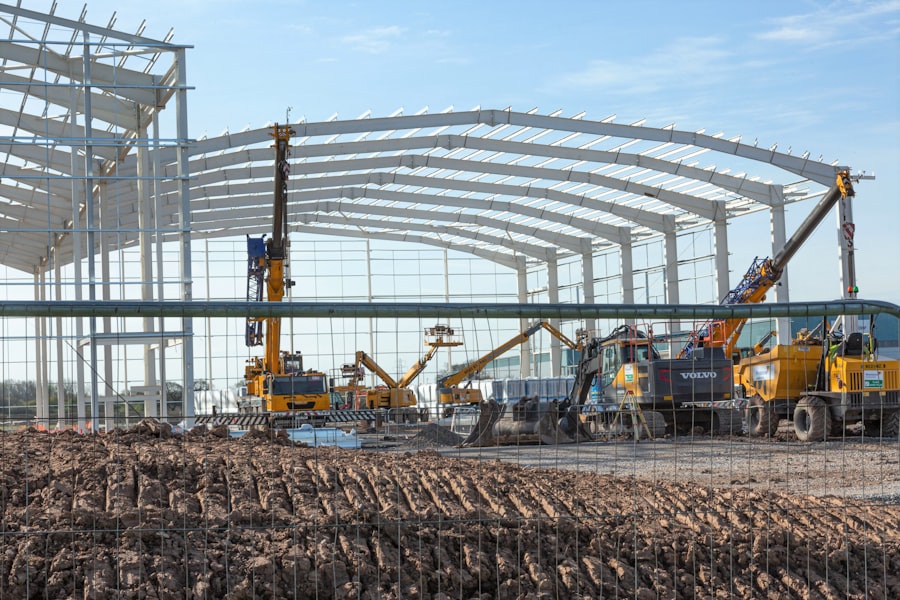
The robustness and inherent strength of steel salvaged from decommissioned vessels make it a versatile material suitable for a wide array of construction applications. From foundational elements to structural components, its use is expanding as the industry recognizes its practical and environmental benefits.
Structural Frameworks and Support Systems
The primary application for recycled ship steel lies in its use for structural frameworks and support systems. This includes beams, columns, and trusses used in the construction of industrial buildings, warehouses, bridges, and even some residential projects. The high tensile strength of ship steel makes it ideal for bearing heavy loads and providing robust support. Its proven ability to withstand significant stress and strain makes it a dependable choice for ensuring the long-term stability and safety of structures.
Foundations and Pilings
The deep-sea environment necessitates exceptionally strong and resilient materials for ship construction. Consequently, the steel used in the hulls of large vessels is exceptionally robust, making it a prime candidate for use in foundations and pilings. These subterranean elements are critical for transferring the load of a structure to the underlying soil or bedrock. The durability and resistance to corrosion found in much of ship steel provide a long-lasting and reliable solution for these essential structural components.
Infrastructure Projects
Recycled ship steel is increasingly being utilized in various infrastructure projects. This can include the construction of robust retaining walls, reinforcing bars for concrete structures, and even components for offshore platforms. The ability of ship steel to withstand corrosive environments, such as saltwater exposure, is particularly beneficial in coastal infrastructure development. Its use in these demanding applications underscores its resilience and long-term performance capabilities.
Urban Redevelopment and Affordable Housing
In urban redevelopment initiatives and the construction of affordable housing, cost-effectiveness is a paramount concern. Repurposing ship steel can offer a more economical alternative to conventional building materials, making these projects more financially feasible. Furthermore, the use of recycled materials aligns with the growing emphasis on sustainable urban development and the creation of eco-friendly living spaces. This approach not only provides structural integrity but also contributes to a more circular economy within the construction sector.
In recent years, the trend of repurposing old ships into construction steel has gained significant attention, highlighting the innovative ways in which we can recycle materials. A fascinating article on this topic can be found at My Geo Quest, which explores various projects that have successfully transformed decommissioned vessels into valuable building resources. This not only helps reduce waste but also preserves a piece of maritime history, showcasing the potential for sustainable practices in the construction industry.
Challenges and Future Prospects for Ship Steel Repurposing
| Ship Name | Year Built | Steel Recycled (tons) | Construction Projects |
|---|---|---|---|
| USS Forrestal | 1952 | 59,000 | 5 |
| SS United States | 1952 | 50,000 | 3 |
| USS Enterprise | 1960 | 47,000 | 4 |
While the repurposing of old ships for construction steel holds immense promise, several challenges need to be addressed to ensure its widespread adoption and long-term success. Overcoming these hurdles will pave the way for a more robust and sustainable circular economy within the construction industry.
Quality Control and Standardization
One of the primary challenges is ensuring consistent quality and standardization of salvaged ship steel. Since ships are built to specific naval standards, the exact metallurgical properties can vary. Establishing rigorous testing protocols and certification processes is crucial to guarantee that the repurposed steel meets the stringent requirements of construction codes and regulations. This involves detailed chemical analysis, mechanical property testing, and independent verification to assure builders and engineers of the material’s reliability for their specific applications.
Regulatory Frameworks and Industry Adoption
The widespread adoption of repurposed ship steel will require the development and implementation of supportive regulatory frameworks. Building codes and standards often need to be updated to explicitly include provisions for the use of recycled ship steel. Furthermore, educating architects, engineers, and contractors about the benefits and proper application of this material is essential to foster greater industry acceptance. Overcoming existing biases towards virgin materials and demonstrating the proven performance of recycled ship steel will be key to broader integration.
Technological Advancements and Innovation
Continued innovation in shipbreaking technology and steel reprocessing techniques will further enhance the viability of repurposing ship steel. Advancements in material identification, sorting, and advanced recycling methods can improve efficiency and reduce costs. Investing in research and development to explore new applications and optimize the use of salvaged ship steel will also be crucial. This includes exploring novel ways to process and modify the steel to meet even more demanding construction specifications, thereby expanding its potential uses.
The Circular Economy and Environmental Stewardship
The long-term outlook for repurposing old ships for construction steel is intrinsically linked to the broader movement towards a circular economy. As societies increasingly prioritize sustainability and resource conservation, the demand for recycled materials is expected to grow. Ship repurposing represents a tangible and impactful example of how industrial waste can be transformed into valuable resources, reducing landfill burden and mitigating the environmental impact of resource extraction. This approach embodies a commitment to environmental stewardship and responsible material management for future generations. The continued evolution of this practice will undoubtedly contribute significantly to a more sustainable built environment.

The Beaches Global Trade Can’t Afford to Lose
FAQs
1. What is the process of turning old ships into construction steel?
The process involves dismantling the old ships and recycling the steel for use in construction. This typically includes cutting the ships into smaller pieces and then melting down the steel to be used in various construction projects.
2. What are the benefits of using old ships for construction steel?
Using old ships for construction steel is beneficial for several reasons. It helps to reduce the demand for new steel production, which in turn reduces the environmental impact of steel manufacturing. Additionally, repurposing old ships for steel helps to conserve natural resources and reduces the amount of waste in landfills.
3. Are there any challenges or considerations when using old ships for construction steel?
One of the main challenges is ensuring that the steel from old ships meets the necessary quality and safety standards for use in construction. Additionally, the process of dismantling and recycling old ships requires careful planning and execution to minimize environmental impact and ensure worker safety.
4. What types of construction projects can benefit from using old ships for steel?
Old ships turned into construction steel can be used in a wide range of construction projects, including building infrastructure, bridges, and high-rise buildings. The recycled steel can also be used in the construction of ships and other marine structures.
5. How does the cost of using old ships for construction steel compare to using new steel?
The cost of using old ships for construction steel can vary depending on factors such as the condition of the ships and the current market demand for steel. In some cases, using recycled steel from old ships can be more cost-effective than using new steel, especially when considering the environmental and sustainability benefits.