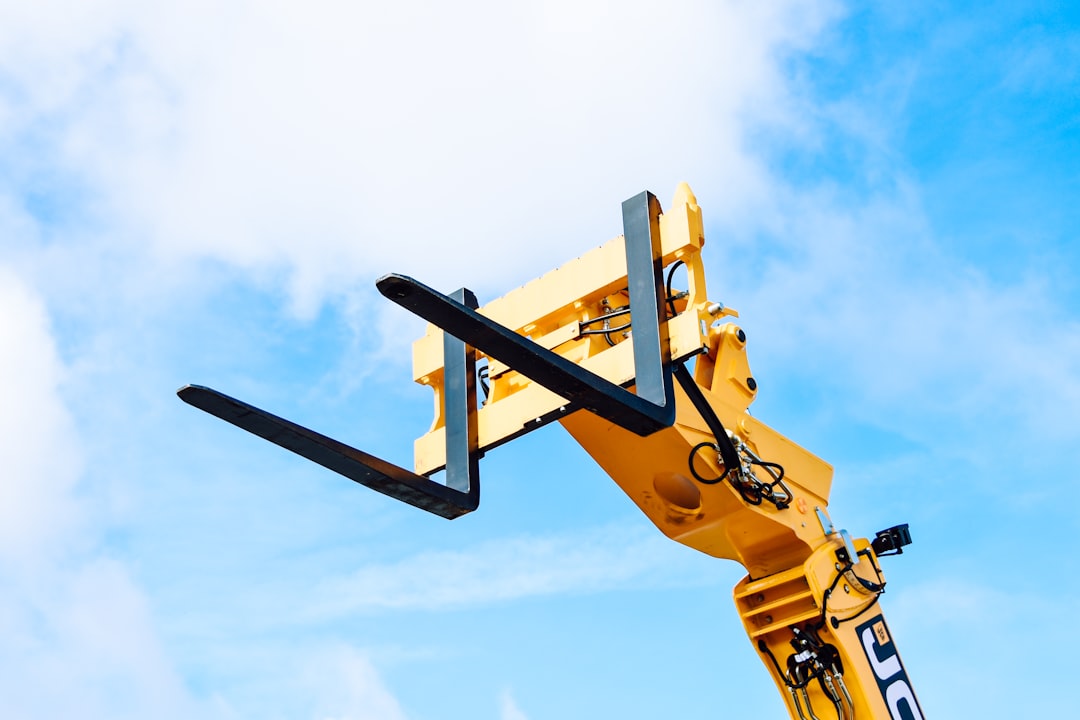
The colossal engines that once propelled mighty vessels across vast oceans, the intricate gears that steered them through treacherous waters, and the robust winches that hoisted heavy cargo – these are the silent titans of maritime history. For decades, these behemoths of iron and steel have been decommissioned, their active service concluded, and their futures uncertain. However, a burgeoning movement is breathing new life into these retired giants, a practice known as repurposing old ship machinery for new uses. This endeavor is not merely about salvaging scrap metal; it is a testament to human ingenuity, a commitment to sustainability, and a fascinating exploration of how the past can powerfully inform the future.
The sheer scale and complexity of ship machinery are awe-inspiring. Built to withstand the relentless forces of nature and the demanding rhythm of global trade, these components represent the pinnacle of engineering prowess of their respective eras. From the rumbling heart of a steam engine to the sophisticated hydraulics of a modern propulsion system, each piece tells a story of innovation, reliability, and immense power.
The Evolution of Ship Power Plants
Understanding the context of ship machinery necessitates a brief look at its historical development. The early days of maritime travel relied on wind power, with sails and masts being the primary means of propulsion. The advent of the steam engine in the 19th century marked a revolutionary shift. These massive, reciprocating engines, often taking up entire decks, converted the energy of burning fuel into rotational motion, allowing ships to travel at speeds and with a reliability previously unimaginable.
Steam Engines: The Titans of the Age of Steam
The sheer volume and robust construction of steam engines made them ideal candidates for repurposing. Their internal components, forged from thick cast iron and steel, possessed an inherent durability. Many were designed with intricate systems of pistons, cylinders, connecting rods, and flywheels, all operating in precise harmony.
Diesel and Electric Propulsion: Modern Marvels
As technology advanced, diesel engines and electric propulsion systems became the norm. These offered greater efficiency and reduced emissions. While often more complex and integrated than their steam predecessors, their core components – turbines, generators, motors, and control systems – still hold significant value and potential for reuse.
The Art of the Shipyard: Where Giants Are Born
Shipyards are cathedrals of industry, where immense structures are meticulously assembled. The machinery installed within them is not an afterthought but a central, often custom-designed, element. The engineering considerations for ship machinery are unique: it must be compact enough to fit within a hull, yet powerful enough to move a vessel weighing thousands of tons; it must be able to operate continuously for extended periods, often in harsh, corrosive environments.
Design Principles for Marine Environments
The design of ship machinery prioritizes robustness, redundancy, and ease of maintenance. Components are often over-engineered to ensure reliability in the face of extreme conditions, such as saltwater corrosion, constant vibration, and the potential for sudden weather changes. This inherent durability is a key factor in their suitability for repurposing.
The Skill of the Shipwright
The skilled artisans who built and maintained this machinery possessed a deep understanding of metalwork, mechanics, and hydraulics. Their craftsmanship ensured that these complex systems operated flawlessly, and this same dedication to precision is often reflected in the machinery itself, making it attractive for reuse.
The fate of machinery from old ships is a topic of growing interest, particularly as the maritime industry seeks sustainable solutions for decommissioned vessels. An insightful article that delves into this subject can be found at My Geo Quest, where it explores the various methods of recycling and repurposing ship machinery, highlighting both environmental impacts and economic opportunities. This resource provides a comprehensive overview of how the industry is addressing the challenges associated with aging maritime equipment.
Unlocking New Potential: Diverse Applications for Retired Marine Giants
The process of repurposing ship machinery is a testament to creative problem-solving. Engineers and designers are finding innovative ways to adapt these powerful, robust components for a wide array of new applications, often in industries far removed from the maritime world. This transformation is driven by a combination of economic, environmental, and practical considerations.
Power Generation: Reimagining the Engine Room
Perhaps the most direct and common repurposing of ship machinery lies in the realm of power generation. The immense power output of marine engines makes them ideal candidates for stationary power plants, especially in regions with a high demand for electricity.
Stationary Power Plants: From Sea to Shore
Large marine diesel engines, once powering cargo ships or tankers, can be meticulously refurbished and installed in land-based facilities. These engines, capable of running for tens of thousands of hours between major overhauls, can provide reliable and consistent power for communities or industrial complexes. The existing robust construction and the availability of spare parts, even if from decommissioned sister ships, contribute to their longevity.
Cogeneration Systems: Maximizing Energy Efficiency
The heat generated as a byproduct of combustion in marine engines can also be harnessed. By integrating these engines into cogeneration systems, the waste heat can be used to produce steam for industrial processes or for heating buildings. This “combined heat and power” approach significantly increases overall energy efficiency, making these repurposed engines an even more attractive sustainable energy solution.
Emergency Backup Power: A Reliable Safety Net
The inherent reliability of well-maintained marine engines makes them excellent choices for emergency backup power. In critical facilities such as hospitals, data centers, or disaster relief operations, a dependable source of power during an outage is paramount. Repurposed marine generators can provide this vital service, ensuring continuity and safety.
Industrial Machinery: Adapting for Land-Based Operations
Beyond power generation, the individual components of ship machinery can be adapted for a surprising range of industrial uses. The sheer strength and precise engineering of these parts lend themselves to heavy-duty applications on land.
Cranes and Lifting Equipment: Leveraging Hoisting Power
Marine cranes, winches, and their associated hydraulic or electric systems are prime candidates for repurposing. These systems, designed to lift massive loads in challenging sea conditions, can be adapted for use in construction sites, shipyards on land, or heavy manufacturing facilities. Their robust design ensures they can handle significant weight and repetitive operations.
Pumping Systems: Maintaining Flow and Pressure
The powerful pumps used to manage ballast, bilge water, or fuel on ships can be repurposed for various industrial fluid handling applications. They can be integrated into water treatment plants, irrigation systems, or even for specialized manufacturing processes requiring high flow rates or pressure.
Gearboxes and Drive Systems: Transmitting Force with Precision
The complex gearboxes and drive systems that connect ship engines to propellers are marvels of mechanical engineering. These can be adapted for use in heavy-duty industrial machinery, such as conveyor belt systems, crushing equipment, or large-scale mixing apparatus, where precise torque transmission and durability are essential.
Artistic and Architectural Applications: Sculpting with Steel
The aesthetic appeal of industrial machinery is increasingly being recognized, leading to its incorporation into art installations and architectural designs. The raw power and intricate details of ship components can create striking visual statements.
Sculptural Installations: Art from the Age of Steam
Large, decommissioned marine engines, or sections thereof, can be transformed into monumental sculptures. Their imposing presence and the patina of age can evoke a sense of history and industrial heritage, finding a place in public spaces or art galleries.
Architectural Features: Incorporating Industrial Heritage
Elements like large gears, propellers, or even parts of engine casings can be integrated into building designs, creating unique architectural features. They can serve as decorative elements, structural components, or even functional parts of a building’s infrastructure, adding a distinct industrial character.
The Engineering Behind the Transformation: From Decommissioned to Operational
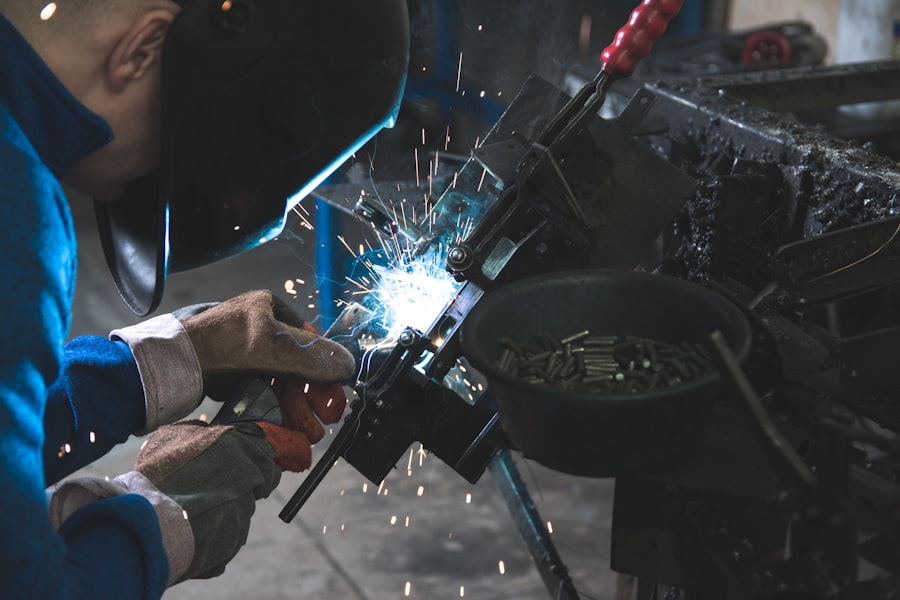
The process of repurposing old ship machinery is far from a simple matter of towing an engine onto land and plugging it in. It involves a complex and multi-faceted engineering undertaking that requires meticulous planning, specialized knowledge, and often, significant modifications.
Decommissioning and Dismantling: The Careful Unveiling
The first step in repurposing is the safe and efficient decommissioning of the vessel. This involves carefully removing the machinery from its maritime context, a process that itself requires specialized heavy-lift equipment and expertise.
Hull Integrity and Access: Navigating the Vessel’s End
Before any machinery can be extracted, the overall integrity of the vessel must be assessed. Safety protocols are paramount during the dismantling process to prevent accidents and environmental contamination. Accessing the machinery, especially in older or larger ships, can be a significant logistical challenge.
Component Identification and Cataloging: Knowing What You Have
Once the machinery is accessible, each component is meticulously identified, cataloged, and assessed for its condition and potential for reuse. This involves detailed inspections, material analysis, and documentation of all critical parameters.
Refurbishment and Rebuilding: Restoring and Enhancing Functionality
Once extracted, the machinery undergoes a rigorous refurbishment process to restore it to operational condition and, in many cases, to adapt it for its new purpose.
Cleaning and Inspection: Revealing the True State
The initial stages involve thorough cleaning to remove decades of accumulated grime, oil, and corrosion. This is followed by detailed inspections using non-destructive testing methods to identify any hidden cracks, wear, or damage.
Repair and Replacement of Worn Components: Bringing it Back to Life
Any worn or damaged parts are repaired or replaced. This can involve specialized machining, welding, or the fabrication of new components based on original specifications or design modifications.
Material Testing and Analysis: Ensuring Structural Integrity
The materials used in ship machinery are typically of high quality. However, prolonged exposure to the marine environment can lead to degradation. Material testing and analysis are crucial to ensure that the metals and alloys can withstand the stresses of their new operational environment.
Adaptation and Integration: Tailoring for the New Role
The machinery is rarely a direct plug-and-play solution for its new application. Significant adaptation and integration are often required to ensure seamless operation within its new context.
System Modifications: Enhancing Efficiency and Control
Engine control systems, fuel delivery systems, and lubrication systems may need to be modified to optimize performance for stationary operation or to meet specific industrial requirements. This might involve upgrading control electronics, replacing fuel injectors, or modifying cooling systems.
Foundation and Mounting: Securing the Giant
The massive weight and operational forces of ship machinery require robust foundations and secure mounting systems. Engineers must design and construct appropriate concrete bases or steel frames to safely support the machinery in its new, static location.
Ancillary Systems Integration: The Supporting Cast
Repurposed machinery often requires new ancillary systems, such as cooling towers, exhaust stacks, electrical switchgear, and water treatment units. These must be carefully integrated with the main machinery to ensure efficient and safe operation.
The Environmental and Economic Imperative: Sustainability in Action

The repurposing of old ship machinery is deeply intertwined with the principles of sustainability and resource conservation. It offers a compelling alternative to the traditional cycle of dismantling and recycling, providing both environmental and economic benefits.
Reducing Waste and Conserving Resources: A Circular Economy Approach
The maritime industry, like many heavy industries, generates significant amounts of waste when vessels are decommissioned. Repurposing diverts these large, complex components from landfills or the scrap heap, extending their useful life and reducing the demand for virgin materials.
Avoiding Landfill Burden: Giving Metal a Second Life
The sheer mass of ship machinery means that without repurposing, it would contribute significantly to landfill waste. By finding new applications, these components are kept in active service, lessening the environmental impact associated with disposal.
Conserving Raw Materials: Less Mining, Less Processing
The manufacturing of new heavy-duty industrial machinery requires vast amounts of raw materials like iron ore, coal, and bauxite. Repurposing existing, high-quality components reduces the need for new extraction and processing, thereby conserving natural resources and reducing the associated energy consumption and pollution.
Economic Advantages: Cost Savings and New Opportunities
Repurposing can offer significant economic advantages over purchasing entirely new equipment. It also fosters new economic opportunities within specialized engineering and refurbishment sectors.
Cost-Effectiveness: A Smarter Investment
Purchasing and refurbishing used marine engines or components is often considerably cheaper than acquiring new, equivalent industrial machinery. This cost saving can be particularly attractive for developing nations or organizations with budget constraints.
Creating Specialized Industries: Jobs in Revitalization
The process of decommissioning, transporting, refurbishing, and integrating old ship machinery creates demand for specialized skills and services. This can lead to the growth of niche industries focused on maritime asset reclamation and industrial repurposing.
Extending Asset Lifespan: Maximizing Value
By extending the operational life of these robust machines, their full economic value is maximized. Instead of being scrapped after their initial service, they continue to contribute to economic activity for many more years.
Driving Innovation: Pushing the Boundaries of Engineering
The challenges inherent in adapting large, complex, and often aging machinery for new purposes can spur innovation in engineering and design.
Problem-Solving for Specific Applications: Tailored Solutions
Engineers are constantly developing creative solutions to integrate these powerful components into diverse industrial settings. This involves developing new mounting techniques, control strategies, and safety protocols.
Advancements in Refurbishment Techniques: Keeping Pace with Technology
The need to restore and enhance the performance of these machines drives advancements in refurbishment techniques, including new welding methods, precision machining, and diagnostic technologies.
The fate of machinery from old ships often raises questions about sustainability and recycling in the maritime industry. Many components, once deemed obsolete, can be repurposed or recycled, contributing to a circular economy. For a deeper understanding of this topic, you can explore a related article that discusses the various methods of handling ship machinery and the environmental implications involved. To read more about this, check out this insightful piece on ship machinery recycling.
Challenges and Considerations: Navigating the Path to Repurposing
“`html
| Issue | Impact |
|---|---|
| Rust and corrosion | Reduces efficiency and lifespan of machinery |
| Wear and tear | Leads to breakdowns and malfunctions |
| Obsolete technology | Difficulty in finding replacement parts |
| Environmental hazards | Potential leakage of hazardous materials |
“`
While the practice of repurposing old ship machinery is rife with potential, it is not without its challenges. Careful planning, regulatory compliance, and a thorough understanding of the associated risks are essential for successful implementation.
Logistical Hurdles: The Sheer Scale of the Operation
Moving and handling these massive components presents significant logistical challenges.
Transportation: From Port to Plant
The sheer size and weight of components like marine engines require specialized transport solutions, including heavy-lift barges, oversized road transport, and the potential need for custom-built infrastructure like reinforced roads or temporary bridges.
Site Preparation: A Foundation for Giants
Ensuring adequate space and preparing suitable foundations at the destination site can be a complex and costly undertaking, especially when dealing with very large or multiple components.
Regulatory and Certification Complexities: Meeting New Standards
Machinery designed for maritime use must meet specific international maritime regulations. When repurposed for land-based applications, it must comply with a different set of national and industry-specific standards.
Compliance with Land-Based Standards: A New Rulebook
Navigating the labyrinth of different national and international standards for industrial machinery, safety, and environmental emissions can be a complex and time-consuming process.
Certification and Approval: Proving Performance and Safety
Obtaining the necessary certifications and approvals from regulatory bodies is crucial to ensure the safety and reliability of the repurposed machinery in its new operational context. This often requires extensive testing and documentation.
Expertise and Skill Requirements: The Need for Specialized Knowledge
The successful repurposing of ship machinery demands a high level of specialized engineering and technical expertise.
Mechanical and Electrical Engineering Acumen: Bridging the Gap
Engineers must possess a deep understanding of both marine and industrial mechanical and electrical systems, as well as the ability to bridge any technological gaps or differences in standards.
Skilled Trades: The Hands-On Execution
A skilled workforce of welders, machinists, electricians, and technicians is essential for the hands-on work of dismantling, refurbishing, and integrating these complex components.
Environmental and Safety Risks: Mitigating Potential Hazards
While repurposing is inherently sustainable, the process itself must be managed to mitigate potential environmental and safety risks.
Hazardous Materials: Dealing with Legacy Contaminants
Older vessels may contain hazardous materials such as asbestos, lead-based paints, or residual oils and fuels. Their safe removal and disposal are critical.
Operational Safety: Ensuring a Secure Working Environment
The operation of large, powerful machinery, even in a stationary setting, carries inherent safety risks. Robust safety protocols, comprehensive training, and the implementation of appropriate safety features are paramount.
The Future of Repurposing: A Growing Trend in a Sustainable World
The repurposing of old ship machinery is more than just a passing trend; it is a growing movement that reflects a broader societal shift towards sustainability, resource efficiency, and innovative industrial practices. As global demand for energy and industrial output continues to rise, and as the imperative to reduce environmental impact intensifies, the value and feasibility of giving retired maritime giants a second life will only continue to grow.
Technological Advancements Driving Further Repurposing
As technology advances, the ability to adapt and integrate complex machinery will improve. Innovations in areas such as advanced diagnostics, remote monitoring, and additive manufacturing (3D printing) will further streamline the refurbishment and customization processes.
Smart Technologies and IoT: Enhanced Monitoring and Control
The integration of Internet of Things (IoT) sensors and smart control systems can enable more efficient operation, predictive maintenance, and remote monitoring of repurposed machinery, further enhancing their reliability and lifespan.
Advanced Materials and Fabrication: Precision and Durability
Developments in material science and advanced fabrication techniques will allow for more precise repairs, upgrades, and even the creation of entirely new components tailored to the specific needs of the repurposed machinery.
Policy and Regulatory Support: Encouraging the Circular Economy
Governments and international bodies are increasingly recognizing the importance of the circular economy. Policies that incentivize the repurposing of industrial assets, streamline regulatory processes for used equipment, and support the development of specialized industries will play a crucial role in accelerating this trend.
Incentives for Reuse: Financial and Regulatory Benefits
Governments can offer tax incentives, grants, or preferential procurement policies for projects that utilize repurposed industrial machinery, making it a more economically attractive option.
Standardized Frameworks: Facilitating Cross-Border Repurposing
The development of standardized frameworks and certifications for repurposed machinery could facilitate its adoption across different countries and industries, fostering greater international trade in these assets.
A Testament to Ingenuity and a Sustainable Future
The repurposing of old ship machinery stands as a powerful testament to human ingenuity and our capacity to adapt and innovate. It demonstrates that even the most imposing and seemingly obsolete pieces of industrial heritage can be transformed into valuable assets, contributing to a more sustainable and resource-efficient future. From powering communities to shaping our urban landscapes, these retired leviathans of the sea are embarking on new voyages, proving that the end of one journey can indeed be the exciting beginning of another. The clang of hammers and the hum of revived engines will continue to echo, not as echoes of the past, but as the vibrant pulse of a resourceful and forward-thinking present.

The Beaches Global Trade Can’t Afford to Lose
FAQs
1. What happens to machinery from old ships?
The machinery from old ships is often salvaged and recycled for various purposes.
2. How is the machinery salvaged from old ships?
Salvaging machinery from old ships involves carefully dismantling and removing the equipment from the vessel.
3. What is the process of recycling machinery from old ships?
Once salvaged, the machinery is often refurbished, repurposed, or recycled for use in other industries or sold as scrap metal.
4. Are there any regulations or guidelines for salvaging machinery from old ships?
Yes, there are international regulations and guidelines, such as the Hong Kong International Convention for the Safe and Environmentally Sound Recycling of Ships, that govern the environmentally responsible dismantling and recycling of old ships and their machinery.
5. What are the environmental impacts of salvaging machinery from old ships?
The salvaging and recycling of machinery from old ships can have both positive and negative environmental impacts, depending on the methods used. Proper recycling can reduce waste and promote sustainability, while improper methods can lead to pollution and environmental damage.