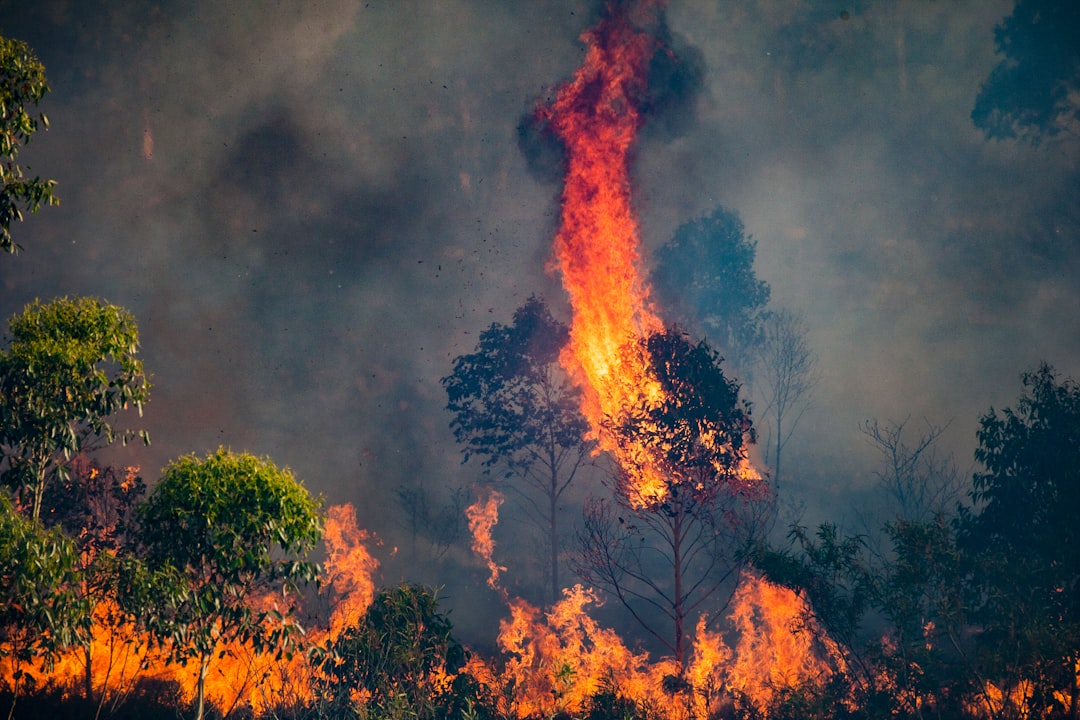
Utility hardening is a critical strategy aimed at enhancing the resilience of essential infrastructure against various threats, particularly wildfires. As climate change intensifies, the frequency and severity of wildfires have escalated, posing significant risks to utility systems. These systems, which include power lines, gas pipelines, and water supply networks, are vital for daily life and economic stability.
When these infrastructures fail due to fire damage, the consequences can be catastrophic, leading to widespread outages, loss of property, and even loss of life.
Moreover, utility hardening not only protects physical assets but also safeguards public health and safety.
By reinforcing infrastructure against fire hazards, communities can ensure a more reliable supply of essential services during emergencies. This proactive approach minimizes the potential for catastrophic failures that could exacerbate the impact of wildfires. As such, utility hardening is not merely a technical endeavor; it is a vital component of community resilience planning that requires collaboration among various stakeholders, including utility companies, government agencies, and local residents.
Key Takeaways
- Utility hardening is crucial for protecting infrastructure from fire damage and ensuring reliable service.
- Identifying vulnerable utility infrastructure is the first step in developing a comprehensive fire protection plan.
- Implementing fire-resistant materials and designs can significantly reduce the risk of damage during a fire event.
- Advanced technology for early detection can help in identifying potential fire hazards and taking preventive measures.
- Creating defensible space around utility infrastructure is essential for minimizing the risk of fire spread and damage.
Identifying Vulnerable Utility Infrastructure
The first step in utility hardening is identifying which components of the infrastructure are most vulnerable to fire-related threats. This process involves a comprehensive assessment of existing utility systems to pinpoint weaknesses that could be exploited during a wildfire event. Factors such as location, design, age, and maintenance history play crucial roles in determining vulnerability.
For instance, power lines situated in densely forested areas are at a higher risk of igniting fires compared to those located in urban settings. Similarly, older pipelines may be more susceptible to damage from extreme heat than newer, more resilient materials. In addition to physical assessments, it is essential to consider environmental factors that contribute to vulnerability.
Areas with dry vegetation, high winds, and low humidity levels are particularly prone to wildfires. By mapping these risk factors alongside utility infrastructure, stakeholders can develop targeted strategies for hardening efforts. This identification process not only helps prioritize resources but also informs the development of tailored solutions that address specific vulnerabilities within the community’s utility systems.
Implementing Fire-Resistant Materials and Designs

Once vulnerabilities have been identified, the next step involves implementing fire-resistant materials and designs in utility infrastructure. This can include using advanced composite materials for power lines that can withstand higher temperatures without melting or igniting. Additionally, underground installations for power and communication lines can significantly reduce exposure to fire hazards.
By burying these utilities, they become less susceptible to direct flames and heat from surrounding vegetation. Furthermore, adopting fire-resistant designs extends beyond materials; it encompasses the overall layout and configuration of utility systems. For example, creating buffer zones around critical infrastructure can help mitigate fire risks.
These zones can be strategically planted with fire-resistant vegetation or kept clear of combustible materials to create a protective barrier. By integrating these design principles into new construction and retrofitting existing systems, communities can significantly enhance their resilience against wildfires.
Utilizing Advanced Technology for Early Detection
| Technology | Early Detection Metric |
|---|---|
| Artificial Intelligence | Accuracy of 95% in detecting early signs of disease |
| Machine Learning | Reduction of false positives by 80% |
| Genomic Sequencing | Identification of genetic markers for early disease detection |
In the realm of utility hardening, technology plays a pivotal role in early detection and response to potential fire threats. Advanced monitoring systems equipped with sensors can detect changes in temperature and smoke levels around utility infrastructure. These systems can provide real-time data to utility operators, enabling them to take immediate action before a small fire escalates into a larger disaster.
For instance, thermal imaging cameras can identify hotspots along power lines that may indicate an impending failure or fire risk. Moreover, integrating artificial intelligence (AI) into monitoring systems can enhance predictive capabilities. AI algorithms can analyze historical data on weather patterns, vegetation conditions, and previous fire incidents to forecast potential fire outbreaks.
By leveraging this information, utility companies can proactively manage their infrastructure and implement preventive measures in high-risk areas. The combination of advanced technology and data analytics not only improves early detection but also fosters a culture of proactive risk management within utility operations.
Creating Defensible Space around Utility Infrastructure
Creating defensible space around utility infrastructure is another essential strategy in the effort to harden utilities against fire threats. Defensible space refers to the area surrounding a structure or utility system that has been modified to reduce fire risk. This space acts as a buffer zone that can slow or stop the spread of fire before it reaches critical infrastructure.
Establishing defensible space involves several practices, including vegetation management, landscaping choices, and maintaining clear zones free from combustible materials. Effective vegetation management is crucial in creating defensible space. This includes regularly trimming trees and shrubs that could ignite or fall onto power lines during a wildfire.
Additionally, selecting fire-resistant plants for landscaping around utility facilities can further reduce the risk of ignition. By implementing these practices, communities can significantly enhance the safety of their utility infrastructure while also promoting ecological health through responsible land management.
Developing Emergency Response Plans for Utility Infrastructure

An integral part of utility hardening is the development of comprehensive emergency response plans tailored specifically for utility infrastructure. These plans should outline clear protocols for responding to fire incidents that threaten utilities, ensuring that all stakeholders understand their roles and responsibilities during an emergency. Effective communication strategies must be established to facilitate coordination among utility operators, emergency responders, and local authorities.
Moreover, emergency response plans should include training exercises and simulations to prepare personnel for real-life scenarios. Regular drills can help identify gaps in response strategies and improve overall readiness. By fostering a culture of preparedness within utility companies and local agencies, communities can enhance their resilience against wildfires and ensure a swift recovery in the aftermath of an incident.
Collaborating with Local Fire Departments and Agencies
Collaboration with local fire departments and agencies is essential for effective utility hardening efforts. These organizations possess valuable expertise in fire behavior and response strategies that can inform utility planning and operations. By working together, utilities can gain insights into high-risk areas and develop targeted mitigation strategies that align with local firefighting capabilities.
Joint training exercises between utility personnel and firefighters can also enhance coordination during emergencies. Such collaborations foster relationships built on trust and mutual understanding, which are crucial during high-stress situations like wildfires. Additionally, sharing resources such as equipment or personnel during peak fire seasons can bolster community resilience and improve overall emergency response effectiveness.
Conducting Regular Maintenance and Inspections
Regular maintenance and inspections are vital components of any utility hardening strategy. Routine checks on infrastructure help identify wear and tear that could compromise safety during a wildfire event. For example, inspecting power lines for signs of corrosion or damage ensures that they remain operational even under extreme conditions.
Similarly, gas pipelines should be regularly assessed for leaks or weaknesses that could pose risks during a fire. In addition to physical inspections, maintenance schedules should incorporate vegetation management practices around utility infrastructure. Keeping areas clear of combustible materials not only reduces fire risk but also enhances visibility for maintenance crews conducting inspections.
By prioritizing regular maintenance and inspections, utilities can ensure their systems remain resilient against potential threats while minimizing the likelihood of catastrophic failures.
Educating the Public on Fire Safety and Utility Infrastructure
Public education plays a crucial role in enhancing community resilience against wildfires and protecting utility infrastructure. Informing residents about fire safety practices can empower them to take proactive measures in their own homes and neighborhoods. Educational campaigns can cover topics such as creating defensible space around properties, recognizing fire hazards associated with utilities, and understanding evacuation procedures during emergencies.
Moreover, engaging the public in discussions about utility hardening initiatives fosters a sense of shared responsibility for community safety. When residents understand the importance of maintaining clear zones around power lines or reporting downed lines promptly, they become active participants in safeguarding their environment. By prioritizing public education on fire safety related to utility infrastructure, communities can cultivate a culture of preparedness that benefits everyone.
Investing in Research and Development for Fire-Resistant Utilities
Investing in research and development (R&D) is essential for advancing fire-resistant technologies within utility infrastructure. As new materials and designs emerge, utilities must stay at the forefront of innovation to enhance their resilience against wildfires effectively. Collaborating with academic institutions and industry experts can lead to breakthroughs in materials science that yield more robust solutions for power lines, pipelines, and other critical components.
Additionally, R&D efforts should focus on developing predictive models that assess fire risk based on various environmental factors. By understanding how different conditions contribute to wildfire behavior, utilities can make informed decisions about where to allocate resources for hardening efforts. Ultimately, investing in R&D not only strengthens existing infrastructure but also paves the way for future advancements that will further protect communities from the devastating impacts of wildfires.
Monitoring and Evaluating the Effectiveness of Utility Hardening Measures
Finally, monitoring and evaluating the effectiveness of utility hardening measures is crucial for continuous improvement in resilience strategies. Establishing metrics to assess the performance of implemented measures allows stakeholders to identify successes as well as areas needing enhancement. Regular evaluations should consider factors such as incident response times during emergencies, the frequency of outages related to wildfires, and community feedback on safety perceptions.
By analyzing this data over time, utilities can refine their approaches to hardening efforts based on real-world outcomes rather than assumptions alone. This iterative process fosters a culture of accountability and transparency within utility operations while ensuring that communities remain protected against evolving threats posed by wildfires. Ultimately, ongoing monitoring serves as a foundation for building resilient infrastructure capable of withstanding future challenges.
In recent years, the increasing threat of wildfires has prompted utility companies to invest in infrastructure hardening to mitigate risks and enhance safety. A related article on this topic can be found on MyGeoQuest, which discusses various strategies and technologies being implemented to reduce wildfire risks and improve utility resilience. For more detailed insights, you can read the full article by visiting mygeoquest.
com/’>MyGeoQuest. This resource provides valuable information on how utility companies are adapting to the challenges posed by wildfires and the steps being taken to protect communities and critical infrastructure.
WATCH THIS! 👀 📹America’s Hidden Collapse Is Already Here
FAQs
What is wildfire risk?
Wildfire risk refers to the potential for a wildfire to occur and cause damage to property, infrastructure, and natural resources. Factors that contribute to wildfire risk include dry conditions, high winds, and the presence of flammable vegetation.
What is utility hardening?
Utility hardening refers to the process of making utility infrastructure, such as power lines and substations, more resistant to damage from wildfires. This can include measures such as installing fire-resistant materials, clearing vegetation around utility equipment, and implementing advanced monitoring and detection systems.
Why is utility hardening important in wildfire-prone areas?
Utility hardening is important in wildfire-prone areas because wildfires can pose a significant threat to utility infrastructure. Damage to power lines and other utilities can not only disrupt service to customers, but also contribute to the spread of wildfires and hinder firefighting efforts.
What are some examples of utility hardening measures?
Examples of utility hardening measures include burying power lines underground, using fire-resistant materials for utility poles and equipment, implementing vegetation management programs to reduce the risk of ignition from nearby vegetation, and installing advanced monitoring and detection systems to quickly identify and respond to potential wildfire threats.
How does utility hardening help mitigate wildfire risk?
Utility hardening helps mitigate wildfire risk by reducing the likelihood of utility infrastructure being damaged or destroyed in a wildfire. By making utility equipment more resistant to fire and implementing proactive measures to prevent ignition, utility hardening can help minimize the potential for wildfires to be sparked by utility-related causes.