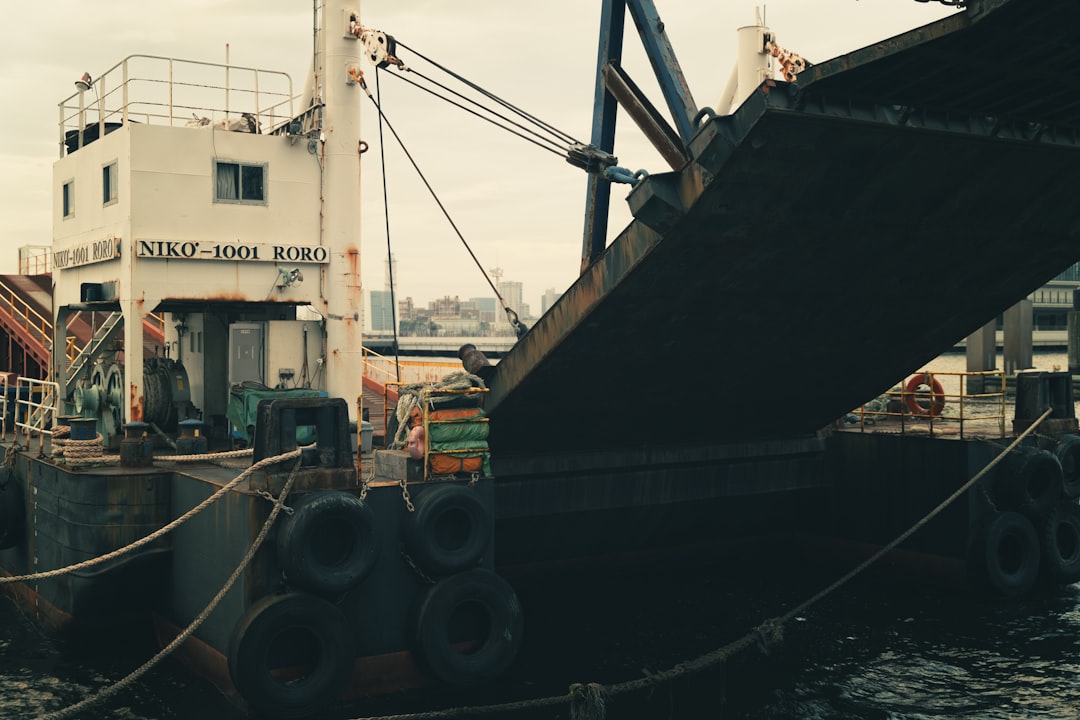
Recycling ship steel represents a significant and increasingly vital facet of sustainable industrial practices. As the global maritime industry continues to expand, so does the inevitable decommissioning of aging vessels. These colossal structures, once symbols of trade and exploration, become substantial sources of valuable raw materials when their operational life concludes. The process of recycling these ships, often referred to as shipbreaking or ship recycling, is far from a simple demolition; it is a complex operation that, when conducted responsibly, offers a sustainable solution to material scarcity, environmental pollution, and hazardous waste. This article will delve into the multifaceted aspects of recycling ship steel, exploring its environmental benefits, economic advantages, technological advancements, regulatory frameworks, and the challenges that still need to be addressed to ensure truly sustainable practices.
The environmental benefits of recycling ship steel are profound and far-reaching. Ships are constructed from enormous quantities of steel, and their end-of-life disposal has historically posed significant environmental challenges. Without proper recycling, these hulking vessels would contribute to landfill waste, potentially leaching harmful substances into the soil and water. The process of extracting virgin steel is also an energy-intensive and environmentally impactful endeavor, involving mining, transportation, and smelting, all of which generate considerable greenhouse gas emissions and habitat destruction. Recycling ship steel directly mitigates these negative impacts.
Reducing Greenhouse Gas Emissions
The production of new steel from iron ore is a major contributor to global carbon dioxide (CO2) emissions. The high temperatures required for smelting iron ore, coupled with the chemical reactions involved, release vast amounts of CO2 into the atmosphere. By contrast, recycling steel requires significantly less energy. Electric arc furnaces, commonly used in steel recycling, consume substantially less energy than blast furnaces used for virgin steel production. Studies have shown that recycling steel can reduce CO2 emissions by as much as 75% compared to producing steel from raw materials. When applied to the massive quantities of steel found in decommissioned ships, the potential for emission reduction is substantial, playing a crucial role in combating climate change.
The Energy Savings Equation
The energy savings associated with recycling steel are a cornerstone of its environmental advantage. Extracting and processing iron ore involves multiple stages, each demanding significant energy inputs. Mining operations require heavy machinery, transportation of ore to processing plants utilizes fuel-intensive vehicles, and the smelting process itself is one of the most energy-demanding industrial processes globally. Recycling steel, on the other hand, begins with already processed metal. While some energy is still required for shredding, sorting, and melting, the overall energy footprint is dramatically reduced. This reduction in energy consumption translates directly into fewer fossil fuels being burned, thereby lowering the demand for energy generation from non-renewable sources.
Minimizing Air Pollution
Beyond CO2 emissions, the production of virgin steel also releases other harmful pollutants into the air, including sulfur dioxide (SO2) and nitrogen oxides (NOx). These pollutants contribute to acid rain, respiratory problems, and other environmental and health issues. Steel recycling processes, when properly managed, can significantly reduce the emission of these pollutants. Modern recycling facilities employ advanced pollution control technologies to capture and neutralize harmful gases, ensuring cleaner air for surrounding communities.
Conserving Natural Resources
The Earth’s resources are finite, and the continuous extraction of raw materials for industrial purposes is unsustainable in the long term. Recycling ship steel directly contributes to resource conservation by reducing the demand for virgin iron ore and other raw materials used in steel production. This lessens the pressure on mining operations, which often have significant environmental impacts, including habitat destruction, soil erosion, and water contamination.
Preserving Iron Ore Reserves
Iron ore is a primary component of steel. The global supply of high-grade iron ore is not inexhaustible. By recycling steel from ships, we are effectively reclaiming a valuable resource that would otherwise be lost or buried in landfills. This conserves the remaining iron ore reserves for future generations and reduces the environmental footprint associated with mining activities.
Reducing Landfill Burden
Decommissioned ships are massive entities, and their components, if not recycled, would occupy vast amounts of landfill space. This is particularly problematic for materials like steel, which are recyclable and can be reintroduced into the manufacturing cycle. Ship recycling diverts these materials from landfills, alleviating pressure on waste management systems and preventing potential soil and groundwater contamination.
Preventing Marine Pollution
The act of shipbreaking, when conducted improperly, can lead to severe marine pollution. Historically, many shipbreaking yards operated with minimal environmental oversight, leading to the dumping of hazardous waste, oil spills, and the release of toxic substances directly into coastal waters. This pollutes marine ecosystems, harms aquatic life, and can have long-term detrimental effects on biodiversity and human health. Responsible ship steel recycling, conversely, is designed to prevent such pollution.
Hazardous Waste Management
Ships, particularly older ones, can contain hazardous materials such as asbestos, PCBs, and heavy metals. Responsible ship recycling involves rigorous procedures for identifying, containing, and safely disposing of these hazardous wastes. This prevents them from entering the environment and causing irreversible damage to ecosystems and human health.
Containing Oil and Fuel Spills
Before dismantling, ships are drained of their fuel, oil, and other potentially hazardous liquids. Professional ship recycling facilities have protocols in place to ensure these liquids are collected and managed responsibly, preventing spills that could devastate marine environments.
The process of recycling ship steel is an essential aspect of sustainable maritime practices, as it helps reduce waste and conserve resources. For a deeper understanding of this topic, you can explore the article that discusses the various methods and technologies involved in ship steel recycling, as well as its environmental benefits. To read more about this, visit this article.
Economic Benefits of Ship Steel Recycling
Beyond its environmental advantages, recycling ship steel also presents compelling economic benefits. The steel recovered from decommissioned vessels is a valuable commodity that can be sold to steel mills for reuse, generating revenue and creating jobs. This circular economy model fosters economic growth while simultaneously promoting sustainability.
Creating Value from Waste
What was once considered waste is transformed into a valuable raw material. The sheer volume of steel in a single large vessel represents a significant economic asset. By recycling this steel, shipyards and recycling companies can generate substantial revenue streams, making the process economically viable and attractive.
Market Demand for Recycled Steel
There is a consistent and growing global demand for steel. Recycled steel, often referred to as “scrap steel,” is a crucial input for many steel mills. Its availability reduces the reliance on more expensive virgin materials, making steel production more cost-effective. This demand ensures a market for the steel recovered from ship recycling.
Cost Savings for Steel Manufacturers
Steel manufacturers can achieve significant cost savings by incorporating recycled steel into their production processes. The energy savings mentioned earlier translate into lower operational costs. Furthermore, the cost of acquiring scrap steel is often lower than sourcing and processing iron ore, leading to more competitive pricing for finished steel products.
Job Creation and Economic Development
Ship recycling operations, when conducted in properly regulated environments, are labor-intensive. They require skilled workers for dismantling, sorting, material handling, and environmental management. This creates employment opportunities, particularly in coastal communities where shipyards are often located.
Skilled Labor Requirements
The dismantling of a ship is a complex engineering task. It requires welders, mechanics, crane operators, safety inspectors, and environmental technicians. These jobs often demand specialized skills and training, contributing to the development of a skilled workforce.
Regional Economic Impact
Ship recycling facilities can become significant economic engines for their regions. They generate local employment, stimulate demand for ancillary services (transportation, equipment, supplies), and contribute to tax revenues. This can revitalize communities that might otherwise struggle with economic stagnation.
Promoting a Circular Economy
The concept of a circular economy, where resources are kept in use for as long as possible, is gaining traction globally. Ship steel recycling is a prime example of this principle in action. By closing the loop on the lifecycle of steel, we reduce waste, conserve resources, and create a more sustainable economic model.
Resource Efficiency
A circular economy emphasizes resource efficiency. Instead of a linear “take-make-dispose” model, it aims to maximize the value derived from materials. Recycling ship steel exemplifies this by giving materials a second, third, or even fourth life.
Reduced Reliance on Virgin Resources
By embracing circular economy principles like ship steel recycling, economies can reduce their dependence on imported or domestically mined virgin resources. This can enhance national resource security and resilience.
Technological Advancements in Ship Steel Recycling
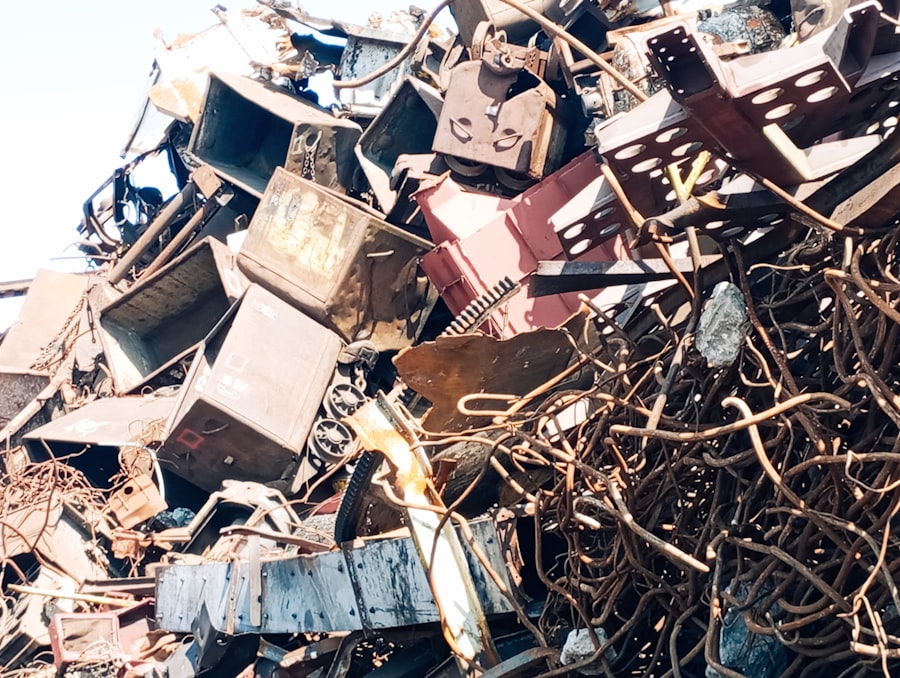
The process of ship steel recycling has evolved significantly over the years, driven by technological advancements aimed at improving efficiency, safety, and environmental protection. Modern ship recycling facilities employ sophisticated machinery and techniques to handle these massive structures responsibly.
Advanced Dismantling Techniques
Gone are the days of simply torch-cutting entire sections haphazardly. Modern ship recycling utilizes precise cutting techniques and specialized equipment for efficient and safe dismantling.
Robotic Cutting and Demolition
The introduction of robotic cutting systems allows for more accurate and controlled dismantling of steel structures. These robots can be programmed to follow specific paths, minimizing waste and ensuring that valuable materials are recovered efficiently. They also enhance safety by keeping human workers at a distance from hazardous operations.
Underwater Cutting and Salvage
For components that are difficult to access above water, specialized underwater cutting and salvage techniques are employed. These methods are crucial for recovering materials from submerged sections of a ship or for salvaging valuable components before the main hull is brought ashore.
Improved Sorting and Separation Technologies
Once the ship is dismantled, the various materials need to be meticulously sorted and separated for efficient recycling. Advances in sorting technologies have made this process more effective.
Magnetic Separation
Magnets are widely used to separate ferrous metals (like steel) from non-ferrous metals and other materials. This is a fundamental and highly effective method for recovering steel from the mixed debris of a dismantled ship.
Optical Sorting and X-ray Fluorescence
For more complex sorting needs, optical sorting systems can identify materials based on their color, shape, and texture. X-ray fluorescence (XRF) analysis can identify the elemental composition of materials, aiding in the precise separation of different metal alloys and the detection of hazardous substances.
Enhanced Environmental Monitoring and Control Systems
Modern ship recycling facilities are equipped with advanced systems to monitor and control their environmental impact. These systems are crucial for ensuring compliance with regulations and for minimizing pollution.
Air Quality Monitoring
Real-time monitoring of air quality around the recycling yard helps to detect and address any potential release of pollutants. This includes monitoring for particulate matter, volatile organic compounds (VOCs), and other harmful gases.
Wastewater Treatment
Wastewater generated during the cleaning and dismantling process is treated to remove any contaminants before being discharged, ensuring that marine and freshwater ecosystems are protected.
Regulatory Frameworks and Standards for Sustainable Ship Recycling

The inherent risks associated with shipbreaking have led to the development of international and national regulatory frameworks and standards designed to ensure that ship recycling is conducted in a safe, environmentally sound, and socially responsible manner. The Hong Kong Convention is a key milestone in this regard.
The Hong Kong Convention
The International Maritime Organization’s (IMO) Hong Kong Convention for Safe and Environmentally Sound Recycling of Ships, adopted in 2009, aims to establish a global regulatory framework for ship recycling. It sets international standards for the design, construction, operation, and decommissioning of ships to facilitate safe and environmentally sound recycling.
Key Provisions of the Convention
The Hong Kong Convention mandates that ships be recycled in a way that does not create undue risk to human health and safety or to the environment. It requires ship owners to maintain a “Ship Recycling Plan” detailing how their vessel will be dismantled and waste managed. It also establishes “Ready for Recycling” certificates for ships, ensuring they meet the convention’s requirements.
Ratification and Implementation Challenges
While the Hong Kong Convention is a crucial step, its effectiveness hinges on its widespread ratification and effective implementation by member states. Challenges remain in ensuring that all ship recycling nations adhere to its standards, particularly in regions where regulatory oversight may be less stringent.
National Regulations and Certifications
Many countries have developed their own national regulations and voluntary certification schemes to govern ship recycling activities within their borders. These often complement or build upon international standards.
EU Ship Recycling Regulation
The European Union has its own Ship Recycling Regulation, which sets strict environmental and safety standards for ships calling at EU ports and for EU-flagged ships, regardless of where they are recycled. This regulation aims to ensure that all ships that are recycled within the EU comply with high standards.
Voluntary Certification Schemes (e.g., RSRS)
Voluntary certification schemes, such as the Responsible Ship Recycling Standards (RSRS), provide an additional layer of assurance. Facilities that achieve such certifications demonstrate their commitment to exceeding regulatory requirements and adhering to best practices in environmental management, occupational health and safety, and social responsibility.
The Role of Ship Owners and Operators
Ship owners and operators play a critical role in promoting sustainable ship recycling. Their decisions regarding the choice of recycling facility and their commitment to responsible practices significantly influence the industry’s overall sustainability.
Due Diligence in Selecting Yards
Responsible ship owners conduct thorough due diligence when selecting recycling yards. This involves assessing the yard’s environmental performance, safety record, labor practices, and compliance with international conventions and national regulations.
Contractual Agreements for Responsible Recycling
Contractual agreements between ship owners and recycling yards should clearly outline the expected standards for dismantling, waste management, and worker safety. These agreements can serve as legal instruments to ensure compliance.
The process of recycling ship steel is an essential aspect of sustainable maritime practices, as it helps reduce waste and conserve resources. A related article that delves deeper into the intricacies of this process can be found at My Geo Quest. By examining the methods used to reclaim and repurpose steel from decommissioned vessels, we can better understand the environmental benefits and economic opportunities that arise from effective recycling practices in the shipping industry.
Challenges and the Future of Ship Steel Recycling
| Process | Description |
|---|---|
| Ship Scrapping | Old ships are dismantled at shipbreaking yards to recover steel and other materials. |
| Steel Cutting | The steel from the ship is cut into smaller pieces using torches or shears. |
| Sorting and Cleaning | The steel pieces are sorted and cleaned to remove any contaminants. |
| Melting | The cleaned steel is melted in a furnace to make it into molten steel. |
| Casting | The molten steel is cast into ingots or other forms for further processing. |
| Reprocessing | The steel ingots are reprocessed to make new steel products. |
Despite the progress made, challenges remain in achieving truly sustainable ship steel recycling. Addressing these issues is crucial for the long-term viability and environmental integrity of the industry.
Combating “Graveyard” Shipbreaking
The practice of sending ships to “graveyard” shipbreaking yards, often in developing countries with lax regulations and poor working conditions, continues to be a significant concern. These yards may offer lower prices but at the cost of severe environmental damage and human rights abuses.
Ensuring Fair Labor Practices
Sustainable ship recycling must prioritize fair labor practices, including safe working conditions, adequate wages, and the absence of child labor. The human cost of poorly managed shipbreaking must be recognized and mitigated.
Preventing Environmental Degradation
The environmental impact of unregulated shipbreaking can be devastating. Persistent pollutants, contamination of coastal areas, and the uncontrolled release of hazardous materials are serious consequences that need to be actively prevented.
Improving Transparency and Traceability
Enhancing transparency and traceability throughout the ship recycling process is essential to ensure that ships are indeed recycled in an environmentally sound and socially responsible manner.
Blockchain Technology Applications
Emerging technologies like blockchain can offer solutions for improved traceability. By creating an immutable record of a ship’s journey from operation to recycling, blockchain can help verify that a ship has been recycled at a certified facility and that all materials have been handled appropriately.
Independent Auditing and Oversight
Robust independent auditing and oversight mechanisms are crucial for verifying the claims made by recycling facilities and ensuring ongoing compliance with standards.
The Need for Global Cooperation and Enforcement
Achieving truly sustainable ship steel recycling requires global cooperation and effective enforcement of regulations. No single country can tackle this issue alone.
International Collaboration and Information Sharing
International bodies like the IMO play a vital role in facilitating collaboration, sharing best practices, and developing consistent standards. Information sharing among nations regarding ship recycling facilities and their performance is crucial.
Strengthening Enforcement Mechanisms
Effective enforcement mechanisms are needed to ensure that regulations are not merely on paper but are actively applied. This may involve sanctions for non-compliance and mechanisms for reporting and investigating violations.
The Role of Innovation and Research
Continuous innovation and research are essential to further improve the efficiency, safety, and environmental performance of ship steel recycling. This includes developing new technologies for material recovery, waste treatment, and hazard identification.
Developing Advanced Recycling Technologies
Ongoing research into areas like material science and process engineering can lead to the development of more effective and less impactful recycling methods. This could include innovative ways to handle composite materials, which are increasingly found in modern ships, or new techniques for reclaiming rare earth metals.
Life Cycle Assessment (LCA) for Ship Design
Integrating life cycle assessment (LCA) into the design phase of new ships can proactively address end-of-life considerations. Designers can make choices that facilitate easier and more sustainable dismantling and material recovery, contributing to a truly circular approach from conception to decommissioning.
In conclusion, recycling ship steel is not merely an industrial process; it is a crucial component of a sustainable future. By embracing responsible practices, investing in technological advancements, adhering to robust regulatory frameworks, and fostering global cooperation, the maritime industry can transform the end-of-life of its vessels from an environmental burden into a testament to resourcefulness and a commitment to a healthier planet. The journey towards fully sustainable ship steel recycling is ongoing, but the path forward is clear, promising a future where the steel that once sailed the oceans can continue to serve us, responsibly and sustainably.

The Beaches Global Trade Can’t Afford to Lose
FAQs
1. What is the process of recycling ship steel?
The process of recycling ship steel involves dismantling the ship and separating the steel components from other materials. The steel is then cut into smaller pieces and cleaned to remove any contaminants. Finally, the steel is melted down and formed into new steel products.
2. What are the benefits of recycling ship steel?
Recycling ship steel helps to conserve natural resources, reduce energy consumption, and minimize the environmental impact of steel production. It also helps to reduce the amount of waste sent to landfills and can provide a sustainable source of raw materials for new steel products.
3. What are the challenges of recycling ship steel?
One of the main challenges of recycling ship steel is the presence of hazardous materials such as asbestos, lead, and other toxic substances. Proper handling and disposal of these materials is essential to ensure the safety of workers and the environment. Additionally, the size and complexity of ships can make the dismantling and recycling process more difficult.
4. What are some common products made from recycled ship steel?
Recycled ship steel can be used to make a wide range of products, including construction materials, automotive parts, appliances, and packaging materials. It can also be used in the production of new ships, bridges, and infrastructure projects.
5. How can companies and individuals contribute to the recycling of ship steel?
Companies and individuals can contribute to the recycling of ship steel by supporting responsible ship dismantling practices, investing in advanced recycling technologies, and purchasing products made from recycled steel. Additionally, proper disposal of ships and ship components at the end of their life cycle is essential to ensure that the materials can be recycled effectively.