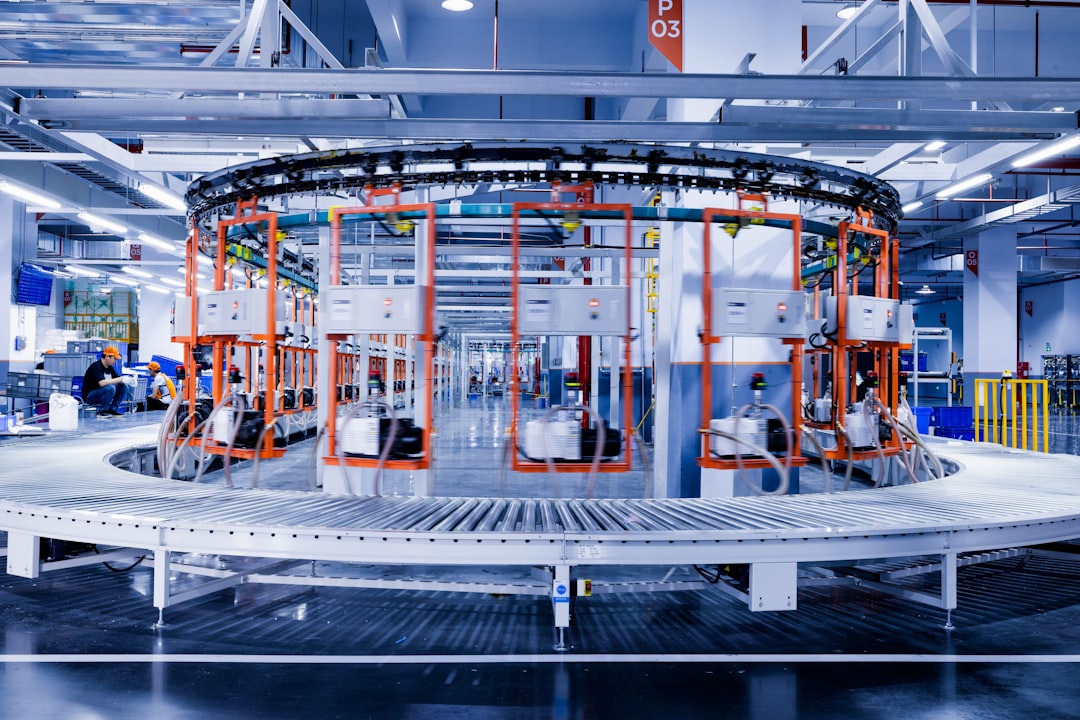
Rebuilding manufacturing capacity is a cornerstone of sustainable economic growth, a strategic imperative for nations seeking to enhance their global competitiveness, create stable employment, and foster innovation. In an era marked by rapid technological advancements, shifting global supply chains, and growing geopolitical uncertainties, the deliberate and strategic revitalization of domestic manufacturing operations is no longer a matter of choice, but of necessity. This endeavor involves a multifaceted approach, encompassing investment in cutting-edge technology, a skilled workforce, robust infrastructure, and supportive policy frameworks. The benefits of a strong manufacturing base extend far beyond the factory floor, rippling through the economy to create a more resilient and prosperous future.
The decline of manufacturing in many developed economies over recent decades has been a source of considerable concern. Offshoring of production, driven by lower labor costs and less stringent regulations in some regions, led to job losses, the erosion of local skill sets, and a growing reliance on foreign suppliers. However, recent global events, such as the COVID-19 pandemic and ongoing geopolitical tensions, have starkly illuminated the vulnerabilities inherent in overly dispersed and dependent supply chains. The disruption of essential goods, from medical supplies to critical components, has underscored the urgent need for greater domestic resilience and self-sufficiency. Rebuilding manufacturing capacity is not merely about recapturing past glory; it is about strategically repositioning economies for the future, fostering innovation, and ensuring a more equitable distribution of prosperity.
Economic Resilience and Supply Chain Security
A robust domestic manufacturing sector acts as a powerful bulwark against external shocks. When production is localized, economies are less susceptible to disruptions caused by trade wars, natural disasters, pandemics, or political instability in other countries. This increased resilience translates into greater price stability for consumers and businesses, as well as a more reliable flow of essential goods and services. The ability to control critical supply chains also enhances national security, particularly in sectors deemed vital to defense, healthcare, and infrastructure.
Reducing Vulnerability to Global Disruptions
The fragility of global supply chains has been a recurring theme in recent years. Events like port congestion, shipping container shortages, and the sudden closure of major manufacturing hubs have highlighted the risks associated with a heavy reliance on international production. By diversifying production and bringing critical manufacturing back onshore, nations can mitigate these vulnerabilities and ensure a more stable and predictable supply of goods. This is particularly important for industries that produce goods essential for public health and safety.
Strengthening National Security and Strategic Autonomy
Certain industries are of paramount strategic importance to national security. The ability to produce defense equipment, advanced technologies, and critical medical supplies domestically provides a nation with greater strategic autonomy and reduces reliance on potential adversaries or unstable regions. Rebuilding manufacturing capacity in these sectors is therefore a direct investment in national resilience and sovereignty.
Job Creation and Economic Growth
Manufacturing has historically been a significant engine of job creation, offering stable, well-paying employment opportunities across a range of skill levels. Rebuilding this sector can revitalize communities, reduce unemployment, and inject new dynamism into economies. The multiplier effect of manufacturing jobs is substantial, as workers in these roles tend to spend a significant portion of their income locally, supporting a wider ecosystem of businesses and services.
High-Value Employment Opportunities
Modern manufacturing is increasingly characterized by automation, digitalization, and advanced technologies, leading to the creation of high-value jobs that require specialized skills. These roles often offer competitive salaries and benefits, contributing to a higher standard of living for individuals and families. The demand for skilled manufacturing labor also necessitates investment in education and training programs, creating a virtuous cycle of skill development and economic advancement.
Stimulating Demand and Consumption
As unemployment decreases and wages rise due to a stronger manufacturing sector, consumer spending tends to increase. This boost in demand fuels growth across other sectors of the economy, from retail and hospitality to services and technology. A thriving manufacturing base, therefore, acts as a catalyst for broader economic expansion.
Innovation and Technological Advancement
Manufacturing is a fertile ground for innovation. The demands of producing complex goods push the boundaries of scientific research, engineering, and design. Investment in advanced manufacturing technologies also spurs innovation in related fields, such as robotics, artificial intelligence, materials science, and data analytics. This continuous cycle of innovation not only improves manufacturing processes but also leads to the development of new products and services that can drive future economic growth.
The Nexus of Research, Development, and Production
Close proximity between research institutions, design studios, and manufacturing facilities fosters a powerful ecosystem for innovation. When R&D and production are integrated, new ideas can be rapidly translated into tangible products, and manufacturing challenges can inform future research priorities. This synergy accelerates the pace of technological advancement and strengthens a nation’s competitive edge.
Driving Adoption of New Technologies
Rebuilding manufacturing capacity often involves the adoption of Industry 4.0 technologies, such as the Internet of Things (IoT), artificial intelligence (AI), big data analytics, and advanced robotics. These technologies not only enhance efficiency and productivity but also pave the way for new business models and product innovations, positioning a nation at the forefront of the global technological landscape.
In the context of rebuilding manufacturing capacity, it is essential to explore various strategies and insights that can drive this transformation. A related article that delves into innovative approaches and best practices for enhancing manufacturing capabilities can be found at this link. This resource provides valuable information on how companies can adapt to changing market demands and leverage technology to optimize their production processes.
Strategies for Rebuilding Manufacturing Capacity
The path to rebuilding manufacturing capacity is complex and requires a strategic, multi-pronged approach. It necessitates a clear vision, sustained commitment, and collaboration between government, industry, and educational institutions. The focus should not be on simply returning to old manufacturing models but on embracing the future of production.
Investing in Advanced Manufacturing Technologies
The “factory of the future” is characterized by automation, digitalization, and connectivity. Investing in cutting-edge technologies is crucial for enhancing productivity, improving quality, and reducing costs, making domestic manufacturing competitive on a global scale.
Embracing Automation and Robotics
Advanced robotics and automation can significantly improve efficiency, precision, and safety in manufacturing processes. This includes not only large-scale industrial robots but also collaborative robots (cobots) that work alongside human operators, enhancing their capabilities and allowing for greater flexibility in production lines.
Leveraging Digitalization and Industry 4.0
The integration of digital technologies, such as the Industrial Internet of Things (IIoT), cloud computing, and big data analytics, is transforming manufacturing. These technologies enable real-time monitoring of production, predictive maintenance, optimized supply chains, and the creation of smart factories that can adapt to changing demands.
Exploring Additive Manufacturing (3D Printing)
Additive manufacturing, or 3D printing, offers revolutionary potential for prototyping, custom part production, and on-demand manufacturing. Its flexibility allows for the rapid iteration of designs and the production of complex geometries that are difficult or impossible to achieve with traditional methods, opening up new possibilities for product development and supply chain optimization.
Rebuilding manufacturing capacity is a crucial step for many economies looking to enhance their resilience and competitiveness in a rapidly changing global landscape. A related article discusses innovative strategies that companies are employing to revitalize their production capabilities and adapt to new market demands. For more insights on this topic, you can read the article on MyGeoQuest, which explores various approaches to modernizing manufacturing processes and the importance of sustainability in this transformation.
Developing a Skilled Manufacturing Workforce
A highly skilled workforce is the backbone of a modern manufacturing sector. The skills required have evolved significantly, moving beyond manual labor to encompass complex technical expertise, problem-solving abilities, and digital literacy.
Investing in Education and Training Programs
Targeted investments in vocational training, apprenticeships, and university programs are essential to equip individuals with the skills needed for advanced manufacturing roles. These programs should be developed in close collaboration with industry to ensure they align with current and future workforce demands.
Upskilling and Reskilling Existing Workers
As technologies evolve, it is crucial to provide opportunities for existing workers to upskill and reskill. This ensures that the current workforce can adapt to new processes and technologies, preventing a skills gap from widening and creating a pathway for career advancement within the sector.
Fostering STEM Education
A strong foundation in Science, Technology, Engineering, and Mathematics (STEM) is critical for future manufacturing innovation. Encouraging STEM education from an early age, coupled with pathways into manufacturing careers, will cultivate the next generation of engineers, designers, and technicians.
Modernizing Infrastructure and Logistics
Efficient and reliable infrastructure is vital for the smooth operation of a manufacturing sector. This includes not only transportation networks but also energy grids, digital connectivity, and efficient logistics and supply chain management systems.
Enhancing Transportation Networks
Robust and modern transportation infrastructure, including ports, railways, roads, and airports, is essential for the efficient movement of raw materials and finished goods. Investment in these areas reduces transit times, lowers shipping costs, and enhances the competitiveness of domestic manufacturers.
Investing in Energy and Digital Connectivity
A reliable and affordable energy supply is a fundamental requirement for manufacturing operations. Furthermore, widespread access to high-speed digital connectivity is crucial for implementing Industry 4.0 technologies, enabling real-time data exchange, and fostering collaboration across the supply chain.
Streamlining Logistics and Supply Chain Management
Modern supply chain management techniques, often enabled by advanced technology, can optimize the flow of goods from raw material sourcing to final delivery. This includes sophisticated inventory management, warehousing, and distribution strategies to minimize waste and maximize efficiency.
Implementing Supportive Government Policies
Government policies play a critical role in creating an environment conducive to manufacturing growth. This includes fiscal incentives, regulatory reforms, trade policies, and proactive support for innovation and research.
Offering Fiscal Incentives and Tax Credits
Governments can encourage investment in manufacturing through various fiscal incentives, such as tax credits for capital expenditures, R&D grants, and accelerated depreciation for manufacturing equipment. These measures can help offset the initial costs of rebuilding and modernizing facilities.
Streamlining Regulations and Reducing Bureaucracy
An overly complex and burdensome regulatory environment can stifle investment and innovation. Governments should strive to streamline regulations, reduce bureaucratic hurdles, and ensure a predictable and transparent operating framework for businesses.
Promoting Fair Trade Practices and Protecting Domestic Industries
Adopting trade policies that promote fair competition and protect domestic industries from unfair trade practices, such as dumping and subsidies, is crucial. This can involve tariffs, import quotas, and international trade agreements that prioritize domestic manufacturing growth.
Supporting Research and Development (R&D) Initiatives
Government investment in R&D, through grants, research centers, and public-private partnerships, can accelerate innovation in manufacturing. This support helps businesses develop new technologies, processes, and products that enhance their competitiveness.
Overcoming Challenges in Rebuilding Manufacturing Capacity

The journey to rebuild manufacturing capacity is not without its obstacles. Understanding and proactively addressing these challenges is essential for successful implementation.
Initial Investment Costs and Funding
Re-establishing or modernizing manufacturing facilities often requires substantial upfront capital investment. Securing adequate funding can be a significant hurdle, particularly for small and medium-sized enterprises (SMEs).
Access to Capital for SMEs
Governments and financial institutions can play a role in facilitating access to capital for SMEs through low-interest loans, loan guarantees, and venture capital initiatives specifically tailored for manufacturing ventures.
Public-Private Partnerships
Public-private partnerships (PPPs) can be an effective mechanism for sharing the financial burden and risks associated with large-scale manufacturing investments. These collaborations can leverage government resources and private sector expertise and capital.
Global Competition and Cost Pressures
Domestic manufacturers often face intense competition from countries with lower labor costs or more favorable regulatory environments. Maintaining competitiveness requires a constant focus on efficiency, innovation, and value creation.
Focusing on Niche Markets and High-Value Products
Instead of competing solely on cost, domestic manufacturers can thrive by specializing in niche markets and producing high-value, technologically advanced products where quality, customization, and innovation are paramount.
Leveraging Automation for Cost Reduction
While labor costs can be a challenge, strategic investment in automation can significantly reduce per-unit production costs, improving competitiveness without sacrificing quality or innovation.
Environmental Sustainability and Regulatory Compliance
Increasingly stringent environmental regulations and the growing demand for sustainable production practices present both challenges and opportunities. Manufacturers must adapt to these demands to remain competitive and socially responsible.
Adopting Green Technologies and Practices
Investing in energy-efficient technologies, waste reduction programs, and the use of sustainable materials can not only meet regulatory requirements but also enhance brand reputation and appeal to environmentally conscious consumers.
Circular Economy Principles
Embracing circular economy principles, which focus on reducing waste and maximizing the reuse and recycling of materials, can lead to cost savings and create new business opportunities within the manufacturing sector.
Supply Chain Integration and Collaboration
Building a cohesive and efficient domestic supply chain requires strong collaboration among businesses, often involving numerous smaller suppliers and manufacturers. Fostering this interconnectedness is crucial.
Building Regional Manufacturing Ecosystems
Encouraging the development of regional manufacturing clusters and ecosystems where businesses can easily connect, collaborate, and share resources can foster innovation and create more resilient local supply chains.
Digital Platforms for Supply Chain Management
The development and adoption of digital platforms for supply chain management can facilitate better communication, transparency, and coordination among various stakeholders, improving efficiency and responsiveness.
The Future of Manufacturing and Economic Growth

The rebuilding of manufacturing capacity is not merely about recreating past industries; it is about shaping the future of production. This involves embracing new paradigms and technologies that will drive economic prosperity for generations to come. The successful revitalization of manufacturing will lead to a more balanced and sustainable economic model, one that is less susceptible to external shocks and more inclusive in its benefits.
The Role of Innovation in Sustaining Growth
Continuous innovation will be the lifeblood of a thriving manufacturing sector. Investments in research and development, coupled with a culture that encourages experimentation and learning, will be essential for staying ahead of the curve. New materials, advanced processes, and intelligent systems will continue to redefine what is possible.
Driving a Circular Economy for Sustainability
The future of manufacturing must be intrinsically linked to environmental sustainability. Moving towards a circular economy model, where resources are used and reused efficiently, will be critical for long-term viability and will unlock new economic opportunities.
Fostering Human-Machine Collaboration
The future of work in manufacturing will involve an increasingly symbiotic relationship between humans and advanced technologies. Humans will focus on tasks requiring creativity, problem-solving, and critical thinking, while machines will handle repetitive, data-intensive, or hazardous operations, leading to a more efficient and fulfilling work environment.
International Collaboration and Competitiveness
While rebuilding domestic capacity is crucial, international collaboration will also remain important. Sharing best practices, engaging in global standards development, and participating in international trade, under fair conditions, will continue to shape the global manufacturing landscape. Nations that successfully rebuild their manufacturing capacity will likely emerge as leaders in innovation, economic resilience, and global competitiveness, laying the foundation for sustained economic growth and shared prosperity.

Why Rare Earth Mining Isn’t the Real Problem
FAQs
What is manufacturing capacity?
Manufacturing capacity refers to the maximum amount of products that a manufacturing facility can produce within a given period of time, taking into account factors such as available resources, equipment, and labor.
Why is rebuilding manufacturing capacity important?
Rebuilding manufacturing capacity is important for a variety of reasons, including reducing reliance on foreign production, creating jobs, stimulating economic growth, and ensuring a stable supply of essential goods.
What are some strategies for rebuilding manufacturing capacity?
Strategies for rebuilding manufacturing capacity may include investing in new technology and equipment, training and developing a skilled workforce, implementing efficient production processes, and fostering partnerships with suppliers and other stakeholders.
What are the challenges in rebuilding manufacturing capacity?
Challenges in rebuilding manufacturing capacity may include high initial investment costs, finding and retaining skilled workers, navigating complex regulations, and competing with established foreign manufacturers.
What are the potential benefits of rebuilding manufacturing capacity?
Potential benefits of rebuilding manufacturing capacity include increased domestic production, reduced trade deficits, improved national security, and the creation of a more resilient and self-sufficient economy.