
The hulking carcasses of retired vessels, once proud symbols of maritime might, now lie in shipyards, their journeys seemingly at an end. For decades, their fate was inevitable: the scrapyard, where they would be dismantled, their metals melted down for a fraction of their original value, and their storied past reduced to raw material. Yet, a transformative wave is sweeping through the industry, ushering in a new era for these leviathans of the sea. The “Rebirth of Ship Steel: From Scrapping to New Beginnings” is not merely about recycling; it’s a profound shift in perspective, recognizing the immense potential locked within these decommissioned giants and finding innovative avenues for their reincarnation. This article delves into the multifaceted processes and burgeoning possibilities that are breathing new life into ship steel, turning obsolescence into opportunity.
The twilight of a ship’s operational life is a complex process, often dictated by age, economic viability, and evolving regulations. Historically, this decommissioning phase led directly to shipbreaking yards, vast areas where the sheer scale of operations was a spectacle of industrial might. These yards, predominantly located in regions with lower labor costs and less stringent environmental oversight, served as the primary destination for vessels reaching the end of their service.
The Mechanics of Dismantling
The traditional shipbreaking process, while effective in its primary goal of material recovery, was often a brutal and labor-intensive undertaking. Workers, armed with oxy-acetylene torches and heavy machinery, would meticulously cut through thick steel plates, reducing the vessel piece by piece. This was a physically demanding and often dangerous profession, with workers exposed to hazardous materials and the inherent risks of working with massive metal structures. The sheer volume of steel produced was immense, a testament to the engineering prowess of the era.
Environmental and Ethical Considerations
The traditional model of shipbreaking was not without its significant drawbacks. Environmental concerns were, and in many cases, still are, paramount. The uncontrolled release of hazardous substances, such as oil, asbestos, and heavy metals, into the marine environment posed a serious threat. Furthermore, the working conditions in many breaking yards were characterized by a lack of safety equipment and minimal regulatory oversight, leading to a high incidence of accidents and occupational illnesses. Ethical debates surrounding the exploitation of labor in these regions also cast a long shadow over the industry. The sheer volume of waste generated, from insulation materials to lubricants, also presented a considerable challenge. The dismantling process itself was an energy-intensive endeavor, further contributing to its environmental footprint. While valuable metals were recovered, a significant portion of the ship’s components were often discarded. The historical reliance on basic cutting and dismantling methods meant that the quality of the recovered steel could vary, impacting its downstream applications.
The Economic Realities of Scrap Metal
The primary economic driver for traditional shipbreaking was the market value of the recovered steel as scrap. While steel prices fluctuate, the economics of shipbreaking have always been closely tied to these commodity markets. Ships, composed largely of high-grade steel, represented a significant source of raw material for steel mills. However, the value attributed to ship steel as scrap was often considerably lower than its original cost of production, reflecting the costs associated with dismantling and the less-than-pristine condition of the salvaged material. The profitability of shipbreaking was often a delicate balance, heavily influenced by global steel demand and the cost of labor in breaking locations. The sheer volume of decommissioned vessels entering the market could also depress prices, further impacting the economic viability of individual breaking operations.
After ships are scrapped, the steel from their hulls often undergoes a recycling process that transforms it into new materials for various industries. This not only helps reduce waste but also contributes to the circular economy by repurposing valuable resources. For more insights on the lifecycle of ship steel and its environmental impact, you can read a related article at My Geo Quest.
Beyond the Torch: Innovative Approaches to Ship Steel Reuse
The limitations and ethical concerns of traditional shipbreaking have spurred a vital evolution in the industry. A paradigm shift is underway, moving beyond the simplistic notion of melting down steel to a more nuanced and sustainable approach that prioritizes the reuse and repurposing of ship structures and materials. This rebirth is driven by a confluence of technological advancements, environmental consciousness, and a growing appreciation for the inherent value of well-built ship components.
The Rise of Deconstruction and Selective Salvage
Instead of brute-force dismantling, the modern approach emphasizes deconstruction. This involves a more methodical and intelligent process of disassembling a vessel, aiming to preserve larger, intact sections and high-quality materials for direct reuse. This approach requires meticulous planning, advanced surveying techniques, and a skilled workforce capable of understanding the structural integrity of different ship components. The goal is to maximize the value of the salvaged materials by minimizing damage and contamination during the dismantling process. This method is more akin to a complex architectural deconstruction than traditional shipbreaking.
Identifying High-Value Components
Not all parts of a ship are created equal when it comes to reuse. Navigational equipment, specialized machinery, accommodation modules, and even large hull sections can possess significant inherent value. Identifying these components early in the deconstruction process is crucial for maximizing the economic and environmental benefits. Detailed surveys and inspections are conducted to assess the condition, material quality, and potential for reuse of these elements. This often involves expertise in metallurgy, engineering, and material science.
Techniques for Gentle Removal
Modern deconstruction employs techniques that minimize damage to salvaged components. Hydraulic shears, controlled cutting methods, and specialized lifting equipment are used to extract sections of the ship with greater precision. The focus is on preserving the structural integrity and functionality of these components as much as possible, making them suitable for direct integration into new projects. This contrasts sharply with the aggressive cutting methods of traditional breaking.
After ships are scrapped, the steel that once formed their hulls often finds new life in various industries, contributing to a more sustainable approach to resource management. The recycling process not only reduces waste but also helps in conserving natural resources by reintroducing valuable materials back into the supply chain. For a deeper understanding of the journey of ship steel post-scrapping, you can explore this insightful article on the topic. To learn more, visit this link.
Repurposing Intact Modules and Structures
The most exciting aspect of the rebirth of ship steel lies in the repurposing of entire modules or substantial structural elements. Instead of breaking them down into raw materials, these large pieces can be given entirely new lives, often in entirely different industries. This represents a significant leap forward in resource efficiency and circular economy principles.
Floating Structures and Infrastructure
Large, buoyant hull sections can be transformed into floating platforms, pontoons, or even the foundations for offshore structures. These can serve as the basis for temporary or permanent artificial islands, floating docks, or bases for renewable energy installations. The inherent buoyancy and structural strength of the hull make them ideal for such applications, saving significant material and construction costs. The repurposing of a retired cruise ship hull as a floating hotel or a research base are examples of this creative application.
Industrial Components and Bridges
Sections of the ship’s superstructure, including decks and bulkheads, can be repurposed as structural elements in industrial buildings, warehouses, or even as components for bridges. Their robust construction and standardized dimensions often lend themselves well to integration into civil engineering projects. The sheer scale of these salvaged sections can accelerate construction timelines and reduce the need for newly manufactured materials. Think of a large steel deck section from a cargo ship becoming a vital part of a new factory floor.
Habitat Creation and Artificial Reefs
In some instances, entire ship hulls, particularly those with complex internal structures, can be intentionally sunk to create artificial reefs. These submerged structures provide essential habitats for marine life, fostering biodiversity and supporting fishing industries. While not a direct reuse of steel in a functional sense, it contributes to ecological restoration and offers significant environmental benefits. The careful preparation of these vessels to remove hazardous materials is critical for this application.
The Circular Economy and Sustainable Material Sourcing
The shift towards repurposing ship steel is intrinsically linked to the growing global emphasis on the circular economy. This model aims to keep resources in use for as long as possible, extracting maximum value from them and then recovering and regenerating products and materials at the end of each service life. By embracing ship steel reuse, the maritime industry is actively participating in this vital transition, reducing its environmental footprint and promoting a more sustainable model of resource management.
Reducing Demand for New Steel Production
The most significant environmental benefit of repurposing ship steel is the reduction in the demand for virgin steel production. Mining iron ore, producing steel, and transporting it are all energy-intensive processes with substantial environmental impacts. By utilizing salvaged ship steel, these impacts are significantly mitigated, contributing to lower greenhouse gas emissions and reduced resource depletion. This directly translates to a smaller carbon footprint for the industries that adopt these repurposed materials.
Minimizing Waste and Landfill Burden
Traditional shipbreaking often generated large volumes of waste, much of which would end up in landfills. The deconstruction and repurposing approach dramatically reduces this waste stream, diverting valuable materials from disposal and giving them a second life. This not only conserves landfill space but also reduces the environmental burden associated with waste management. Every component that finds a new purpose is a component that doesn’t contribute to landfill.
Promoting Innovation in Material Science
The challenges and opportunities presented by repurposing ship steel are driving innovation in material science. Researchers and engineers are developing new methods for assessing the quality of salvaged steel, understanding its long-term performance characteristics, and adapting it for new applications. This fosters a dynamic environment where existing materials are reimagined and their potential is continually explored. This ongoing research is crucial for expanding the range and reliability of repurposed ship steel.
Case Studies: Stories of Transformation

The abstract concepts of deconstruction and repurposing come alive through concrete examples. Numerous projects around the world showcase the remarkable transformations that decommissioned vessels and their steel components are undergoing, proving that the end of one journey can indeed be the beginning of many others.
From Naval Vessel to Offshore Wind Farm Support
A decommissioned naval frigate, once a formidable warship, is now serving a crucial role in supporting the burgeoning offshore wind industry. Its robust hull has been reinforced and refitted to act as a stable platform for maintenance crews and equipment, allowing them to access and service wind turbines in challenging marine environments. This repurposing not only extends the life of the steel but also contributes to the development of renewable energy infrastructure, a double win for sustainability. The specialized capabilities of a naval vessel, such as its stability and maneuverability, made it a prime candidate for this transition.
Cargo Ship Sections Finding New Life in Urban Development
Sections of a retired cargo ship’s hull and superstructure have been ingeniously incorporated into a large-scale urban development project. These large steel modules now form the unique architectural features of residential buildings and public spaces, adding a distinctive industrial aesthetic while reducing the need for newly manufactured construction materials. This integration showcases how the raw power and scale of maritime engineering can be harmonized with the demands of modern urban living. The sheer volume of steel available from a single cargo ship can significantly impact the material sourcing for such projects.
Passenger Ferry Reimagined as a Floating Arts and Culture Hub
A former passenger ferry, no longer fit for its original purpose, has undergone a dramatic metamorphosis into a vibrant floating arts and culture center. Its spacious decks have been transformed into exhibition galleries, performance spaces, and workshop areas. This creative reuse breathes new life into the vessel, providing a unique and accessible platform for artistic expression and community engagement, all while preserving the integrity of its steel structure. The ability to adapt interior spaces of a ferry was a key factor in its successful transformation.
Submarine Components Contributing to Scientific Research
Even smaller components from decommissioned submarines are finding valuable applications. Intricate internal structures and specialized equipment are being salvaged and adapted for use in scientific research facilities. Their robust construction and unique designs make them ideal for housing sensitive scientific instruments or for use in experimental setups, contributing to advancements in various fields of study. The precision engineering of submarine components offers a unique advantage in scientific applications.
The Future of Ship Steel: Sustainability and Innovation
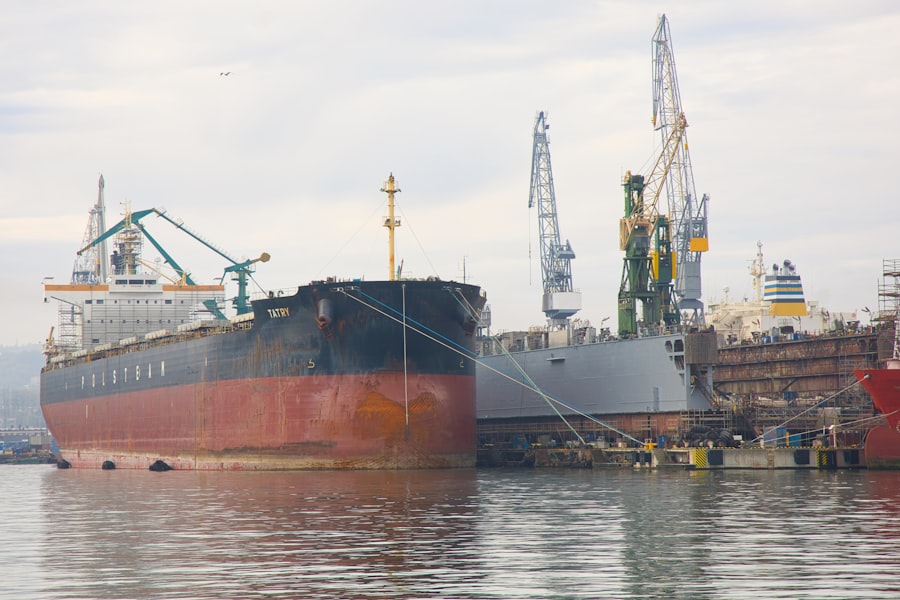
The momentum behind the rebirth of ship steel is undeniable. As the world increasingly prioritizes sustainability and the principles of the circular economy, the demand for innovative solutions for end-of-life vessels will only grow. The future of ship steel is intrinsically linked to continued technological advancement, evolving regulatory frameworks, and a collective commitment to responsible resource management.
Advancements in Material Science and Engineering
Future innovations will likely focus on even more sophisticated methods for assessing the quality and suitability of salvaged ship steel for a wider range of applications. This could involve advanced non-destructive testing techniques, novel methods for material treatment and enhancement, and the development of predictive models for the long-term performance of repurposed materials. The goal is to expand the horizons of what is possible with salvaged steel, moving beyond traditional uses.
Integrated Deconstruction and Reassembly Facilities
The development of specialized, integrated facilities that combine deconstruction, material processing, and repurposing will streamline the entire lifecycle of a ship. These facilities could house advanced robotic systems for dismantling, sophisticated material analysis labs, and dedicated workshops for fabricating new structures from salvaged components. This holistic approach will optimize efficiency and maximize the value extracted from each vessel.
Regulatory Support and Incentives for Circularity
Governments and international bodies are increasingly recognizing the importance of the circular economy. Future regulatory frameworks will likely offer greater support and incentives for companies that engage in the deconstruction and repurposing of ships. This could include tax breaks, grants for research and development, and the establishment of clear guidelines and standards for the reuse of maritime materials. Such policies will accelerate the transition towards a more sustainable maritime sector.
The Role of Design and Engineering in Lifelong Material Value
Looking ahead, ship designers and engineers will play an increasingly crucial role in ensuring that vessels are designed for deconstruction and reuse from the outset. This “design for disassembly” philosophy will make it easier to identify and extract valuable components at the end of a ship’s operational life, further enhancing the potential for its steel to be reborn into new beginnings. The concept of a ship as a temporary assembly of valuable materials, rather than a single-use entity, will become more prevalent.
The rebirth of ship steel is more than just an environmental imperative; it’s an economic opportunity and a testament to human ingenuity. By embracing deconstruction, repurposing, and the principles of the circular economy, the maritime industry is transforming its end-of-life challenges into a source of innovation and sustainability. The hulking silhouettes of retired vessels no longer represent an ending, but rather a potent promise of new beginnings, their steel stories continuing to unfold in a world that values resourcefulness and renewal. The journey of ship steel, from the depths of the ocean to the heights of innovation, is far from over; it is, in fact, just entering its most exciting chapter.

The Beaches Global Trade Can’t Afford to Lose
FAQs
1. What happens to ship steel after scrapping?
After a ship is scrapped, the steel is typically recycled and used for various purposes such as construction, automotive manufacturing, and infrastructure projects.
2. How is ship steel recycled after scrapping?
The process of recycling ship steel involves melting down the steel and reshaping it into new products. This is done at specialized facilities equipped with the necessary machinery and technology.
3. What are the environmental benefits of recycling ship steel?
Recycling ship steel reduces the need for new steel production, which in turn conserves natural resources and reduces energy consumption. It also helps to minimize the environmental impact of steel manufacturing processes.
4. Are there any regulations or standards for recycling ship steel?
Yes, there are international regulations and standards that govern the recycling of ship steel, including guidelines for safe and environmentally responsible practices. These regulations are aimed at ensuring the proper handling and disposal of hazardous materials.
5. What are some common products made from recycled ship steel?
Recycled ship steel can be used to manufacture a wide range of products, including structural beams, rebar, automotive parts, appliances, and packaging materials. Its versatility makes it a valuable resource for various industries.