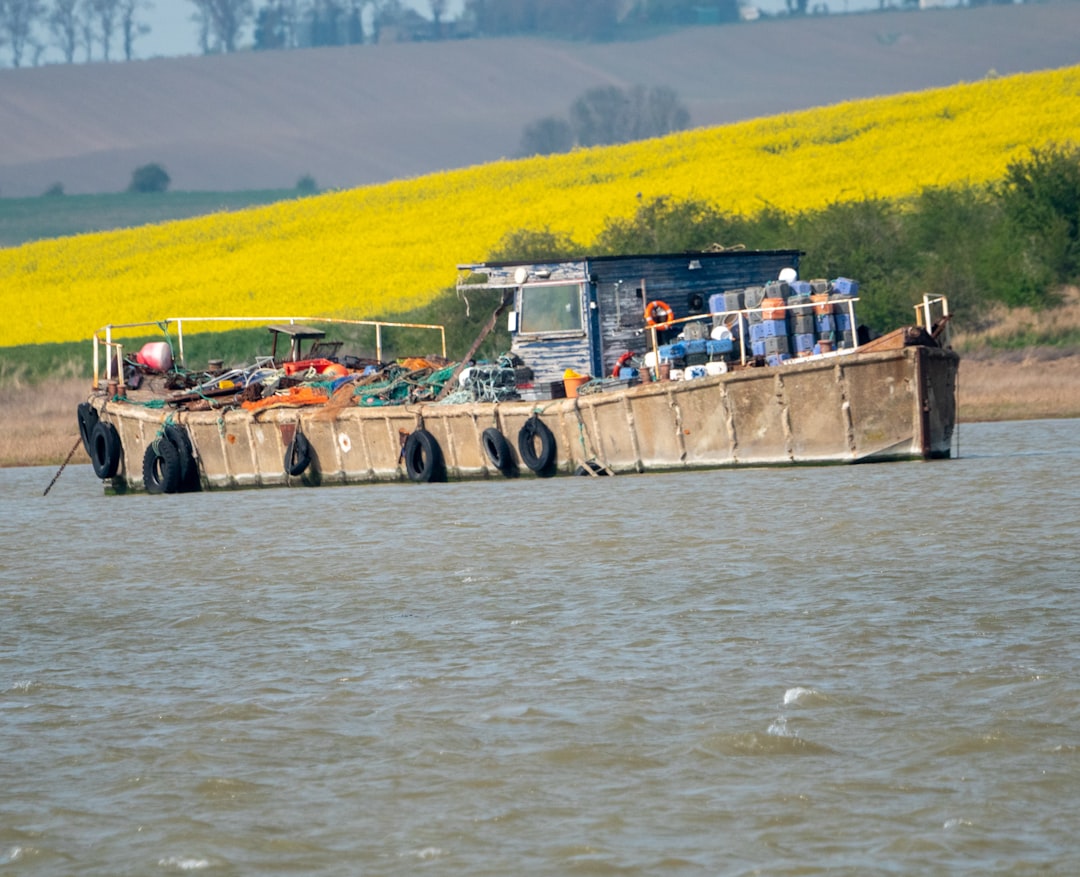
In the dynamic field of logistics and transportation, real-time barge tracking systems represent a critical technological advancement. These systems utilize GPS technology, satellite communications, and integrated software platforms to continuously monitor barge movements across waterways. Operators receive immediate data about vessel locations and status, which improves operational efficiency and enables more informed decision-making in an industry frequently affected by variable conditions.
Real-time tracking is essential in today’s logistics environment where prompt delivery and optimal resource utilization are critical business requirements. As transportation efficiency demands increase, the need for systems providing accurate, timely information grows correspondingly. Real-time barge tracking systems effectively combine technology with logistics expertise to address the challenges of contemporary shipping operations.
Understanding how these systems function and their advantages helps industry participants recognize their transformative impact on the barge transportation industry.
Key Takeaways
- Real time barge tracking systems significantly improve operational efficiency and safety in barge transportation.
- These systems utilize GPS and communication technologies to provide continuous location and status updates.
- Benefits include optimized routing, reduced fuel consumption, and enhanced environmental protection.
- Successful case studies demonstrate measurable improvements in logistics and incident response times.
- Future trends focus on integrating AI and IoT for smarter, more predictive barge management solutions.
The Importance of Efficiency in Barge Operations
Efficiency in barge operations is crucial for several reasons, primarily revolving around cost reduction and service reliability. In a competitive market, companies that can streamline their operations often gain a significant advantage. Efficient barge operations lead to reduced fuel consumption, lower labor costs, and minimized delays, all of which contribute to enhanced profitability.
Moreover, as environmental regulations become increasingly stringent, the pressure to operate efficiently has intensified, making it essential for companies to adopt innovative solutions that can help them meet these demands. Furthermore, the importance of efficiency extends beyond financial metrics; it also impacts customer satisfaction. In an industry where timely deliveries are critical, delays can lead to significant repercussions for businesses relying on barge transport.
By optimizing routes and schedules through real-time tracking, operators can ensure that their services remain reliable and responsive to customer needs. This not only strengthens client relationships but also enhances the overall reputation of the company within the industry.
How Real Time Barge Tracking Systems Work

Real-time barge tracking systems operate through a combination of hardware and software components designed to monitor vessel movements continuously. At the core of these systems is GPS technology, which provides precise location data that is transmitted to a central server. This data is then processed and made accessible to operators through user-friendly interfaces, allowing them to visualize the current status of their fleet in real time.
Additionally, many systems incorporate sensors that monitor various parameters such as speed, fuel consumption, and cargo conditions, further enriching the data available for analysis. The integration of satellite communications plays a vital role in ensuring that tracking information remains accessible even in remote areas where traditional cellular networks may be unreliable. This capability allows operators to maintain constant oversight of their barges, regardless of their location on the waterway.
Furthermore, advanced analytics tools can be employed to interpret the data collected, enabling operators to identify trends, forecast potential issues, and make informed decisions that enhance operational efficiency.
Benefits of Real Time Barge Tracking Systems
The benefits of real-time barge tracking systems are manifold, significantly impacting various aspects of barge operations. One of the most notable advantages is improved visibility into fleet movements. With real-time data at their fingertips, operators can monitor each vessel’s location and status, allowing for proactive management of schedules and resources.
This visibility not only aids in optimizing routes but also facilitates better communication with clients regarding estimated arrival times and potential delays. Additionally, these systems contribute to enhanced operational efficiency by enabling data-driven decision-making. By analyzing historical data alongside real-time information, operators can identify patterns and inefficiencies within their operations.
This insight allows them to implement targeted improvements that can lead to reduced operational costs and increased productivity. Moreover, the ability to track cargo conditions in real time ensures that any issues can be addressed promptly, safeguarding both the cargo and the reputation of the shipping company.
Enhancing Safety with Real Time Barge Tracking Systems
| Metric | Description | Typical Value / Range | Unit |
|---|---|---|---|
| Tracking Update Frequency | How often the barge location data is updated in the system | 1 – 5 | minutes |
| GPS Accuracy | Precision of the GPS location data provided by the tracking system | 1 – 10 | meters |
| Communication Range | Maximum distance over which the tracking device can transmit data | 10 – 50 | kilometers |
| Battery Life | Duration the tracking device can operate without recharge or replacement | 1 – 12 | months |
| Data Latency | Time delay between data capture and availability on the monitoring platform | 5 – 30 | seconds |
| System Uptime | Percentage of time the tracking system is operational and available | 95 – 99.9 | percent |
| Number of Barges Tracked | Capacity of the system to track multiple barges simultaneously | 10 – 1000+ | units |
| Integration Capability | Ability to integrate with other logistics and fleet management systems | High / Medium / Low | qualitative |
Safety is a paramount concern in barge operations, given the inherent risks associated with navigating waterways. Real-time barge tracking systems play a crucial role in enhancing safety by providing operators with immediate access to critical information about their vessels. For instance, if a barge encounters adverse weather conditions or navigational hazards, operators can quickly assess the situation and make informed decisions regarding rerouting or halting operations altogether.
Moreover, these systems can facilitate better communication between vessels and shore-based operations. In emergencies, having real-time data allows for swift coordination of rescue efforts or assistance from nearby vessels. Additionally, by monitoring crew activities and compliance with safety protocols through integrated sensors and reporting tools, companies can foster a culture of safety that prioritizes the well-being of both personnel and cargo.
Improving Environmental Impact through Real Time Barge Tracking Systems

As environmental concerns continue to rise globally, the shipping industry faces increasing scrutiny regarding its ecological footprint. Real-time barge tracking systems contribute positively to this challenge by promoting more sustainable practices within operations. By optimizing routes based on real-time data, operators can reduce fuel consumption and emissions associated with unnecessary travel or idling.
This not only aligns with regulatory requirements but also enhances corporate social responsibility initiatives aimed at minimizing environmental impact. Furthermore, these systems enable better management of cargo loads and conditions, reducing the likelihood of spills or accidents that could harm aquatic ecosystems. By ensuring that barges operate within safe parameters and adhere to environmental regulations, companies can mitigate risks associated with pollution and habitat disruption.
Ultimately, the integration of real-time tracking technology supports a more sustainable approach to barge transportation.
Case Studies: Successful Implementation of Real Time Barge Tracking Systems
Several companies have successfully implemented real-time barge tracking systems, showcasing their effectiveness in enhancing operational efficiency and safety. One notable example is a major logistics provider that integrated a comprehensive tracking system across its fleet of barges operating on inland waterways. By utilizing GPS technology combined with advanced analytics tools, the company was able to reduce fuel consumption by 15% within the first year of implementation.
This not only resulted in significant cost savings but also demonstrated a commitment to sustainability. Another case study involves a regional shipping company that faced challenges with timely deliveries due to unpredictable weather conditions and traffic congestion on waterways. By adopting a real-time tracking system that provided live updates on vessel locations and environmental conditions, the company improved its on-time delivery rate by over 20%.
This enhancement not only satisfied customer demands but also positioned the company as a leader in reliability within its market segment.
Challenges and Limitations of Real Time Barge Tracking Systems
Despite their numerous advantages, real-time barge tracking systems are not without challenges and limitations. One significant hurdle is the initial investment required for implementing such technology. The costs associated with purchasing hardware, software licenses, and training personnel can be substantial, particularly for smaller operators who may struggle to justify these expenses against their current budgets.
Additionally, while GPS technology is generally reliable, it is not infallible. Factors such as signal interference from urban structures or adverse weather conditions can impact accuracy and availability of data.
Future Trends in Real Time Barge Tracking Systems
Looking ahead, several trends are likely to shape the future of real-time barge tracking systems. One emerging trend is the integration of artificial intelligence (AI) and machine learning algorithms into tracking platforms. These technologies can analyze vast amounts of data more efficiently than human operators, identifying patterns and making predictions that enhance decision-making processes.
As AI continues to evolve, it may lead to even greater efficiencies in route optimization and resource allocation. Another trend is the increasing emphasis on interoperability among different tracking systems used across various modes of transportation. As supply chains become more complex and interconnected, having a unified system that allows for seamless communication between barges, trucks, and trains will be essential for optimizing logistics operations.
This shift towards integrated solutions will likely drive further advancements in real-time tracking technologies.
Considerations for Implementing Real Time Barge Tracking Systems
When considering the implementation of real-time barge tracking systems, several factors must be taken into account to ensure success. First and foremost is the selection of a reliable technology partner who can provide robust solutions tailored to specific operational needs. Companies should evaluate potential vendors based on their track record in the industry, customer support capabilities, and scalability of their solutions.
Additionally, organizations must prioritize training for personnel who will be using these systems daily. Ensuring that staff members are well-versed in operating tracking software and interpreting data will maximize the benefits derived from implementation. Finally, ongoing evaluation and adaptation are crucial; as technology evolves and operational needs change, companies must remain agile in updating their tracking systems to maintain competitiveness.
The Role of Real Time Barge Tracking Systems in Enhancing Efficiency
In conclusion, real-time barge tracking systems represent a transformative force within the logistics industry, offering significant enhancements in efficiency, safety, and environmental sustainability. By providing continuous visibility into vessel movements and operational parameters, these systems empower operators to make informed decisions that optimize performance while minimizing risks associated with transportation on waterways. As technology continues to advance and new trends emerge, it is clear that real-time tracking will play an increasingly vital role in shaping the future of barge operations.
The successful implementation of these systems not only benefits individual companies but also contributes positively to broader industry standards regarding safety and environmental stewardship. As stakeholders recognize the value of real-time tracking technology in navigating complex logistical challenges, it is likely that adoption rates will continue to rise—ultimately leading to a more efficient and responsible approach to barge transportation in an interconnected world.
Real-time barge tracking systems have become increasingly essential for optimizing logistics and enhancing supply chain efficiency. For a deeper understanding of how these systems work and their impact on the industry, you can read more in this related article on MyGeoQuest: