
The Enduring Legacy and Emerging Future of Railway Corridors
For over a century, railway lines have been the arteries of commerce and connection, carving paths across landscapes and facilitating the movement of goods and people. These enduring ribbons of steel and ballast represent a significant investment in infrastructure, often traversing challenging terrains and forming integral parts of regional and national transportation networks. The decision to abandon or repurpose a railway line is rarely taken lightly. It typically follows a period of declining freight or passenger traffic, the advent of more efficient or direct transportation alternatives, or the need to consolidate and modernize existing rail networks. However, the very characteristics that made these corridors valuable for rail – their often straight alignments, relatively gentle gradients, and unimpeded paths through developed and undeveloped areas – also make them exceptionally attractive for alternative transportation uses. The concept of “Railway Roadbed Highway Conversion,” or RRHC, emerges as a strategic and often innovative solution to reimagine these disused or underutilized railway corridors, transforming them into vital components of modern transportation systems, particularly for road-based traffic. This conversion is not merely about laying asphalt; it involves a complex interplay of engineering, environmental considerations, economic feasibility, and community engagement, aiming to unlock new potential from existing infrastructure.
The historical context of railway expansion is crucial to understanding the genesis of RRHC. The Industrial Revolution fueled an insatiable demand for the efficient movement of raw materials and finished products. Railways, with their superior capacity and speed compared to canals and roads of the era, became the dominant mode of long-distance freight transport. This era saw the construction of extensive networks, often subsidized by governments eager to stimulate economic growth and national integration. Many of these lines were built with remarkable engineering prowess, overcoming geographical obstacles that would be prohibitively expensive to address with modern road construction. As road networks improved and the automotive age dawned, the relative dominance of rail began to wane for passenger transport and many forms of less-than-truckload freight. However, the physical footprint of these railway corridors remained, often a significant asset that, for decades, might have been underutilized or even neglected. The idea of repurposing these corridors is a testament to the adaptability of infrastructure planning and the recognition that assets developed for one purpose can often serve new and vital functions in a changing world.
The Evolution of Transportation Infrastructure
The historical trajectory of transportation modes offers a compelling backdrop to the concept of railway roadbed highway conversion. Early societies relied on natural waterways, followed by the development of rudimentary roads. The Roman Empire’s extensive road network demonstrated the power of planned infrastructure for trade and military movement. The advent of the canal era offered significant improvements in bulk transport, but it was the invention of the steam engine and the subsequent development of the railway that truly revolutionized mobility. Railways provided unprecedented speed, capacity, and reliability for both passengers and freight, shaping urban development and fostering industrial growth. The 20th century, however, witnessed the rise of the automobile and the airplane, leading to the construction of vast highway systems and the development of air travel. This shift in focus often led to the decline of many less profitable or strategically less important railway lines. The economic rationale for maintaining these lines diminished, prompting closures and the abandonment of significant infrastructure. This abandonment, however, left behind a valuable legacy of corridors, often cleared of vegetation and featuring relatively stable earthworks, ready for a new chapter.
From Iron Horse to Asphalt Dreams
The transition from a rail-centric transportation model to a road-centric one is a defining narrative of the last century. The development of internal combustion engines and pneumatic tires made personal and commercial road vehicles increasingly viable. Governments, recognizing the potential for economic stimulus and improved accessibility, invested heavily in highway construction, often prioritizing these projects over rail infrastructure. This led to a phenomenon where national and regional road networks expanded dramatically, while some rail lines were de-emphasized, neglected, or actively dismantled. The convenience and flexibility offered by road transport, particularly for individual travelers and smaller freight movements, contributed to this shift. The ability to travel point-to-point without adhering to fixed schedules or routes proved immensely popular. Consequently, many former railway lines, once buzzing with steam and industry, fell silent. These abandoned corridors, however, represent a unique opportunity. Their established rights-of-way often bypass congested urban centers, traverse difficult terrain with minimized gradients, and possess a proven structural integrity from years of supporting heavy rail loads.
The Strategic Advantage of Disused Corridors
The inherent advantages of repurposing former railway corridors for road infrastructure are multifaceted. Firstly, the acquisition of land for new road construction can be a significant hurdle, fraught with environmental reviews, eminent domain challenges, and substantial financial costs. Disused railway corridors, by their very nature, already possess designated rights-of-way, significantly streamlining the land acquisition process. This dramatically reduces project timelines and associated costs. Secondly, railway engineers, in their pursuit of efficient rail operation, often favored straighter alignments and gentler gradients than would be typical for conventional road construction, especially through hilly or mountainous regions. This means that existing earthworks, including embankments and cuttings, may require less modification, saving on substantial earthmoving and stabilization expenses. Furthermore, the historical placement of many rail lines often served to connect communities and industrial areas, meaning these corridors are strategically located to alleviate existing road congestion or to provide new arterial routes where they are most needed. The presence of former railway bridges and tunnels, while often requiring significant assessment and adaptation, can also offer a head start in overcoming geographical barriers.
The conversion of railway roadbeds into highways has gained attention as a sustainable solution for improving transportation infrastructure. An insightful article on this topic can be found at MyGeoQuest, where it discusses the benefits and challenges associated with repurposing old railway lines for modern road use. This approach not only enhances connectivity but also promotes environmental conservation by utilizing existing structures.
Engineering and Environmental Considerations in Conversion Projects
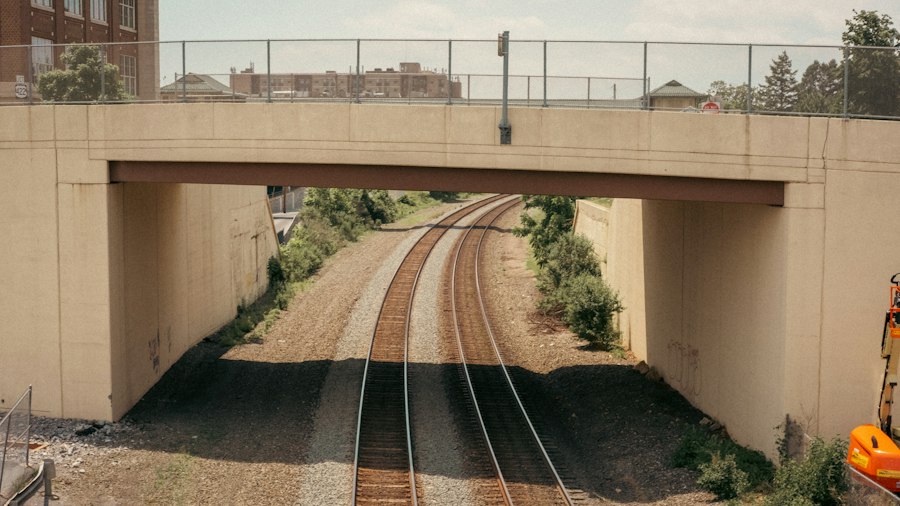
The transformation of a disused railway line into a functional highway is a complex undertaking that demands meticulous engineering and a deep understanding of environmental stewardship. It is far more than simply paving over the existing track bed. Engineers must contend with the unique characteristics of railway infrastructure, which differs significantly from that designed for vehicular traffic. Environmental impacts, often overlooked in the initial railway construction, must be thoroughly assessed and mitigated to ensure sustainable development.
Adapting Railway Engineering for Road Use
The structural integrity of a railway roadbed is designed to withstand the concentrated loads of locomotives and heavy freight cars, transmitted through the ballast and subgrade. While this foundation is robust, it may not be directly suitable for the broader and more dynamic loads of highway traffic. Modifications are often necessary to ensure the longevity and safety of the converted roadway.
Subgrade Stabilization and Drainage
The subgrade, the natural soil foundation beneath the ballast, is a critical element. Railway ballast typically provides excellent drainage for rail lines, but this can lead to rapid drying and potential settlement under the continuous loading of vehicular traffic. Engineers must assess the existing subgrade’s bearing capacity and implement stabilization techniques if necessary. This might involve the addition of aggregate layers, geogrids, or soil cement stabilization to improve strength and prevent differential settlement. Furthermore, the drainage system needs to be re-evaluated and potentially upgraded. While railways rely on ballast for drainage, highways require a more engineered system to manage surface runoff and prevent water infiltration into the pavement structure, which can lead to frost heave and pavement deterioration. This often involves the construction of dedicated ditches, culverts, and sometimes underdrainage systems.
Pavement Design and Construction
The choice of pavement structure is paramount for a successful conversion. Asphalt concrete (flexible pavement) or Portland cement concrete (rigid pavement) are the primary options, with the selection depending on factors such as expected traffic volume, load intensity, climate, and cost. The existing railway ballast is typically removed or significantly re-graded to form the base for the new pavement layers. A crucial step is the construction of a well-compacted granular sub-base to provide a stable platform and distribute loads effectively. The thickness and composition of the asphalt or concrete layers are then determined based on rigorous pavement design methodologies, taking into account factors like traffic loading (number of equivalent single-axle loads), environmental conditions (temperature variations, moisture), and the properties of the underlying layers. The removal of old track materials, including rails, sleepers, and fasteners, is a prerequisite, and their proper disposal or recycling is an important environmental consideration.
Bridge and Tunnel Adaptations
Many former railway lines traverse rivers, valleys, or cut through hills using bridges and tunnels. These structures, while potentially a valuable asset, often require significant adaptation to meet highway standards. Railway bridges, for instance, may have narrower deck widths, different load-bearing capacities, and approaches designed for rail gradients. Widening decks, reinforcing structural elements, and upgrading approaches to accommodate multiple lanes of vehicular traffic and varying highway speeds are common requirements. Similarly, railway tunnels may have clearance limitations for trucks and buses, and their ventilation systems and emergency escape routes might need substantial upgrades to meet highway safety regulations. In some cases, particularly for shorter tunnels, they might be converted into open-cut sections, involving significant earthmoving.
Addressing Environmental Legacies and Opportunities
The conversion process presents both challenges and opportunities for environmental enhancement. The historical operations of railways may have left a legacy of contamination, while the established corridors themselves can offer unique ecological benefits if managed thoughtfully.
Contamination Assessment and Remediation
Railway operations, particularly those involving steam locomotives, often resulted in soil contamination from creosote, coal ash, and spilled oils. A thorough environmental site assessment (ESA) is a critical first step in any RRHC project. This involves sampling and testing soil and groundwater to identify and quantify any contaminants. If significant contamination is found, remediation efforts are necessary to protect human health and the environment. This can range from in-situ treatment methods to the excavation and off-site disposal or treatment of contaminated materials, adding to the project’s cost and complexity. The responsible management of these legacy issues is crucial for the long-term sustainability of the converted infrastructure.
Wildlife Corridors and Habitat Preservation
While railways can act as barriers to wildlife movement, their disused corridors, when carefully managed, can be transformed into valuable ecological assets. The established right-of-way often cuts through fragmented landscapes, and the conversion process provides an opportunity to integrate ecological considerations into the design. This might involve the creation of dedicated underpasses or overpasses for wildlife, allowing them to safely cross the new roadway. Planting native vegetation along the corridor can help create habitat, improve visual aesthetics, and provide ecological connectivity between larger natural areas. The preservation of existing streams and riparian zones that may run alongside the former rail line is also a vital consideration, ensuring that the conversion does not negatively impact water quality or aquatic ecosystems. The goal is to create a transportation corridor that minimizes ecological disruption and, where possible, enhances local biodiversity.
Noise and Visual Impact Mitigation
The introduction of a highway into an area previously served by a railway can significantly alter the noise profile. Mitigation measures, such as the construction of noise barriers, can be implemented, especially in proximity to residential areas. Similarly, careful landscaping with trees and vegetation can help to screen the visual impact of the highway, integrating it more harmoniously into the surrounding landscape and softening the transition from a natural or semi-natural state to a transportation corridor.
Economic and Social Impacts of Railway to Highway Conversion
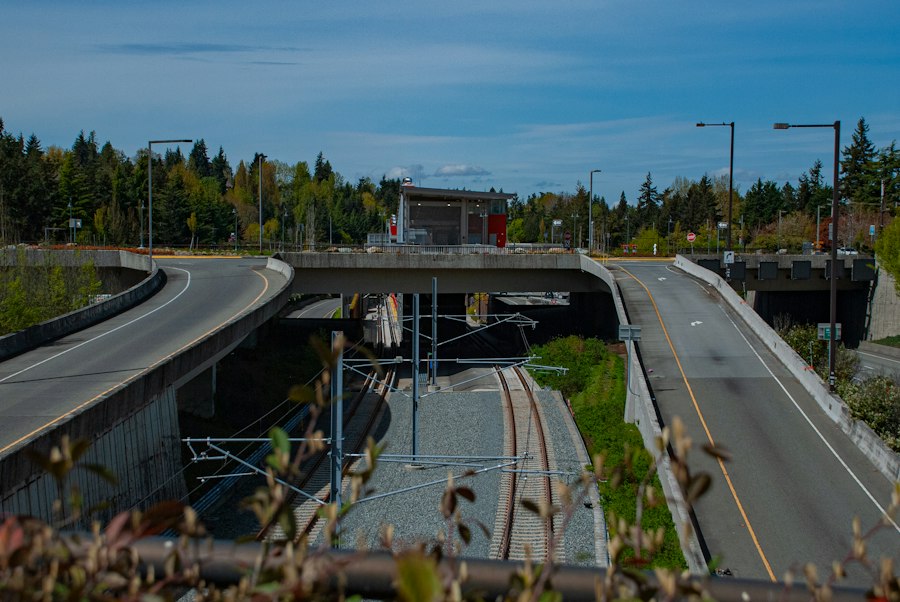
The decision to convert a disused railway corridor into a highway is often driven by economic imperatives and aims to foster social benefits through improved connectivity and development. These projects represent substantial public investments, and their success is measured not only by their engineering feasibility but also by their contribution to economic growth and societal well-being. The economic rationale often centers on increased efficiency for businesses, reduced transportation costs, and the stimulation of new economic activities. Socially, the benefits can manifest as improved access to employment, education, healthcare, and recreational opportunities, as well as enhanced public safety and a reduction in traffic congestion on existing road networks.
Enhancing Economic Efficiency and Development
The creation of new highway capacity through the conversion of railway corridors can have a profound impact on local and regional economies. By providing more direct, faster, and reliable routes for the movement of goods and people, these projects can significantly reduce logistics costs for businesses. This can make industries more competitive, attract new investment, and facilitate the expansion of existing enterprises.
Reducing Transportation Costs and Improving Logistics
For businesses reliant on road transport, the introduction of new, uncongested highway routes can dramatically cut down on travel times and fuel consumption. This efficiency gain translates directly into cost savings, allowing businesses to operate more profitably and to pass on some of these savings to consumers. Furthermore, improved logistics can lead to more predictable delivery schedules, enhancing supply chain reliability and reducing the need for businesses to hold large inventories, thereby freeing up capital. In regions with limited existing road infrastructure, a converted railway corridor can open up new markets and supply chains, enabling businesses to reach customers and suppliers more effectively.
Stimulating Local and Regional Economic Growth
The construction phase of a RRHC project itself generates significant economic activity, creating jobs in construction, engineering, materials supply, and related industries. Once operational, the improved transportation links can act as a catalyst for broader economic development. Businesses may be more inclined to locate or expand in areas with better access, leading to job creation and increased tax revenues for local governments. Furthermore, enhanced connectivity can boost tourism, enabling visitors to access attractions more easily and encouraging longer stays, thereby benefiting the hospitality and leisure sectors. The ability to move goods and people more efficiently can also support the development of specialized industries, such as advanced manufacturing or logistics hubs, that are sensitive to transportation costs and times.
Alleviating Congestion on Existing Road Networks
Many RRHC projects are initiated to address severe congestion on existing roads, particularly in urban and suburban areas. By providing an alternative arterial route, the converted railway corridor can divert a significant portion of traffic, thereby reducing travel times and improving the quality of life for residents who are currently experiencing lengthy commutes. This reduction in congestion can also lead to improved road safety by decreasing the likelihood of accidents caused by stop-and-go traffic and driver frustration. The economic benefits of reduced congestion are substantial, encompassing not only time savings but also reduced vehicle wear and tear and lower emissions from idling vehicles.
The conversion of railway roadbeds into highways has garnered significant attention in recent years, as communities seek innovative solutions to improve transportation infrastructure. A related article discusses the environmental and economic benefits of such conversions, highlighting successful case studies from various regions. For more insights on this topic, you can read the article at My Geo Quest, where the implications of transforming old railways into modern roadways are explored in detail. This approach not only revitalizes unused land but also enhances connectivity for local residents.
Improving Social Equity and Access
Beyond the direct economic benefits, RRHC projects can have a profound positive impact on social equity and access to essential services and opportunities. These projects can connect underserved communities, improve access to education and healthcare, and enhance overall quality of life.
Connecting Underserved Communities and Rural Areas
Disused railway lines often traversed rural areas or connected communities that may have been historically underserved by modern transportation infrastructure. The conversion of these corridors can provide a vital link, integrating these areas more fully into the regional economy and social fabric. Improved access can facilitate the movement of goods from rural producers to markets, support the development of local businesses, and enable residents to access a wider range of employment opportunities in urban centers. For communities that have experienced economic decline due to isolation, the new highway can represent a pathway to revitalization and renewed prosperity.
Enhancing Access to Education and Healthcare
Reliable and efficient transportation is crucial for access to education and healthcare. For students, improved road links can mean shorter and safer commutes to schools and universities. For individuals in rural or remote areas, a new highway can significantly reduce travel times to hospitals and specialized medical facilities, ensuring timely access to critical care. This improved accessibility can lead to better health outcomes and greater educational attainment, contributing to a more equitable society. The ability of healthcare professionals to reach patients in remote areas more effectively can also be enhanced.
Promoting Public Safety and Reducing Accidents
By providing a dedicated, well-designed highway, RRHC projects can enhance public safety. Diverting traffic from less suitable local roads onto a modern highway can reduce the number of accidents, particularly those involving higher speeds or complex intersections. The controlled access nature of many highway designs also contributes to safety by minimizing potential conflict points. Furthermore, the construction process itself often involves upgrading or replacing old, dangerous level crossings that were part of the original railway infrastructure, further enhancing overall safety for both motorists and pedestrians.
Planning, Public Engagement, and Future Outlook
The successful implementation of Railway Roadbed Highway Conversion (RRHC) projects hinges on meticulous planning, robust public engagement, and a clear understanding of their long-term implications. These are not merely engineering feats; they are transformative infrastructure projects that require a holistic approach to ensure they meet the needs of communities and contribute to sustainable development. The future outlook for RRHC is intrinsically linked to the evolving landscape of transportation, the increasing need for efficient infrastructure, and the growing recognition of the value of repurposing existing assets.
Strategic Planning and Feasibility Studies
Before any shovels hit the ground, comprehensive planning and rigorous feasibility studies are essential. These studies form the bedrock of a successful project, ensuring that the conversion is not only technically viable but also economically sound and socially beneficial.
Identifying Suitable Corridors and Assessing Viability
The first step in the strategic planning process involves identifying disused or underutilized railway corridors that possess the characteristics suitable for highway conversion. This requires an analysis of factors such as the corridor’s alignment, gradient, existing earthworks, and proximity to key population centers or economic hubs. Detailed feasibility studies then delve deeper, evaluating the engineering challenges, potential environmental impacts, land acquisition requirements (if any beyond the existing right-of-way), and construction costs. These studies also include detailed traffic forecasting to determine the projected demand for the new highway and to assess its potential impact on existing transportation networks. An economic impact assessment is also crucial, quantifying the potential benefits in terms of job creation, economic growth, and cost savings.
Integrating with Existing Transportation Networks
A critical aspect of planning is ensuring that the converted railway corridor seamlessly integrates with the existing transportation network. This involves careful consideration of where new access points will be located, how the new highway will connect to existing roads and highways, and how it will complement other modes of transport. The goal is to create a cohesive and efficient transportation system, rather than an isolated piece of infrastructure. This integration might involve the construction of new interchanges, the upgrading of existing road junctions, and the development of park-and-ride facilities to encourage multimodal transportation.
Phased Implementation and Future Scalability
Many large-scale RRHC projects may be implemented in phases, allowing for a more manageable approach to funding, construction, and public adaptation. Phased implementation also allows for flexibility, enabling adjustments to the design and scope based on evolving needs and technological advancements. Furthermore, forward-thinking planning should consider the future scalability of the converted corridor. This might involve designing for the potential addition of more lanes, incorporating provisions for future public transport integration (such as dedicated bus lanes), or ensuring that the underlying infrastructure can support future technological innovations like autonomous vehicle infrastructure.
Public Engagement and Stakeholder Collaboration
The success of any major infrastructure project, including RRHC, is heavily dependent on effective communication and collaboration with the public and all relevant stakeholders. Ignoring community concerns or failing to involve key parties can lead to significant delays, opposition, and ultimately, a less effective outcome.
Building Community Support and Addressing Concerns
Engaging with the communities that will be affected by the conversion is paramount. This involves transparent communication about the project’s objectives, benefits, and potential impacts, both positive and negative. Public consultation meetings, workshops, and information dissemination campaigns are vital tools for gathering feedback, addressing concerns about noise, visual impact, and land acquisition, and building trust. A proactive approach to addressing community anxieties can transform potential opposition into support. This might involve incorporating community-suggested design modifications, implementing enhanced mitigation measures, or establishing community liaison committees.
Collaborating with Government Agencies and Private Sector Partners
RRHC projects often involve multiple government agencies at local, regional, and national levels, as well as private sector entities such as construction companies, engineering firms, and potentially, private investors. Effective collaboration among these stakeholders is essential for smooth project execution. This involves establishing clear lines of communication, defining roles and responsibilities, and fostering a shared vision for the project’s success. Public-private partnerships (PPPs) can be a valuable mechanism for financing and delivering these complex projects, leveraging the strengths of both sectors.
Long-Term Monitoring and Adaptive Management
Once the conversion is complete and the highway is operational, ongoing monitoring is crucial. This includes monitoring traffic flow, infrastructure performance, environmental conditions, and community satisfaction. Adaptive management, which involves using the data gathered from monitoring to make adjustments and improvements to the infrastructure and its operation over time, is key to ensuring its long-term success and relevance. This iterative process allows for the highway to evolve and better serve the needs of its users and the surrounding environment.
The Future Outlook for Railway Roadbed Highway Conversion
The concept of Railway Roadbed Highway Conversion is likely to become increasingly relevant in the coming decades. As urban populations continue to grow and the demand for efficient transportation infrastructure intensifies, the strategic repurposing of existing assets will be a crucial component of sustainable development.
A Sustainable Approach to Infrastructure Development
In an era of increasing environmental awareness and resource constraints, RRHC offers a more sustainable approach to infrastructure development compared to building entirely new greenfield highways. By utilizing existing corridors, these projects often require less land acquisition, minimize habitat fragmentation, and can incorporate lessons learned from past environmental impacts. The reuse of materials from decommissioned rail lines, where feasible, can further enhance the sustainability credentials of these conversions.
Complementing Multimodal Transportation Strategies
The future of transportation is increasingly envisioned as a multimodal ecosystem, where various forms of transport – rail, road, public transit, cycling, and walking – are integrated to provide seamless and efficient mobility. RRHC projects can play a vital role in this future by providing the backbone of efficient road networks that complement and connect with other transportation modes. This might involve the development of integrated transport hubs where passengers can easily switch between rail services, bus routes, and the new highway, or the provision of dedicated lanes for high-occupancy vehicles (HOVs) or future public transport services.
A New Chapter for Enduring Infrastructure
The transformation of railway corridors into highways represents a new and exciting chapter for infrastructure that has served its original purpose for generations. It is a testament to the foresight and engineering prowess of the past, and a pragmatic solution for the transportation challenges of the future. By breathing new life into these enduring ribbons of earth and steel, RRHC projects ensure that these valuable assets continue to contribute to economic prosperity, social well-being, and sustainable development for decades to come. This evolution demonstrates a remarkable capacity for infrastructure adaptation, turning historical investments into contemporary solutions for mobility.

The Railroad That Bet on the Panama Canal—and Lost
FAQs
What is a railway roadbed highway conversion?
A railway roadbed highway conversion is the process of transforming an existing railway roadbed into a highway for vehicular traffic.
Why would a railway roadbed be converted into a highway?
There are several reasons for converting a railway roadbed into a highway, including the need to improve transportation infrastructure, increase road capacity, or repurpose underutilized railway tracks.
What are the steps involved in converting a railway roadbed into a highway?
The steps involved in converting a railway roadbed into a highway typically include removing the railway tracks, grading and compacting the roadbed, constructing new road surfaces, installing drainage systems, and adding signage and safety features.
Are there any challenges associated with railway roadbed highway conversions?
Some challenges associated with railway roadbed highway conversions include the need for proper planning and coordination, potential environmental impacts, securing funding for the project, and addressing any legal or regulatory issues.
Can railway roadbed highway conversions benefit the community?
Yes, railway roadbed highway conversions can benefit the community by improving transportation efficiency, reducing traffic congestion, enhancing connectivity between regions, and promoting economic development in the area.