
The Iron Horse’s Echo: A Journey Through Time
The rhythmic clatter of wheels on steel, the mournful wail of a distant whistle, the immense power that reshaped continents – these are the sensory echoes that resonate through “Railroad History Documentary: Tracing the Tracks of Time.” This meticulously crafted documentary embarks on an ambitious journey, not merely narrating the evolution of railroads, but immersing the viewer in the very soul of this transformative technology. From its nascent, rudimentary beginnings to its status as a global behemoth, the film weaves a compelling tapestry of innovation, human endeavor, social upheaval, and the enduring legacy of the iron horse. It’s a visual and auditory exploration that delves deep into the engineering marvels, the political machinations, the economic forces, and the personal stories that have been inextricably linked to the development of railway networks.
The documentary’s strength lies in its comprehensive scope, refusing to shy away from the complexities and contradictions inherent in the railroad’s rise. It doesn’t just present the gleaming locomotives and heroic engineers; it also confronts the harsh realities of their construction, the displacement of communities, the exploitation of labor, and the profound environmental impacts. This nuanced approach ensures a richer, more authentic understanding of how railroads didn’t just connect places, but fundamentally altered the course of human history, shaping economies, cultures, and landscapes in ways that continue to ripple through modern society.
For those interested in delving deeper into the fascinating history of railroads, a related article can be found at this link: Railroad History Documentary. This documentary explores the pivotal role that railroads played in shaping the economic and social landscape of the United States, highlighting key innovations and milestones that transformed transportation.
The Dawn of the Iron Horse: From Tramways to Steam

The initial segment of “Tracing the Tracks of Time” meticulously reconstructs the very genesis of rail transportation. It begins not with the grand steam engines of popular imagination, but with the far humbler origins of horse-drawn tramways and wagonways. Viewers are transported to the industrial heartlands of Britain, where early mining operations relied on rudimentary tracks to move coal and ore from pitheads to canals or ports. The documentary effectively uses archival illustrations and expert commentary to paint a vivid picture of these early systems, highlighting the rudimentary engineering and the sheer back-breaking labor involved. The emphasis here is on the incremental nature of innovation, showing how a simple desire for more efficient haulage gradually led to the development of smoother, more durable tracks and specialized rolling stock.
Early Innovations and the Dawn of Steam Power
The pivot point, of course, is the advent of steam power. The film dedicates considerable time to the pivotal figures and inventions that propelled this revolution. George Stephenson, Richard Trevithick, and Isambard Kingdom Brunel are presented not just as historical names, but as visionary individuals driven by an unyielding spirit of ingenuity. The documentary showcases the evolution of the steam locomotive, from the early, often unreliable experimental models to the iconic engines that would soon conquer vast distances. Through detailed animations and rare footage, viewers witness the complex interplay of pistons, boilers, and wheels, understanding the fundamental principles that harnessed the power of steam. The challenges faced – from boiler explosions to the search for robust materials – are explored, underscoring the risks and rewards of this groundbreaking era. The iconic Rocket, Stephenson’s triumph, is given special attention, demonstrating how its design principles laid the foundation for future locomotive development. The documentary also touches upon the early passenger experiences, contrasting the luxury afforded to the wealthy with the often cramped and uncomfortable conditions for the majority, foreshadowing the social stratification that railways would both reflect and influence. The concept of the “public” versus “private” enterprise in these early ventures is also explored, hinting at the complex regulatory and economic debates that would follow.
The Rise of the Railway Mania
The documentary masterfully captures the feverish excitement and speculative frenzy that characterized the “Railway Mania” of the mid-19th century. It illustrates how the perceived immense profitability of railway ventures led to a gold rush mentality, with companies springing up at an astonishing rate. Expert historians explain the economic and social factors that fueled this boom, including the availability of capital, the public’s fascination with new technology, and the promise of connecting distant markets. Archival documents, newspaper clippings, and vivid reenactments bring to life the chaotic atmosphere of stock exchanges and the intense competition for routes and concessions. The film also delves into the darker side of this mania, exposing the fraudulent schemes, the overvaluation of assets, and the eventual inevitable crash that left many investors ruined. This period, while marked by progress, also serves as a cautionary tale about unchecked ambition and the perils of speculation. The environmental consequences of this rapid expansion are also touched upon, with images of scarred landscapes and the felling of forests to clear paths for the iron arteries.
Connecting a Continent: The American Railroad Saga
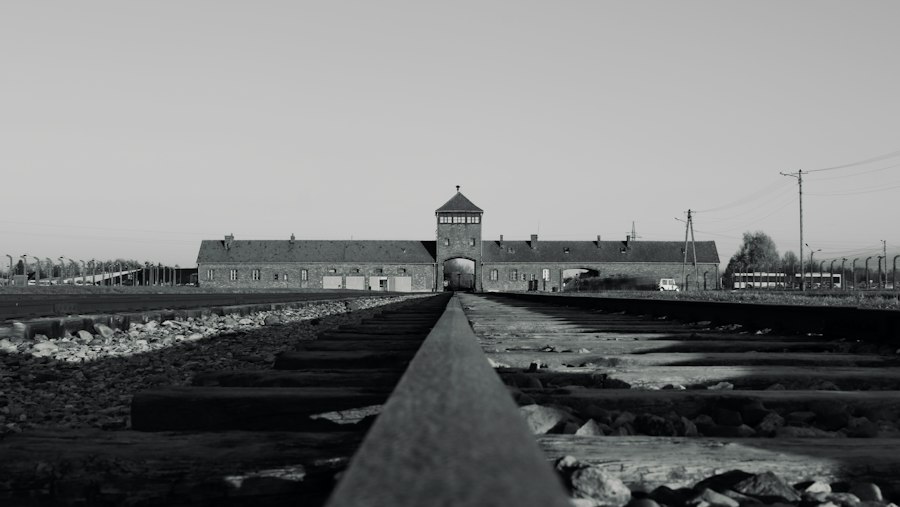
The documentary shifts its focus to the monumental undertaking of building a transcontinental railroad across the vast and often unforgiving landscape of North America. This section is a testament to human endurance, engineering prowess, and the sheer scale of ambition that characterized the American westward expansion. The challenges are presented in stark detail: traversing treacherous mountain ranges, crossing vast plains, and the constant threat of harsh weather and hostile encounters.
The Great Plains and the Race East and West
The narrative vividly portrays the parallel efforts of the Union Pacific and Central Pacific Railroad companies, emphasizing the intense rivalry and the race to be the first to connect the nation. Viewers witness the back-breaking labor of Irish immigrants and Civil War veterans who formed the backbone of the Union Pacific workforce, battling blizzards in winter and extreme heat in summer. The Chinese laborers, facing discrimination and perilous working conditions, are given a vital spotlight for their indispensable role in constructing the Central Pacific line through the Sierra Nevada mountains. The documentary uses compelling interviews with descendants and historical accounts to convey the immense sacrifices made by these workers. The sheer logistical feat of transporting materials and supplies across such immense distances is also highlighted, showcasing the ingenuity of the time. The construction of bridges, tunnels, and the laying of thousands of miles of track are presented with a sense of awe, underscoring the magnitude of the achievement. The cultural impact of this westward expansion, including the displacement of Native American populations and the exploitation of natural resources, is also explored with sensitivity.
The Impact on Society and Economy
Beyond the physical construction, the documentary meticulously details the profound societal and economic transformations wrought by the transcontinental railroad. It illustrates how the railroad dramatically reduced travel times, opening up the American West for settlement, agriculture, and industry. Towns and cities sprang up along its route, transforming frontier outposts into burgeoning centers of commerce. The film showcases how the railroad facilitated the movement of goods and raw materials, fueling industrial growth and creating national markets. Expert analysis explains the economic theories behind this boom, the rise of powerful industrialists like Cornelius Vanderbilt, and the consolidation of wealth and power that accompanied the railway’s dominance. The impact on agriculture is particularly emphasized, with the ability to transport crops to distant markets revolutionizing farming practices and contributing to the nation’s food supply. The documentary also touches on the cultural impact, the “cowboy” era, and the romanticized image of the West that was inextricably linked to the railroad. The exploitation of labor and the environmental consequences of this rapid industrialization are also brought to the fore, providing a balanced perspective.
The Golden Age and Global Networks
As the 20th century dawned, railroads entered what is often termed their “golden age.” “Tracing the Tracks of Time” expertly captures the opulence, efficiency, and pervasive influence of this era. Across the globe, vast railway networks were being established, connecting nations, fostering international trade, and facilitating cultural exchange on an unprecedented scale.
Luxury and Innovation in Rail Travel
This segment of the documentary immerses viewers in the glamour of luxury rail travel. Through lavish archival footage and meticulously recreated interiors, audiences experience the grandeur of opulent dining cars, plush sleeping compartments, and elegantly attired passengers. The film highlights the engineering marvels that allowed for smoother, faster, and more comfortable journeys. Innovations like the Pullman car, air brakes, and sophisticated signaling systems are explained, emphasizing how they transformed rail travel from a arduous necessity into a sophisticated experience. The documentary also explores the social implications of this era, showcasing how railroads created new forms of leisure and tourism, and how they became symbols of national prestige and technological advancement. The routes themselves become characters, from the legendary Orient Express to the pioneering transcontinental lines of Canada and Australia, each with its own unique story of construction and cultural impact. The evolution of locomotive design, with more powerful and aesthetically pleasing engines, is also showcased, highlighting the artistry and engineering that went into these machines. The film also touches upon the development of dedicated freight lines, underscoring the dual role of railways in both passenger and commercial transport.
The Railroad as a Tool of Empire and Commerce
The documentary delves into the critical role of railways in the expansion and maintenance of global empires. It illustrates how colonial powers used railway construction to secure territories, exploit resources, and facilitate troop movements. The construction of lines in India, Africa, and South America is examined, revealing both the economic benefits and the exploitative nature of these endeavors. Experts discuss the strategic importance of railways in projecting power and controlling vast swathes of territory. Furthermore, the film highlights the railway’s role in fostering global commerce. It explains how interconnected rail networks enabled the efficient transport of raw materials from mines and plantations to factories, and the distribution of finished goods to markets across continents. The emergence of international trade routes and the standardization of railway gauges are discussed, underscoring the globalizing influence of this technology. The documentary also touches upon the geopolitical implications, the “Great Game” played out through railway construction in Central Asia, and the strategic importance of these lines in times of conflict.
If you’re interested in the fascinating evolution of railroads and their impact on society, you might find a related article on the history of railroads in America quite enlightening. This piece delves into the technological advancements and cultural shifts brought about by the expansion of rail networks. You can read more about it in this insightful article on railroad history. The documentary you are exploring also touches on these themes, making it a perfect companion to deepen your understanding of this transformative era.
The Age of Decline and the Resurgence of Rail
| Year | Event | Significance | Documentary Example | Duration (minutes) |
|---|---|---|---|---|
| 1825 | Opening of Stockton and Darlington Railway | First public railway to use steam locomotives | “The Birth of Railways” | 45 |
| 1869 | Completion of the First Transcontinental Railroad (USA) | Connected East and West coasts, revolutionizing transport | “Rails Across America” | 60 |
| 1883 | Opening of the Brooklyn Bridge | Facilitated rail and pedestrian traffic in New York | “Bridging the Rails” | 30 |
| 1934 | Introduction of the Streamlined Locomotive | Improved speed and efficiency of passenger trains | “Speeding Through History” | 50 |
| 1964 | Launch of Japan’s Shinkansen (Bullet Train) | First high-speed rail service in the world | “Bullet Train Revolution” | 55 |
The latter half of the 20th century saw a dramatic shift in transportation paradigms. “Tracing the Tracks of Time” unflinchingly confronts the factors that led to the decline of passenger rail in many parts of the world, while also charting its remarkable resurgence in recent years.
Competition and the Rise of the Automobile
The documentary meticulously details the complex interplay of factors that led to the decline of passenger rail. The rise of the automobile is presented as a primary disruptor, offering individual freedom and convenience that the fixed routes of railways could not match. The development of the interstate highway system in the United States, often facilitated by government subsidies and private lobbying efforts, is explored as a significant blow to rail networks. The film also examines the economic challenges faced by rail companies, including rising operating costs, increased competition from trucking for freight, and the perceived lack of investment compared to other transportation sectors. Expert commentary discusses the political decisions and economic policies that inadvertently favored road and air travel, leading to the abandonment of many lines and the diminished role of passenger rail. The impact on rural communities that were once served by rail is also explored, highlighting the isolation that resulted from the loss of this vital connection. The shift in consumer preferences, influenced by advertising and changing lifestyles, is also a key consideration.
Modern Innovations and the Future of Rail
Despite the challenges, the documentary offers a hopeful outlook by showcasing the innovations and renewed interest in rail travel. The development of high-speed rail networks in Europe and Asia is presented as a testament to the enduring potential of this mode of transportation. Viewers witness the sleek lines and incredible speeds of trains like the Shinkansen and the TGV, illustrating how modern engineering has made rail travel competitive with air travel over medium distances. The film also explores the growing importance of freight rail in a globalized economy, highlighting its efficiency and environmental benefits compared to other modes of transport. The resurgence of urban and suburban rail systems, driven by concerns about traffic congestion and environmental sustainability, is also a significant focus. Experts discuss the integration of rail with other forms of public transportation and the ongoing development of smart technologies to improve efficiency and passenger experience. The documentary concludes by emphasizing the sustainability advantages of rail, its lower carbon footprint, and its potential role in addressing climate change, suggesting that the iron horse, far from being a relic of the past, may well be a vital component of future transportation solutions. The economic and social benefits of investing in modern rail infrastructure are also a key point of discussion.
The Enduring Legacy: More Than Just Tracks
The final segment of “Tracing the Tracks of Time” transcends the mere chronicle of dates and technological advancements. It delves into the profound and often intangible legacy of railroads, exploring their impact on culture, identity, and the very fabric of modern society.
Railroads in Culture and Imagination
The documentary explores how railroads have captured the human imagination, becoming potent symbols in literature, film, music, and art. From the romanticized image of the lone cowboy riding alongside the train to the gritty realism of working-class stories set against the backdrop of bustling stations, railroads have provided a rich source of narrative and imagery. Viewers are treated to compelling examples of how these narratives have shaped our understanding of progress, adventure, and the American experience. Expert analysis discusses the symbolism of the railroad as a force of both connection and disruption, a harbinger of change and a pathway to opportunity. The film also touches upon the enduring allure of steam locomotives, their nostalgic appeal and their presence in historical reenactments and heritage railways, demonstrating that the romance of the rails continues to resonate. The imagery of the open road, contrasted with the fixed path of the railway, is explored as a recurring motif in cultural discourse. The documentary highlights how railroads have been used as metaphors for life journeys, for the flow of time, and for the vastness of the unknown.
The Railroad’s Impact on Infrastructure and Urbanization
Beyond their cultural imprint, the documentary powerfully illustrates how railroads fundamentally reshaped the physical landscape and patterns of urbanization. It demonstrates how the development of rail lines spurred the growth of towns and cities, transforming them into vital hubs of commerce and transportation. The film showcases historical maps and aerial views to highlight how the arteries of the railway dictated the expansion of settlements and the development of infrastructure. Expert historians explain the economic principles behind this phenomenon, the creation of transportation corridors, and the subsequent ripple effect on land use and development. The documentary also touches upon the challenges associated with railway infrastructure, including the need for extensive land acquisition, the engineering required to overcome geographical obstacles, and the ongoing maintenance and modernization of these complex systems. The impact on rural economies, the ability to access distant markets for agricultural products, and the subsequent demographic shifts are also discussed. The enduring presence of railway stations as iconic architectural landmarks in many cities is also a point of consideration, reflecting their historical importance as gateways to the wider world. The documentary concludes by reinforcing the idea that the legacy of the railroad is not merely a collection of historical facts, but a living testament to human ingenuity and the transformative power of connection, a legacy that continues to shape our world in profound and often unexpected ways.
The Railroad That Bet on the Panama Canal—and Lost
FAQs
1. What is the significance of railroad history documentaries?
Railroad history documentaries provide valuable insights into the development of the railway industry, its impact on society, and the technological advancements that have shaped the modern world.
2. How are railroad history documentaries created?
Railroad history documentaries are typically produced by researching historical records, interviewing experts and historians, collecting archival footage and photographs, and filming on location at significant railway sites.
3. What are some popular railroad history documentaries?
Some popular railroad history documentaries include “The Iron Horse: The History of the Railway,” “American Experience: The Transcontinental Railroad,” and “Trains Unlimited: A Journey through Railway History.”
4. How do railroad history documentaries contribute to education?
Railroad history documentaries serve as educational tools by providing a visual and engaging way to learn about the history of railways, their impact on transportation and trade, and the stories of the people who built and operated them.
5. Where can one watch railroad history documentaries?
Railroad history documentaries can be found on streaming platforms like Netflix, Amazon Prime Video, and PBS, as well as on dedicated documentary channels and websites specializing in historical content.