
The lifeblood of South Asia flows through its mighty rivers, shaping landscapes, nurturing agriculture, and sustaining millions. Yet, these very arteries of life also present profound vulnerabilities for the communities that dwell along their banks. These riverine populations, often comprised of marginalized groups, face a relentless barrage of challenges, from the capricious nature of water to the slow creep of environmental degradation and the blunt force of human-induced pressures. Protecting these vulnerable communities is not merely a humanitarian imperative; it is crucial for the socio-economic stability and ecological integrity of the entire region.
The Multifaceted Vulnerabilities of Riverine Communities
The inhabitants of South Asia’s riverine belts exist in a delicate symbiosis with their aquatic neighbors. This relationship, however, is increasingly characterized by an imbalance, tilting towards vulnerability. These communities, often impoverished and with limited access to resources and power, are disproportionately affected by a confluence of factors that threaten their livelihoods, safety, and cultural heritage.
The Fury of Water: Floods and Droughts
The most immediate and devastating threat to riverine communities stems from the inherent variability of river systems. Monsoonal rains, while essential for agriculture, can unleash catastrophic floods. These inundate homes, destroy crops and livestock, disrupt transportation and communication networks, and can lead to widespread displacement and loss of life. The suddenness and scale of these events leave little time for preparation or evacuation, especially for those living in low-lying areas or with limited mobility. Conversely, the same river systems can falter during prolonged dry spells, leading to severe droughts. This scarcity of water impacts agriculture, drinking water availability, and sanitation, exacerbating existing health problems and leading to food insecurity. The cyclical nature of both floods and droughts creates a persistent state of uncertainty and economic hardship, trapping communities in a perpetual state of recovery and precarity. The intensification of climate change is further amplifying the frequency and severity of these extreme weather events, pushing these vulnerable populations to their breaking point.
Environmental Degradation and Pollution
Beyond the direct impact of water levels, the ecological health of the rivers themselves is a growing concern. Deforestation in upstream catchment areas leads to increased soil erosion, resulting in siltation that alters river courses and exacerbates flooding. Industrial and domestic pollution contaminate river water, rendering it unsafe for consumption, agriculture, and aquatic life. Agricultural runoff, laden with pesticides and fertilizers, creates dead zones and harms biodiversity. The plastic waste choking many of these rivers further damages ecosystems and poses a direct threat to human health through the food chain. These environmental stressors not only diminish the ecological services provided by the rivers but also directly impact the health and livelihoods of communities that depend on them for fishing, irrigation, and as a source of potable water. The cumulative effect of pollution can lead to chronic health issues, including waterborne diseases and long-term exposure to toxins.
Socio-Economic Disparities and Marginalization
The vulnerability of riverine communities is deeply rooted in their socio-economic status. Many of these populations belong to marginalized groups, including ethnic minorities, scheduled castes, and landless laborers, who already face systemic discrimination and exclusion. They often reside on encroached public land or in informal settlements, lacking secure tenure and basic amenities. Their limited access to education, healthcare, and financial resources makes it difficult to adapt to changing conditions or recover from disasters. Furthermore, their voices are often unheard in decision-making processes related to water management, infrastructure development, and disaster preparedness, further entrenching their vulnerability. The economic activities of these communities, such as small-scale farming and fishing, are highly sensitive to environmental changes and water availability, making them particularly susceptible to economic shocks.
Infrastructure Deficiencies and Development Pressures
Planned and unplanned development projects can also inadvertently increase the vulnerability of riverine communities. The construction of dams, barrages, and embankments, while intended for flood control or irrigation, can alter natural water flow, leading to increased erosion downstream or waterlogging in certain areas. Displacement due to such projects, without adequate rehabilitation and compensation, can sever social ties and economic opportunities. Furthermore, the lack of proper infrastructure, such as adequate drainage systems, robust flood defenses, and reliable early warning systems, exacerbates the impact of natural hazards. Inadequate healthcare facilities and limited access to emergency services mean that when disasters strike, the response is often slow and insufficient, leading to greater loss of life and suffering.
Vulnerable riverine communities in South Asia face numerous challenges, including climate change, flooding, and resource scarcity. An insightful article that delves into the struggles and resilience of these communities can be found at My Geo Quest. This resource provides valuable information on the socio-economic impacts of environmental changes on riverine populations and highlights potential strategies for adaptation and support.
Navigating the Complexities: Challenges in Protection Efforts

Addressing the vulnerabilities of South Asian riverine communities is fraught with challenges, often stemming from the very governance structures and developmental paradigms in place. Effective protection requires overcoming deep-seated issues of policy, implementation, and inclusivity.
Governance and Policy Gaps
A significant hurdle lies in the fragmented and often uncoordinated nature of water resource management and disaster response in the region. Different government agencies, often working in silos, may have conflicting mandates and priorities regarding river management, land use, and development. Policy frameworks can be outdated, failing to adequately address the evolving realities of climate change and increasing population pressures. There is often a lack of integrated planning that considers the socio-ecological dynamics of river basins. Enforcement of existing regulations, particularly those related to pollution control and environmental impact assessments, is frequently weak, allowing for continued degradation. The absence of clear lines of accountability for disaster preparedness and response further complicates efforts.
Limited Resources and Capacity
Many of the countries in South Asia face significant financial constraints, limiting the resources available for implementing comprehensive protection measures. This scarcity affects everything from the construction and maintenance of flood defenses to the provision of adequate healthcare and livelihood support programs. Furthermore, there is often a deficit in technical expertise and institutional capacity for effective disaster risk reduction, climate change adaptation, and sustainable water management. Local government bodies and community organizations, which are often on the frontlines of response, may lack the necessary training, equipment, and funding to operate effectively. This capacity gap hinders the ability to implement innovative solutions and scale up successful interventions.
Data Scarcity and Inadequate Monitoring
Effective decision-making requires reliable data. However, in many riverine areas of South Asia, there is a scarcity of comprehensive and up-to-date data on factors such as water levels, rainfall patterns, flood inundation, pollution levels, and the socio-economic profiles of vulnerable communities. This lack of data makes it difficult to accurately assess risks, design appropriate interventions, and monitor their effectiveness. Existing monitoring systems may be outdated or insufficient, failing to provide timely and actionable information. Without robust data collection and analysis, efforts to protect communities can be misdirected or ineffective.
Social and Political Barriers to Inclusion
Ensuring that protection efforts reach the most vulnerable requires overcoming deeply ingrained social and political barriers. Marginalized communities often lack the social capital and political influence to advocate for their needs effectively. Their voices may be excluded from consultation processes, leading to interventions that do not address their specific requirements or may even be detrimental. Furthermore, corruption and vested interests can divert resources away from intended beneficiaries or compromise the quality of infrastructure and services. Building trust between communities and governing bodies, and fostering genuine participation, are critical but often difficult to achieve.
Charting a Course Towards Resilience: Effective Solutions

While the challenges are formidable, a range of solutions exists to bolster the resilience of South Asian riverine communities. These solutions require a multi-pronged approach that integrates technological innovation, policy reform, community empowerment, and sustainable environmental practices.
Integrated Water Resource Management and Flood Preparedness
A fundamental shift towards Integrated Water Resource Management (IWRM) is essential. This approach emphasizes coordinated management of water, land, and related resources to maximize economic and social welfare without compromising the sustainability of vital ecosystems. IWRM involves cross-sectoral collaboration between ministries of water, agriculture, environment, and disaster management. Investing in robust flood forecasting and early warning systems, coupled with effective dissemination mechanisms, is paramount. These systems must be accessible to all, including those in remote areas and without access to modern communication technologies. Developing and maintaining effective flood control infrastructure, such as embankments and drainage systems, while considering their ecological impact, is also crucial. Crucially, these infrastructure projects must be accompanied by comprehensive resettlement and rehabilitation plans that prioritize the well-being and livelihoods of displaced communities.
Sustainable Livelihood Diversification and Climate-Resilient Agriculture
Reducing dependence on climate-sensitive livelihoods is key to long-term resilience. Promoting the diversification of income-generating activities, such as eco-tourism, handicrafts, and small-scale aquaculture, can provide alternative economic opportunities. Supporting the adoption of climate-resilient agricultural practices is also vital. This includes promoting drought-tolerant crop varieties, water-efficient irrigation techniques (like drip irrigation), and soil conservation measures. Training farmers in these techniques and providing access to relevant inputs and financial support are critical components. Furthermore, establishing community-based seed banks can help preserve local biodiversity and ensure access to appropriate seed varieties in times of need.
Strengthening Community-Based Disaster Risk Reduction and Local Governance
Empowering local communities to take ownership of their own safety and resilience is a cornerstone of effective protection. This involves strengthening community-based disaster risk reduction (CBDRR) initiatives. CBDRR programs equip communities with the knowledge, skills, and resources to assess their own risks, develop preparedness plans, and respond to emergencies. This includes training in first aid, search and rescue, and shelter management. Fostering strong local governance structures, with active participation from all community members, including women and marginalized groups, is essential. This ensures that decision-making processes are inclusive and responsive to local needs. Providing local authorities and community organizations with the necessary funding, training, and authority to act independently in times of crisis is also crucial.
Ecosystem Restoration and Pollution Control Measures
Restoring and protecting the ecological health of rivers is a long-term investment in community resilience. This involves implementing comprehensive afforestation and reforestation programs in catchment areas to reduce soil erosion and improve water quality. Strict enforcement of regulations to control industrial and domestic pollution is essential, alongside investments in wastewater treatment facilities. Promoting responsible waste management practices within communities and supporting initiatives to clean up rivers of plastic and other debris will contribute to a healthier aquatic environment. Encouraging sustainable fishing practices and protecting aquatic biodiversity will ensure the long-term viability of livelihoods dependent on the river ecosystem.
Enhancing Access to Social Protection and Healthcare
Robust social protection mechanisms are vital for cushioning vulnerable communities from the shocks of disasters and environmental degradation. This includes strengthening social safety nets, such as cash transfer programs, food security initiatives, and unemployment benefits, to provide a safety net during times of hardship. Ensuring access to quality healthcare, including mental health services, is also paramount. This involves establishing well-equipped health facilities in riverine areas and training healthcare workers in disaster response and the management of waterborne diseases. Public health campaigns on hygiene and sanitation are crucial for preventing the spread of diseases, especially in post-disaster scenarios.
Innovation and Technology: Tools for Enhanced Protection
The application of innovative technologies and approaches can significantly enhance the effectiveness of protection efforts for riverine communities. These tools can improve monitoring, early warning, response, and the overall resilience of these populations.
Advanced Forecasting and Early Warning Systems
Leveraging advancements in meteorology and hydrology, coupled with satellite technology and ground sensors, can lead to more accurate and timely flood forecasting. Real-time data collection on river levels, rainfall intensity, and soil moisture can feed into sophisticated predictive models. This information can then be disseminated through a multi-channel approach, utilizing mobile alerts, community radio, and established local networks to ensure it reaches even the most remote populations. The development of user-friendly interfaces for these warning systems, tailored to different literacy levels and technological access, is crucial for their effectiveness. This includes visual aids and local language dissemination.
Remote Sensing and Geographic Information Systems (GIS)
Remote sensing technologies, such as satellite imagery, can provide invaluable data for mapping flood-prone areas, identifying vulnerable settlements, and monitoring changes in river courses and land use. Geographic Information Systems (GIS) can integrate this data with socio-economic information to create detailed risk maps. These maps can inform land-use planning, guide infrastructure development away from high-risk zones, and assist in the efficient allocation of resources during disaster response. GIS can also be used to visualize vulnerability, helping to identify specific communities and households that require targeted assistance.
Mobile Technology and Digital Platforms
Mobile phones, now ubiquitous in many parts of South Asia, offer a powerful platform for communication and information dissemination. Beyond early warning alerts, mobile applications can be developed to provide real-time information on weather forecasts, market prices for agricultural produce, and access to government services. Digital platforms can also facilitate community reporting of environmental issues, such as pollution or illegal sand mining, allowing for quicker intervention. Furthermore, mobile money services can expedite the disbursement of financial aid to affected communities during emergencies, ensuring timely access to essential resources.
Climate-Smart Agriculture Technologies
The adoption of climate-smart agriculture technologies can significantly enhance the adaptive capacity of riverine farming communities. This includes the use of weather-resistant crop varieties developed through advanced breeding techniques. Drip irrigation and other water-efficient technologies can help optimize water use in times of scarcity. Precision agriculture techniques, utilizing sensors and data analytics, can help farmers make informed decisions about planting, fertilization, and irrigation, thereby reducing waste and increasing yields. The development and dissemination of affordable and locally adaptable versions of these technologies are crucial for their widespread adoption.
Community-Managed Information Systems
Beyond top-down technological solutions, fostering community-managed information systems can be highly effective. This involves training community members to collect and share data on local conditions, such as water quality, the presence of disease vectors, or early signs of riverbank erosion. These localized data points, when aggregated and analyzed, can provide valuable ground-level intelligence that complements broader monitoring efforts. This approach not only empowers communities but also ensures that data collection is relevant to their immediate concerns and lived experiences.
Vulnerable riverine communities in South Asia face numerous challenges, including climate change and environmental degradation, which threaten their livelihoods and well-being. A recent article highlights the urgent need for sustainable development practices to support these communities and protect their ecosystems. For more insights on this critical issue, you can read the full article here. By addressing these challenges, we can help ensure a more resilient future for those who depend on river systems for their survival.
The Path Forward: Collaboration and Sustained Commitment
| Country | River Basin | Estimated Vulnerable Population | Primary Vulnerabilities | Common Livelihoods | Annual Flood Frequency | Access to Clean Water (%) |
|---|---|---|---|---|---|---|
| Bangladesh | Ganges-Brahmaputra-Meghna | 15 million | Flooding, riverbank erosion, salinity intrusion | Fishing, agriculture | 3-4 times | 65 |
| India | Ganges | 20 million | Flooding, water pollution, displacement | Farming, fishing | 2-3 times | 70 |
| Nepal | Ganges Tributaries (Karnali, Gandaki) | 3 million | Landslides, flooding, sedimentation | Agriculture, livestock | 1-2 times | 55 |
| Pakistan | Indus | 10 million | Flooding, water scarcity, salinity | Farming, fishing | 1-2 times | 60 |
| Bhutan | Manas, Drangme Chhu | 0.5 million | Flash floods, landslides | Agriculture, forestry | 1 time | 80 |
| Myanmar | Irrawaddy | 5 million | Flooding, cyclones, sedimentation | Fishing, farming | 2-3 times | 50 |
Protecting vulnerable riverine communities in South Asia is a complex undertaking that demands a sustained, collaborative, and people-centered approach. The challenges are deeply intertwined with socio-economic inequalities, environmental degradation, and the impacts of climate change. No single entity or solution can address this multifaceted crisis.
Multi-Stakeholder Partnerships and Coordination
Effective protection necessitates strong partnerships between governments at all levels, local communities, civil society organizations, academic institutions, and the private sector. Governments must take the lead in creating enabling policy environments, providing essential resources, and ensuring coordinated action across different agencies. Civil society organizations play a crucial role in advocating for vulnerable groups, facilitating community participation, and implementing grassroots initiatives. Academic institutions can contribute through research, data analysis, and the development of innovative solutions. The private sector can be engaged through corporate social responsibility initiatives, investment in climate-resilient infrastructure, and the adoption of sustainable business practices. Regular dialogues and platforms for collaboration are essential to foster trust, share best practices, and avoid duplication of efforts.
Empowering Local Communities and Ensuring Inclusivity
At the heart of any successful protection strategy lies the empowerment of the communities themselves. This means moving beyond top-down approaches and actively involving riverine populations in every stage of planning, implementation, and monitoring of interventions. Their traditional knowledge, local experiences, and priorities must be respected and integrated into decision-making processes. Ensuring that marginalized groups, including women, indigenous peoples, and the landless, have a voice and are actively included is paramount. This requires addressing existing power imbalances and creating safe spaces for their participation. Capacity building at the local level, equipping communities with the skills and knowledge to manage their own risks and advocate for their rights, is a critical investment.
Climate Change Adaptation and Long-Term Resilience Building
The escalating impacts of climate change demand a proactive and adaptive approach. Protection efforts must not only focus on immediate disaster response but also on building long-term resilience. This involves integrating climate change adaptation strategies into all development plans and water management policies. Investing in climate-resilient infrastructure, promoting sustainable land and water use practices, and diversifying livelihoods are crucial steps. The development of robust social protection systems that can buffer communities against climate-related shocks is also essential. Prioritizing nature-based solutions, such as ecosystem restoration, can offer cost-effective and sustainable ways to enhance resilience.
Sustained Investment and Political Will
Addressing the vulnerabilities of riverine communities requires a significant and sustained commitment of financial and human resources. This necessitates increased budgetary allocations for disaster preparedness, climate change adaptation, and sustainable development initiatives. International cooperation and aid can play a vital role, but it must be aligned with national priorities and effectively channeled to reach the most vulnerable. Crucially, sustained political will is indispensable. Leaders must prioritize the well-being of riverine populations, integrate their concerns into national policy agendas, and champion long-term solutions over short-term fixes. Without this unwavering commitment, the cycle of vulnerability and disaster will continue to plague these vital communities.
The journey towards protecting South Asia’s riverine communities is a marathon, not a sprint. It requires a fundamental shift in how water resources are managed, how development is conceived, and how vulnerable populations are viewed and supported. By embracing collaboration, innovation, and a deep commitment to inclusivity, the region can transform its life-giving rivers from sources of peril into engines of sustainable prosperity for all who call their banks home.
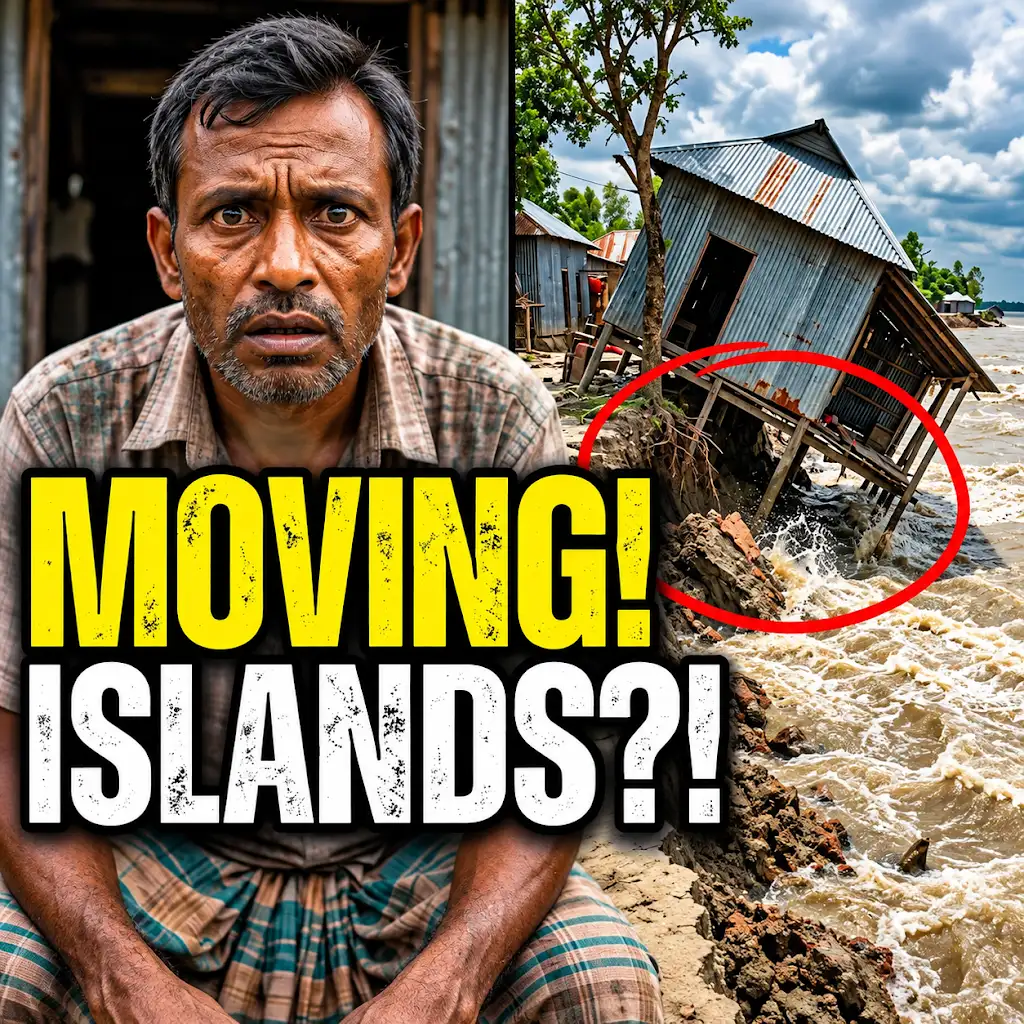
This River is Literally Erasing Islands
FAQs
What are some common challenges faced by vulnerable riverine communities in South Asia?
Vulnerable riverine communities in South Asia often face challenges such as flooding, water pollution, lack of access to clean drinking water, food insecurity, and inadequate healthcare facilities.
How does flooding impact the lives of riverine communities in South Asia?
Flooding can have devastating effects on riverine communities in South Asia, leading to loss of homes, destruction of crops, displacement of people, and increased risk of waterborne diseases.
What are the main sources of water pollution affecting riverine communities in South Asia?
Main sources of water pollution in South Asia affecting riverine communities include industrial waste, agricultural runoff, untreated sewage, and improper disposal of solid waste.
How does the lack of access to clean drinking water affect vulnerable riverine communities in South Asia?
The lack of access to clean drinking water can result in waterborne diseases, malnutrition, and poor overall health among riverine communities in South Asia, leading to a cycle of poverty and illness.
What are some strategies that can help improve the resilience of vulnerable riverine communities in South Asia?
Strategies to improve the resilience of vulnerable riverine communities in South Asia include building flood-resistant infrastructure, promoting sustainable agriculture practices, providing access to clean water and sanitation facilities, and enhancing community-based disaster preparedness and response mechanisms.