The Hoover Dam, a titan of concrete and engineering prowess, has long stood as a colossus of the American Southwest, a steadfast guardian of water and power. Its immense reservoir, Lake Mead, is an artificial ocean, a lifeline for millions across several states. However, a chilling narrative is beginning to unfold, a slow, inexorable shrinkage that threatens to alter the very fabric of life as we know it in this arid region. Projections for 2027 paint a stark picture, one where the Hoover Dam’s capacity to deliver will be significantly diminished, a looming shadow over agriculture, urban centers, and the very identity of the West.
The undeniable truth is that Lake Mead’s water levels have been in a precipitous decline for years, a trend driven by a confluence of factors that have pushed the reservoir towards historic lows. This decline is not a sudden storm but a prolonged drought, a slow gnawing that has eroded the water reserves upon which so many depend. The implications of this shrinkage are far-reaching, touching upon the dam’s primary functions: hydroelectric power generation and water supply. For residents of Arizona, Nevada, and parts of California, the prospect of reduced water allocation is as unsettling as a dried-up well.
The Unrelenting Drought: A Multi-Decade Affliction
The current water crisis is not a fleeting inconvenience but a deep-seated symptom of a multi-decade drought. This isn’t a single dry spell; it’s a fundamental shift in the region’s precipitation patterns, a recalibration of nature’s generosity. Scientists refer to this phenomenon as a “megadrought,” a period of aridity so extended and severe that it dwarfs historical precedents. This prolonged parching has meant that the snowpack in the Rocky Mountains, the primary source of water for the Colorado River system, has been consistently less substantial. Without the generous blankets of snow to melt and replenish the river, Lake Mead has been forced to subsist on a dwindling inheritance.
The Role of Climate Change: An Accelerating Factor
While natural variability has always played a role in regional climate, scientific consensus points to anthropogenic climate change as a significant accelerant of this megadrought. Rising global temperatures mean that more water evaporates from the surface of the land and water bodies, including Lake Mead itself. Furthermore, warmer winters lead to reduced snowpack accumulation and earlier snowmelt, meaning the water is released into the river system when demand might be lower and evaporation rates higher. This creates a vicious cycle where the very climate that sustains the region is being irrevocably altered by human activity, further straining its already precarious water resources.
Declining Snowpack: The Headwaters’ Diminishing Contribution
The health of Lake Mead is intrinsically linked to the health of the snowpack in the upper reaches of the Colorado River Basin. When this snowpack is robust, it provides a steady, gradual release of water throughout the spring and summer, a natural reservoir that slowly fills the lake. However, recent decades have seen a marked decline in the quantity and duration of this snow cover. The snowline is creeping higher, and the snow that does fall is melting faster, leaving less water to flow downstream. This diminished contribution from the headwaters is a critical factor in the declining water levels of Lake Mead.
Inefficient Water Management: A Complex Interplay
Beyond the immediate environmental pressures, the intricate web of water management policies and historical allocations also contributes to the current predicament. Over a century ago, the Colorado River Compact was established, dividing the river’s waters among the seven basin states. These allocations, made during a period of historically wet years, have proven increasingly untenable in the face of sustained drought. The fundamental challenge lies in distributing a shrinking pie, leading to ongoing negotiations and the need for more efficient and equitable water use strategies.
Historical Allocations: A Legacy of Abundance
The Colorado River Compact’s initial allocations were based on assumptions of plentiful water. This historical legacy, while foundational to the development of the American West, has become a point of contention as water scarcity intensifies. The agreements, designed for a different era, are now being scrutinized for their rigidity and their potential to exacerbate the impacts of drought. The very agreements that built prosperity are now a source of stress as the water available falls short of these established rights.
Increased Demand: A Growing Population’s Thirst
The burgeoning populations of the Southwest have placed an unprecedented demand on the Colorado River. Cities like Phoenix, Las Vegas, and Los Angeles, all reliant on the river’s flow, have experienced significant growth. This expansion, coupled with the water needs of a thriving agricultural sector, means that more water is being drawn from Lake Mead than is being replenished. The dam, once a symbol of managing abundance, now faces the daunting task of managing scarcity across a rapidly expanding human footprint.
Recent projections regarding the Hoover Dam’s capacity loss by 2027 have raised concerns about water management and sustainability in the region. For a deeper understanding of the implications of these projections and the ongoing challenges faced by the dam, you can read a related article on this topic at My GeoQuest. This article provides insights into the factors contributing to the capacity loss and discusses potential solutions to mitigate the impact on water supply and energy generation.
The 2027 Projections: A Stark Reality
The scientific models and hydrological analysespaint a concerning, albeit not entirely surprising, picture for 2027. These projections are not crystal ball gazing but the result of sophisticated computer simulations that extrapolate current trends and anticipated climatic conditions. The numbers, when laid bare, reveal a significant reduction in usable water, a deficit that will necessitate difficult decisions and potentially widespread adjustments. The specter of the dam operating at significantly reduced capacity is a tangible threat.
Declining Reservoir Levels: The Visible Evidence
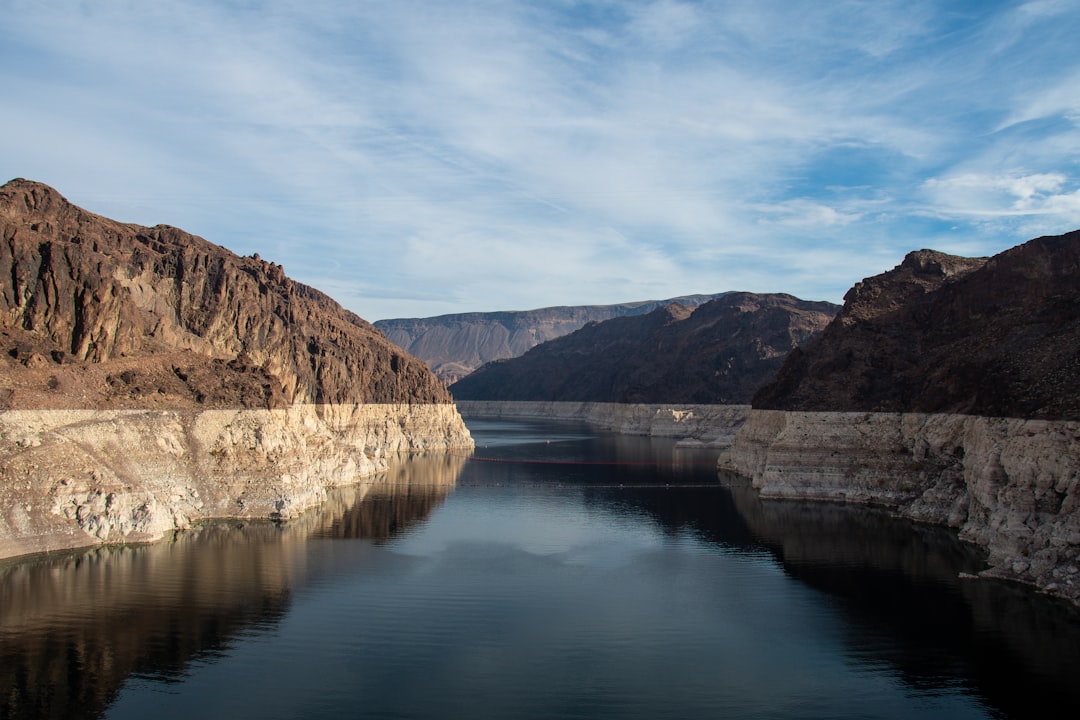
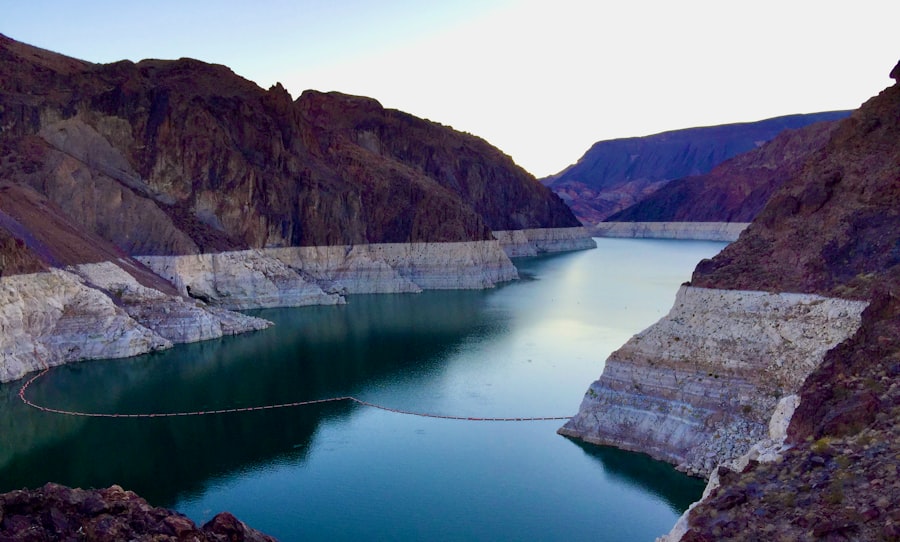
The most obvious manifestation of the problem is the visible drop in Lake Mead’s water levels. Year after year, the “bathtub ring” on the canyon walls, marking historic high-water lines, becomes more prominent, a stark reminder of what has been lost. These receding shorelines are not merely aesthetic concerns; they represent a tangible reduction in the reservoir’s storage capacity. As the water recedes, the dam’s ability to generate power and release water for downstream users is directly impacted.
Reaching Critical Thresholds: The Danger Zone
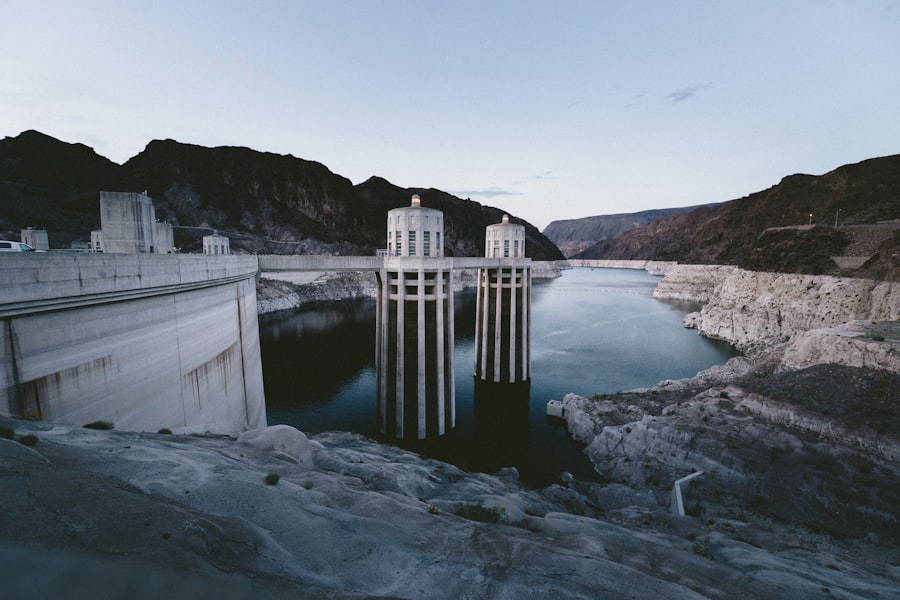
Hydrologists track specific elevation markers for Lake Mead, known as “bathtub rings.” As the water level approaches these critical thresholds, the consequences become severe. At certain elevations, the turbines within the Hoover Dam can no longer draw water, effectively halting hydroelectric power generation. Reaching these lower tiers is not a distant hypothetical; it is a scenario becoming increasingly probable within the timeframe of the 2027 projections. Each foot of lost water brings the dam closer to these operational limitations.
Impact on Power Generation: The Hydroelectric Engine Stalls
The Hoover Dam is a colossal hydroelectric power plant, its turbines churning out electricity that powers millions of homes and businesses. As Lake Mead’s water levels drop, the pressure driving water through these turbines decreases. This reduction in pressure directly translates to a decrease in electricity generation. The 2027 projections suggest that the dam will be operating at a significantly reduced capacity, potentially leading to power shortages and increased reliance on other, often more expensive or less environmentally friendly, energy sources. The humming heart of the dam will beat with a weaker rhythm.
Reduced Water Allocations: A Threat to Livelihoods
The most impactful consequence of declining water levels is the mandatory reduction in water allocations to the states that rely on the Colorado River. Under the existing agreements, when water levels fall below certain elevations, states are required to reduce their water intake. The 2027 projections indicate that these reductions will become even more substantial, impacting agricultural irrigation, urban water supplies, and industrial needs. For farmers, this could mean the inability to irrigate crops, jeopardizing harvests and rural economies. For cities, it could mean severe water restrictions, impacting daily life and economic development.
Agricultural Strain: The Fields Go Thirsty
Agriculture is a cornerstone of the Southwest’s economy, and it is also the largest consumer of Colorado River water. Reduced allocations in 2027 will inevitably place immense strain on this sector. Farmers may be forced to fallow fields, abandon certain crops, or invest in costly water-saving technologies. The ripple effect will extend beyond the farm gate, impacting food prices, rural communities, and the entire agricultural supply chain. The fertile fields may begin to resemble parched earth.
Urban Water Security: Rationing Becomes a Reality
Cities in the Southwest are already implementing water conservation measures, but the projected reductions for 2027 could necessitate more drastic steps. This could include stringent watering restrictions for landscaping, limitations on industrial water use, and potentially even more severe rationing for residential purposes. The very concept of abundant water for urban life could become a relic of the past, forcing a fundamental reevaluation of water consumption patterns. The taps, once reliably flowing, may be subject to careful throttling.
Potential Consequences: A Cascade of Impacts
The ramifications of reduced capacity at the Hoover Dam extend far beyond the immediate loss of power and water. The economic, social, and environmental consequences could be profound, creating a domino effect that resh ripples across the region and beyond. Understanding these potential impacts is crucial for effective planning and mitigation.
Economic Repercussions: Ripples Through Industries
The industries that depend on a steady supply of water and power from the Hoover Dam will face significant economic challenges. Beyond agriculture, businesses that rely on hydroelectric power for their operations or water for their processes will need to adapt. This could lead to increased operating costs, reduced profitability, and potential relocation for some industries. The economic engine of the Southwest, powered in part by the dam’s output, could sputter.
Energy Costs: Powering Down the Savings
A reduction in hydroelectric power generation means a greater reliance on other energy sources, which are often more expensive. This could lead to higher electricity bills for consumers and businesses, impacting household budgets and corporate bottom lines. The cost of keeping the lights on, and the water flowing, could rise substantially.
Job Losses: A Fallowing Economy
Industries heavily reliant on water and power from the Hoover Dam, particularly agriculture and associated sectors, could face significant job losses as water allocations are reduced and operations become less viable. This would have a devastating impact on rural communities and could contribute to broader economic insecurity in the region. The vibrant tapestry of employment could begin to fray.
Environmental Shifts: A Changing Ecosystem
The altered flow of water and reduced energy generation can have significant environmental consequences. Changes in water availability can impact wildlife habitats, river ecosystems, and the overall health of the natural environment. The delicate balance of the desert ecosystem is already under stress, and further changes could exacerbate these pressures.
Aquatic Habitats: The River’s Diminished Flow
The Colorado River and its tributaries are home to a unique array of aquatic life. Reduced water flows can lead to habitat loss, increased water temperatures, and a higher concentration of pollutants, all of which can threaten the survival of native fish and other aquatic species. The once robust river could become a mere trickle in places.
Land Use Changes: The Desert Reasserts Itself
As agricultural lands become less viable due to water scarcity, there could be significant shifts in land use. Some areas may be abandoned, leading to potential desertification or changes in vegetation. Conversely, increased competition for water might drive the development of more water-efficient technologies and practices.
Social and Political Tensions: A Struggle for Scarce Resources
The prospect of significantly reduced water and power supplies could heighten existing social and political tensions. Competition for scarce resources often leads to conflict, and the ongoing negotiations and potential disputes over water allocations could become more intense. Ensuring equitable distribution and fostering cooperation will be paramount.
Inter-state Disputes: A Battle for the River
The reduction in water availability is likely to exacerbate existing tensions between the Colorado River Basin states. Each state has its own historical claims and future needs, and the necessity of making deeper cuts to water allocations could lead to protracted legal battles and political stalemates. The shared resource could become a source of deep division.
Community Impacts: The Human Face of Scarcity
The effects of water and power reductions will be felt most acutely at the community level. Rural communities dependent on agriculture, urban areas facing water restrictions, and Indigenous tribes with historical water rights all face unique challenges. The human cost of scarcity could be considerable, impacting quality of life and well-being.
Mitigation and Adaptation Strategies: Charting a Course Forward
While the projections for 2027 paint a stark picture, the narrative is not entirely without hope. Recognizing the severity of the situation, various stakeholders are working to develop and implement mitigation and adaptation strategies. These efforts aim to reduce demand, improve efficiency, and explore alternative solutions to ensure a more sustainable future.
Water Conservation: The First Line of Defense
The most immediate and impactful strategy is intensified water conservation across all sectors. This includes promoting drought-tolerant landscaping, investing in efficient irrigation techniques for agriculture, and encouraging reduced water use in homes and businesses. Every drop saved is a drop that remains in the reservoir.
Urban Conservation Efforts: Rethinking Our Water Habits
Cities are at the forefront of implementing comprehensive water conservation programs. These range from public education campaigns to tiered water pricing structures and strict watering schedules for outdoor use. The goal is to foster a culture of water awareness and responsibility.
Agricultural Efficiency: Squeezing More from Every Drop
The agricultural sector is exploring innovative approaches to water management, including drip irrigation, precision agriculture, and the cultivation of less water-intensive crops. Enhancing the efficiency of agricultural water use is critical to ensuring food security while reducing strain on the system.
Water Reuse and Desalination: Expanding the Supply
Innovative technologies are also being explored to expand the water supply. Water reuse, where treated wastewater is repurposed for irrigation or industrial use, and desalination of brackish groundwater sources, offer promising avenues for supplementing existing supplies, though often with significant energy and cost considerations.
Wastewater Treatment and Recycling: A Closed Loop
Treating and recycling wastewater for non-potable uses can significantly reduce the demand on freshwater sources. This approach creates a more circular water economy, transforming what was once considered waste into a valuable resource.
Desalination Technologies: Turning Salt into Water
While challenging in arid inland regions, desalination of brackish groundwater, where available, is another strategy being explored to augment water supplies. The development of more energy-efficient and cost-effective desalination technologies is a key focus for future water security.
Policy and Management Reforms: A New Framework for Water
Revisiting and reforming water management policies and agreements is also essential. This involves fostering greater collaboration among states, exploring more flexible water allocation mechanisms, and investing in infrastructure that can improve water storage and delivery efficiency.
Inter-state Cooperation: A Unified Approach to Scarcity
Addressing the Colorado River crisis requires a concerted effort from all seven basin states. Moving beyond individual interests to a collaborative approach, where water management is seen as a shared responsibility, is crucial for long-term sustainability.
Infrastructure Investment: Modernizing the Water Arteries
Investing in upgrades to aging infrastructure, such as canals and reservoirs, can significantly reduce water loss due to leaks and evaporation. Modernizing the “water arteries” of the Southwest is essential for ensuring that water is delivered efficiently and effectively.
Recent discussions surrounding the Hoover Dam have raised concerns about its projected capacity loss by 2027, highlighting the ongoing challenges posed by climate change and water management. For a deeper understanding of the implications of these projections, you can read a related article that explores the potential impacts on water supply and energy generation. This article provides valuable insights into the future of the dam and its significance in the region. To learn more, visit this article.
The Path Ahead: Resilience in the Face of Scarcity
| Year | Projected Capacity Loss (%) | Estimated Power Output (MW) | Primary Cause | Mitigation Measures |
|---|---|---|---|---|
| 2023 | 5 | 1,200 | Sediment buildup | Regular dredging |
| 2024 | 7 | 1,140 | Water level decline | Water conservation policies |
| 2025 | 10 | 1,080 | Increased sedimentation | Enhanced sediment management |
| 2026 | 12 | 1,040 | Lower inflow rates | Reservoir management improvements |
| 2027 | 15 | 1,000 | Combined effects of sediment and drought | Infrastructure upgrades and water use restrictions |
The projected capacity loss at Hoover Dam in 2027 serves as a stark reminder of the fragility of our water resources in the arid American West. It is a call to action, urging a fundamental reevaluation of our relationship with water. The dam, a symbol of human ingenuity and control over nature, now stands as a monument to the consequences of unchecked demand and a changing climate. The path ahead will demand resilience, innovation, and a collective commitment to responsible water stewardship. The future of millions depends on our ability to adapt and thrive in an era of increasing scarcity. The choices we make today will echo through generations, shaping the landscape and the lives of those who call this remarkable region home. The time for complacency has long passed; the time for decisive action is now.

SHOCKING: The $50 Trillion Water Lie Killing America’s Energy
FAQs
What is the current capacity of the Hoover Dam?
The Hoover Dam currently has a hydroelectric power generation capacity of about 2,080 megawatts.
Why is there a projected capacity loss at the Hoover Dam by 2027?
The projected capacity loss is primarily due to declining water levels in Lake Mead, which reduce the dam’s ability to generate electricity efficiently.
How much capacity loss is expected at the Hoover Dam by 2027?
Estimates suggest that the Hoover Dam could experience a capacity loss of up to 20-25% by 2027 if current drought and water usage trends continue.
What factors are contributing to the declining water levels at Lake Mead?
Prolonged drought, increased water demand from surrounding states, and climate change are the main factors contributing to the declining water levels at Lake Mead.
What measures are being taken to address the capacity loss at the Hoover Dam?
Efforts include water conservation initiatives, improved water management policies, and exploring alternative energy sources to compensate for reduced hydroelectric output.