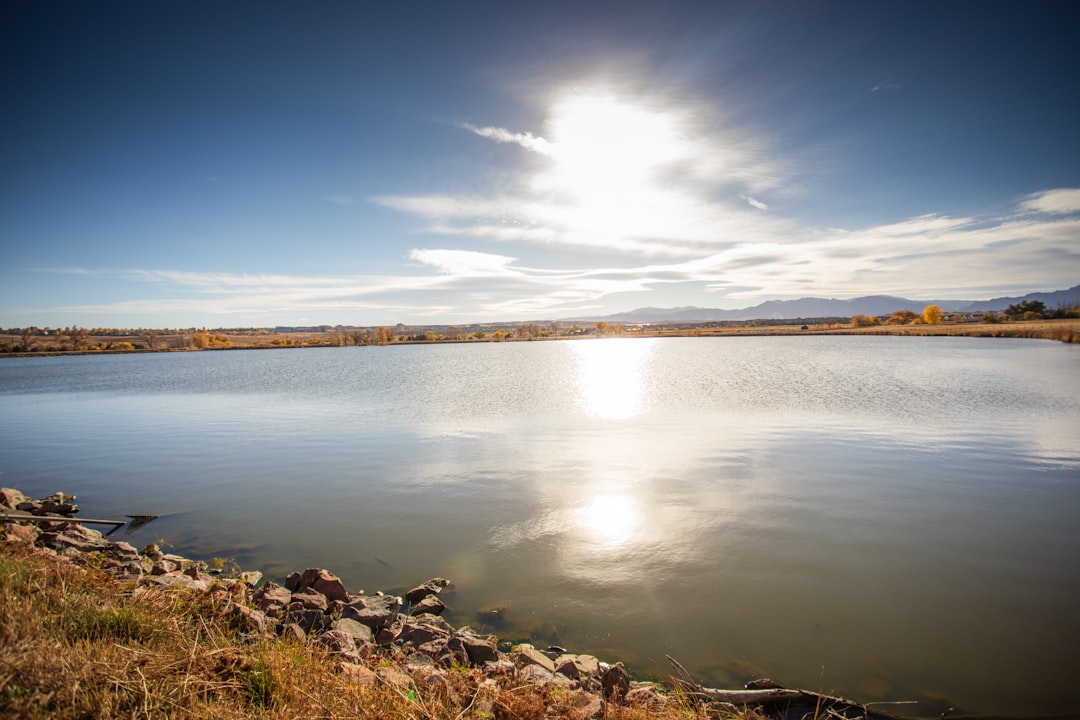
The looming specter of Lake Mead reaching its “dead pool” level has become a subject of intense scientific scrutiny and public concern. This article delves into the complexities of predicting this critical threshold, exploring the factors influencing water levels, the methodologies employed for forecasting, and the potential ramifications should such an event occur.
The concept of a “dead pool” in the context of a reservoir like Lake Mead refers to the elevation at which water can no longer flow out of the dam by gravity through its intake structures. At this point, the reservoir essentially becomes a static pond, unable to release water downstream.
Defining “Dead Pool” for Lake Mead
For Lake Mead, the dead pool elevation is approximately 895 feet (273 meters) above sea level. This is the level below which the Hoover Dam’s lowest power-generating intakes are submerged, and crucial water supply pipes can no longer operate. It is important to distinguish this from the “minimum power pool” (1050 feet), the lowest level at which hydroelectric power can be reliably generated, and the “inoperable pool” (950 feet), below which some water releases may be possible but with significantly reduced capacity and potentially detrimental consequences for downstream ecosystems.
Historical Context of Lake Mead’s Levels
Lake Mead’s water levels have historically fluctuated, influenced by natural precipitation patterns and human water demands. Since the early 2000s, the reservoir has experienced a sustained decline, largely attributed to a prolonged drought in the Western United States, exacerbated by increasing water consumption in the burgeoning populations of the Colorado River basin. Examining historical data reveals a stark downward trend, with record lows being consistently broken in recent years. This trajectory fuels the urgency of accurately predicting future water levels.
Recent discussions surrounding Lake Mead’s water levels have raised concerns about the potential for reaching “dead pool” status, where water levels drop so low that they can no longer flow downstream. For a deeper understanding of the implications and predictions related to this critical issue, you can read a related article that explores the factors influencing Lake Mead’s water levels and the potential consequences for the surrounding ecosystems and communities. For more information, visit this article.
Factors Influencing Lake Mead’s Water Levels
Predicting Lake Mead’s future water levels is a multifaceted challenge, contingent upon a confluence of natural and anthropogenic factors. Understanding these variables is paramount for developing robust forecasting models.
Climate and Precipitation Patterns
The most significant natural driver of Lake Mead’s water levels is the inflow from the Colorado River, which is directly linked to snowpack accumulation in the Rocky Mountains—the river’s primary source.
Snowpack and Runoff
Winter snowpack serves as a natural reservoir, slowly melting in spring and summer to feed the Colorado River. Variations in snowpack depth and density directly translate into fluctuations in the volume of water eventually reaching Lake Mead. Scientists utilize remote sensing technologies, such as satellite imagery and airborne surveys, to monitor snow-water equivalent (SWE) across the basin, providing crucial input for runoff predictions.
Drought and Climate Change
The current multi-decadal drought in the Western U.S. has significantly reduced inflows to Lake Mead. Climate change models project continued aridification in the region, with increased temperatures leading to earlier snowmelt, higher evaporation rates, and potentially more extreme precipitation events (e.g., intense rain instead of snow). These long-term climatic shifts present a formidable challenge to water resource management and forecasting.
Water Demand and Allocations
Human water consumption profoundly impacts Lake Mead’s levels. The Colorado River Compact of 1922, along with subsequent agreements, allocates water to seven U.S. states and Mexico.
Interstate and International Agreements
The intricate web of legal agreements governing Colorado River water allocations complicates any simplistic prediction of Lake Mead’s future. These agreements stipulate specific annual water deliveries to the Lower Basin states (Arizona, California, Nevada) and Mexico, often regardless of prevailing hydrological conditions. In times of scarcity, these allocations exert significant pressure on reservoir levels.
Population Growth and Agricultural Use
The burgeoning populations in states like Arizona and California, coupled with extensive agricultural practices, drive substantial water demand. While conservation efforts are underway, the cumulative effect of these demands continues to draw down Lake Mead’s reserves. Predicting future population trends and agricultural water efficiency improvements is vital for accurate long-term forecasting.
Operational Policies of Hoover Dam
The management decisions made by the Bureau of Reclamation, which operates Hoover Dam, directly influence Lake Mead’s outflow.
Tier System and Curtailments
The Bureau of Reclamation employs a “tier system” based on Lake Mead’s elevation to determine water release volumes and potential curtailments to water allocations for various states. As the lake level drops, the system triggers mandatory reductions. Understanding the thresholds and the operational flexibility within this system is crucial for short-to-medium-term predictions.
Hydropower Generation
Hydropower generation at Hoover Dam is a significant consideration. While not the primary driver of releases, the need to maintain sufficient water for power generation can influence operating decisions, particularly when levels approach the minimum power pool.
Methodologies for Predicting Water Levels
Forecasting Lake Mead’s dead pool level employs a range of sophisticated methodologies, combining historical data, real-time observations, and predictive models.
Hydrological Modeling
Hydrological models are computational tools that simulate the movement of water through the Colorado River basin.
Input Data and Assumptions
These models ingest vast amounts of data, including precipitation, temperature, snowpack, soil moisture, and land use. Crucially, they rely on assumptions about future climate conditions and human water demand. The accuracy of these assumptions directly influences the reliability of the model’s output. Sensitivity analyses are often performed to understand how different assumptions impact the predictions.
Ensemble Forecasting
Instead of relying on a single model run, ensemble forecasting involves running multiple models with slightly varied initial conditions or parameters. This approach generates a range of possible future scenarios, providing a probabilistic outlook rather than a single deterministic forecast. This helps in quantifying the uncertainty inherent in climate and water resource predictions.
Statistical Analysis and Machine Learning
Beyond physically based hydrological models, statistical methods and machine learning algorithms are increasingly being employed.
Trend Analysis
Historical data of Lake Mead’s inflows, outflows, and elevations can be subjected to trend analysis to identify patterns and project them into the future. While useful for understanding long-term behavior, trend analysis alone may not capture the nuances of non-linear hydrological processes or sudden shifts in climate.
AI and Predictive Algorithms
Artificial intelligence (AI) and machine learning (ML) models can be trained on vast datasets of historical hydrological and climatic data to identify complex relationships and make predictions. These models can sometimes uncover subtle patterns that might be missed by traditional methods. However, the “black box” nature of some AI models can make it challenging to understand the underlying physical processes driving their predictions.
Scenario Planning
Given the inherent uncertainties in long-term climate and water demand, scenario planning has become a vital tool.
Best-Case and Worst-Case Scenarios
Planners develop a spectrum of scenarios, ranging from “best-case” (e.g., prolonged periods of above-average precipitation and aggressive conservation) to “worst-case” (e.g., persistent drought and increased water demand). These scenarios help stakeholders understand the potential range of future conditions and develop contingency plans.
Adaptive Management Strategies
Scenario planning informs adaptive management strategies, where water management decisions are regularly reviewed and adjusted based on real-time observations and evolving conditions. This iterative approach allows for flexibility in the face of uncertainty.
Implications of Reaching the Dead Pool
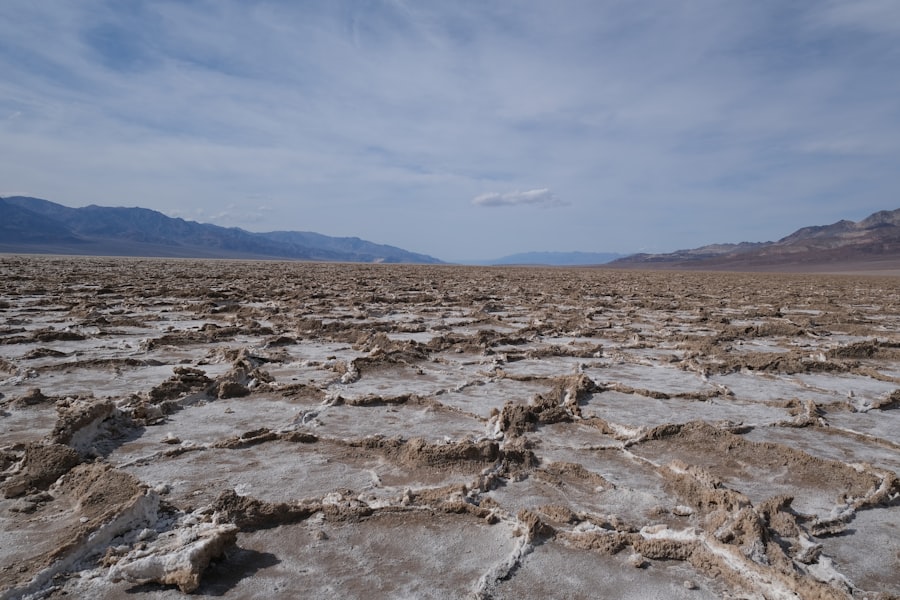
The prospect of Lake Mead reaching its dead pool level carries profound consequences for the environment, economy, and human populations of the American Southwest.
Environmental Catastrophe
The ecological repercussions of a dead pool would be devastating.
Ecosystem Collapse
The unique aquatic ecosystems within Lake Mead and downstream river segments, which have adapted to specific flow regimes, would face collapse. Fish populations, particularly native species, would be severely impacted by reduced water availability, increased water temperatures, and degraded water quality. Riparian zones, which depend on river flows, would vanish, leading to a loss of biodiversity.
Water Quality Degradation
As water levels recede, the remaining water becomes more concentrated with pollutants, nutrients, and dissolved solids. This degradation in water quality would render it unsuitable for many uses and would further stress aquatic organisms. Sediment accumulation and the exposure of previously submerged areas could also release contaminants.
Economic and Societal Disruption
The economic and societal ramifications would reverberate throughout the region.
Loss of Hydropower
Reaching the dead pool would immediately halt all hydroelectric power generation at Hoover Dam, a critical source of electricity for millions across the Southwest. This would necessitate a search for alternative, potentially more expensive, power sources, leading to increased energy costs for consumers and businesses.
Agricultural Collapse
Agriculture, a major economic driver in several Colorado River Basin states, would face severe water curtailments. This could lead to massive crop losses, economic hardship for farmers, and potential food security issues. The transformation of fertile agricultural lands back into arid landscapes would have long-lasting consequences.
Urban Water Shortages
Major metropolitan areas such as Las Vegas, Phoenix, and parts of Southern California, which rely heavily on Lake Mead for their water supply, would face unprecedented water shortages. This would necessitate drastic conservation measures, potentially impacting quality of life and economic activity.
Intrastate and International Conflict
The intense competition for dwindling water resources could exacerbate existing tensions and potentially ignite new conflicts among states and between the U.S. and Mexico, as each entity strives to secure its allocated share in a radically reduced supply environment.
As concerns about water levels continue to rise, many are turning their attention to the predictions surrounding Lake Mead’s potential dead pool status. This situation has significant implications for water supply and management in the region. For a deeper understanding of the factors influencing these predictions, you can explore a related article that delves into the complexities of water resource management and climate change impacts. Check out the insightful piece on this topic at My Geo Quest for more information.
Mitigating the Risk
| Year | Lake Mead Water Level (feet) | Dead Pool Level (feet) | Predicted Year to Reach Dead Pool | Notes |
|---|---|---|---|---|
| 2020 | 1,071 | 895 | 2026-2030 | Water levels declining due to drought and water usage |
| 2021 | 1,067 | 895 | 2026-2030 | Continued decrease, emergency water restrictions implemented |
| 2022 | 1,055 | 895 | 2027-2032 | Lower inflows, increased conservation efforts |
| 2023 | 1,045 | 895 | 2028-2033 | Prolonged drought impacts predictions |
| 2024 (Projected) | 1,035 | 895 | 2028-2034 | Forecasts vary based on precipitation and usage |
While the prospect of a dead pool is stark, proactive measures and ongoing efforts aim to mitigate the risk and build resilience in the face of ongoing aridity.
Conservation Efforts
Conservation remains a cornerstone of water management in the Colorado River Basin.
Urban and Agricultural Efficiency
Significant strides have been made in improving urban water efficiency through smart landscaping, leak detection, and public awareness campaigns. In the agricultural sector, advancements in irrigation technologies, such as drip irrigation and precision agriculture, aim to reduce water waste. Continued innovation and implementation in these areas are crucial.
Water Reuse and Recycling
Investing in wastewater treatment and direct potable reuse technologies offers a promising avenue for augmenting water supplies. Treating and recycling municipal wastewater can effectively create a new, climate-independent water source, reducing reliance on conventional sources like Lake Mead.
Augmentation Strategies
Beyond conservation, strategies to augment water supplies or reduce demand on Lake Mead are being explored.
Desalination
While expensive and energy-intensive, seawater desalination along the Pacific Coast of California could potentially provide a future water source for some parts of the Lower Basin, although the infrastructure for transport would be substantial.
Demand Management Programs
Implementing incentive-based programs to reduce water demand during critical periods, or even permanent demand management programs, can provide flexibility in managing water levels during periods of extreme drought. This could include voluntary or mandatory cutbacks tied to specific Lake Mead elevations.
Policy and Management Adaptations
The legal and operational frameworks governing the Colorado River are continually being reevaluated and adapted.
Renegotiation of the Colorado River Compact
Key provisions of the Colorado River Compact are set to expire or be reevaluated in the coming years. This presents an opportunity to renegotiate allocations and establish more flexible and adaptive governance structures that better reflect the realities of a drier future. These negotiations will be complex, but essential for long-term sustainability.
Coordinated Operations
Enhanced coordination among the various agencies and states involved in managing the Colorado River is crucial. Integrated modeling and decision-making processes can optimize reservoir operations to maximize water availability, minimize losses, and protect critical environmental flows as much as possible.
Predicting Lake Mead’s dead pool level is not merely an academic exercise; it is a critical endeavor that informs policy decisions, drives conservation efforts, and shapes the future of a vast and vibrant region. While the journey towards a stable water future is fraught with challenges, a combination of scientific understanding, technological innovation, and political will offers a path forward away from the precipice of resource depletion.
FAQs
What is the “dead pool” level at Lake Mead?
The “dead pool” level at Lake Mead refers to the water elevation at which the reservoir can no longer release water downstream through Hoover Dam. This level is approximately 895 feet above sea level.
Why is Lake Mead’s water level declining?
Lake Mead’s water level is declining primarily due to prolonged drought conditions, increased water demand from surrounding states, and climate change impacts reducing inflow from the Colorado River.
What are the current predictions for Lake Mead reaching dead pool?
Predictions vary, but many water experts and agencies estimate that if current drought and water usage trends continue, Lake Mead could approach dead pool levels within the next decade or sooner without significant water conservation or increased inflows.
What are the consequences if Lake Mead reaches dead pool?
If Lake Mead reaches dead pool, Hoover Dam would be unable to release water downstream, severely impacting water supply for millions of people, agriculture, and hydroelectric power generation in the Southwest United States.
What measures are being taken to prevent Lake Mead from reaching dead pool?
Efforts include water conservation programs, interstate water agreements to reduce usage, investments in water-efficient technologies, and initiatives to increase water storage and recharge in the Colorado River Basin.