The North Sea, a region historically defined by its rich hydrocarbon reserves, is undergoing a profound transformation. Once the engine of fossil fuel extraction, this vast expanse of water is now a crucible for the burgeoning offshore wind industry, a sector poised to redefine Europe’s energy landscape and combat the existential threat of climate change. The shift is not merely a change in commodity; it represents a monumental undertaking in engineering, investment, and international collaboration. Powering up the North Sea with wind is a complex, multifaceted endeavor, demanding innovation and ambition on an unprecedented scale.
The strategic importance of the North Sea to the global offshore wind revolution cannot be overstated. Several key factors converge to make this region a prime location for harnessing the immense power of the wind. These advantages, born from geography and decades of industrial development, are propelling the North Sea to the forefront of this green energy transition.
Geographic Advantages and Wind Resources
The North Sea boasts a unique confluence of favorable conditions for offshore wind development. Its shallow to moderate depths in many areas make turbine installation more feasible and cost-effective compared to deeper waters. Furthermore, the prevailing westerly winds sweeping across the Atlantic Ocean are exceptionally strong and consistent over the North Sea. This reliable and powerful wind resource translates directly into higher energy yields for wind farms, maximizing their operational efficiency and economic viability.
Consistent Wind Speeds
Unlike more turbulent coastal areas, the open waters of the North Sea offer remarkably stable wind speeds for much of the year. This predictability is crucial for grid operators, allowing for more accurate forecasting of power generation and smoother integration into national electricity grids. The absence of significant onshore obstructions further contributes to the unimpeded flow of wind, ensuring turbines can operate at peak performance.
Proximity to Major Energy Markets
Crucially, the North Sea is situated on the doorstep of some of Europe’s most densely populated and industrialized nations, including the United Kingdom, Germany, the Netherlands, Belgium, and Denmark. This proximity significantly reduces the costs and complexities associated with transmitting the generated electricity to where it is most needed. The existing infrastructure, once used for fossil fuel distribution, is being repurposed and expanded to accommodate the influx of renewable energy.
Historical Context of Offshore Activities
The North Sea has a long and established history of extensive offshore industrial activity, primarily in the oil and gas sector. This legacy has endowed the region with a wealth of specialized knowledge, skilled labor, and a robust supply chain. The infrastructure and experience developed over decades of hydrocarbon extraction are now invaluable assets for the rapid expansion of offshore wind.
Oil and Gas Legacy
The deep-sea engineering expertise, the presence of specialized vessels and platforms, and the understanding of harsh marine environments honed by the oil and gas industry are directly transferable to offshore wind. Companies that once drilled for oil are now deploying turbines, and the highly skilled workforce trained in offshore operations is readily adapting to the demands of renewable energy.
Developed Infrastructure
The North Sea is crisscrossed with subsea cables, pipelines, and navigation systems, remnants of its fossil fuel era. While some of this infrastructure may need modification, its existence provides a foundational layer upon which offshore wind development can build. This existing network reduces the need for entirely new installations from scratch, accelerating project timelines and potentially lowering costs.
The North Sea has become a focal point for offshore wind energy development, with numerous projects underway to harness its vast potential. A related article that delves into the latest advancements and challenges in this sector can be found at MyGeoQuest. This resource provides valuable insights into the technological innovations and environmental considerations that are shaping the future of renewable energy in the North Sea.
Engineering the Future: Turbine Technology and Installation
The scale and ambition of North Sea offshore wind projects necessitate continuous innovation in turbine technology and installation methodologies. These engineering marvels are designed to withstand the challenging marine environment and generate power efficiently, pushing the boundaries of what is technologically possible.
Advancements in Turbine Design
Modern offshore wind turbines are colossal structures, representing a significant leap forward in engineering prowess. Their sheer size and sophisticated design are crucial for capturing maximum energy from the wind.
Larger Rotor Diameters and Higher Hub Heights
The trend in offshore wind is towards ever-larger turbines. Rotor diameters exceeding 200 meters are becoming increasingly common, allowing the blades to sweep a vast area and capture more wind. Similarly, hub heights are soaring, placing the turbines in stronger and more consistent wind streams at higher altitudes. This increase in size directly correlates to a higher power output per turbine, reducing the number of turbines needed for a given capacity and thus optimizing the use of valuable sea space.
Enhanced Aerodynamics and Materials
The design of turbine blades is a testament to advanced aerodynamics. Sophisticated computer modeling and the use of lighter, stronger composite materials have led to blades that are not only more efficient at capturing wind energy but also more durable and resilient. These materials are engineered to withstand the corrosive effects of saltwater and the constant stress of operational forces.
Innovative Installation Techniques
Deploying these massive structures in the harsh North Sea environment requires specialized vessels and highly coordinated logistical operations. The engineering challenges are immense, and the industry has developed ingenious solutions to overcome them.
Specialized Installation Vessels
A fleet of purpose-built jack-up vessels and heavy-lift ships are now essential components of the offshore wind supply chain. These vessels are equipped with massive cranes capable of lifting and precisely positioning enormous turbine components, including nacelles (the housing for the generator and gearbox) and rotor blades weighing hundreds of tons. Their stability platforms and dynamic positioning systems ensure safe and accurate operations even in challenging sea conditions.
Foundation Solutions for Varied Seabeds
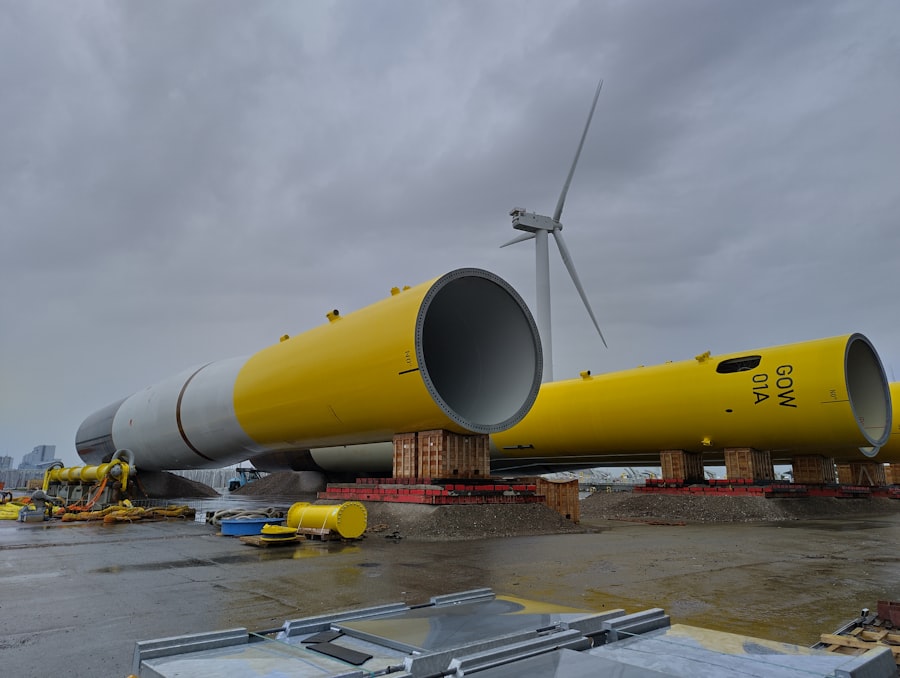
The type of foundation used for offshore wind turbines depends heavily on the seabed conditions. In the North Sea, a range of solutions are employed, from gravity-based structures anchored directly to the seabed to monopiles – large steel tubes driven deep into the seabed – and more complex jacket structures for deeper waters. The ongoing development of floating offshore wind technology is also opening up access to even deeper areas previously deemed unsuitable for fixed-bottom turbines.
Grid Integration and Power Transmission

The electricity generated by the vast offshore wind farms in the North Sea needs to be efficiently and reliably transmitted to onshore grids. This complex process involves sophisticated subsea cables, offshore substations, and advanced grid management systems. Ensuring the stability and capacity of the onshore grid to absorb this intermittent renewable energy is a critical challenge.
Subsea Cable Networks
The veins of the offshore wind industry are the subsea power cables that transport electricity from the turbines to the shore. These cables are engineering marvels in themselves, designed to withstand immense pressure and the abrasive nature of the seabed.
High-Voltage Direct Current (HVDC) Technology
For longer distances and higher power capacities, High-Voltage Direct Current (HVDC) technology is increasingly favored. HVDC offers lower transmission losses compared to High-Voltage Alternating Current (HVAC) over long distances, making it more efficient for exporting power from distant offshore wind farms to the onshore grid. This technology is crucial for connecting multiple wind farms and even for interconnector cables between different countries.
Interconnectivity and Energy Islands
The concept of “energy islands” is gaining traction, where multiple offshore wind farms are connected to a central offshore substation, which then transmits power to shore. This approach can streamline grid connections and potentially reduce the number of subsea cables. Furthermore, enhanced interconnectivity between national grids via subsea cables allows for the balancing of supply and demand across different countries, improving the overall resilience of the European energy system.
Offshore and Onshore Substations
Offshore wind farms require dedicated substations located at sea to collect the electricity from the turbines, step up its voltage, and then transmit it to shore. Onshore substations then integrate this power into the national grid.
Transforming Voltage for Transmission
Offshore substations act as critical nodes in the energy transmission process. They receive electricity at a lower voltage from the wind farm’s collection system and transform it to a much higher voltage suitable for efficient long-distance transmission via subsea cables. The design and reliability of these offshore substations are paramount to the overall performance of the wind farm.
Grid Balancing and Smart Grids
The intermittent nature of wind power presents a challenge for grid stability. Advanced grid management systems, often referred to as “smart grids,” are essential for balancing supply and demand. These systems utilize sophisticated forecasting tools, demand-side management strategies, and energy storage solutions to ensure a consistent and reliable power supply to consumers, even when the wind is not blowing.
Economic and Environmental Impact
The surge in North Sea offshore wind development is not only an environmental imperative but also a significant economic driver. It creates jobs, stimulates investment, and contributes to national energy security while simultaneously offering substantial environmental benefits.
Job Creation and Economic Growth
The offshore wind sector is a rapidly expanding industry that is generating a wealth of employment opportunities across a wide range of skill sets, from highly specialized engineering roles to construction, manufacturing, and operations and maintenance.
Supply Chain Development
The growth of offshore wind is fostering the development of robust domestic supply chains. This includes the manufacturing of turbine components, the production of specialized vessels and equipment, and the provision of services related to project development, installation, and maintenance. This localized growth stimulates regional economies and reduces reliance on imports.
Investment and Innovation
The sheer scale of investment required for offshore wind projects is substantial, attracting both domestic and international capital. This influx of investment not only fuels the construction of new wind farms but also drives innovation in technology, manufacturing processes, and project management, further strengthening the sector’s competitiveness.
Environmental Benefits and Decarbonization
The primary driver for the expansion of offshore wind is its critical role in achieving decarbonization targets and mitigating climate change. By replacing fossil fuels, offshore wind significantly reduces greenhouse gas emissions.
Carbon Emission Reduction
Each megawatt-hour of electricity generated by offshore wind directly displaces electricity that would otherwise be produced from fossil fuels, leading to a substantial reduction in carbon dioxide and other harmful emissions. This transition is fundamental to meeting ambitious climate goals and creating a cleaner future.
Marine Ecosystem Considerations
While the environmental benefits of wind power are undeniable, careful consideration must be given to the potential impact on marine ecosystems. The industry is actively engaged in research and mitigation strategies to minimize disruption to marine life, including responsible construction practices, acoustic monitoring, and the establishment of protected zones. The long-term goal is to ensure that offshore wind development coexists harmoniously with a healthy marine environment.
The North Sea has become a focal point for renewable energy development, particularly in the realm of offshore wind farms. As countries strive to meet their climate goals, the expansion of wind energy in this region presents both opportunities and challenges. For a deeper understanding of the advancements and innovations in offshore wind technology, you can read a related article that explores the latest trends and projects shaping the future of energy in the North Sea. This insightful piece can be found here.
Challenges and Future Outlook
| Location | Capacity (MW) | Number of Turbines | Year of Commissioning |
|---|---|---|---|
| Sheringham Shoal | 317 | 88 | 2012 |
| London Array | 630 | 175 | 2013 |
| Hornsea Project One | 1,218 | 174 | 2019 |
Despite the remarkable progress, the North Sea offshore wind sector still faces significant challenges. Overcoming these hurdles will be crucial for unlocking the full potential of this renewable energy source and ensuring its continued growth.
Navigating Regulatory and Permitting Complexities
The process of obtaining permits and navigating the complex regulatory frameworks governing offshore development can be lengthy and arduous, potentially delaying projects and increasing costs.
Streamlining Approval Processes
Governments and regulatory bodies are working to streamline approval processes and create more predictable pathways for offshore wind development. This includes harmonizing regulations across different jurisdictions and establishing clear guidelines for environmental impact assessments and stakeholder engagement.
International Collaboration
Given the transboundary nature of the North Sea, international collaboration among riparian states is essential for coordinated planning, grid integration, and the development of shared infrastructure. Joint initiatives and agreements can foster greater efficiency and shared learning.
Technological Evolution and Cost Reduction
While costs have fallen dramatically, continued innovation is needed to further reduce the levelized cost of energy (LCOE) and maintain the sector’s competitiveness.
Floating Offshore Wind Technology
The development of floating offshore wind platforms is a game-changer, allowing turbines to be deployed in deeper waters where fixed-bottom foundations are not feasible. This technology significantly expands the potential of offshore wind resources, including in the less accessible parts of the North Sea.
Hybrid Projects and Energy Storage
The integration of offshore wind with other renewable technologies, such as solar power, and the development of advanced energy storage solutions are crucial for enhancing grid stability and reliability. Hybrid offshore projects that combine wind turbines with hydrogen production facilities or battery storage are increasingly being explored. The future of North Sea offshore wind is bright, characterized by continued technological advancement, decreasing costs, and a steadfast commitment to a sustainable energy future. The region is not just powering up; it is electrifying a continent and leading the charge towards a decarbonized world.

The Dangerous Sea Europe Can’t Live Without
FAQs
What is the North Sea offshore wind industry?
The North Sea offshore wind industry refers to the development and operation of wind farms located in the North Sea. These wind farms harness the strong and consistent winds in the region to generate renewable energy.
How much of Europe’s offshore wind capacity is located in the North Sea?
The North Sea is home to the majority of Europe’s offshore wind capacity, with over 80% of the continent’s offshore wind farms located in this region. This makes the North Sea a key player in Europe’s renewable energy transition.
What are the benefits of North Sea offshore wind energy?
North Sea offshore wind energy offers several benefits, including a clean and renewable source of electricity, job creation, reduced greenhouse gas emissions, and energy security for the countries bordering the North Sea.
What are the challenges of North Sea offshore wind development?
Challenges of North Sea offshore wind development include high initial investment costs, technical and logistical challenges associated with building and maintaining offshore wind farms, and potential environmental impacts on marine ecosystems and wildlife.
What is the future outlook for North Sea offshore wind energy?
The future outlook for North Sea offshore wind energy is promising, with continued investment and technological advancements expected to drive further growth in the industry. Governments and energy companies are increasingly turning to offshore wind as a key component of their renewable energy strategies.