The North Sea, a region historically synonymous with vast oil and gas reserves, is undergoing a profound transformation. Once the bedrock of European energy security, its hydrocarbon legacy is now being re-imagined as a potent platform for the next generation of clean energy. This vast expanse of water, stretching between the United Kingdom, Norway, Denmark, the Netherlands, and Germany, holds immense potential to power the future, not just through the continued, albeit evolving, extraction of fossil fuels, but increasingly through the harnessing of renewable forces. The transition is not without its complexities and challenges, but the North Sea’s strategic location, established infrastructure, and burgeoning innovation position it as a critical player in the global shift towards a sustainable energy landscape.
The North Sea’s story is inextricably linked to the discovery and exploitation of its rich hydrocarbon deposits. For decades, these offshore fields have been a vital source of energy, fueling economies and providing a substantial portion of Europe’s oil and gas needs. While the world is undeniably moving towards decarbonization, the existing infrastructure and expertise developed for oil and gas extraction are not becoming obsolete overnight. Instead, they are evolving to play a crucial, albeit diminishing, role in the interim, and their legacy is proving surprisingly adaptable to the new energy paradigm.
The Foundation of Energy Security
For over half a century, the North Sea has been a cornerstone of energy security for numerous European nations. The discovery of significant oil fields, beginning with Ekofisk in Norway in 1969 and followed by numerous UK discoveries, fundamentally altered the energy map of the continent. This domestic production reduced reliance on imports, bolstering national economies and creating highly skilled workforces. The infrastructure built – platforms, pipelines, subsea cables, and support vessels – represents a colossal investment and a testament to human ingenuity in the face of challenging offshore environments.
Adapting to a Changing Landscape
The global imperative to reduce carbon emissions has cast a long shadow over the future of fossil fuels. However, the North Sea’s oil and gas industry is not simply disappearing. Instead, it is engaged in a critical process of adaptation. Companies are investing in technologies to reduce flaring, minimize methane leaks, and improve the energy efficiency of their operations. The focus is shifting towards extracting remaining reserves with the lowest possible carbon footprint. Furthermore, the decommissioning of older platforms is also presenting new opportunities, with companies exploring innovative methods for recycling and repurposing materials, further contributing to a circular economy.
The Role of Natural Gas as a Transition Fuel
Natural gas, extracted from the North Sea, is often viewed as a transitional fuel in the journey towards a fully renewable energy system. While still a fossil fuel, its combustion produces significantly lower greenhouse gas emissions compared to coal and oil. This makes it a valuable tool for balancing the intermittency of renewable sources like wind and solar, providing a reliable power source when renewable generation is low. The existing pipeline infrastructure for natural gas is also a significant asset, allowing for its continued distribution to homes and industries. However, the long-term viability of natural gas as a significant energy source is increasingly debated, and its role will undoubtedly diminish as renewable technologies mature and storage solutions improve.
As the North Sea continues to play a pivotal role in the future of energy production, a related article that delves into the latest developments and innovations in this region can be found at MyGeoQuest. This resource provides valuable insights into the transition towards renewable energy sources and the ongoing efforts to harness the potential of wind, solar, and other sustainable technologies in the North Sea, highlighting the importance of this area in achieving energy security and sustainability goals.
Harnessing the Wind: Offshore Wind Power’s Dominance
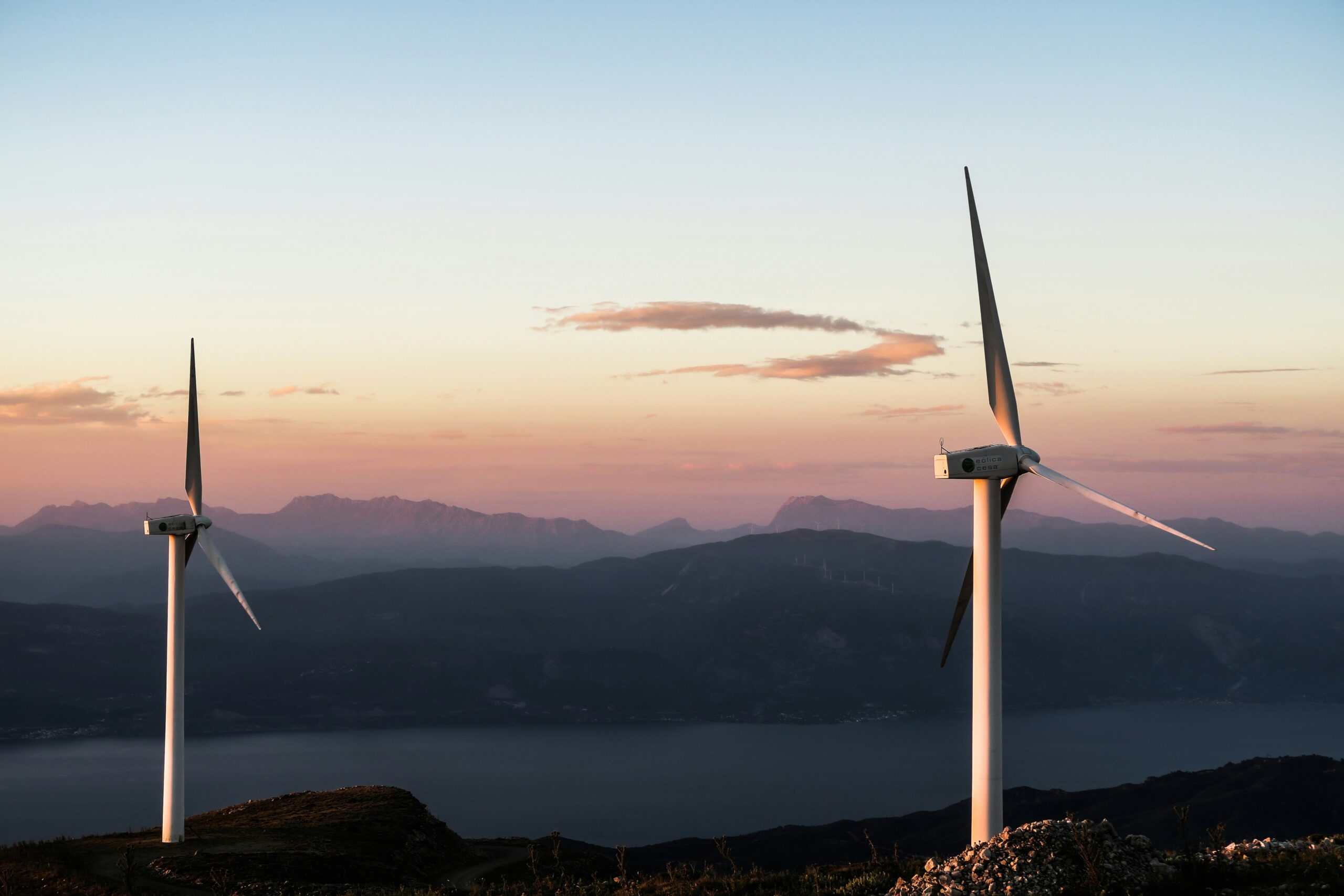
The most significant and rapidly growing renewable energy sector in the North Sea is undoubtedly offshore wind power. The region’s consistent, strong winds, coupled with its relatively shallow waters in many areas, make it an ideal location for wind farms. The scale and ambition of these projects are unprecedented, promising to deliver vast amounts of clean electricity and drive significant economic growth.
The Gigawatt Revolution
The North Sea is at the forefront of what is being termed the “gigawatt revolution” in offshore wind. Projects are no longer measured in megawatts but in gigawatts, with individual wind farms and interconnected clusters capable of powering millions of homes. Turbines are growing larger and more efficient, with rotor diameters exceeding those of even the largest commercial airplanes. This technological advancement is driving down the cost of electricity, making offshore wind increasingly competitive with traditional energy sources.
Grid Connection and Transmission Challenges
A critical aspect of developing large-scale offshore wind is the effective integration of its power into national and regional electricity grids. This involves the construction of new substations, both offshore and onshore, and the laying of extensive subsea and terrestrial cables. The sheer volume of power being generated requires significant upgrades to existing transmission infrastructure. Moreover, coordinating these connections across multiple countries with different grid regulations and standards presents a complex logistical and political challenge.
The Evolution of Floating Wind Technology
While fixed-bottom wind turbines have dominated early developments, the North Sea’s deeper waters necessitate a different approach. Floating wind turbine technology is emerging as a game-changer, allowing for the deployment of wind farms in areas previously inaccessible to fixed structures. These floating platforms can be towed to site and moored, opening up vast new areas of the North Sea for wind energy development. This technology is still in its nascent stages compared to fixed-bottom turbines, but its potential to unlock further offshore wind resources is immense.
Beyond Wind: Emerging Renewable Energies

While offshore wind is currently the undisputed leader, the North Sea’s potential extends to other promising renewable energy sources. Innovation and technological advancements are paving the way for the integration of these diverse clean energy solutions, further diversifying the region’s sustainable energy portfolio.
Tidal and Wave Energy Potential
The powerful tides and waves of the North Sea represent a vast, untapped source of renewable energy. Tidal barrages and turbines can harness the predictable ebb and flow of the tides, while wave energy converters can capture the kinetic energy of ocean waves. While these technologies are generally less mature and more costly than offshore wind, ongoing research and development are showing promising results. The consistent nature of tidal power, in particular, makes it an attractive option for providing baseload renewable electricity.
Hydrogen Production: A Green Revolution
The North Sea’s abundant renewable energy resources are a perfect fit for the production of green hydrogen. Green hydrogen, produced through electrolysis powered by renewable electricity, offers a clean alternative to fossil fuels in a wide range of applications, from transportation and heavy industry to domestic heating. The development of offshore hydrogen production facilities, potentially co-located with wind farms, could transform the energy landscape, creating new export opportunities and a cleaner fuel for the future.
Carbon Capture and Storage (CCS): A Critical Enabler
While the focus is on renewable energy, the North Sea’s geological formations also hold significant potential for Carbon Capture and Storage (CCS). As the region continues to extract oil and gas and as industries transition to lower-emission processes, the ability to capture and store CO2 safely and permanently underground will be crucial. The depleted oil and gas reservoirs and saline aquifers beneath the North Sea offer ideal geological sites for CCS. This technology, when coupled with renewable energy sources, can create low-carbon hydrogen production and provide a means for decarbonizing hard-to-abate sectors.
Infrastructure and Innovation: The Backbone of the Transition
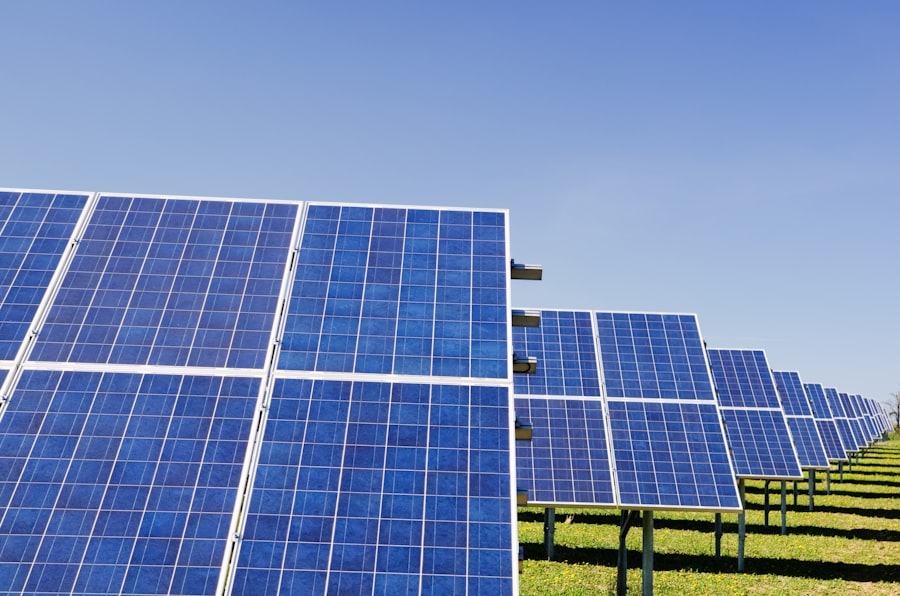
The successful transition to a North Sea powered by clean energy relies heavily on robust infrastructure and continuous innovation. Leveraging existing assets and developing new technologies are both crucial for realizing the region’s full potential.
Repurposing Existing Infrastructure
The vast network of offshore platforms, pipelines, and subsea cables, originally built for the oil and gas industry, is proving to be an invaluable asset for the renewable energy transition. Many of these structures can be repurposed or adapted for offshore wind, hydrogen production, and CCS. For example, existing pipelines can be used to transport hydrogen or captured CO2, and platforms can serve as hubs for renewable energy installations or maintenance operations. This repurposing significantly reduces the cost and environmental impact of developing new infrastructure.
Investment in Research and Development
Continued investment in research and development is paramount to unlocking the full potential of the North Sea’s energy resources. This includes advancing turbine technology, improving energy storage solutions, developing more efficient electrolysis processes for hydrogen production, and refining CCS technologies. Collaboration between industry, academia, and government is essential to drive innovation and accelerate the deployment of these new solutions.
The Role of Digitalization and AI
Digitalization and artificial intelligence (AI) are playing an increasingly vital role in optimizing the operation and management of North Sea energy assets. AI-powered systems can predict equipment failures, optimize wind turbine performance based on real-time weather data, and manage the complex interplay of different energy sources within the grid. This technological advancement enhances efficiency, reduces operational costs, and improves the overall reliability of the energy supply.
As the North Sea continues to play a pivotal role in the transition to renewable energy, many experts are exploring innovative solutions to harness its potential. A recent article discusses the future of energy in the North Sea, highlighting advancements in offshore wind technology and the importance of international collaboration. For more insights on this topic, you can read the full article here. This ongoing dialogue is crucial as nations strive to meet their climate goals while ensuring energy security.
Challenges and Opportunities: Navigating the Path Forward
| Metrics | Data |
|---|---|
| Renewable Energy Capacity | 10 GW by 2030 |
| Offshore Wind Farms | Projected to supply 25% of Europe’s electricity by 2030 |
| Oil and Gas Production | Expected to decline in the coming years |
| Investment in Green Technologies | Increasing to support the transition to renewable energy |
The journey towards a fully decarbonized North Sea energy future is not without its hurdles. However, these challenges also present significant opportunities for economic growth, job creation, and technological leadership.
Environmental Considerations and Stakeholder Engagement
The development of large-scale offshore energy projects, particularly offshore wind farms, raises environmental concerns. These include potential impacts on marine ecosystems, bird migration patterns, and fishing grounds. Thorough environmental impact assessments, careful site selection, and ongoing monitoring are essential to mitigate these risks. Engaging with all stakeholders, including fishing communities, environmental organizations, and local populations, is crucial for ensuring a sustainable and socially responsible transition.
Policy and Regulatory Frameworks
A clear and supportive policy and regulatory framework is essential to drive investment and facilitate the development of the North Sea’s energy potential. This includes stable and predictable incentives for renewable energy, streamlined permitting processes, and international cooperation to harmonize regulations across different countries. Policies that encourage the development of hydrogen and CCS are also critical for a comprehensive decarbonization strategy.
Economic and Social Impact
The transition to a clean energy economy in the North Sea presents immense economic opportunities. The development of new industries, such as offshore wind manufacturing, installation, and maintenance, as well as hydrogen production and CCS, will create thousands of new jobs. This transition also offers the chance to retrain and redeploy the skilled workforce from the traditional oil and gas sector, ensuring a just and equitable transition for all. The North Sea’s transformation from a fossil fuel frontier to a beacon of renewable energy is a testament to its enduring capacity for innovation and its critical role in powering a sustainable future.

The Dangerous Sea Europe Can’t Live Without
FAQs
What is the current energy production in the North Sea?
The North Sea is a major energy-producing region, with significant oil and gas reserves. It is also a hub for offshore wind energy production, with numerous wind farms in operation.
What is the potential for renewable energy in the North Sea?
The North Sea has a high potential for renewable energy, particularly in the form of offshore wind power. The region’s strong and consistent winds make it an ideal location for the development of offshore wind farms.
What are the challenges and opportunities for the North Sea’s energy future?
Challenges for the North Sea’s energy future include the decommissioning of oil and gas infrastructure, as well as the need for investment in renewable energy infrastructure. Opportunities include the potential for increased renewable energy production and the development of new technologies for energy storage and transmission.
How is the North Sea energy industry addressing environmental concerns?
The North Sea energy industry is increasingly focused on addressing environmental concerns, particularly in the context of offshore oil and gas production. Efforts are being made to reduce carbon emissions, minimize the impact of operations on marine ecosystems, and transition towards renewable energy sources.
What role does government policy play in shaping the North Sea’s energy future?
Government policy plays a significant role in shaping the North Sea’s energy future, particularly in terms of regulating oil and gas production, promoting renewable energy development, and setting targets for carbon reduction. Policymakers are also involved in supporting research and development efforts for new energy technologies.