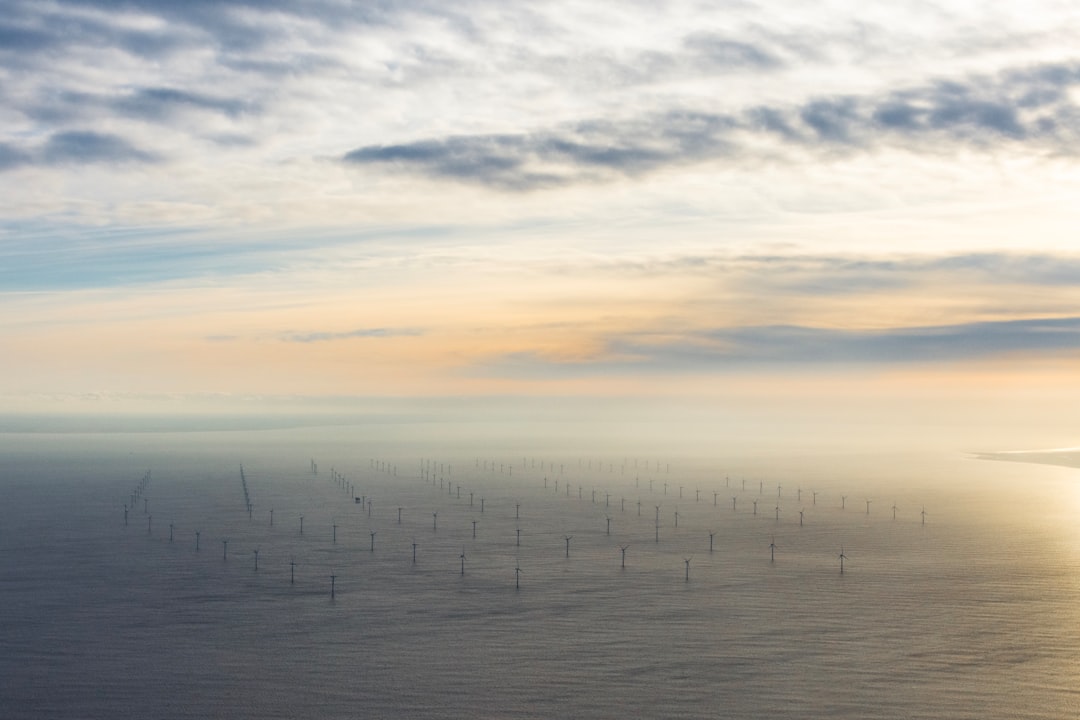
The North Sea, once a turbulent expanse synonymous with oil and gas exploration, is undergoing a profound transformation. Its windswept surface, a constant source of kinetic energy, is now being harnessed on an unprecedented scale through the burgeoning industry of offshore wind farms. These colossal structures, rising from the waves like metallic forests, represent a pivotal shift in global energy production, promising to power the future with clean, sustainable electricity. The North Sea, with its ideal wind conditions, shallow waters in many areas, and proximity to major industrial centers, has emerged as a global frontrunner in this renewable energy revolution. This article delves into the multifaceted world of North Sea offshore wind farms, exploring their technological marvels, economic implications, environmental considerations, and the challenges and opportunities that lie ahead.
The concept of capturing wind energy for power generation is ancient, but its transition to the harsh marine environment of the North Sea is a testament to human ingenuity and technological advancement. What began as experimental turbines tethered to the seabed has evolved into vast, sophisticated wind farms capable of powering entire cities. This evolution has been driven by a relentless pursuit of efficiency, reliability, and scalability.
From Single Turbines to Gigantic Arrays
Early offshore wind projects were often pilot schemes, featuring a handful of turbines designed to test the viability of the technology. These early pioneers faced significant challenges, including corrosion from saltwater, the immense forces of waves and wind, and the logistical complexities of construction and maintenance at sea. However, the lessons learned from these initial ventures paved the way for larger, more robust designs. The development of specialized vessels, advanced foundation technologies, and improved turbine designs capable of withstanding extreme weather conditions have been crucial. Today, wind farms often comprise hundreds of turbines, each a marvel of engineering, with blades spanning over 200 meters and generating capacities that dwarf their predecessors.
Foundation Technologies: Anchoring the Giants
The foundation upon which these colossal turbines stand is paramount. Several key technologies have been developed and refined for offshore wind farms, each suited to different seabed conditions and water depths.
Monopile Foundations: The Workhorse of Shallow Waters
For shallower waters, typically up to 30-40 meters, monopile foundations are the most common and cost-effective solution. These are large, hollow steel tubes, often several meters in diameter, driven deep into the seabed. The turbine tower is then attached to the top of the monopile. Their simplicity, robust nature, and relatively straightforward installation process have made them the backbone of many early and current offshore wind developments.
Jacket Foundations: For More Challenging Seabeds
In areas with rockier seabeds or slightly deeper waters, jacket foundations offer greater stability. These are lattice-like structures, resembling oil rigs, made of steel. They are typically piled into the seabed at multiple points, providing a wider and more secure base for the turbine. While more complex to fabricate and install than monopiles, jacket foundations offer superior load-bearing capacity.
Gravity-Based Structures: A Less Common but Viable Option
Gravity-based structures (GBS) utilize the sheer weight of concrete or steel to anchor the turbine. These are large, hollow caissons that are floated to the site and then sunk onto a prepared seabed, filled with ballast material. While less prevalent in the North Sea compared to monopiles and jackets, GBS can be advantageous in areas with soft or challenging seabed conditions where piling is difficult.
Floating Foundations: Unlocking Deeper Waters
The most revolutionary development in offshore wind foundation technology is the emergence of floating platforms. These structures allow turbines to be deployed in much deeper waters, beyond the reach of traditional fixed-bottom foundations. This significantly expands the potential deployment areas for offshore wind, opening up vast, previously inaccessible regions of the North Sea.
Spar-Type Platforms: Cylindrical Stability
Spar-type platforms are large, cylindrical floating structures that are anchored to the seabed. The turbine is mounted on top, and the majority of the platform’s mass is submerged, providing inherent stability like a keel on a boat.
Semi-Submersible Platforms: Buoyancy and Stability
Semi-submersible platforms consist of a deck supported by submerged pontoons and columns. This design offers a large surface area for buoyancy while maintaining a low center of gravity for stability. They are anchored to the seabed via mooring lines.
Tension Leg Platforms (TLPs): Taut Mooring for Stability
Tension Leg Platforms are characterized by vertical tendons that are held in tension by the buoyancy of the platform. This creates a very stiff connection to the seabed, minimizing vertical movement and providing exceptional stability, even in rough seas.
Turbine Innovations: Bigger, Better, and Smarter
The turbines themselves have undergone continuous innovation. Turbine blades have grown dramatically in length and aerodynamic efficiency, capturing more wind energy. Advanced control systems optimize blade pitch and yaw to maximize energy capture and minimize stress on the structure. The development of direct-drive generators, which eliminate the need for a gearbox, has also increased reliability and reduced maintenance requirements. Furthermore, the trend is towards increasingly powerful turbines, with individual units now reaching capacities of 10-15 megawatts and beyond, significantly reducing the number of turbines needed for a given power output.
North Sea offshore wind farms have been gaining significant attention due to their potential to provide sustainable energy and reduce carbon emissions. For a deeper understanding of the advancements and challenges in this sector, you can read a related article that explores the latest developments and future prospects of offshore wind energy in the region. Check it out here: North Sea Offshore Wind Farms: Innovations and Challenges.
The Economic Engine: Jobs, Investment, and Energy Security
The rapid growth of the North Sea offshore wind sector has profound economic implications, acting as a powerful engine for job creation, attracting substantial investment, and bolstering national energy security.
A Booming Industry: Job Creation and Supply Chains
The construction, operation, and maintenance of offshore wind farms require a highly skilled workforce across a multitude of disciplines. From highly specialized engineers and technicians to logistics personnel and maritime professionals, the sector is generating a diverse range of employment opportunities. This has led to the revitalization of coastal communities and the establishment of robust supply chains, with companies investing in manufacturing, installation, and support services. The “Made in Europe” label is increasingly becoming a mark of quality and innovation in offshore wind technology.
Foreign Direct Investment and Innovation Hubs
The sheer scale of investment required for these projects has attracted significant foreign direct investment into the countries bordering the North Sea. This influx of capital not only funds the construction of wind farms but also spurs innovation and research and development in the renewable energy sector. Many countries are actively establishing innovation hubs and research centers dedicated to offshore wind, fostering collaboration between industry, academia, and government to push the boundaries of what’s possible.
Energy Security and Independence
For nations historically reliant on imported fossil fuels, the development of domestic offshore wind resources offers a pathway to enhanced energy security and greater independence. By diversifying their energy mix and reducing reliance on volatile global markets, countries can achieve greater price stability and insulate themselves from geopolitical disruptions. The predictable nature of wind, once captured, provides a consistent and reliable source of power, contributing to a more resilient energy infrastructure.
Environmental Stewardship: Balancing Energy Needs and Marine Ecosystems
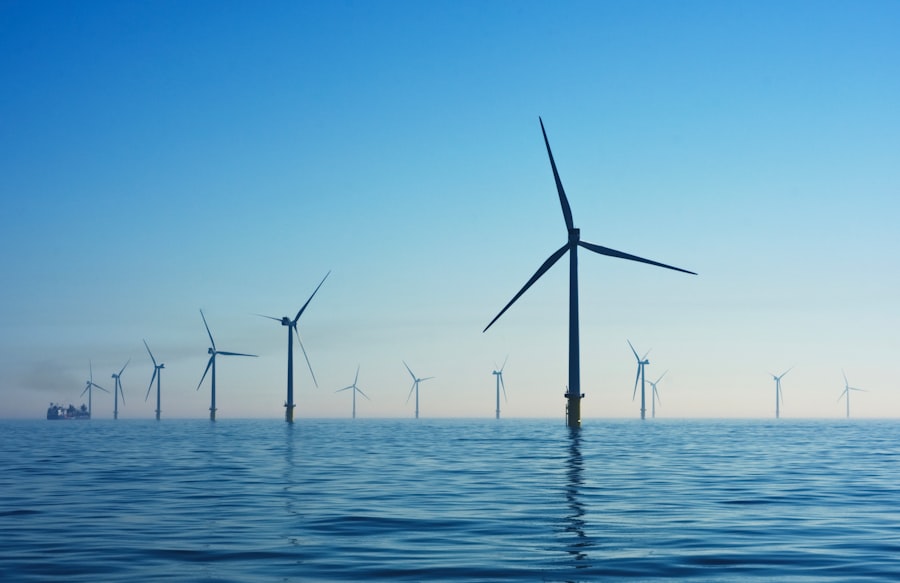
While offshore wind power is a cornerstone of decarbonization efforts, its deployment necessitates careful consideration of its environmental impact on the delicate North Sea ecosystem. Responsible development involves rigorous assessment, mitigation strategies, and ongoing monitoring.
Marine Mammal Protection: Navigating the Challenges
The construction phase of offshore wind farms can pose a risk to marine mammals through underwater noise generated by piling activities. Significant research and technological advancements have been dedicated to mitigating these impacts. This includes the development of noise-reduction technologies like bubble curtains and hydro-sound dampers, as well as the implementation of strict working protocols during sensitive periods for marine life. Post-construction, the turbines themselves can act as artificial reefs, providing new habitats for marine life, and the exclusion zones around turbines can offer a refuge for certain species.
Seabird Collision Risk and Mitigation
Seabirds are another key environmental consideration. While the risk of collision with turbine blades is a concern, studies have shown that it is often lower than other anthropogenic threats such as collisions with buildings, vehicles, or being preyed upon by cats. Nevertheless, careful site selection is crucial to avoid major migratory routes and foraging grounds. Advanced radar and monitoring systems are employed to track bird movements and, in some cases, turbines can be temporarily shut down during peak migration periods.
Benthic Habitats and Ecosystems
The impact on the seabed and benthic (bottom-dwelling) ecosystems is also carefully managed. Foundation installation can cause localized disruption. However, over time, the structures can become colonized by marine organisms, creating new habitats. Environmental impact assessments meticulously analyze the potential effects on seabed communities, and measures are often implemented to minimize disturbance during construction and decommissioning.
The Role of Wind Farms as Artificial Reefs
Paradoxically, offshore wind farm structures can act as artificial reefs, fostering biodiversity. The submerged parts of turbines and their foundations provide hard surfaces for corals, anemones, and other sessile organisms to attach to. This, in turn, attracts a wider variety of fish species, creating new feeding grounds and nurseries. This unexpected ecological benefit highlights the complex and often beneficial interactions that can arise between renewable energy infrastructure and the marine environment.
Challenges and the Road Ahead: Overcoming Obstacles to a Greener Future

Despite the remarkable progress, the North Sea offshore wind sector faces several significant challenges that must be addressed to unlock its full potential. Navigating these hurdles is crucial for ensuring a smooth and sustainable transition to a clean energy future.
Grid Integration and Infrastructure Upgrades
One of the most significant challenges is the integration of vast amounts of intermittent wind power into existing electricity grids. The grid infrastructure in many coastal areas was not designed to handle the massive influx of electricity generated by these offshore facilities. Significant investment in grid upgrades, including the construction of new high-voltage transmission lines, substations, and energy storage solutions, is essential to ensure a stable and reliable power supply. The development of offshore grids, connecting multiple wind farms and countries, is also a key area of focus.
Supply Chain Capacity and Skilled Workforce Shortages
As the industry continues to expand rapidly, there is a growing concern about the capacity of existing supply chains to meet demand. The manufacturing of turbines, foundations, and specialized vessels needs to scale up significantly. Similarly, there is a pressing need for a skilled workforce. Investing in education and training programs to develop the necessary expertise in areas like offshore engineering, marine operations, and cybersecurity is paramount.
Decommissioning and End-of-Life Management
While still a future concern for many current projects, the eventual decommissioning of offshore wind farms presents a significant logistical and environmental challenge. Developing cost-effective and environmentally sound methods for dismantling and disposing of or recycling these massive structures is an ongoing area of research and planning. The principle of “design for decommissioning” is increasingly being integrated into the early stages of project development.
The Future of Floating Wind: Unlocking New Frontiers
The continued development and commercialization of floating wind technology are crucial for unlocking the vast potential of deeper waters. Reducing the costs associated with floating platforms and mooring systems, as well as developing efficient installation and maintenance techniques for these vessels, will be key to widespread deployment. The North Sea, with its deeper western regions, is a prime candidate for the large-scale adoption of floating wind farms.
The development of North Sea offshore wind farms has gained significant attention due to their potential to provide sustainable energy and reduce carbon emissions. A related article discusses the latest advancements in turbine technology and their impact on energy efficiency. For more insights on this topic, you can read the article here. As these projects continue to expand, they not only promise to enhance energy security but also create numerous job opportunities in the region.
The North Sea’s Legacy: From Fossil Fuels to a Renewable Horizon
| Wind Farm | Capacity (MW) | Number of Turbines | Commissioning Year |
|---|---|---|---|
| Walney Extension | 659 | 87 | 2018 |
| Hornsea 1 | 1,218 | 174 | 2019 |
| London Array | 630 | 175 | 2013 |
| Beatrice | 588 | 84 | 2019 |
The North Sea’s journey from the oil and gas era to becoming a beacon of offshore wind power is a compelling narrative of adaptation and progress. What was once a symbol of hydrocarbon extraction is now transforming into a symbol of sustainable energy production. This transition is not merely an environmental imperative; it is an economic opportunity and a strategic imperative for energy security.
Collaboration and International Cooperation
The North Sea is shared by multiple nations, and realizing its full offshore wind potential necessitates close collaboration and international cooperation. Harmonizing regulatory frameworks, developing cross-border transmission infrastructure, and sharing best practices are essential for maximizing the benefits of this shared resource. Initiatives like the North Seas Energy Cooperation (NSEC) are vital in fostering this collaborative spirit.
Technological Advancements and Future Prospects
The pace of technological innovation in offshore wind shows no signs of slowing down. The development of larger and more efficient turbines, advanced energy storage solutions, and smart grid technologies will further enhance the reliability and cost-effectiveness of offshore wind power. The integration of artificial intelligence and digitalization will also play a crucial role in optimizing operations and maintenance, predicting potential issues, and maximizing energy output.
A Beacon of Hope for a Sustainable Planet
The North Sea offshore wind farms stand as a testament to human innovation and our collective commitment to a sustainable future. They are not just sources of electricity; they are symbols of a paradigm shift, demonstrating that a transition away from fossil fuels is not only possible but also economically viable and environmentally responsible. As these wind turbines continue to spin, they generate more than just power; they generate hope for a cleaner, more secure, and prosperous planet. The North Sea, once a symbol of past energy dominance, is now powering the future.

The Dangerous Sea Europe Can’t Live Without
FAQs
What are North Sea offshore wind farms?
North Sea offshore wind farms are large-scale installations of wind turbines located in the North Sea, off the coast of several European countries including the United Kingdom, Germany, the Netherlands, Belgium, and Denmark.
How do North Sea offshore wind farms work?
Offshore wind farms harness the power of the wind to generate electricity. Wind turbines are installed in the seabed and use the force of the wind to turn their blades, which then spin a generator to produce electricity. The electricity is then transmitted to shore via undersea cables.
What are the benefits of North Sea offshore wind farms?
Offshore wind farms provide a source of clean, renewable energy, reducing the reliance on fossil fuels and helping to combat climate change. They also create jobs, stimulate economic growth, and contribute to energy security.
What are the challenges of North Sea offshore wind farms?
Challenges of offshore wind farms include the high initial investment and maintenance costs, as well as the technical difficulties of constructing and maintaining turbines in a harsh marine environment. There are also concerns about the impact on marine ecosystems and wildlife.
What is the future of North Sea offshore wind farms?
The future of North Sea offshore wind farms looks promising, with continued investment and technological advancements driving down costs and increasing efficiency. Many countries have ambitious plans to expand their offshore wind capacity in the coming years, making it a key component of their energy transition strategies.