The quest for sustainable and reliable energy in East Africa is a defining challenge of the 21st century. For a region blessed with immense natural resources and a burgeoning young population, the lack of adequate energy infrastructure has been a significant impediment to economic growth, social development, and poverty reduction. However, a palpable shift is underway, driven by ambitious national policies, increasing private sector investment, and innovative technological solutions. This article explores the multifaceted landscape of energy infrastructure development across East Africa, examining the current state, the driving forces behind progress, the challenges that persist, and the transformative potential of a future powered by robust and sustainable energy systems.
The Foundation of Progress: Current Energy Landscape and Needs
East Africa, a diverse region encompassing countries like Kenya, Tanzania, Uganda, Rwanda, Burundi, and Ethiopia, faces a stark energy paradox. While possessing significant untapped potential in solar, geothermal, wind, and hydropower, a substantial portion of its population remains without access to electricity. This deficit has far-reaching consequences, impacting everything from industrial productivity and agricultural output to healthcare delivery and educational opportunities. The reliance on traditional biomass, primarily firewood and charcoal, for cooking and heating contributes to deforestation, indoor air pollution, and significant health risks.
Electricity Access Gaps and Their Ramifications
The disparity in electricity access is a persistent concern. While urban centers often enjoy relatively stable power grids, rural and remote areas are frequently underserved or entirely unconnected. This lack of access exacerbates existing inequalities. Small businesses struggle to operate efficiently without reliable power, hindering job creation and economic diversification. Farmers cannot leverage modern irrigation systems or post-harvest processing technologies, limiting their productivity and market access. Even basic services like charging mobile phones, a vital communication tool in many parts of East Africa, become a daily challenge for millions. The implications for education are equally dire, with students often forced to study by candlelight, impacting their learning outcomes.
The Role of Traditional Energy Sources
Despite the push for modernization, traditional energy sources continue to play a dominant role, particularly for households. The dependence on biomass for cooking is deeply ingrained in many cultures, influenced by factors such as affordability, availability, and established practices. While these sources have historically sustained communities, their unsustainable exploitation poses significant environmental and health challenges. Deforestation leads to soil erosion, desertification, and a loss of biodiversity. The combustion of biomass indoors releases harmful particulate matter, contributing to respiratory illnesses, cardiovascular diseases, and other health problems, disproportionately affecting women and children.
Emerging Energy Demands and Economic Aspirations
As East African economies grow and populations urbanize, the demand for energy is set to skyrocket. Industrialization, urbanization, and the increasing adoption of modern lifestyles all contribute to this upward trend. Governments across the region have articulated ambitious development agendas that are intrinsically linked to a reliable and affordable energy supply. From manufacturing and mining to telecommunications and tourism, virtually every sector of the economy is a heavy consumer of energy. Meeting these escalating demands necessitates a strategic and sustained investment in diverse and modern energy infrastructure.
The development of energy infrastructure in East Africa is crucial for the region’s economic growth and sustainability. A related article that delves deeper into the challenges and opportunities within this sector can be found at this link. It explores various initiatives aimed at enhancing energy access and promoting renewable sources, which are vital for the future of East African nations.
Catalysts for Change: Drivers of Infrastructure Development
Several powerful forces are propelling energy infrastructure development in East Africa. Government commitment, exemplified by national energy policies and master plans, provides the foundational framework. The growing recognition of the economic benefits of electrification, coupled with a desire for energy independence and climate resilience, further fuels this drive. Moreover, the increasing attractiveness of the East African energy market to private investors, both domestic and international, is a critical factor. This influx of capital, combined with technological advancements and a focus on renewable energy, is reshaping the region’s energy future.
Government Policies and Strategic Visions
East African governments have demonstrated a growing commitment to addressing their energy deficits. National development plans and energy sector master plans increasingly prioritize electrification, diversification of energy sources, and the development of robust transmission and distribution networks. These policies often include targets for increasing electricity access, promoting renewable energy deployment, and attracting private sector investment. Regulatory frameworks are being reformed to create a more conducive environment for investors, including measures to improve the ease of doing business, standardize power purchase agreements, and ensure fair tariffs. This proactive policy environment is crucial for signaling long-term commitment and de-risking investments.
The Rise of Renewable Energy Technologies
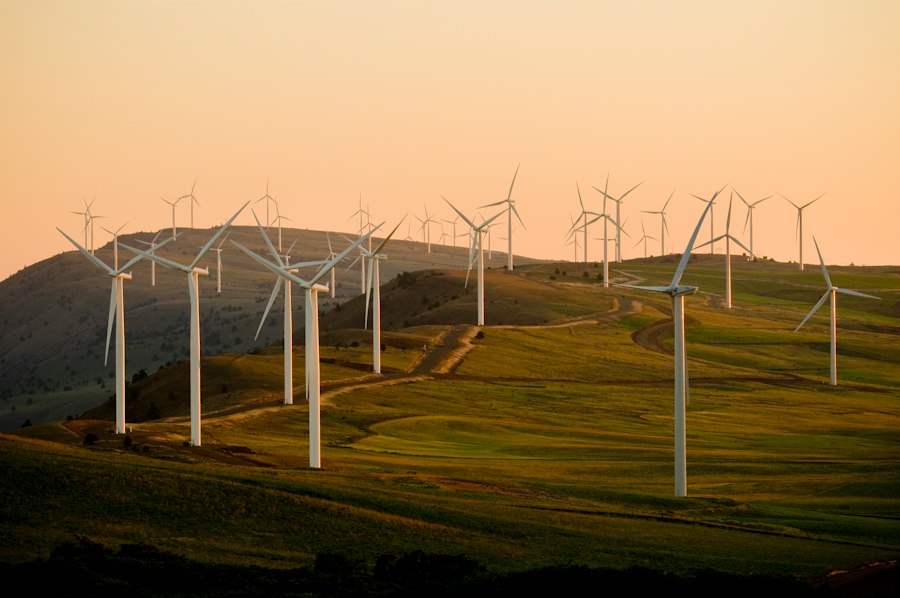
The declining costs and increasing efficiency of renewable energy technologies have been a game-changer for East Africa. Solar photovoltaic (PV) power, in particular, has experienced exponential growth. The region’s abundant sunshine makes it ideally suited for solar energy generation, from large-scale solar farms to individual rooftop installations and off-grid solar home systems. Geothermal potential, especially in the Rift Valley, is another significant resource being tapped, offering a reliable baseload power source. Wind power is also gaining traction in coastal areas and other windy regions. These renewable sources offer a sustainable and environmentally friendly alternative to fossil fuels, contributing to climate change mitigation and reducing reliance on imported fuels.
Attracting Private Sector Investment
The energy sector in East Africa is increasingly a magnet for private investment. Recognizing the vast market potential and the supportive policy environment, both local and international companies are investing in generation, transmission, and distribution projects. This includes independent power producers (IPPs), development finance institutions (DFIs), and venture capital firms. Public-private partnerships (PPPs) are becoming a common model for financing and developing large-scale infrastructure projects, allowing governments to leverage private sector expertise and capital while retaining oversight. The reduction of perceived risks through improved regulatory frameworks and the growing track record of successful projects are further encouraging this investment.
Regional Cooperation and Integration
Increasingly, East African countries are recognizing the benefits of regional cooperation in energy development. Power pools and cross-border transmission lines facilitate the sharing of electricity resources, allowing countries with surplus generation capacity to supply neighboring nations. This not only enhances energy security but also promotes economic integration and reduces the overall cost of electricity. Collaborative efforts in resource assessment, technology transfer, and policy harmonization are crucial for unlocking the full potential of the region’s energy resources and creating a more interconnected and resilient energy system.
Building the Backbone: Key Infrastructure Projects and Innovations
The tangible manifestation of energy infrastructure development in East Africa is evident in the multitude of projects underway and planned. These range from massive hydropower and geothermal plants to extensive transmission networks and innovative off-grid solutions. The focus is on both expanding access to the grid and providing reliable power to those beyond its reach, employing a diverse range of technologies and approaches.
Large-Scale Generation Projects: Hydropower, Geothermal, and Thermal
Major generation projects remain a cornerstone of energy infrastructure development. Hydropower, with its proven reliability and established track record, continues to be a significant source of electricity in countries like Ethiopia and Uganda. However, concerns about environmental impact and social displacement are leading to more careful planning and a greater emphasis on sustainable practices. Geothermal energy is particularly promising in countries like Kenya, which has emerged as a global leader in geothermal power generation, harnessing the immense heat from the earth’s crust for a consistent and low-emission energy supply. Thermal power plants, often fueled by natural gas discovered in regions like Tanzania and Mozambique, also play a role in meeting baseload demand, though their environmental footprint necessitates a careful transition towards cleaner alternatives.
Expanding Transmission and Distribution Networks
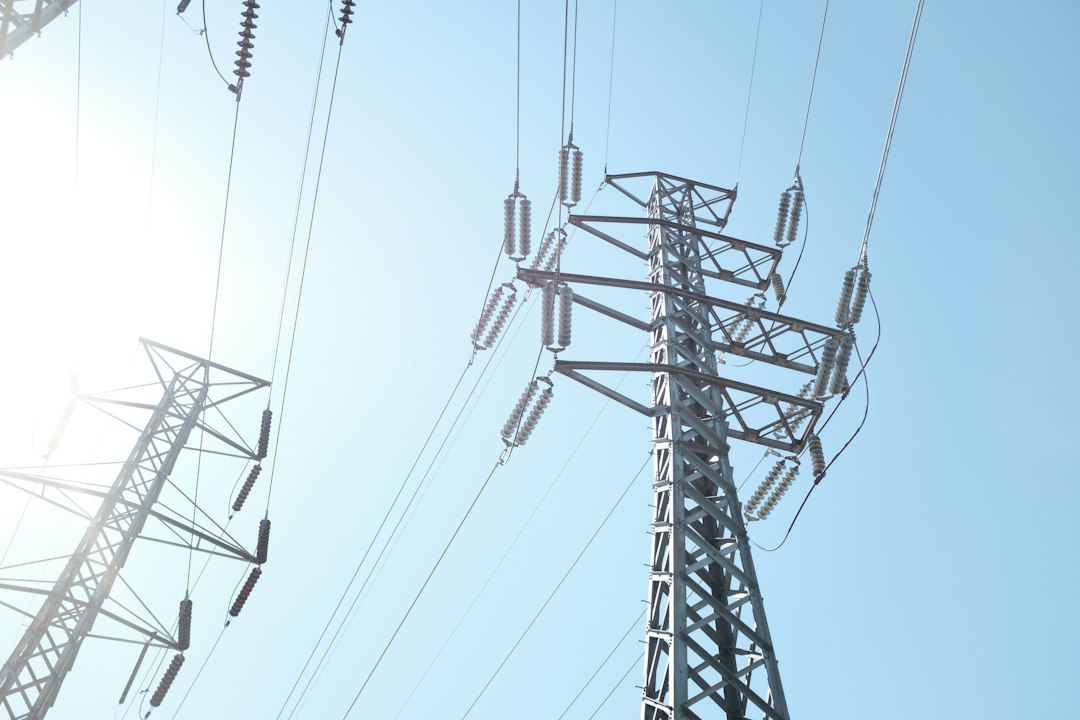
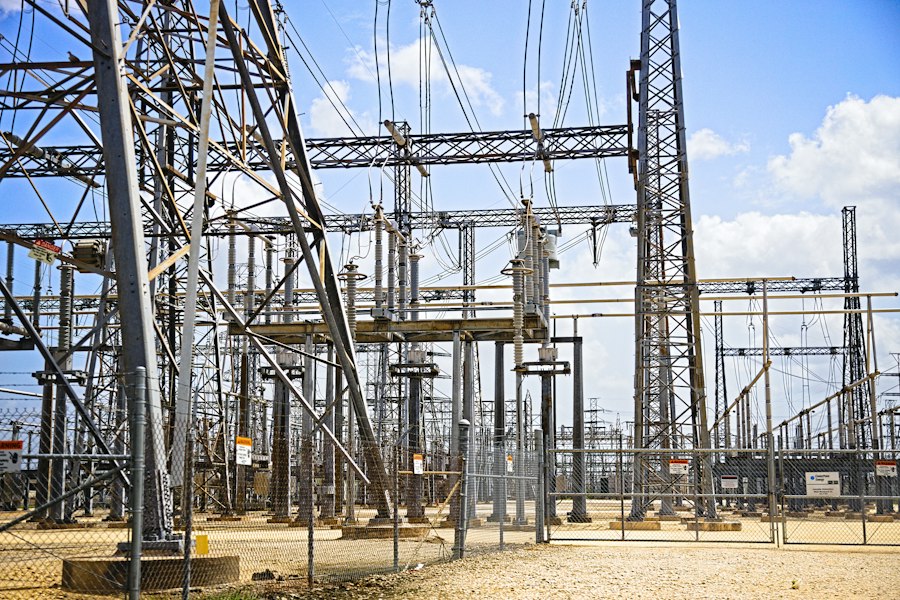
The generation of electricity is only one part of the equation; delivering it to consumers reliably and affordably is equally critical. Significant investments are being made in expanding and modernizing transmission and distribution networks across East Africa. This involves building new high-voltage transmission lines to connect remote generation sites to demand centers, as well as upgrading existing substations and distribution lines to reduce losses and improve reliability. The challenge lies in reaching vast rural populations, often dispersed across challenging terrains, requiring innovative and cost-effective solutions.
The Off-Grid Revolution: Solar Home Systems and Mini-Grids
For communities located far from the national grid, off-grid solutions are proving to be transformative. Solar home systems (SHS) have brought electricity to millions of households, providing lighting, phone charging, and powering small appliances. These systems are increasingly affordable and accessible through pay-as-you-go models, empowering individuals and small businesses. Mini-grids, powered by a combination of solar, wind, or small-scale hydro, are also emerging as a viable option for electrifying larger rural communities, offering a more robust and scalable solution than individual SHS for powering productive activities and essential services like health clinics and schools.
Modernizing the Grid: Smart Technologies and Efficiency Improvements
Beyond expansion, there is a growing focus on modernizing existing grid infrastructure. This includes the integration of smart grid technologies, such as smart meters and advanced metering infrastructure (AMI), which enable better monitoring of energy consumption, improved fault detection, and more efficient load management. Investments in reducing technical and non-technical losses within the distribution network are also crucial for improving the financial sustainability of utilities and ensuring that more generated power reaches consumers.
Overcoming Hurdles: Persistent Challenges in Development
Despite the considerable progress, the path to a fully powered East Africa is not without its obstacles. A complex interplay of financial, technical, and socio-political factors presents ongoing challenges to the pace and scale of energy infrastructure development. Addressing these hurdles effectively is paramount to realizing the region’s full potential.
Financing Gaps and Investment Risks
Securing adequate financing for large-scale energy infrastructure projects remains a significant challenge. While private investment is increasing, the sheer scale of the investment required often outstrips available private capital. Development finance institutions play a crucial role, but their resources are finite. Investors often perceive higher risks in East African markets, including political instability, currency fluctuations, and regulatory uncertainty, which can lead to higher borrowing costs. Innovative financing mechanisms, such as blended finance, green bonds, and risk mitigation instruments, are essential to attract the necessary capital.
Technical Capacity and Skills Shortages
The rapid expansion of energy infrastructure requires a skilled workforce for planning, construction, operation, and maintenance. Many East African countries face a shortage of qualified engineers, technicians, and project managers. Building local capacity through education and training programs, as well as fostering knowledge transfer through partnerships with international firms, is critical for sustainable development and long-term operational efficiency.
Land Acquisition and Environmental Concerns
Large infrastructure projects, particularly hydropower dams, often involve complex land acquisition processes and raise environmental and social concerns. Ensuring fair compensation for displaced communities, conducting thorough environmental impact assessments, and implementing mitigation measures are essential for social license to operate and for minimizing the ecological footprint of development. Balancing the need for energy with environmental protection requires careful planning and stakeholder engagement.
Political Will and Regulatory Stability
While government commitment is a driver, inconsistent political will and a lack of regulatory stability can deter investors. Frequent changes in policy, opaque procurement processes, and weak enforcement of regulations can create uncertainty and increase the perceived risk of investing in the sector. Sustained political commitment, transparent governance, and predictable regulatory frameworks are vital for building investor confidence and ensuring the long-term success of energy infrastructure projects.
East Africa is experiencing a significant transformation in its energy infrastructure, driven by both renewable and traditional energy sources. The region’s efforts to enhance energy access and sustainability are highlighted in a related article that discusses the various projects underway to improve energy distribution and generation. For more insights on this topic, you can read the full article here, which explores the challenges and opportunities facing East African nations as they strive to meet their growing energy demands.
The Horizon of Opportunity: A Future Powered by Sustainable Energy
| Country | Installed Power Capacity (MW) | Primary Energy Sources | Electrification Rate (%) | Major Energy Projects | Renewable Energy Share (%) |
|---|---|---|---|---|---|
| Kenya | 2,800 | Geothermal, Hydro, Wind, Thermal | 75 | Geothermal Expansion, Lake Turkana Wind Power | 70 |
| Tanzania | 1,600 | Hydro, Natural Gas, Coal | 40 | Stiegler’s Gorge Hydro Project, Kinyerezi Gas Plant | 30 |
| Uganda | 1,200 | Hydro, Biomass, Thermal | 28 | Karuma Hydro Power Station, Isimba Hydro Power | 85 |
| Rwanda | 220 | Hydro, Methane Gas, Solar | 51 | Gisenyi Methane Project, Solar Mini-Grids | 60 |
| Ethiopia | 4,500 | Hydro, Wind, Geothermal | 45 | Grand Ethiopian Renaissance Dam, Ashegoda Wind Farm | 90 |
| South Sudan | 150 | Hydro, Biomass, Diesel | 10 | Juba Power Plant, Small Hydro Projects | 25 |
The development of robust energy infrastructure in East Africa is not merely about providing electricity; it is about unlocking a cascade of socio-economic opportunities and fostering a more sustainable and prosperous future for the region. The transformative potential of widespread electrification and the adoption of clean energy sources are immense, promising a brighter and more equitable future.
Driving Economic Growth and Industrialization
Reliable and affordable energy is the bedrock of economic growth and industrialization. It enables the establishment and expansion of businesses, attracts foreign direct investment, and creates jobs. Industries can operate more efficiently, leading to increased productivity and competitiveness. Access to electricity powers modern agricultural practices, from irrigation and processing to cold chains, improving food security and boosting incomes for farmers. The burgeoning digital economy also relies heavily on a stable power supply for data centers, telecommunications networks, and internet access.
Improving Social Welfare and Human Development
The social implications of enhanced energy access are profound. Electrification brings light to homes, extending study hours for children and allowing for evening economic activities. It powers healthcare facilities, enabling the use of essential medical equipment and improving the quality of care. Access to clean cooking solutions significantly reduces indoor air pollution, leading to improved health outcomes, particularly for women and children. Improved energy access also facilitates access to information and communication technologies, bridging the digital divide and fostering greater social inclusion.
Enhancing Energy Security and Climate Resilience
Diversifying energy sources and reducing reliance on imported fossil fuels enhances national energy security. The development of indigenous renewable energy resources allows East African countries to achieve greater energy independence and insulate themselves from volatile global energy markets. Furthermore, the transition to clean energy sources is critical for mitigating climate change impacts. By embracing renewables, East Africa can leapfrog traditional, carbon-intensive development pathways, contributing to global climate goals while building a more resilient energy system that can withstand the impacts of a changing climate.
Fostering Innovation and Technological Advancement
The push for energy infrastructure development is also a catalyst for innovation and technological advancement. The adoption of smart grid technologies, advanced renewable energy solutions, and efficient energy storage systems is driving a wave of technological adoption and adaptation. This creates opportunities for local entrepreneurship and the development of home-grown solutions tailored to the specific needs and contexts of East Africa, fostering a vibrant ecosystem of innovation in the energy sector. The journey towards powering East Africa is a complex but ultimately rewarding endeavor, one that promises to reshape the region’s destiny for generations to come.

Lake Kivu’s Methane Powers Rwanda—What’s Changing Below?
FAQs
What countries are included in East Africa?
East Africa typically includes countries such as Kenya, Tanzania, Uganda, Rwanda, Burundi, and South Sudan.
What are the main sources of energy in East Africa?
The main sources of energy in East Africa include hydroelectric power, geothermal energy, solar power, and some fossil fuels like oil and natural gas.
What are some key energy infrastructure projects in East Africa?
Some key energy infrastructure projects in East Africa include the Grand Ethiopian Renaissance Dam, the Lake Turkana Wind Power project in Kenya, and the Bujagali Hydropower Plant in Uganda.
What challenges does East Africa face in developing its energy infrastructure?
Challenges in developing energy infrastructure in East Africa include limited access to financing, political instability, inadequate regulatory frameworks, and the need for skilled labor.
How is East Africa working towards improving its energy infrastructure?
East Africa is working towards improving its energy infrastructure through regional cooperation, attracting foreign investment, promoting renewable energy sources, and implementing policies to increase energy access for all citizens.