
You’ve just sat through a screening of “Power Struggle: Energy Security,” and the screen hums with the fading afterglow of what can only be described as a seismic intellectual jolt. This isn’t your typical popcorn flick; it’s a deeply unsettling, yet undeniably important, exposé that forces you to confront some of the most fundamental questions about the world you inhabit. You leave the theater with a knot in your stomach, a buzzing in your brain, and a profound sense of urgency to understand the invisible currents that dictate your daily life, from the light switch in your home to the geopolitical tensions that simmer on the global stage.
The documentary, in its unflinching gaze, peels back the layers of what it means to be energy secure. It’s not merely about having enough power to keep the lights on; it’s a complex web of economics, politics, environment, and social stability, all inextricably linked. You’re taken on a journey that spans continents and delves into the heart of the systems that fuel our modern existence, revealing a system far more precarious and contested than you likely ever imagined.
You might not think about it much, but your entire day, your entire life, is powered by an intricate and often unseen network. From the moment you wake up, roused by an alarm clock, to the moment you prepare your evening meal, or even just scroll through your phone, you are a consumer, a participant, in a global energy ecosystem. “Power Struggle: Energy Security” immediately anchors this abstract concept to your reality.
Waking Up to Your Energy Footprint
The documentary’s opening segments are a stark reminder of your individual energy consumption. You’re shown the appliances you use without a second thought: the refrigerator that hums constantly, the heater that combats the winter chill, the countless electronic devices that require charging. You’re made to visualize the energy required to manufacture all these items, to transport them to your doorstep, and then to power them day in and day out. It’s a visual onslaught of consumption, and for the first time, you might start to feel a pang of responsibility, or perhaps even guilt, for your own contribution.
The Digital Pulse: Powering Your Connected Life
Your digital life, so seamlessly integrated into your existence, is a voracious consumer of energy. The servers that host your social media feeds, the massive data centers that manage your online banking, the telecommunication networks that keep you connected – all of these require colossal amounts of electricity. The film highlights the hidden energy costs of your online world, illustrating how a seemingly intangible digital presence has a very tangible, and significant, energy demand. This might leave you questioning the true price of convenience and constant connectivity.
Fueling Your Mobility: The Road Ahead
The veins of global commerce and personal travel are fueled by a finite resource. The documentary vividly illustrates your reliance on fossil fuels for transportation, from your morning commute to the goods that arrive at your local store. You’re shown the vast infrastructure required for oil extraction, refining, and distribution, and the inherent vulnerabilities within these supply chains. This segment is particularly chilling as it underscores how easily disruptions in this sector can have cascading effects on your daily life, impacting prices, availability, and even national stability.
In the context of energy security, the documentary highlights the critical challenges and strategies nations face in ensuring a stable and sustainable energy supply. For further insights into this pressing issue, you can explore a related article that delves into the geopolitical implications of energy dependence and renewable energy transitions. To read more, visit this article.
The Geopolitical Chessboard: Who Holds the Power?
As “Power Struggle: Energy Security” progresses, you realize that energy is far more than just a commodity; it’s a potent geopolitical weapon. The documentary meticulously details how the control and distribution of energy resources have shaped international relations for centuries, and how this struggle continues to define the modern world.
The Legacy of Oil: A World Built on Black Gold
You’re taken back in time, charting the rise of oil as the dominant energy source and the geopolitical maneuvers that accompanied it. The film explores how nations have vied for access to oil reserves, the formation of powerful cartels, and the establishment of military interests to secure these vital resources. You’re shown how this historical reliance has created a complex web of alliances and rivalries, where energy independence is a constant aspiration and a perpetual challenge.
Resource Nationalism: A Delicate Balancing Act
The documentary uncovers the phenomenon of “resource nationalism,” where countries with significant energy reserves assert greater control over their resources. You see how this can manifest in policies aimed at maximizing domestic benefit, often at the expense of international cooperation or the interests of consumer nations. This can lead to price volatility, diplomatic standoffs, and a heightened sense of insecurity for those reliant on imports. You begin to understand that the abstract concept of “energy prices” is often a direct consequence of these nationalistic ambitions.
The Scramble for New Frontiers: Arctic and Beyond
As traditional reserves dwindle, the film points to new areas of potential conflict and competition – the Arctic, for instance. You’re shown the immense untapped resources beneath the ice and the increasing interest from various nations in accessing them. This exploration highlights how climate change, ironically, is opening up new avenues for energy extraction, but simultaneously creating new geopolitical fault lines and environmental concerns. You wonder about the long-term implications of this renewed scramble for resources.
The Shifting Sands of the Energy Landscape: Towards a Green Future?
The narrative in “Power Struggle: Energy Security” doesn’t shy away from the looming specter of climate change and the urgent need for a transition to renewable energy sources. You’re presented with the stark realities of fossil fuel emissions and the accelerating pace of global warming, forcing you to confront the environmental consequences of your current energy consumption.
The Unfulfilled Promise of Renewables: Hurdles and Hopes
The documentary delves into the promise of renewable energy – solar, wind, geothermal, and others. You see the advancements made in these technologies and the potential they hold for a sustainable future. However, you also witness the significant hurdles that remain: the challenges of intermittency, the cost of infrastructure, the limitations of battery storage, and the political and economic resistance from established fossil fuel industries. You grapple with the idea that the transition, while necessary, is far from seamless.
The Role of Nuclear Power: A Controversial Ally
The film also tackles the complex and often contentious role of nuclear energy. You’re presented with arguments for its low-carbon output and its ability to provide baseload power, but also the persistent concerns surrounding safety, waste disposal, and the risk of proliferation. This section leaves you with a nuanced perspective, understanding that there are no easy answers and that every energy source comes with its own set of trade-offs. You realize that the debate is far from settled.
The Energy Gap: Developing Nations and Equitable Access
A particularly poignant aspect of the documentary focuses on the energy gap between developed and developing nations. You see how lack of access to reliable and affordable energy hinders economic development, education, and healthcare in many parts of the world. The film asks critical questions about global responsibility and the potential for renewable energy to bridge this divide, while also acknowledging the immense financial and logistical challenges involved. You feel a sense of global interconnectedness and the ethical imperative to address these disparities.
The Vulnerabilities Within: Infrastructure and Cyber Threats

Beyond the geopolitical struggles and the environmental imperative, “Power Struggle: Energy Security” exposes the inherent vulnerabilities within the very infrastructure that powers your modern life. You are shown how dependent you are on a system that, if compromised, could bring society to a standstill.
The Physical Backbone: Threats to Critical Infrastructure
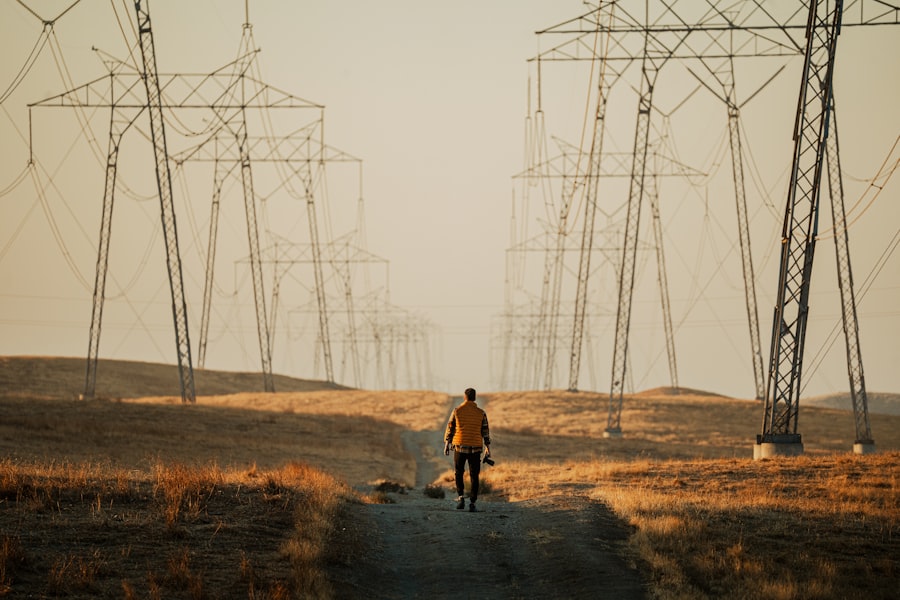
The documentary highlights the physical infrastructure that underpins your energy supply. You see the vast networks of pipelines, power lines, and refineries, and how susceptible they are to natural disasters, accidents, and even deliberate sabotage. The film presents scenarios of how a major power outage or pipeline rupture could have devastating consequences, emphasizing the fragility of your seemingly robust energy systems. You might find yourself looking at your local power substation with a newfound sense of unease.
The Digital Frontier: The Growing Threat of Cyberattacks
Perhaps one of the most alarming revelations is the increasing threat of cyberattacks on energy grids. You learn how sophisticated hackers, be they state-sponsored or criminal, can target the digital control systems that manage power distribution. The film illustrates how a successful cyberattack could lead to widespread blackouts, economic chaos, and even disrupt critical services like hospitals and emergency response. This section leaves you with a chilling realization about the unseen battle being waged in the digital realm, directly impacting your physical security.
The Rise of Distributed Energy: Resilience or New Risks?
The documentary also explores the concept of distributed energy systems – solar panels on rooftops, microgrids, and localized power generation. You are presented with the argument that these systems can enhance resilience and reduce reliance on large, centralized grids. However, you also learn that these decentralized systems can introduce new vulnerabilities and require different approaches to security and management. You begin to understand that innovation, while promising, also brings its own set of evolving challenges.
In exploring the complexities of energy security, one can gain further insights by watching a related documentary that delves into the geopolitical implications of energy resources. This documentary highlights the challenges nations face in securing reliable energy supplies while navigating international relations. For a deeper understanding of these issues, you can check out this informative article on energy security at mygeoquest.com, which provides a comprehensive overview of the current landscape and future trends in energy policy.
The Path Forward: Consumer Power and Collective Action
| Documentary Title | Release Year | Director | Runtime |
|---|---|---|---|
| Power Trip: The Story of Energy | 2009 | Paul Devlin | 1 hour 25 minutes |
| Switch | 2012 | Harry Lynch | 1 hour 38 minutes |
| Hot Grease | 2018 | Sam Wainwright Douglas | 1 hour 26 minutes |
As the credits roll and you rise from your seat, the overwhelming feeling is one of agency, or rather, the potential for agency. “Power Struggle: Energy Security” isn’t just about presenting problems; it’s about empowering you to be part of the solution. The documentary concludes by urging you to consider your role in shaping a more secure and sustainable energy future.
The Power of Your Choices: Shifting Your Consumption Habits
The film emphasizes that your individual choices, when aggregated, can have a significant impact. You are encouraged to consider ways to reduce your energy consumption, improve efficiency, and explore renewable energy options for your home. This might involve simple things like switching to LED bulbs, insulating your home better, or investing in energy-efficient appliances. The documentary frames these actions not as sacrifices, but as conscious decisions that contribute to a larger movement.
Demanding Accountability: The Influence of the Citizen
You are reminded that as citizens, you have a voice and the power to influence policy. The film encourages you to engage with your elected officials, support organizations working on energy security, and advocate for a transition to cleaner and more secure energy sources. You learn that collective action and informed public discourse are crucial in driving the necessary changes at a systemic level. You realize that your vote, your engagement, and your voice matter.
Investing in Innovation: The Future is Built on New Ideas
“Power Struggle: Energy Security” highlights the importance of investing in research and development for new energy technologies. You are shown how innovation is key to overcoming the challenges of renewable energy integration, energy storage, and grid modernization. The film suggests that supporting startups, research institutions, and policies that foster innovation are vital steps towards a secure and sustainable energy future for all. You end the screening with a sense of hope, realizing that the future, though uncertain, is also brimming with potential for positive change, driven by human ingenuity and collective will. You leave the theater not just informed, but inspired to be a more active participant in your own energy destiny.

The Taiwan Strait: The Most Dangerous Place in the Global Economy
FAQs
What is energy security?
Energy security refers to the uninterrupted availability of energy sources at an affordable price. It involves ensuring a reliable supply of energy to meet the needs of a country’s economy and its citizens.
Why is energy security important?
Energy security is important for a country’s economic stability, national security, and overall well-being. It ensures that essential services such as electricity, transportation, and heating are not disrupted, and reduces vulnerability to energy supply disruptions.
What are the main challenges to energy security?
The main challenges to energy security include geopolitical tensions, natural disasters, infrastructure vulnerabilities, and dependence on imported energy sources. Additionally, the transition to renewable energy sources and the need to modernize energy infrastructure present challenges to energy security.
How can energy security be achieved?
Energy security can be achieved through diversifying energy sources, investing in renewable energy technologies, improving energy efficiency, enhancing energy infrastructure resilience, and promoting energy conservation and responsible energy consumption.
What are the potential consequences of failing to address energy security?
Failing to address energy security can lead to economic instability, energy supply disruptions, increased energy prices, and national security risks. It can also contribute to environmental degradation and exacerbate global energy inequalities.