No single nation commands the world’s attention like a masterful chess player orchestrating a complex game. In the realm of international relations, these moves are rarely subtle and their consequences ripple across continents. “Power Plays: A Geopolitics Documentary” delves into this intricate world, unfurling the hidden currents and overt maneuvers that shape our global landscape. This multifaceted film, lauded for its meticulous research and unflinching gaze, invites viewers to not only observe but also understand the forces that drive nations, forge alliances, and ignite conflicts.
The documentary is not a dry academic thesis; it is a vibrant tapestry woven from historical context, contemporary analysis, and expert interviews. Director Anya Sharma and her team have eschewed simplistic narratives, opting instead for a nuanced exploration of the multifaceted nature of geopolitical power. From the smoky backrooms of diplomacy to the stark realities of the battlefield, “Power Plays” provides a compelling and often sobering look at how power is sought, wielded, and ultimately contested on the global stage.
The documentary’s strength lies in its deep historical grounding. Rather than focusing solely on the present, “Power Plays” dedicates significant segments to understanding the historical precedents that continue to inform contemporary geopolitical thinking. It argues persuasively that understanding the past is not merely an academic exercise, but a fundamental requirement for comprehending the present and anticipating the future.
The Legacy of Empires: From Rome to the British Raj
The initial episodes paint a vivid picture of empires throughout history, highlighting their methods of expansion, consolidation of power, and eventual decline. The Roman Empire, with its sophisticated infrastructure and formidable legions, serves as an early benchmark for centralized authority and territorial ambition. The documentary traces how Rome’s ability to project power and administer vast territories laid the groundwork for much of Western geopolitical thought.
Subsequently, the film shifts to the era of European colonialism, with a particular focus on the British Empire. The vastness of the Raj, its intricate administrative apparatus, and its economic exploitation are explored in depth. “Power Plays” examines how the British meticulously drew lines on maps, often with little regard for existing ethnic or cultural boundaries, thereby sowing the seeds of future conflicts that continue to plague regions today. The documentary argues that the legacy of colonial borders and the power imbalances they created remain a potent force in shaping the international order, dictating resource distribution and influencing national identities.
The Cold War’s Shadow: Bipolarity and the Balance of Power
The advent of the Cold War between the United States and the Soviet Union is presented as a pivotal moment in modern geopolitics. The documentary meticulously dissects the concept of bipolarity, where the world was largely divided into two opposing ideological and military blocs. It showcases how this era was characterized by proxy wars, an unrelenting arms race, and the constant threat of nuclear annihilation.
“Power Plays” emphasizes the delicate balance of power that emerged, where neither superpower dared to engage in direct confrontation for fear of mutual assured destruction. Interviews with former diplomats and intelligence officials offer firsthand accounts of the tense negotiations and clandestine operations that defined this period. The documentary argues that even though the Cold War has ended, its geopolitical architecture, including the established alliances and spheres of influence, continues to shape global dynamics. The lingering suspicions and strategic calculations forged in that era are still palpable, influencing current defense policies and international relations.
The Scramble for Resources: A Recurring Theme
Throughout history, the pursuit of vital resources has been a consistent driver of geopolitical maneuvering. “Power Plays” illustrates this recurring theme with numerous examples. From the ancient world’s demand for grain and precious metals to the modern global thirst for oil, gas, and rare earth minerals, the documentary demonstrates how access to and control over resources have often been the casus belli for conflict and the foundation for national wealth.
The film highlights how the exploration, extraction, and transport of these resources have fueled exploration, colonization, and intricate trade networks. It also scrutinizes the ethical implications of resource exploitation, including the environmental damage and social injustices often associated with these endeavors. The documentary suggests that the ongoing competition for dwindling resources will continue to be a major source of geopolitical tension in the 21st century.
For those interested in the intricate dynamics of global power and international relations, the documentary featured on geopolitics provides a compelling exploration of current events and historical contexts. To delve deeper into the subject, you can check out a related article that discusses the impact of geopolitical strategies on global trade and security. This insightful piece can be found at My Geo Quest.
The Modern Chessboard: Contemporary Dynamics of Power
Having established the historical context, “Power Plays” transitions to a detailed analysis of the contemporary geopolitical landscape. It moves beyond simplistic notions of nation-state rivalry to explore the complex web of actors, interests, and ideologies that define today’s world.
The Rise of Multipolarity: Shifting Sands of Influence
The documentary argues that the unipolar moment following the collapse of the Soviet Union has given way to a more complex multipolar world. The rise of new powers, particularly China, but also emerging economies in India and Brazil, has fundamentally altered the global balance of influence. “Power Plays” examines how these nations are increasingly assertive on the international stage, challenging established norms and seeking to reshape global governance structures.
Interviews with economists and political scientists explore the economic underpinnings of this shift, detailing how burgeoning economies are translating their newfound wealth into diplomatic and military leverage. The documentary explores the implications of this shift for international institutions like the United Nations and the World Trade Organization, questioning their ability to effectively manage the interests of a more diverse and competitive global community. The rise of regional powers also means that conflicts and alliances are becoming more localized and complex, defying easy categorization.
The Weaponization of Information: The Digital Battlefield
In the 21st century, power is not solely measured in military might or economic output. “Power Plays” dedicates a significant segment to the weaponization of information and the rise of the digital battlefield. The documentary explores how states and non-state actors are using social media, disinformation campaigns, and cyberattacks to influence public opinion, destabilize adversaries, and achieve strategic objectives without firing a shot.
The film delves into the sophisticated algorithms and psychological tactics employed to spread propaganda and sow discord. It features interviews with cybersecurity experts and former intelligence operatives who shed light on the clandestine operations that now unfold in the virtual realm. The documentary asks urgent questions about the vulnerability of democratic societies to foreign interference and the challenges of distinguishing truth from falsehood in an increasingly interconnected world. It highlights how the speed and reach of information dissemination have amplified the impact of misinformation, making it a potent tool for geopolitical leverage.
The Energy Nexus: Geopolitics of Oil, Gas, and Renewables
The documentary revisits the critical role of energy in shaping geopolitical power. While oil and gas remain central to many global power dynamics, “Power Plays” also explores the emerging geopolitics of renewable energy. The shift towards sustainable energy sources is creating new dependencies, new trading partners, and new areas of competition.
The film examines how countries with abundant renewable resources, such as solar or wind potential, are beginning to wield new forms of influence. It also scrutinizes the geopolitical implications of the transition away from fossil fuels, including the potential for economic disruption in oil-dependent nations and the race to secure critical minerals needed for renewable technologies. The documentary suggests that the future of energy security will be as much about controlling the supply chains of solar panels and batteries as it is about securing oil pipelines.
The New Frontlines: Emerging Threats and Challenges

“Power Plays” does not shy away from the pressing threats and challenges that define the current geopolitical era. It presents a stark and often unsettling picture of the forces that are pushing the world towards instability.
Climate Change as a Security Threat: Resource Wars and Mass Migration
One of the most compelling arguments of the documentary is the framing of climate change not just as an environmental issue, but as a profound security threat. “Power Plays” meticulously details how rising sea levels, extreme weather events, and desertification are exacerbating existing tensions and creating new ones.
The film presents compelling case studies of regions already experiencing the destabilizing effects of climate change, including increased competition for scarce water resources, the displacement of populations, and the rise of climate refugees. Interviews with climate scientists and humanitarian aid workers offer firsthand accounts of these unfolding crises. The documentary argues that national governments and international organizations must urgently prioritize adaptation and mitigation strategies to prevent climate-induced conflicts and humanitarian catastrophes. It underlines the interconnectedness of global ecosystems and the far-reaching consequences of environmental degradation on human security.
The Resurgence of Nationalism and Protectionism: A Fractured World Order
The documentary notes a concerning resurgence of nationalism and protectionist sentiment in many parts of the world. This trend, it argues, is undermining the principles of international cooperation and leading to increased trade disputes and diplomatic tensions. “Power Plays” explores the socio-economic factors driving this shift, including economic inequality, cultural anxieties, and the perceived failures of globalization.
The film offers examples of countries retreating into isolationist policies, imposing tariffs, and building walls, both literal and metaphorical. It questions whether the post-World War II era of multilateralism is indeed coming to an end, replaced by a more fragmented and transactional international system. The documentary suggests that this trend poses a significant threat to global peace and prosperity, as it erodes the mechanisms for collective problem-solving and increases the likelihood of bilateral conflicts.
The Proliferation of WMDs: A Persistent Danger
Despite decades of efforts to curb their spread, the proliferation of weapons of mass destruction remains a persistent and significant geopolitical threat. “Power Plays” revisits this danger, examining the complex motivations behind states’ pursuit of nuclear, chemical, and biological weapons.
The documentary explores the ongoing challenges of verification and enforcement, as well as the risks associated with non-state actors acquiring such capabilities. Interviews with arms control experts and former diplomats highlight the precariousness of the current non-proliferation regime and the constant vigilance required to maintain it. The film underscores the catastrophic potential of any unleashing of WMDs and the urgent need for continued diplomatic engagement and robust international monitoring.
The Architects of Influence: The Actors Shaping Global Affairs
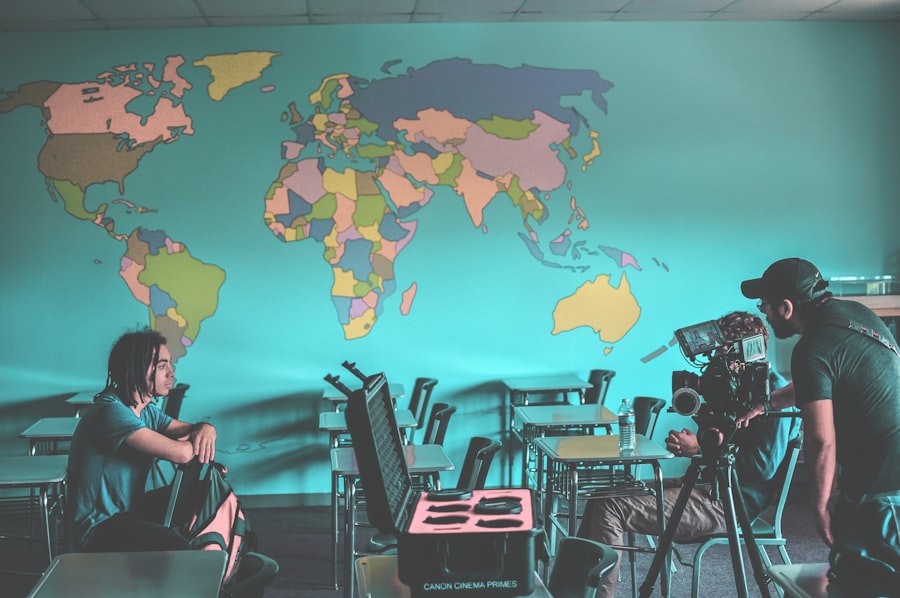
“Power Plays” moves beyond state-centric analysis to examine the diverse array of actors that now exert influence on the global stage. It recognizes that the geopolitical landscape is far more complex than a simple competition between governments.
Transnational Corporations and Their Geopolitical Power
The documentary dedicates a portion to the immense economic and political power wielded by multinational corporations. It explores how these entities, with their vast resources and global reach, can influence government policies, shape international trade agreements, and even impact the stability of developing nations.
“Power Plays” examines specific examples of corporate influence, from their role in resource extraction and supply chains to their lobbying efforts in international forums. The film raises critical questions about corporate accountability, tax avoidance, and the potential for these companies to operate with a disproportionate degree of power, sometimes exerting influence that rivals that of smaller nations. The documentary highlights how the pursuit of profit can sometimes intersect with and even dictate geopolitical strategies.
The Growing Influence of Non-Governmental Organizations (NGOs)
In contrast to the profit-driven motives of corporations, “Power Plays” also acknowledges the increasing influence of non-governmental organizations (NGOs). These organizations, operating across borders with diverse mandates ranging from human rights advocacy to environmental protection, are playing a crucial role in shaping global discourse and holding powerful actors accountable.
The documentary showcases examples of successful NGO campaigns that have brought about policy changes and raised international awareness of critical issues. It also explores the challenges faced by NGOs, including funding limitations, political obstacles, and the risks to their staff operating in volatile regions. “Power Plays” argues that NGOs represent a significant force for positive change in the international arena, often acting as a moral compass and a catalyst for action where governments fall short.
The Role of Individuals: From Activists to Billionaires
The film also casts a spotlight on the impact of influential individuals, both those who champion humanitarian causes and those who wield immense personal wealth. From grassroots activists organizing protests to billionaires funding philanthropic initiatives or even shaping political discourse through their media empires, the documentary highlights how individual agency can have significant geopolitical ripple effects.
“Power Plays” examines how these individuals can mobilize public opinion, influence policy agendas, and even discretely shape international relations through their investments and political connections. The documentary suggests that in an increasingly interconnected world, the actions and ideologies of a few can have an outsized impact on the global stage, for better or for worse.
In the realm of geopolitics, understanding the intricate dynamics between nations is crucial, and a fascinating documentary that delves into these complexities is available for viewing. For those interested in exploring the underlying factors that shape global relations, you can check out this insightful piece. It provides a comprehensive analysis of current events and historical context, making it a valuable resource for anyone looking to deepen their knowledge. To learn more about these critical issues, visit this article that complements the documentary’s themes.
The Path Forward: Navigating the Complexities of Geopolitics
| Documentary Title | Release Year | Director | Running Time |
|---|---|---|---|
| The Fog of War | 2003 | Errol Morris | 107 minutes |
| HyperNormalisation | 2016 | Adam Curtis | 166 minutes |
| Dirty Wars | 2013 | Richard Rowley | 87 minutes |
The final segments of “Power Plays” shift from analysis to a contemplation of the future. The documentary does not offer simple solutions but instead encourages viewers to engage with the complexities of the challenges ahead and to consider potential pathways towards a more stable and equitable global order.
The Imperative of Diplomacy and Multilateralism
A central theme throughout the documentary is the enduring importance of diplomacy and multilateralism. Despite the rise of nationalist sentiments and unilateral actions, “Power Plays” argues that international cooperation is essential for addressing global challenges such as climate change, pandemics, and nuclear proliferation.
The film highlights instances where diplomacy has succeeded in de-escalating conflicts and fostering cooperation, emphasizing the need to strengthen international institutions and foster dialogue between nations. It advocates for a renewed commitment to multilateral frameworks that promote shared interests and collective security. The documentary suggests that the alternative – a world of constant friction and isolated national interests – is a recipe for perpetual instability.
The Ethical Dimension: Power and Responsibility
“Power Plays” doesn’t just examine the mechanics of power; it also grapples with its ethical dimension. The documentary consistently raises questions about the responsibility that comes with wielding power and the moral implications of geopolitical decisions.
The film presents stark examples of the human cost of geopolitical maneuvering, from fallen soldiers to displaced populations. It prompts viewers to consider the ethical frameworks that should guide international relations and the importance of upholding universal human rights in the pursuit of national interests. The documentary implicitly argues that power without ethical consideration is not only dangerous but ultimately unsustainable.
A Call to Informed Engagement: Empowering the Global Citizen
Ultimately, “Power Plays: A Geopolitics Documentary” serves as a powerful call to informed engagement. By dissecting the intricate workings of global power, it empowers viewers with the knowledge and understanding necessary to critically assess the information they receive and to participate more effectively in discussions about international affairs.
The documentary advocates for a more informed and engaged global citizenry, one that understands the forces shaping their world and can advocate for policies that promote peace, justice, and sustainability. It leaves the audience with a profound sense of the interconnectedness of our world and the shared responsibility we all have in navigating the complex and ever-shifting landscape of global geopolitics. The journey through “Power Plays” is not just an educational experience; it is an invitation to become a more engaged and aware participant in the unfolding drama of international relations.

The Three Ingredients That Feed the World
FAQs
What is geopolitics?
Geopolitics is the study of the effects of geography (human and physical) on international politics and international relations. It examines the strategic and political significance of geographic locations, resources, and boundaries.
What is a geopolitics documentary?
A geopolitics documentary is a film or video production that explores and analyzes the political, economic, and social implications of geographical factors on global affairs. It often delves into historical events, current conflicts, and future trends in international relations.
What are the key themes covered in geopolitics documentaries?
Geopolitics documentaries often cover themes such as territorial disputes, resource competition, military strategy, international alliances, geopolitical power shifts, and the impact of geography on global conflicts and cooperation.
How are geopolitics documentaries different from other types of documentaries?
Geopolitics documentaries focus specifically on the intersection of geography and international politics, whereas other types of documentaries may cover a wide range of subjects such as history, science, culture, or personal stories.
Where can I watch geopolitics documentaries?
Geopolitics documentaries can be found on various streaming platforms, documentary channels, and online video platforms. They may also be available for purchase or rental through digital stores or physical media outlets.