The oppressive embrace of a heatwave throws the world’s power grids into a precarious dance, pushing them to their absolute limits. As temperatures soar, the demand for electricity ignites, fueled by the ubiquitous hum of air conditioners struggling to maintain a semblance of coolness. This surge in consumption, coupled with the direct impact of extreme heat on infrastructure, creates a potent cocktail of stress that threatens the very stability of the systems designed to keep the lights on. Understanding the multifaceted challenges posed by these heat-induced power grid strains is crucial for ensuring continued societal function and for developing robust strategies to mitigate future risks.
The primary driver of power grid stress during a heatwave is the dramatic and synchronized increase in electricity demand. This surge isn’t a gradual uptick; it’s a rapid, near-universal spike as millions of individuals and businesses simultaneously seek respite from the scorching sun. The sheer volume of this demand places an immense burden on every component of the power generation and distribution network.
The Reign of the Air Conditioner
The ubiquitous air conditioning unit, a symbol of modern comfort, transforms into the principal antagonist during a heatwave. Its insatiable appetite for electricity becomes the dominant factor in overall grid load.
Residential Cooling Demands
Homes, the primary refuge for many, become hubs of energy consumption. As temperatures climb into the uncomfortable and then the dangerous, residents turn to their air conditioners, often running them for extended periods, sometimes around the clock. This widespread activation creates a concentrated and sustained demand that power systems are not always designed to handle efficiently, especially during peak hours.
Commercial and Industrial Cooling Needs
Beyond residential settings, commercial buildings – offices, retail spaces, and restaurants – also ramp up their cooling efforts. Similarly, many industrial processes require controlled temperatures to function, and heatwaves can necessitate increased energy expenditure to maintain these environments. This collective demand from various sectors compounds the strain on the grid.
The Ripple Effect of Peak Demand
The concentrated nature of this demand, particularly during the hottest parts of the day, creates significant “peak demand” periods. These are the moments when the grid is under its most intense pressure.
Daytime Extremes
The sun’s intensity, coupled with high ambient temperatures, typically drives the peak demand for electricity. As the day progresses and temperatures reach their zenith, so too does the call for power.
Nighttime Relief Diminishes
While historically, electricity demand would taper off after sunset, this is less true during prolonged heatwaves. Even at night, temperatures can remain high enough to necessitate continued air conditioning use, diminishing the natural dip in demand that helps grids recover.
As heat waves become more frequent and intense due to climate change, the stress on power grids is a growing concern for many regions. A related article discusses the implications of rising temperatures on energy consumption and the challenges faced by utility companies in maintaining a stable power supply during these extreme weather events. For more insights on this critical issue, you can read the article here: Power Grid Stress During Heat Waves.
The Physical Toll: Infrastructure Under Siege
The heatwave doesn’t just increase demand; it actively degrades the physical components of the power grid, making them less efficient and more susceptible to failure. Extreme temperatures are a direct adversary to the materials and equipment that deliver electricity.
The Impact on Transmission Lines
Power lines, the arteries of the grid, are particularly vulnerable to the ravages of heat. The physical properties of the materials used to construct these lines are significantly affected by rising temperatures.
Conductor Sag and Reduced Capacity
As electricity flows through transmission lines, it generates heat. In hot weather, ambient temperatures exacerbate this effect. Metal conductors, like aluminum and copper, expand when heated. This expansion causes the lines to sag more than usual. Increased sag can lead to several problems:
- Reduced Clearance: Sagging lines may come too close to the ground, trees, or other structures, increasing the risk of electrical faults and power outages.
- Increased Resistance: The increased length and slight molecular changes in the conductor at higher temperatures can lead to a minor increase in electrical resistance. While seemingly small, over thousands of miles of transmission lines, this can contribute to energy loss and further heating.
- Mechanical Strain: While designed to withstand some sag, extreme heat can push these limits, increasing the mechanical stress on the towers supporting the lines and the conductors themselves.
Overheating of Conductors
The primary issue is the increased heat generated by the flow of electricity. Electrical resistance, the inherent opposition to current flow, converts electrical energy into heat. The hotter the conductor, the higher its resistance, creating a feedback loop. This can lead to:
- Conductor Degradation: Prolonged exposure to extreme heat can accelerate the aging and degradation of the conductor material, potentially leading to brittleness and reduced lifespan.
- Efficiency Losses: Higher resistance means more energy is lost as heat during transmission, meaning less electricity reaches consumers.
The Strain on Distribution Transformers
Distribution transformers, the vital link between high-voltage transmission lines and the lower voltages used by homes and businesses, are also severely tested. These devices are designed to operate within a certain temperature range.
Overheating and Reduced Efficiency
Transformers dissipate heat generated by the flow of electricity and the ambient temperature. During a heatwave, both these factors are amplified. The cooling systems within transformers, often relying on oil or natural convection, can become overwhelmed.
- Oil Degradation: The insulating oil within transformers can degrade faster at higher temperatures, reducing its effectiveness and potentially leading to premature failure.
- Reduced Cooling Capacity: When the ambient temperature is already high, the ability of the transformer to dissipate its own internal heat is significantly compromised, leading to a dangerous buildup.
- “Hot Spots”: Localized areas within the transformer’s windings can experience even higher temperatures, accelerating wear and tear.
Increased Risk of Failure
Overheated transformers are more prone to failure. This can manifest as a complete breakdown, leading to localized power outages that can be difficult and time-consuming to repair, especially during widespread grid stress.
The Vulnerability of Substation Equipment
Substations, the nerve centers of the power grid where voltage is stepped up or down and electricity is routed, house a complex array of equipment that is susceptible to heat.
Cooling Systems Under Pressure
Many components within substations rely on cooling systems, from fans for electrical equipment to climate control for control rooms. These systems are designed for normal operating conditions and can falter under the sustained, extreme heat of a heatwave.
Electronic Component Sensitivity
Modern substations often contain sensitive electronic components that are designed to operate within specific temperature ranges. Excessive heat can lead to malfunctions, erratic behavior, and even permanent damage.
The Interconnectedness of Failure: Cascading Outages
The power grid is a complex, interconnected system. The failure of one component, especially under the duress of a heatwave, can have a domino effect, leading to widespread and cascading outages.
The Weakest Link Principle
During extreme conditions, the grid’s weakest links are exposed. A single overloaded transformer, a damaged transmission line, or a failed substation component can initiate a chain reaction.
Localized Outages Escalate
An outage in one neighborhood or region, perhaps due to a transformer failure, can overload adjacent parts of the grid as demand shifts. If these adjacent areas are already operating at their limits due to the heatwave, they may also fail.
Grid Instability and System-Wide Collapse
In severe scenarios, widespread localized outages can lead to instability across larger sections of the grid. This can result in controlled blackouts (load shedding) or, in the worst cases, uncontrolled system collapse, plunging vast areas into darkness.
The Challenge of Restoration
Restoring power after a major outage during a heatwave is a monumental task. The conditions that caused the initial failure – high demand and extreme heat – continue to impede repair efforts.
Safety Concerns for Lineworkers
Repair crews face significant risks working in extreme heat, making it more challenging to conduct swift and efficient repairs. Extended work hours in dangerous conditions can lead to exhaustion and increased risk of accidents.
Equipment Overload During Restoration
As power is restored to one area, the demand on the surrounding grid can spike again, potentially overloading other equipment that is already stressed. This requires careful management and phased restoration.
Mitigation and Adaptation: Building a Resilient Grid
Recognizing the escalating threat of heatwaves to power grid stability, significant efforts are being made towards mitigation and adaptation. These strategies aim to reduce demand, strengthen infrastructure, and enhance the grid’s overall resilience.
Demand-Side Management Strategies
Controlling and reducing electricity demand, especially during peak hours, is a critical component of heatwave preparedness.
Smart Grid Technologies and Demand Response Programs
The implementation of smart grid technologies allows for more sophisticated monitoring and control of electricity flow. Demand response programs incentivize consumers to voluntarily reduce their electricity usage during peak times, often in exchange for financial rewards.
- Automated Load Shedding: Smart grids can facilitate automated, pre-programmed shedding of non-essential loads in a controlled manner during extreme demand events.
- Dynamic Pricing: Time-of-use pricing and critical peak pricing encourage consumers to shift their electricity consumption to off-peak hours when demand is lower and electricity is cheaper.
Energy Efficiency and Conservation
Promoting energy efficiency measures in buildings and appliances can significantly reduce overall electricity consumption, lessening the burden on the grid during hot periods.
- Building Codes and Retrofits: Updating building codes to promote better insulation and energy-efficient design, along with incentives for retrofitting existing buildings, can yield substantial energy savings.
- Appliance Standards: Stringent energy efficiency standards for appliances, particularly air conditioning units, help ensure that new equipment consumes less power.
Infrastructure Hardening and Modernization
Investing in the physical robustness of the power grid is essential for withstanding the physical stresses of extreme heat.
Upgrading Transmission and Distribution Lines
Replacing older, less efficient transmission lines with those designed to handle higher temperatures and with improved sag characteristics is a crucial step. This can include using advanced conductor materials and optimizing line configurations.
Enhancing Transformer Cooling and Capacity
Upgrading distribution transformers with more efficient cooling systems and increasing their capacity can help them better manage the heat generated during peak demand. This might involve implementing forced-air cooling or using advanced transformer oils.
Grid Modernization and Smart Technologies
The adoption of advanced grid technologies, such as digital substations and advanced monitoring systems, provides real-time data on grid performance, allowing for quicker identification and response to potential issues.
Diversifying the Energy Mix
Relying on a diverse range of energy sources can improve grid resilience.
The Role of Renewable Energy Sources
While solar and wind power generation can be affected by extreme weather, they often provide significant power during the hottest parts of the day when solar output is highest. Integrating these sources effectively can help meet demand.
Energy Storage Solutions
The development and deployment of battery storage systems offer a crucial buffer. They can store excess energy generated during cooler periods or from renewables and then discharge it during peak demand, alleviating stress on the grid.
As heat waves become more frequent and intense, the strain on power grids is a growing concern for many regions. The rising demand for electricity during these extreme temperatures can lead to outages and increased vulnerability in the infrastructure. For a deeper understanding of how these conditions impact energy systems, you can read a related article on this topic at My Geo Quest, which explores the challenges and potential solutions to mitigate power grid stress during such events.
The Future Outlook: A Warming World Demands a Smarter Grid
| City | Temperature (°C) | Electricity Demand (MW) | Power Outages |
|---|---|---|---|
| New York | 35 | 9000 | 200 |
| Los Angeles | 38 | 7500 | 150 |
| Chicago | 33 | 8200 | 180 |
The intensifying frequency and severity of heatwaves, driven by climate change, present a clear and present danger to the stability of global power grids. The challenges are multifaceted, encompassing escalating demand, direct physical impacts on infrastructure, and the interconnected nature of potential failures.
Climate Change as a Threat Multiplier
The scientific consensus is clear: global temperatures are rising, leading to more frequent and intense heatwaves. This trend is not a distant concern; it is a present reality that demands immediate and sustained attention. The power grid, a critical piece of modern infrastructure, is on the front lines of this unfolding crisis.
The Need for Proactive Investment and Policy
Addressing power grid stress during heatwaves requires a concerted effort involving significant investment in infrastructure upgrades, the adoption of advanced technologies, and the implementation of effective policies.
- Government Support and Regulation: Governments play a vital role in setting regulatory frameworks, providing financial incentives for grid modernization, and mandating energy efficiency standards.
- Utility Investment and Innovation: Power utilities must proactively invest in hardening their grids, exploring innovative solutions for demand management, and integrating new technologies like energy storage.
- Consumer Engagement and Education: Empowering consumers with information about energy conservation and demand response programs is vital for their participation in building a more resilient grid.
Towards a More Resilient Future
The challenges posed by heatwaves are formidable, but they are not insurmountable. By understanding the complex interplay of factors at play, from the hum of air conditioners to the subtle expansion of metal conductors, and by embracing a proactive and adaptive approach, societies can work towards building power grids that are not only capable of meeting the demands of a warming world but also resilient enough to withstand its most intense challenges. The future of reliable electricity hinges on our ability to adapt and innovate in the face of this growing threat.
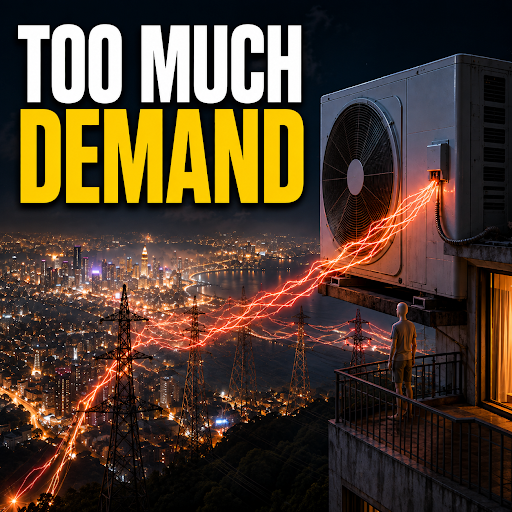
The Air-Conditioning Boom That Could Overwhelm Power Grids
FAQs
What is power grid stress during heat waves?
Power grid stress during heat waves refers to the increased demand for electricity as people use more air conditioning to stay cool. This can put a strain on the power grid, potentially leading to power outages or brownouts.
How does heat waves affect the power grid?
During heat waves, the demand for electricity increases as people use more air conditioning and other cooling systems. This increased demand can overload the power grid, leading to potential outages or voltage reductions.
What are the potential consequences of power grid stress during heat waves?
The potential consequences of power grid stress during heat waves include power outages, voltage reductions, and strain on the infrastructure. These can lead to discomfort, inconvenience, and potential risks to public health and safety.
How do power companies prepare for power grid stress during heat waves?
Power companies prepare for power grid stress during heat waves by implementing demand response programs, increasing grid capacity, and conducting maintenance and upgrades to infrastructure. They may also communicate with customers to encourage energy conservation during peak demand periods.
What can individuals do to help reduce power grid stress during heat waves?
Individuals can help reduce power grid stress during heat waves by conserving energy, using energy-efficient appliances, adjusting thermostats to higher temperatures, and participating in demand response programs. These actions can help alleviate strain on the power grid and reduce the risk of outages.