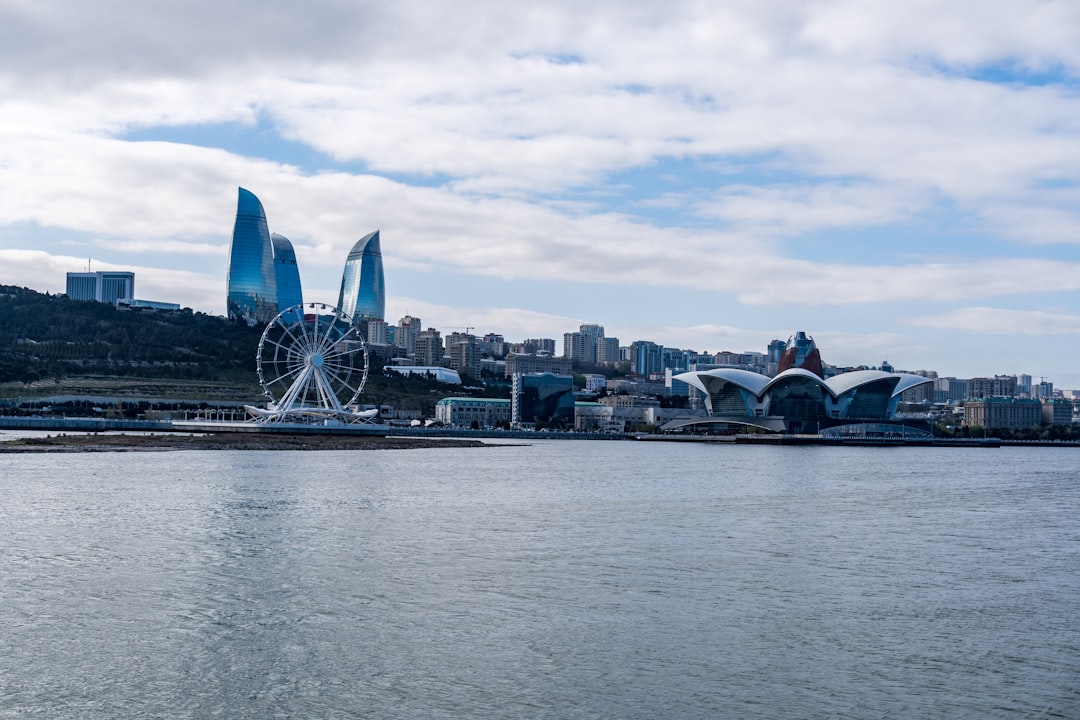
The Port of Baku, a vital artery for regional trade and passenger movement across the Caspian Sea, is currently navigating a severe ferry reliability crisis. This situation poses a significant threat to the operational efficiency of the port, impacting cargo logistics, passenger travel, and the broader economic activities that depend on its smooth functioning. The ripple effects of this crisis are extending far beyond the docks of Baku, touching industries and communities that rely on the consistent flow of goods and people.
The Port of Baku is not merely a collection of docks and cranes; it serves as a crucial junction in the East-West and North-South transport corridors. Its strategic location on the western shore of the Caspian Sea makes it a linchpin for connecting Central Asia and the Caucasus with Europe and the Middle East. This critical role is underpinned by its ferry services, which facilitate the multimodal transport of goods and offer essential passenger routes.
A Gateway to Global Markets
The port’s ferry operations are indispensable for the transit of a vast array of cargo. From oil and gas equipment to agricultural products and manufactured goods, the reliable movement of these commodities via roll-on/roll-off (Ro-Ro) ferries is fundamental to regional and international trade. Disruptions to these services create bottlenecks that can significantly increase transit times and costs.
Connecting Communities and Cultures
Beyond commerce, the ferries emanating from Baku are lifelines for communities scattered across the Caspian. They provide essential passenger transport, enabling travel, tourism, and the exchange of cultural experiences. The breakdown of these services isolates populations and hinders the natural flow of human interaction.
The Economic Significance of the Caspian Sea Trade Route
The Caspian Sea itself is a vital waterway for economic activity. The Port of Baku, as one of its busiest hubs, shoulders a considerable responsibility in maintaining the flow of trade across this expansive body of water. Any impediment to its ferry operations inevitably casts a shadow over the economic prospects of the nations involved in Caspian trade.
The recent reliability crisis affecting the Port of Baku ferry services has raised significant concerns among travelers and logistics companies alike. For a deeper understanding of the implications and potential solutions to this issue, you can read a related article that discusses the challenges faced by maritime transport in the region. This article provides insights into the operational difficulties and the impact on trade routes. To explore this further, visit this link.
Unraveling the Threads of the Crisis: Identifying the Core Issues
The current ferry reliability crisis at the Port of Baku is not a sudden storm but rather a convergence of several underlying issues that have gradually eroded the system’s robustness. These problems, left unaddressed for too long, have now coalesced into a situation demanding urgent attention.
Aging Ferry Fleet and Inadequate Maintenance
A significant contributing factor to the current crisis is the aging condition of a substantial portion of the ferry fleet. Many vessels operating out of Baku have reached or surpassed their operational lifespan. This age inherently increases the likelihood of mechanical failures and necessitates more frequent and extensive repairs.
The Wear and Tear of Time
Over years of continuous service, the constant stress of maritime operations takes its toll. Steel corrodes, engines wear down, and critical systems degrade. Without consistent and proactive investment in modernization and maintenance, even the most well-built vessels will eventually succumb to the ravages of time.
A Vicious Cycle of Repairs
The reliance on older vessels often leads to a cycle of recurring repairs. Rather than addressing the root causes of systemic issues, operators may find themselves engaged in a perpetual game of catch-up, patching up one problem only for another to emerge. This constant firefighting drains resources and personnel.
Consequences of Suboptimal Maintenance
A direct consequence of infrequent or inadequate maintenance is a higher probability of unexpected breakdowns at sea or in port. These disruptions lead to cancelled sailings, delayed cargo, and frustrated passengers, directly impacting the perceived reliability of the ferry services.
Insufficient Investment in Modernization and Infrastructure
The capacity of the Port of Baku, and by extension its ferry operations, is directly tied to the level of investment it receives. A lack of substantial capital infusion into both the ferry fleet and the port’s physical infrastructure has created a significant shortfall.
Outdated Terminals and Loading Facilities
The efficiency of ferry operations is heavily dependent on well-designed and modern terminals, berths, and loading/unloading equipment. If these facilities are outdated or insufficient, they can become significant bottlenecks, slowing down embarkation and disembarkation processes regardless of the ferry’s operational status.
Lagging Technological Adoption
Modern ferry operations benefit from advancements in navigation, communication, and operational management systems. A failure to adopt these technologies can lead to less efficient scheduling, suboptimal route planning, and a reduced ability to respond to unforeseen circumstances.
The Impact on Efficiency
When the infrastructure and technological backbone of the port are not keeping pace with the demands of modern shipping, the entire system suffers. This is akin to trying to navigate a superhighway with a horse and cart; the speed and efficiency of the journey are fundamentally limited by the limitations of the conveyance.
Regulatory and Operational Challenges
Beyond the physical aspects, the crisis is also exacerbated by a complex web of regulatory and operational challenges that can impede efficient service delivery. These can range from bureaucratic hurdles to issues with crew training and deployment.
Bureaucratic Hurdles and Red Tape
The intricate nature of international maritime regulations and domestic procedures can sometimes create delays. Navigating these complexities requires efficient administrative processes, and any inefficiencies can contribute to the overall unreliability of services.
Crewing and Training Deficiencies
The safe and efficient operation of any ferry service hinges on a skilled and well-trained crew. Shortages of qualified personnel, or inadequate ongoing training programs, can pose a significant risk to operational continuity and safety.
The Tangible Repercussions: Impact on Stakeholders

The reliability crisis at the Port of Baku is not an abstract problem; it has concrete and far-reaching consequences for a diverse range of stakeholders, from global corporations to everyday citizens. The arteries of trade are constricting, and the impact is being felt across multiple sectors.
Economic Disruptions and Supply Chain Fragility
For businesses that rely on the Port of Baku for transporting goods, the unreliability of ferries translates directly into economic losses. Supply chains, which are often finely tuned to minimize inventory and maximize efficiency, become fragile and prone to disruption.
Increased Freight Costs
When ferries are delayed or cancelled, cargo owners often face increased costs. This can include demurrage charges for containers, the expense of finding alternative, potentially more expensive, transport options, and the overall increase in transit time which represents a cost in terms of capital tied up.
Lost Business Opportunities
Missed deadlines and unreliable delivery schedules can lead to lost business opportunities. Customers may turn to competitors with more dependable supply chains, impacting the competitiveness of businesses operating through the Port of Baku.
The Domino Effect on Regional Economies
The interconnectedness of regional economies means that disruptions at a major port like Baku can create a domino effect. Businesses in neighboring countries that depend on imports or exports routed through Baku will also experience the fallout, impacting their own economic stability.
Passenger Travel Inconvenience and Accessibility Issues
For individuals, the ferry reliability crisis translates into significant inconvenience, impacting everything from essential travel to leisure activities.
Denied or Delayed Travel Plans
Passengers expecting to travel by ferry often find their plans disrupted by cancellations or significant delays. This can be particularly problematic for those with tight schedules, important appointments, or family emergencies.
Impact on Tourism and Hospitality
The unreliability of ferry services can deter tourists from visiting regions accessible by sea. This has a direct negative impact on the tourism and hospitality industries, which are often vital to the local economies of coastal and island communities.
Essential Services and Commuting
In some cases, ferries provide essential commuting services for people living or working across the Caspian. Disruptions to these services can impact their ability to get to work, access healthcare, or participate in daily life.
Reputational Damage and Investor Confidence
A persistent crisis in ferry reliability can severely damage the reputation of the Port of Baku and, by extension, the country’s maritime sector. This can have a chilling effect on investor confidence.
Erosion of Trust
When a service is consistently unreliable, trust erodes. Potential investors may view the port as a high-risk proposition, discouraging vital investment in infrastructure, technology, and new services.
Competitiveness in the Global Arena
In the competitive world of global logistics, reliability is a key differentiator. If the Port of Baku cannot guarantee dependable ferry services, it risks losing its competitive edge to other, more reliable ports.
Charting a Course Towards Resolution: Proposed Solutions and Future Directions

Addressing the ferry reliability crisis at the Port of Baku requires a multifaceted and strategic approach. No single solution will suffice; rather, a combination of investments, reforms, and forward-thinking policies is necessary to restore confidence and ensure long-term stability.
Investing in Fleet Modernization and Renewal
The most immediate and impactful step is to prioritize the modernization and renewal of the ferry fleet. This involves both acquiring new, state-of-the-art vessels and implementing a rigorous, proactive maintenance program for existing ones.
Strategic Fleet Acquisition
This strategy should involve careful planning to acquire ferries that are suited to the specific demands of the Caspian Sea routes, considering factors like capacity, fuel efficiency, and environmental performance.
Robust Maintenance Regimes
Establishing and adhering to world-class maintenance schedules, incorporating predictive maintenance technologies, can significantly reduce the likelihood of unexpected breakdowns. This is like a doctor performing regular check-ups to prevent major illnesses.
Enhancing Port Infrastructure and Technological Capabilities
Parallel to fleet renewal, significant investment in the port’s physical infrastructure and technological capabilities is essential. This will ensure that the port can efficiently support a modernized ferry system.
Terminal Upgrades and Expansion
Modern, efficient terminals and loading facilities are crucial for quick turnaround times. This may involve expanding existing facilities or building new ones to accommodate a larger and more modern fleet.
Digitalization and Smart Port Technologies
Adopting digital technologies, such as advanced scheduling software, real-time tracking systems, and automated port operations where feasible, can significantly improve efficiency, communication, and overall operational oversight.
Streamlining Regulatory Frameworks and Operational Management
Addressing the bureaucratic and operational challenges is equally important. Streamlining processes and investing in human capital will create a more agile and responsive ferry system.
Regulatory Reform and Simplification
Reviewing and potentially reforming maritime regulations to eliminate unnecessary red tape can speed up processes and reduce administrative burdens.
Investment in Crew Training and Development
Ensuring a skilled and well-trained workforce is paramount. This includes not only initial training but also ongoing professional development and ensuring adequate crewing levels to avoid overstretched personnel.
Fostering Public-Private Partnerships
Exploring opportunities for public-private partnerships (PPPs) can inject much-needed capital and expertise into the ferry operations. These partnerships can help leverage private sector efficiency and innovation to improve service delivery.
Attracting Private Investment
PPPs can make the ferry operations a more attractive proposition for private investors, bringing in capital for fleet upgrades and infrastructure improvements.
Sharing of Expertise and Best Practices
Private partners often bring with them valuable operational expertise and knowledge of international best practices in the maritime industry, which can be instrumental in improving the quality and reliability of services.
The recent reliability crisis at the Port of Baku has raised significant concerns among travelers and businesses alike, as delays and cancellations have become increasingly common. This situation has prompted many to seek alternative transportation options, leading to a surge in demand for other ferry services in the region. For those interested in understanding the broader implications of this crisis, a related article discusses the impact of such disruptions on local economies and travel patterns. You can read more about it in this insightful piece here.
The Path Forward: A Call to Action for a Reliable Caspian Connector
| Metric | Value | Time Period | Notes |
|---|---|---|---|
| Average Ferry Delay | 45 minutes | Q1 2024 | Compared to 10 minutes in Q4 2023 |
| Number of Canceled Trips | 120 | Jan-Apr 2024 | Significant increase from 30 in same period 2023 |
| Passenger Complaints | 850 | Q1 2024 | Up from 200 in Q4 2023 |
| Operational Ferry Fleet | 5 out of 8 | April 2024 | 3 ferries under maintenance or repair |
| On-time Departure Rate | 60% | Q1 2024 | Down from 90% in Q4 2023 |
| Average Passenger Load | 300 passengers per trip | Q1 2024 | Capacity utilization decreased by 15% |
The crisis facing the Port of Baku’s ferry operations is a serious challenge, but it is not insurmountable. The path forward demands immediate and decisive action from all stakeholders. The Caspian Sea is a vital economic bridge, and its ferry services are the planks in that bridge. When those planks rot, the bridge weakens, threatening to collapse.
The implications of continued unreliability extend beyond inconvenience. They touch the very heart of regional trade, economic development, and the lives of the people who depend on these vital sea lanes. The time for piecemeal solutions has passed. A comprehensive strategy, supported by substantial investment and a clear vision for the future, is imperative. This is a call not just for infrastructure upgrades, but for a fundamental reimagining of how ferry services operate within the Port of Baku, ensuring that this critical connector can once again serve as a reliable artery for commerce and human connection across the Caspian. The opportunity exists to transform this crisis into a catalyst for modernization and renewed efficiency, securing the Port of Baku’s position as a competitive and dependable hub for years to come.
FAQs
What is the Port of Baku ferry reliability crisis?
The Port of Baku ferry reliability crisis refers to ongoing issues affecting the punctuality, safety, and operational efficiency of ferry services at the Port of Baku, leading to disruptions and passenger dissatisfaction.
What are the main causes of the ferry reliability problems at the Port of Baku?
The main causes include aging ferry vessels, inadequate maintenance, technical malfunctions, and sometimes adverse weather conditions that impact ferry schedules and safety.
How has the ferry reliability crisis impacted passengers and cargo transport?
Passengers have experienced delays, cancellations, and overcrowding, while cargo transport has faced logistical challenges, leading to economic losses and reduced confidence in the port’s ferry services.
What measures are being taken to address the ferry reliability issues at the Port of Baku?
Authorities are implementing vessel upgrades, improving maintenance protocols, investing in new ferry technology, and enhancing scheduling and communication systems to improve service reliability.
Is the ferry service at the Port of Baku expected to improve soon?
Efforts are underway to resolve the crisis, and while some improvements have been reported, full restoration of reliable ferry services may take time depending on the success of ongoing infrastructure and operational enhancements.