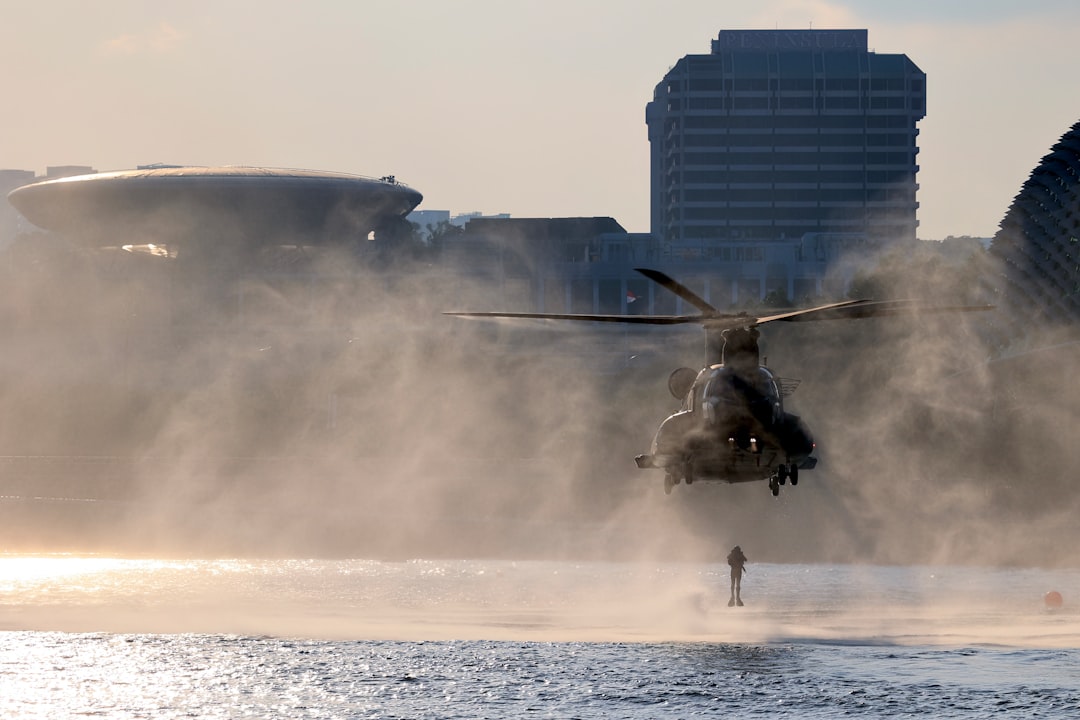
You are witnessing a pivotal moment in global military strategy. The People’s Liberation Army (PLA) of China is no longer a force primarily focused inward; it is rapidly evolving, demonstrating a sophisticated and ambitious drive to enhance its defense capabilities. These advancements are not happening in a vacuum. They are vividly showcased through a continuous and increasingly complex series of military exercises, meticulously designed to test, refine, and project power. These drills are not mere rehearsals; they are a clear and unequivocal signal of China’s commitment to becoming a formidable military power, capable of defending its interests and projecting its influence across a widening geopolitical landscape.
You might wonder why a nation with such a vast territory and population would engage in such extensive and often provocative military exercises. The reasons are multifaceted and deeply rooted in China’s strategic objectives. These exercises are not solely about demonstrating brute force; they are intricate instruments of statecraft, designed to achieve a range of crucial goals.
Adapting to a Shifting Geopolitical Landscape
The global order is in flux. You see it with your own eyes: rising geopolitical tensions, evolving threat perceptions, and the constant need for nations to reassess their security postures. For China, this means a perceived need to counter perceived encirclement and to assert its rightful place on the world stage.
Addressing Regional Security Concerns
The immediate neighborhood is a key focus. You hear about the South China Sea, Taiwan, and the Korean Peninsula. PLA exercises are meticulously crafted to address these specific areas of concern, simulating scenarios that could unfold in these densely contested regions.
Dominance in the South China Sea
The South China Sea is a crucial nexus of trade and a region of significant strategic importance. Exercises here, often involving naval assets, aircraft, and missile systems, are designed to project Chinese sovereignty and deter any potential challenges. You observe the increasing frequency and scale of these drills, a clear message that China intends to maintain its influence in these waters.
Reunification with Taiwan
The question of Taiwan remains a paramount concern for Beijing. You cannot ignore the numerous exercises that meticulously simulate amphibious assaults and blockade operations, all aimed at preparing for a potential scenario of forced reunification. These drills are conducted with increasing realism, incorporating lessons learned from past conflicts and incorporating advanced technologies.
Counterbalancing Perceived External Threats
Beyond regional dynamics, China perceives certain external powers as posing a threat to its security and national interests. You understand that these exercises are also a response to these perceived threats.
Deterring Intervention
China’s military exercises are often calibrated to send a strong message to potential external interveners, particularly in scenarios involving Taiwan. The drills often involve anti-access/area denial (A2/AD) capabilities, designed to make any foreign military intervention prohibitively costly.
Projecting Power Projection Capabilities
The PLA is actively developing its capacity to project power far beyond its immediate shores. Exercises involving long-range bombers, aircraft carriers, and expeditionary forces demonstrate this evolving capability, signaling China’s growing ambition to operate on a global scale.
Modernizing and Integrating Military Forces
The PLA of today is vastly different from that of even a decade ago. You are witnessing a profound transformation, driven by a determination to modernize and integrate its diverse military branches into a cohesive fighting force.
Enhancing Joint Operations and Command
Modern warfare is inherently joint. You’ve seen how effective combined arms operations can be. The PLA understands this and is heavily investing in exercises that focus on seamless coordination between its army, navy, air force, and rocket force.
Simulating Multi-Domain Warfare
The battlefield is no longer confined to land, sea, or air. You are seeing exercises that integrate cyber warfare, electronic warfare, and space assets, reflecting the reality of multi-domain operations. This is a significant leap forward in the PLA’s strategic thinking.
Improving Command and Control Systems
Effective command and control are the sinews of any military. Exercises are crucial for testing and refining the PLA’s command structures, communication networks, and decision-making processes. You observe how these drills are designed to ensure quick and decisive action under pressure.
Incorporating New Technologies and Doctrine
The PLA is not just about numbers; it’s about leveraging cutting-edge technology and embracing new operational doctrines. You see this reflected in the types of equipment and the scenarios tested.
Developing and Testing Advanced Weaponry
You are witnessing the deployment and testing of the PLA’s newest and most advanced weaponry, including stealth fighters, hypersonic missiles, advanced drones, and sophisticated electronic warfare systems. These exercises are the proving grounds for these new capabilities.
Embracing Informationized and Intelligent Warfare
China is heavily invested in the concept of “informationized” and “intelligent” warfare, where data, artificial intelligence, and networked capabilities play a central role. Exercises are designed to test the PLA’s ability to operate in such an environment.
Recent PLA military exercises have raised concerns among regional neighbors and global observers alike. For a deeper understanding of the implications of these drills, you can read a related article that explores the strategic motivations behind the PLA’s activities and their impact on regional security dynamics. For more information, visit this article.
Types of PLA Military Exercises: A Diverse Repertoire
The PLA doesn’t engage in a one-size-fits-all approach to exercises. You observe a wide spectrum of drills, each tailored to specific objectives and capabilities.
Large-Scale Joint Exercises
These are the flagship events, designed to test the PLA’s ability to operate as a unified force. You see their significance in demonstrating comprehensive power projection.
“Joint Sword” Series
The “Joint Sword” series, particularly in relation to Taiwan, has become a global talking point. You observe how these drills involve all branches of the PLA, simulating blockades, amphibious landings, and air superiority operations. These are not subtle messages; they are loud declarations of intent.
Integrating Naval and Air Power
You notice the emphasis on combining the might of the PLA Navy and the Air Force in these exercises. Carrier strike groups, advanced fighter jets, and long-range bombers are all put through their paces, demonstrating a coordinated approach to naval and air dominance.
Testing Amphibious Assault Capabilities
The crucial element of any potential Taiwan contingency is the amphibious assault. You see exercises meticulously designed to replicate the complex logistical and combat challenges of landing troops and equipment on hostile shores.
Service-Specific Drills
While joint exercises are vital, individual services also conduct their own highly specialized drills to hone their unique skills.
Naval Exercises
The PLA Navy’s expansion is undeniable, and its exercises reflect this growth. You see a strong focus on anti-submarine warfare, naval blockade, and operations in the open sea.
Carrier Strike Group Operations
The increasing sophistication of China’s carrier strike groups is evident in their exercises. You observe drills designed to test the integration of aircraft, escorts, and command capabilities for sustained operations.
Maritime Interdiction and Blockade Scenarios
Exercises simulating the interdiction of maritime traffic and the imposition of blockades are crucial for scenarios involving Taiwan or other strategic waterways.
Air Force Exercises
The PLA Air Force is rapidly modernizing, and its exercises showcase this advancement. You see an emphasis on air superiority and long-range strike capabilities.
Air-to-Air Combat and Interception Training
These exercises are critical for maintaining the proficiency of fighter pilots and ensuring the PLA’s ability to control the skies.
Long-Range Bomber Patrols and Strike Missions
You observe the increasing use of long-range bombers in exercises, demonstrating the PLA’s growing capacity to project air power over vast distances.
Recent PLA military exercises have drawn significant attention from analysts and defense experts alike, highlighting the evolving capabilities of China’s armed forces. These drills not only showcase advanced weaponry but also serve as a demonstration of China’s strategic intentions in the region. For a deeper understanding of the implications of these exercises, you can read more in this insightful article that discusses the broader context of military readiness and regional security concerns. Check it out here.
Counter-Terrorism and Peacemaking Operations
Beyond traditional warfare, the PLA is also preparing for a broader range of security challenges.
Joint Anti-Terrorism Drills
You see exercises that mirror real-world counter-terrorism scenarios, often conducted in collaboration with other nations. These are designed to enhance the PLA’s ability to respond to asymmetric threats.
Peacekeeping and Humanitarian Assistance Exercises
As China’s global role expands, you observe exercises focused on humanitarian assistance and disaster relief, as well as peacekeeping operations, demonstrating a commitment to international security.
The Role of Technology in PLA Exercises
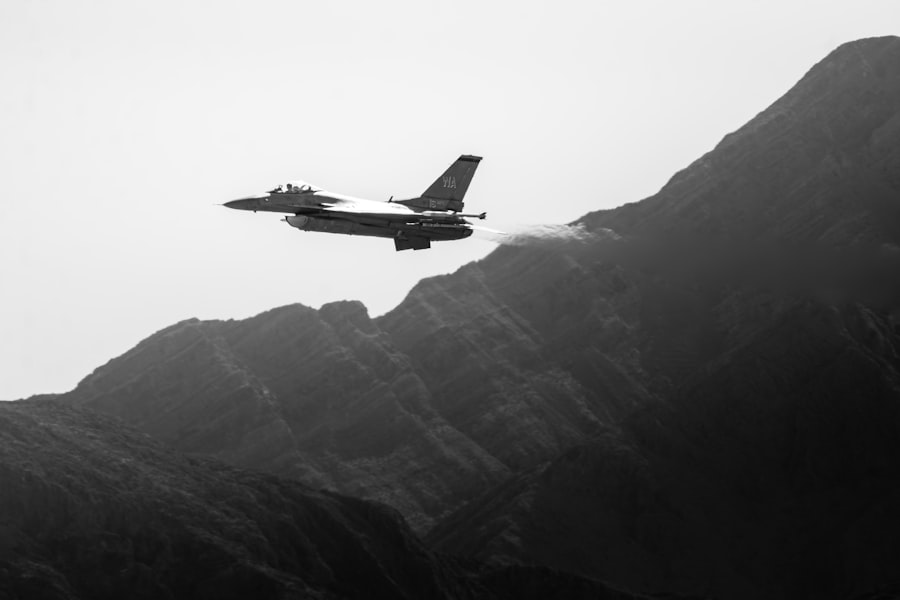
You cannot discuss PLA exercises without acknowledging the pervasive influence of technology. These drills are a testament to China’s commitment to a technologically advanced military.
Unleashing the Power of Simulation and Virtualization
The PLA is leveraging advanced simulation and virtual reality technologies to enhance the effectiveness and efficiency of its training.
Realistic Training Environments
You see how simulation allows for the creation of highly realistic training environments, enabling trainees to practice complex scenarios without the risks and costs associated with live exercises.
Cost-Effective and Risk-Reduced Training
Simulation offers a cost-effective and safer alternative to large-scale live exercises, allowing for more frequent and diverse training opportunities.
Integrating Artificial Intelligence and Big Data
The PLA is at the forefront of integrating AI and big data into its military operations, and its exercises are a prime example of this.
AI-Powered Strategic Decision Support
You observe how AI systems are being integrated into command and control structures, providing real-time data analysis and decision support for commanders.
Optimizing Logistical and Operational Planning
Big data analytics are used to optimize logistical planning, identify potential vulnerabilities, and enhance operational effectiveness in complex scenarios.
Cyber and Electronic Warfare Integration
In modern conflict, the virtual battlefield is as crucial as the physical one. You see how PLA exercises are increasingly incorporating cyber and electronic warfare.
Simulating Cyber Attacks and Defenses
Exercises now routinely include scenarios that involve simulated cyber attacks and the testing of defensive measures, reflecting the importance of this domain.
Electronic Warfare Capabilities Development
You observe the testing and refinement of the PLA’s electronic warfare capabilities, designed to disrupt enemy communications and sensor systems.
Observing the Global Impact and Implications
You are not just watching China’s internal military development; you are witnessing a significant shift in the global balance of power, with profound implications for international relations.
Signaling China’s Growing Military Prowess
The sheer scale and sophistication of these exercises are unmistakable signals to the international community. You understand that they are designed to demonstrate China’s growing capacity and willingness to act militarily.
Deterrence and Coercion Strategies
You see how these exercises serve as a powerful tool for deterrence, discouraging potential adversaries from challenging China’s interests. They can also be used for coercion, applying pressure in specific geopolitical disputes.
Shaping Regional and Global Security Perceptions
These displays of military might inevitably shape how other nations perceive China’s security posture and its intentions, influencing regional and global security dynamics.
Reactions and Countermeasures from Other Nations
Your observation of PLA exercises is mirrored by the heightened attention and reactions from other countries. You see a ripple effect across the geopolitical landscape.
Increased Military Presence and exercises by Regional Powers
Neighboring countries and major global powers are increasing their own military exercises and patrols in response to the PLA’s activities, creating a dynamic and sometimes tense environment.
Diplomatic Engagement and Strategic Alliances
You witness increased diplomatic engagement and the strengthening of strategic alliances as nations seek to counter perceived Chinese military expansion.
The Future of PLA Exercises and Global Security
Looking ahead, you can anticipate that PLA exercises will continue to evolve in complexity and sophistication. This will undoubtedly have lasting implications for global security, demanding ongoing analysis and adaptation.
Continued Focus on Joint Operations and New Domains
You can expect the PLA to further refine its joint operational capabilities and to increasingly integrate new domains like space and cyber into its training.
The Strategic Importance of Transparency
While China maintains a degree of opacity regarding its exercises, the international community will continue to call for greater transparency to better understand its military intentions and capabilities.
In conclusion, as you observe the intricate tapestry of the PLA’s military exercises, you are witnessing a nation proactively forging its path as a global military power. These drills are more than just maneuvers; they are strategic pronouncements, technological showcases, and crucial components of a grander vision for China’s security and its role in the world. Your understanding of these exercises is key to comprehending the evolving global security landscape.

The Taiwan Strait: The Most Dangerous Place in the Global Economy
FAQs
What are PLA military exercises?
PLA military exercises refer to the training and practice activities conducted by the People’s Liberation Army (PLA) of China to enhance their combat readiness and operational capabilities.
Why does the PLA conduct military exercises?
The PLA conducts military exercises to test and improve its military tactics, techniques, and procedures, as well as to demonstrate its military strength and deter potential adversaries.
What types of military exercises does the PLA conduct?
The PLA conducts a wide range of military exercises, including live-fire drills, joint exercises with other branches of the military, amphibious landing exercises, air defense exercises, and cyber warfare exercises.
Where do PLA military exercises take place?
PLA military exercises take place in various locations across China, including the country’s coastal areas, border regions, and military training grounds.
How do PLA military exercises impact regional security?
PLA military exercises can impact regional security by raising tensions with neighboring countries, demonstrating China’s military capabilities, and potentially leading to misunderstandings or miscalculations that could escalate into conflicts.