
The Mississippi River, a waterway that has served as a vital artery for commerce and a cradle of civilizations for millennia, today carries a different kind of current alongside its natural flow. This current is an invisible, yet potent, network of petrochemical facilities, a sprawling industrial complex that has become known as the “Petrochemical Spine.” Stretching hundreds of miles along the riverbanks, primarily in Louisiana and Texas, this collection of refineries, chemical plants, and pipelines forms the backbone of the United States’ energy and manufacturing sectors. However, this industrial leviathan, while powering modern life, is also a source of significant environmental and public health risks, casting a long shadow over the communities that live in its proximity.
Early Industrialization and the River’s Embrace
The strategic importance of the Mississippi River was recognized long before the advent of the petrochemical age. Its vast freshwater resources, navigable channels, and fertile floodplains drew settlers and industries alike. Early industrial development, focused on agriculture and shipping, laid the groundwork for what was to come. As the 20th century dawned, the burgeoning demand for oil and its derivatives, coupled with the river’s inherent advantages for transportation and water access, made the region an irresistible magnet for the burgeoning oil and gas industry.
The Post-War Boom and the Rise of Chemical Giants
The post-World War II era marked a period of unprecedented industrial expansion in the United States, and the Mississippi River corridor was at the epicenter of this boom. The demand for plastics, synthetic materials, and fuel surged, fueling the growth of massive petrochemical complexes. These facilities, often referred to as “smokestacks” or “refineries,” became ubiquitous along the river, transforming landscapes and economies. The availability of cheap raw materials from domestic oil and gas fields, coupled with supportive government policies, created a fertile ground for these industrial giants to take root and flourish. The economic opportunities they presented were undeniable, drawing workers and fostering the growth of surrounding towns and cities.
A Network of Intricacy: Pipelines and Infrastructure
Beyond the towering distillation columns and sprawling storage tanks of the refineries, the Petrochemical Spine is a complex web of interconnected infrastructure. An intricate network of pipelines, often buried underground or strung across the landscape, transports crude oil, natural gas, and refined products between facilities, ports, and further inland. This arterial system, while crucial for the efficient functioning of the industry, also represents a significant logistical challenge and a potential point of failure. The sheer scale of this subterranean and above-ground network is staggering, capable of moving millions of gallons of volatile substances daily.
The Mississippi River petrochemical spine poses significant environmental and health risks, as highlighted in a related article that discusses the implications of industrial development along this vital waterway. The article examines the potential consequences of increased petrochemical production, including pollution and its impact on local communities. For more in-depth information, you can read the full article here: Mississippi River Petrochemical Spine Risks.
The Tangible Manifestations of Risk: Environmental Impacts
The continuous operation of such a vast and complex industrial apparatus inevitably leaves its mark on the environment. The Petrochemical Spine, in its daily operations, acts like a colossal metabolism, processing raw materials and issuing waste products.
Air Pollution: A Constant Haze and Its Consequences
One of the most visible and pervasive impacts of the Petrochemical Spine is air pollution. Refineries and chemical plants release a cocktail of pollutants into the atmosphere, including sulfur dioxide, nitrogen oxides, volatile organic compounds (VOCs), and particulate matter. These emissions contribute to the formation of smog, which can reduce visibility and exacerbate respiratory problems.
Ozone Formation and Its Health Repercussions:
Volatile organic compounds from petrochemical facilities, in the presence of sunlight and nitrogen oxides, react to form ground-level ozone. This highly reactive gas is a primary component of smog and can cause shortness of breath, coughing, and throat irritation. For individuals with pre-existing respiratory conditions like asthma and emphysema, ozone exposure can trigger severe attacks and lead to long-term lung damage. This invisible irritant can turn a clear day into a threat for vulnerable populations.
Particulate Matter and Its Pervasive Threat:
Fine particulate matter, often referred to as PM2.5, is another significant byproduct of petrochemical operations. These microscopic particles can penetrate deep into the lungs and even enter the bloodstream, leading to a range of health issues, including cardiovascular disease, lung cancer, and premature death. The constant emission of these fine particles creates a gritty, unwelcome presence in the air that residents breathe.
Greenhouse Gas Emissions and Climate Change Contribution:
Beyond localized air quality concerns, the Petrochemical Spine is a substantial contributor to greenhouse gas emissions, primarily carbon dioxide and methane. These emissions fuel the engine of climate change, with its attendant risks of rising sea levels, more extreme weather events, and disruptions to ecosystems. The industry’s reliance on fossil fuels for both feedstock and energy production places it at the heart of this global challenge.
Water Pollution: Stains on a Lifeline
The Mississippi River and its surrounding waterways are not immune to the industrial footprint of the Petrochemical Spine. Discharges and spills, both accidental and routine, can contaminate these vital water sources.
Chemical Discharges and Their Aquatic Toll:
Wastewater from petrochemical plants can contain a variety of toxic chemicals, including heavy metals, hydrocarbons, and other organic compounds. While regulations exist to limit these discharges, historical contamination and occasional accidental releases have left a legacy of pollution in river sediments and aquatic life. This can have devastating effects on fish populations, birdlife, and the overall health of the river ecosystem. The river, once a pristine source of sustenance, can become a conduit for industrial waste.
Spills and Their Catastrophic Ramifications:
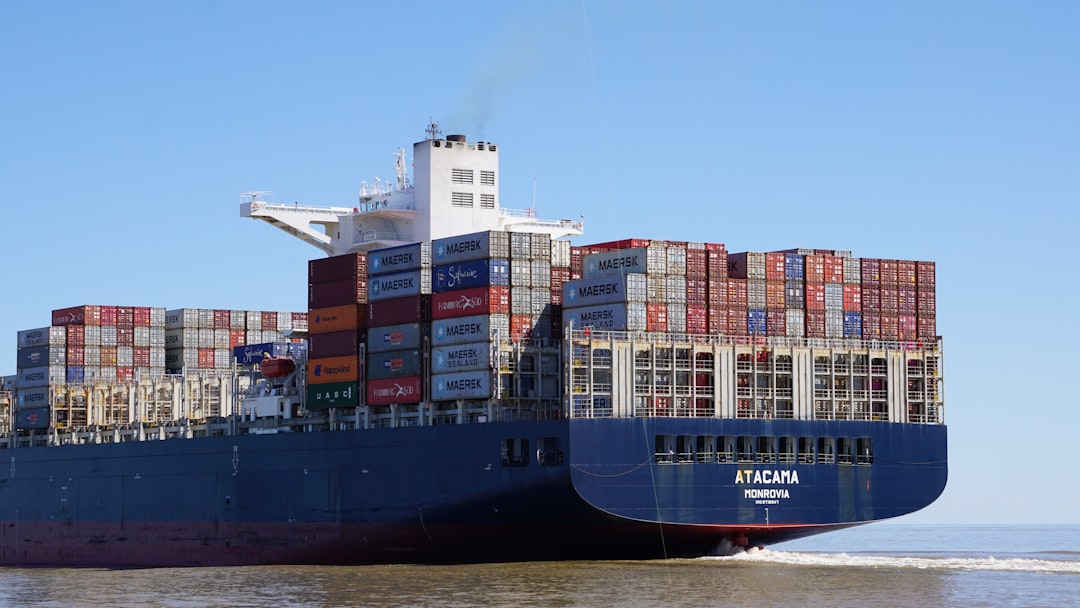
The transportation of crude oil and refined products via pipelines, barges, and tankers carries the inherent risk of spills. A significant spill can have immediate and devastating consequences, coating shorelines in thick, black goo, poisoning wildlife, and disrupting delicate aquatic ecosystems for years, if not decades, to come. The images of oiled birds and fouled beaches serve as stark reminders of the potential for disaster.
Land Contamination: A Scarred Landscape
The industrial processes involved in petrochemical production can also lead to contamination of the land. Leaks from storage tanks, spills, and improper waste disposal can result in soil pollution, rendering areas unsuitable for agriculture or other uses.
Soil Contamination and Its Long-Term Implications:
Hydrocarbons and other chemical contaminants can persist in soil for extended periods, posing risks through direct contact or the leaching of pollutants into groundwater. Remediation of contaminated sites can be a complex and costly undertaking, often leaving visible scars on the landscape. The land itself bears the burden of industrial accidents, becoming a silent testament to past transgressions.
The Human Cost: Health and Social Disparities
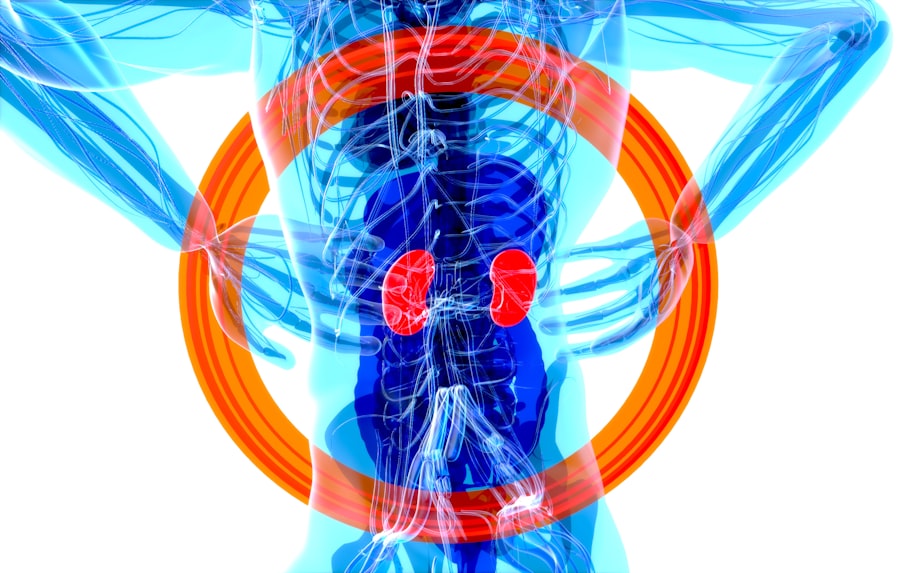
The residents who live in the shadow of the Petrochemical Spine bear a disproportionate burden of the risks associated with industrial operations. This burden is not evenly distributed, often falling most heavily on low-income communities and communities of color.
Environmental Justice and Frontline Communities
The concept of environmental justice highlights the inequitable distribution of environmental hazards. In the regions surrounding the Petrochemical Spine, communities situated closest to industrial facilities often experience higher levels of pollution and a greater incidence of associated health problems. These “frontline communities” are frequently those with a history of disinvestment and limited political power, making them more vulnerable to the siting of polluting industries. They are the first to feel the industrial breath, both literally and figuratively.
Disproportionate Health Burdens:
Studies have linked proximity to petrochemical facilities with increased rates of respiratory illnesses, certain types of cancer (such as leukemia and lung cancer), birth defects, and other adverse health outcomes. Children and the elderly are often particularly vulnerable to the effects of air and water pollution. The cumulative impact on public health can be significant, leading to a reduced quality of life and increased healthcare costs for these communities.
Economic Vulnerability and Displacement:
While the petrochemical industry provides jobs, it also creates an economic dependency that can be a double-edged sword. Communities that rely heavily on these industries can be vulnerable to economic downturns or shifts in global energy markets. Furthermore, the perceived risks and environmental degradation can negatively impact property values and discourage new businesses, creating a cycle of economic vulnerability.
Social Impacts: A Pervasive Sense of Unease
Living amidst constant industrial activity can also have profound social and psychological impacts on residents. The presence of large industrial facilities can create a sense of unease, a feeling of being constantly exposed to potential hazards.
Anxiety and Stress Related to Industrial Incidents:
Accidental releases, explosions, and visible plumes of smoke can trigger anxiety and stress among residents, particularly those with a history of experiencing such incidents. The constant threat of an unforeseen event can erode a sense of safety and security. The hum of industry can become a source of dread, a constant low-grade fever of worry.
Community Organizing and Advocacy for Change:
In response to these risks, many communities have organized themselves to advocate for stronger environmental regulations, greater transparency from industry, and investments in community health and resilience. These advocacy efforts are crucial for ensuring that the voices of those most affected are heard and that their concerns are addressed. They are the watchdogs of the river’s health and the guardians of their communities.
Regulatory Frameworks and Enforcement Challenges

The Petrochemical Spine operates within a complex web of environmental regulations designed to mitigate its impacts. However, the effectiveness of these regulations is often debated, with concerns about enforcement and loopholes.
Federal and State Regulations: A Layered Approach
A multitude of federal and state laws govern air emissions, water discharges, hazardous waste management, and chemical safety at petrochemical facilities. Agencies like the Environmental Protection Agency (EPA) at the federal level and state environmental departments are tasked with developing and enforcing these regulations. This creates a layered approach, with each level of government playing a role in overseeing industrial operations.
The Clean Air Act and Its Objectives:
The Clean Air Act is a cornerstone of federal environmental law, establishing national ambient air quality standards and regulating emissions from various sources, including industrial facilities. While it has led to significant reductions in certain pollutants over time, challenges remain in controlling cumulative emissions and addressing emerging contaminants.
The Clean Water Act and Water Quality Protection:
The Clean Water Act aims to restore and maintain the chemical, physical, and biological integrity of the nation’s waters. It regulates the discharge of pollutants into surface waters and sets standards for wastewater treatment. However, enforcement and compliance remain critical factors in ensuring the protection of the Mississippi River and its tributaries.
Challenges in Enforcement and Compliance
Despite the existence of robust regulatory frameworks, effective enforcement remains a persistent challenge. Understaffed regulatory agencies, industry lobbying, and the sheer scale of the industrial operations can all contribute to difficulties in ensuring full compliance.
Permitting and Monitoring Complexities:
The permitting process for industrial facilities is often complex, and monitoring compliance across hundreds of facilities can be resource-intensive. Ensuring that self-reported data is accurate and that inspections are thorough and frequent is crucial for effective oversight.
The Role of Citizen Suits and Advocacy Groups:
Citizen suits, permitted under several environmental laws, allow individuals and organizations to sue for alleged violations of environmental laws when government agencies fail to act. These legal challenges and the work of environmental advocacy groups play a vital role in holding polluters accountable and demanding stronger environmental protections. They serve as an independent eye on the industrial giants.
The Mississippi River petrochemical spine poses significant environmental and health risks, as highlighted in a recent article that discusses the implications of industrial activities along this vital waterway. For a deeper understanding of the challenges and potential consequences associated with this issue, you can read more in the article available at My GeoQuest. This resource provides valuable insights into the ongoing debates surrounding the balance between economic development and environmental protection in the region.
Towards a Sustainable Future: Mitigation and Transformation
| Metric | Value | Unit | Description |
|---|---|---|---|
| Number of Petrochemical Facilities | 150 | Facilities | Total petrochemical plants along the Mississippi River corridor |
| Annual Chemical Output | 120 | Million Tons | Estimated yearly production of petrochemical products |
| Flood Risk Level | High | Risk Category | Flooding potential impacting petrochemical spine infrastructure |
| Average Distance to River | 2.5 | Miles | Average proximity of facilities to the Mississippi River |
| Population in Risk Zone | 500,000 | People | Number of residents living within 5 miles of petrochemical spine |
| Annual Spill Incidents | 12 | Incidents | Reported chemical spills or leaks per year |
| Emergency Response Time | 45 | Minutes | Average time for emergency teams to respond to incidents |
| Environmental Impact Score | 7.8 | Scale 1-10 | Assessment of environmental risk and damage potential |
Addressing the risks posed by the Petrochemical Spine requires a multi-faceted approach that focuses on both immediate mitigation and long-term transformation towards more sustainable practices.
Technological Advancements and Emission Reduction Strategies
The petrochemical industry is not static; technological advancements offer opportunities to reduce its environmental footprint. Investments in cleaner production processes, advanced pollution control technologies, and the transition to renewable energy sources are critical.
Improving Efficiency and Reducing Waste:
Optimizing industrial processes to improve energy efficiency and minimize waste generation can lead to significant reductions in emissions and resource consumption. This involves a continuous drive for operational excellence.
The Potential of Carbon Capture and Storage:
Emerging technologies such as carbon capture and storage (CCS) offer the potential to capture CO2 emissions from industrial sources before they are released into the atmosphere. While still facing challenges in terms of cost and scalability, CCS could play a role in decarbonizing heavy industries.
Transitioning to Renewable Feedstocks and Energy:
A more transformative approach involves a gradual shift away from fossil fuel-based feedstocks and energy sources towards renewable alternatives, such as bio-based materials and electricity generated from solar, wind, and other clean sources. This represents a fundamental re-imagining of the industry.
Community Engagement and Health Interventions
Empowering communities and investing in their health and well-being are essential components of a sustainable future. This includes ensuring access to adequate healthcare, supporting community-led monitoring initiatives, and fostering opportunities for economic diversification.
Investing in Public Health Infrastructure:
Strengthening public health infrastructure in frontline communities, including clinics, air quality monitoring stations, and public health education programs, is crucial for addressing the health impacts of industrial pollution.
Promoting Economic Diversification:
Encouraging and supporting the development of diverse economic sectors beyond the petrochemical industry can reduce community dependency and create more resilient local economies. This might involve fostering green industries or supporting small businesses.
Enhancing Transparency and Community Voice:
Ensuring that communities have access to clear and understandable information about industrial operations and emissions, and that their voices are meaningfully integrated into decision-making processes, is fundamental to building trust and achieving equitable outcomes.
The Petrochemical Spine along the Mississippi River is a complex industrial system with profound implications for the environment and human health. While it has historically been a driver of economic growth, its continued operation carries significant risks that demand careful consideration and proactive solutions. The future of the river and the communities that depend on it hinges on a collective commitment to a more sustainable and just path forward, one that acknowledges the vital role of industry while prioritizing the well-being of people and the planet.
WATCH NOW ▶️ SHOCKING: Mississippi: The $12 Trillion Lie Revealed
FAQs
What is the Mississippi River Petrochemical Spine?
The Mississippi River Petrochemical Spine refers to a concentration of petrochemical plants and related infrastructure located along the Mississippi River, primarily in the Gulf Coast region. This area is a major hub for the production and transportation of petrochemical products in the United States.
Why is the Mississippi River Petrochemical Spine considered a risk?
The petrochemical spine is considered a risk due to its vulnerability to natural disasters such as hurricanes and flooding, which can cause significant damage to facilities, leading to chemical spills, fires, and environmental contamination. Additionally, the concentration of hazardous materials in one area increases the potential impact of industrial accidents.
What types of petrochemical products are produced along the Mississippi River Petrochemical Spine?
The petrochemical spine produces a variety of products including plastics, synthetic rubber, fertilizers, solvents, and other chemical intermediates. These products are essential for numerous industries, including manufacturing, agriculture, and consumer goods.
How do natural disasters affect the petrochemical spine along the Mississippi River?
Natural disasters such as hurricanes, flooding, and storm surges can disrupt operations, damage infrastructure, and cause hazardous chemical releases. These events can lead to environmental pollution, health risks for nearby communities, and economic losses due to production shutdowns.
What measures are in place to mitigate risks associated with the Mississippi River Petrochemical Spine?
To mitigate risks, companies and regulatory agencies implement safety protocols, emergency response plans, and infrastructure improvements designed to withstand natural disasters. Environmental monitoring, community preparedness programs, and stricter regulations also help reduce the potential impact of accidents and natural events on the petrochemical spine.