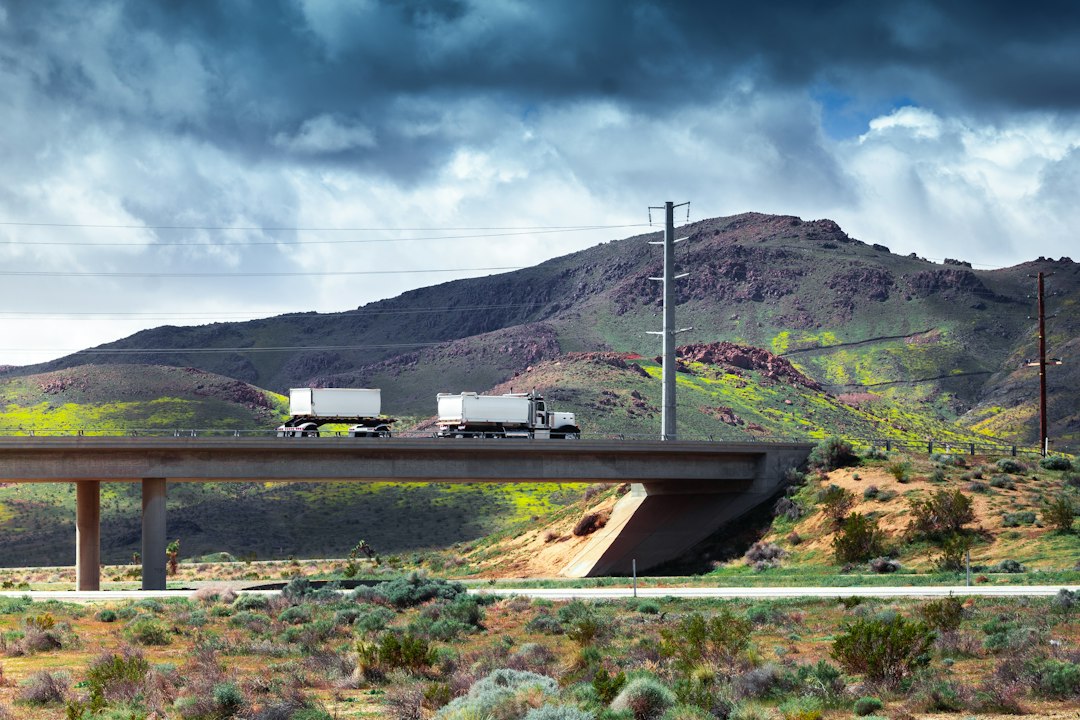
The Pan-American Highway, a legendary network of roads stretching across the Americas, presents a fascinating case study for comprehensive cost-benefit analysis. Its sheer scale, spanning from Prudhoe Bay, Alaska, to Ushuaia, Argentina, and encompassing diverse geographical terrains and socioeconomic contexts, makes a thorough evaluation a complex but crucial endeavor. This analysis delves into the multifaceted benefits and significant costs associated with this monumental infrastructure project, examining its economic, social, and environmental impacts.
Economic Foundations: Investments, Trade, and Growth
The economic ramifications of the Pan-American Highway are profound and far-reaching, representing a substantial investment with the potential for significant returns. Understanding these economic dynamics requires a detailed look at the initial capital outlays, the ongoing maintenance expenditures, and the economic activities it facilitates.
Capital Investment and Development Costs
The initial construction and continuous upgrades of the Pan-American Highway represent a colossal capital investment spread across multiple nations and decades. These costs encompass a wide spectrum of expenses, from the acquisition of land and the engineering marvels required to traverse challenging landscapes, to the labor and materials involved in laying asphalt, building bridges, and establishing essential infrastructure like signage and rest stops. In many developing nations along its route, the construction of segments of the highway has been a primary driver of national infrastructure development, often relying on international loans and foreign aid. The economic benefit of these upfront investments lies not only in the creation of jobs during the construction phase but also in the long-term asset that the highway becomes. However, the sheer magnitude of these costs necessitates a careful consideration of alternative development projects and their potential returns. The allocation of finite resources towards highway construction must be weighed against investments in education, healthcare, or other sectors that could also stimulate economic growth. Furthermore, the ongoing costs of maintenance, repair, and security are substantial and often place a significant burden on national budgets, particularly in countries with limited fiscal capacity. These recurrent expenditures are critical to ensuring the highway’s usability and safety, and neglecting them can lead to accelerated deterioration, higher repair costs in the future, and a reduction in its economic utility.
Trade Facilitation and Market Integration
One of the most compelling economic benefits of the Pan-American Highway is its role in facilitating trade and integrating markets across vast distances. By providing a contiguous and often efficient transportation route, it significantly reduces the time and cost of moving goods between countries and regions. This enhanced connectivity opens up new markets for producers, allowing them to reach a wider customer base and potentially achieve economies of scale. For consumers, it can lead to greater product availability and lower prices due to increased competition and reduced transportation expenses. The highway’s impact on regional economic integration is particularly notable. It fosters cross-border commerce, encourages the development of specialized industries within different regions, and can lead to the formation of more robust regional supply chains. The flow of goods and services is not only between neighboring countries but also across entire continents, enabling a more dynamic and interconnected economic landscape. The growth of tourism is another significant economic byproduct. Easier access to different regions encourages both domestic and international tourism, creating jobs in the hospitality sector, generating revenue for local businesses, and contributing to foreign exchange earnings. The reduction in transit times also benefits perishable goods, allowing for wider distribution and reducing spoilage, thus increasing overall economic efficiency.
Economic Growth and Employment Generation
The Pan-American Highway serves as a powerful engine for economic growth and employment generation. Beyond the direct jobs created during its construction and maintenance, the improved connectivity it provides stimulates a cascade of economic activity. Industries that rely on transportation, such as logistics, manufacturing, and agriculture, experience increased demand. The ability to efficiently transport raw materials to factories and finished goods to markets fuels industrial expansion. Similarly, agricultural producers can access broader markets, leading to increased production and employment in rural areas. The highway also acts as a catalyst for the development of ancillary industries, such as service stations, repair shops, hotels, and restaurants, which spring up along its routes to cater to travelers and transport operators. These businesses create numerous local employment opportunities, contributing to poverty reduction and improved livelihoods in communities situated along the highway. Furthermore, the increased economic activity spurred by the highway can attract foreign investment, as businesses recognize the strategic advantage of operating within a well-connected region. This investment can lead to further job creation, technology transfer, and the development of new industries, creating a virtuous cycle of economic progress. The highway’s influence extends to informal economies as well, facilitating the movement of goods and services in ways that might not be captured by official statistics but still contribute significantly to local economies.
A comprehensive cost-benefit analysis of the Pan American Highway can be found in the article titled “Evaluating the Economic Impact of the Pan American Highway” on MyGeoQuest. This article delves into the financial implications and potential economic benefits of the highway, providing valuable insights for policymakers and stakeholders. For more information, you can read the article here: Evaluating the Economic Impact of the Pan American Highway.
Social and Cultural Dimensions: Connectivity, Exchange, and Challenges

The impact of the Pan-American Highway extends far beyond economic metrics, profoundly influencing the social fabric and cultural landscape of the Americas. It is a conduit for human connection, cultural exchange, and the dissemination of ideas, but also presents unique social challenges that require careful consideration.
Enhancing Connectivity and Accessibility
The most evident social benefit of the Pan-American Highway is the dramatic enhancement of connectivity and accessibility for millions of people. It bridges geographical divides that historically isolated communities, allowing for easier travel, communication, and access to essential services. For residents of remote or previously inaccessible areas, the highway provides a vital link to urban centers, healthcare facilities, educational institutions, and employment opportunities. This improved accessibility can lead to a significant improvement in living standards, reducing the geographical barriers that often perpetuate poverty and inequality. Families separated by long distances can now visit each other more frequently, strengthening social bonds and community cohesion. The highway also facilitates the movement of emergency services, allowing for quicker response times in critical situations such as medical emergencies or natural disasters. This enhanced accessibility contributes to greater social equity by ensuring that essential services are more readily available to a wider population, regardless of their geographical location. Furthermore, the highway enables the efficient transport of educational resources and personnel, supporting the development of schools and universities in underserved regions. The ability for students to travel to educational centers or for educators to reach remote communities can have a transformative impact on human capital development.
Cultural Exchange and Understanding
The Pan-American Highway acts as a powerful artery for cultural exchange, fostering greater understanding and appreciation between diverse populations. As people travel along its vast expanse, they encounter different traditions, languages, cuisines, and ways of life. This direct exposure can break down stereotypes, promote empathy, and lead to a richer, more nuanced understanding of the Americas as a whole. The highway facilitates the movement of artists, musicians, writers, and academics, enabling them to share their work and perspectives across borders. This cross-pollination of ideas and creative expression enriches the cultural landscape of the entire continent. The growth of tourism, facilitated by the highway, further amplifies this cultural exchange, as visitors immerse themselves in local customs and traditions. This exchange can also lead to the preservation and revitalization of indigenous cultures, as increased awareness and appreciation can encourage efforts to maintain traditional practices and languages. The highway’s influence on cultural diffusion also means that popular culture, music, and trends can spread rapidly across regions, creating a sense of shared identity and experience among people who might otherwise feel disconnected. However, it is also important to acknowledge the potential for cultural homogenization or the erosion of unique local traditions due to the pervasive influence of dominant cultures.
Social Inclusion and Development
The Pan-American Highway has the potential to foster social inclusion and drive development by providing greater opportunities for marginalized communities. Improved transportation networks can connect these communities to broader economic and social networks, breaking down cycles of isolation and disadvantage. For indigenous populations, the highway can offer access to markets for their traditional crafts and produce, as well as to essential services and educational opportunities. However, the development of the highway also raises concerns about displacement and the potential disruption of traditional lifestyles. Careful planning and community engagement are crucial to ensure that the benefits of the highway are equitably distributed and that the rights and cultures of all communities are respected. The highway can also facilitate the access of people with disabilities to services and opportunities, provided that the infrastructure is designed and maintained with their needs in mind. Initiatives to improve the inclusivity of the highway, such as accessible rest stops and public transport options, can further enhance its social benefits. The highway’s development can also encourage the formation of social movements and advocacy groups by enabling easier coordination and communication among individuals and organizations working towards common social goals.
Environmental Considerations: Impact, Sustainability, and Mitigation

The construction and operation of the Pan-American Highway present significant environmental challenges, demanding a careful assessment of its ecological footprint and the implementation of robust sustainability measures.
Habitat Fragmentation and Biodiversity Loss
One of the most significant environmental consequences of the Pan-American Highway is habitat fragmentation. The construction of roads, particularly through previously undisturbed wilderness, divides ecosystems, creating barriers that impede the movement of wildlife. This fragmentation can isolate populations, reduce genetic diversity, and increase the vulnerability of species to local extinction. The highway’s path often cuts through biodiversity hotspots, threatening the survival of numerous plant and animal species, many of which may be endemic or endangered. The increased human activity associated with the highway, including vehicle traffic, resource extraction, and settlement, further exacerbates these impacts. The physical presence of the road itself can lead to direct mortality through roadkill, a significant threat to many species. The indirect impacts include noise pollution, light pollution, and the introduction of invasive species carried by vehicles. Addressing this requires careful route selection, the implementation of wildlife crossings such as underpasses and overpasses, and the establishment of wildlife corridors to maintain ecological connectivity. Conservation efforts focused on protecting and restoring habitats adjacent to the highway are also crucial.
Pollution and Resource Consumption
The Pan-American Highway contributes to various forms of pollution and demands significant resource consumption. Vehicle emissions, a direct consequence of increased traffic volume, contribute to air pollution, including greenhouse gases that drive climate change and other pollutants that negatively impact human health and ecosystems. Noise pollution from vehicles can disrupt wildlife behavior and affect the quality of life for nearby residents. The construction and maintenance of the highway itself require vast quantities of raw materials such as asphalt, concrete, and gravel, leading to resource depletion and the environmental impacts associated with their extraction and processing. Water pollution can occur through runoff from the highway, carrying oil, fuel, and other contaminants into nearby water bodies. The construction process can also lead to soil erosion and sedimentation, further degrading water quality. Efforts to mitigate these impacts include promoting the use of fuel-efficient vehicles, investing in public transportation and alternative modes of transport, implementing stricter emission standards, and developing sustainable construction practices that minimize waste and resource consumption. Waste management strategies along the highway are also critical to prevent littering and the improper disposal of waste.
Sustainable Development and Ecological Preservation
Achieving sustainable development along the Pan-American Highway requires a proactive approach to ecological preservation. This involves integrating environmental considerations into every stage of planning, construction, and operation. It necessitates a commitment to minimizing the ecological footprint of the highway and actively working to restore and protect the natural environment. Strategies include conducting thorough environmental impact assessments for all new projects and upgrades, implementing best practices for erosion control and habitat restoration, and establishing protected areas or buffer zones along critical ecological corridors. Promoting ecotourism and responsible travel can also generate revenue that can be reinvested in conservation efforts. Furthermore, fostering collaboration between governments, environmental organizations, and local communities is essential to develop effective conservation strategies and ensure the long-term health of the ecosystems traversed by the highway. Research into the long-term ecological impacts of the highway and the effectiveness of mitigation measures is also vital for adaptive management and continuous improvement. The development of renewable energy sources for transportation and infrastructure along the route can also significantly contribute to reducing the highway’s environmental impact.
Infrastructure and Maintenance: Longevity, Challenges, and Technological Advancements
The Pan-American Highway is more than just asphalt; it is a complex system of interconnected infrastructure requiring continuous attention to ensure its functionality and longevity. Understanding its maintenance needs and the technological solutions available is paramount for its sustained utility.
The Challenge of Diverse Terrain and Climate
The Pan-American Highway traverses an astonishing array of geographical terrains and climates, presenting unique and formidable challenges for construction and maintenance. From the frozen tundras of Alaska and the arid deserts of North America to the dense rainforests of Central America and the high-altitude Andes of South America, each segment demands specialized engineering solutions and ongoing upkeep. Extreme temperatures, heavy rainfall, seismic activity, and landslides are constant threats that can damage road surfaces, bridges, and tunnels. The tropical regions experience high humidity and intense rainfall, leading to rapid deterioration of road surfaces and frequent flooding. Conversely, mountainous regions are prone to landslides and avalanches, requiring robust slope stabilization and snow removal efforts. The sheer scale of the network means that maintaining a consistent standard of quality and safety across all these varied environments is a monumental undertaking. The financial implications are significant, as maintenance budgets must account for the diverse needs of each region. Without adequate and context-specific maintenance, sections of the highway can quickly become impassable, disrupting trade, travel, and economic activity.
Funding Models and Investment Priorities
Securing adequate and sustainable funding for the construction, maintenance, and upgrade of the Pan-American Highway is a perpetual challenge, requiring innovative financial models and careful prioritization of investments. National governments, often facing competing demands on their budgets, are the primary source of funding, supplemented by international development banks, multilateral organizations, and private sector investment. Toll roads, where implemented, provide a direct revenue stream for maintenance and improvements, but their implementation can face public resistance and equity concerns. Public-private partnerships (PPPs) offer a potential avenue for sharing the financial burden and leveraging private sector expertise, but require careful structuring to ensure public benefit and accountability. The prioritization of investments is critical, focusing on critical link closures, sections with high traffic volume or economic importance, and areas prone to frequent disrepair. Strategic planning is essential to ensure that funding is allocated efficiently and effectively, addressing the most pressing needs and maximizing the economic and social returns on investment. The long-term sustainability of the highway depends on consistent and predictable funding streams, rather than ad hoc allocations.
Technological Innovations in Road Management
The ongoing management of the Pan-American Highway benefits immensely from technological advancements aimed at improving efficiency, safety, and sustainability. Intelligent transportation systems (ITS) play an increasingly vital role, employing sensors, communication networks, and data analytics to monitor traffic flow, detect incidents, and provide real-time information to travelers. This includes advanced traffic management systems, variable message signs, and navigation applications that help optimize travel times and reduce congestion. Pavement management systems utilize sensors and data analysis to monitor the condition of road surfaces, allowing for proactive maintenance and preventing minor issues from escalating into costly repairs. Innovations in materials science are leading to the development of more durable and sustainable road construction materials, such as recycled aggregates and advanced asphalt mixes that can withstand extreme weather conditions and reduce environmental impact. Remote sensing technologies, including satellite imagery and drones, are being employed for monitoring vast stretches of the highway, identifying potential problems, and assessing the effectiveness of maintenance efforts. The application of big data analytics is also proving invaluable in understanding traffic patterns, predicting maintenance needs, and optimizing resource allocation.
The Pan American Highway, a monumental infrastructure project, has been the subject of various studies focusing on its cost-benefit analysis. One insightful article that delves into the economic implications and potential advantages of this extensive roadway can be found at this link. By examining the financial and social impacts of the highway, the article provides a comprehensive overview of how this ambitious undertaking could reshape transportation and trade across the Americas.
A Holistic Cost-Benefit Perspective: Weighing the Scales
| Metric | Value | Unit | Notes |
|---|---|---|---|
| Initial Construction Cost | 5000000000 | USD | Estimated total cost for highway completion |
| Annual Maintenance Cost | 150000000 | USD/year | Ongoing yearly maintenance expenses |
| Travel Time Reduction | 30 | Percent | Average reduction in travel time for users |
| Increase in Trade Volume | 20 | Percent | Projected increase in trade between connected countries |
| Environmental Impact Cost | 300000000 | USD | Estimated cost related to environmental mitigation |
| Economic Benefit | 8000000000 | USD | Projected economic gains over 20 years |
| Benefit-Cost Ratio | 1.6 | Ratio | Ratio of economic benefits to costs |
| Job Creation | 25000 | Jobs | Estimated number of jobs created during construction |
A truly comprehensive cost-benefit analysis of the Pan-American Highway demands a holistic perspective, moving beyond isolated metrics to understand the interconnectedness of its economic, social, and environmental impacts. It requires a long-term vision and a willingness to acknowledge both the triumphs and the challenges.
Quantifying Intangible Benefits and Costs
While many economic benefits, such as trade volume and job creation, can be quantified with relative ease, a significant portion of the highway’s impact lies in intangible benefits and costs. The enhancement of social cohesion, cultural understanding, and improved access to education and healthcare are profoundly important but difficult to assign a precise monetary value to. Similarly, the long-term consequences of habitat fragmentation, biodiversity loss, and climate change, while having quantifiable economic implications, are also deeply rooted in ethical and existential concerns. A robust cost-benefit analysis must therefore incorporate qualitative assessments and engage with diverse stakeholders to capture the full spectrum of impacts. This might involve employing techniques such as cost-benefit analysis for non-market goods, deliberative methods, and expert judgment to incorporate these crucial intangible elements into the overall evaluation. The future well-being of communities and ecosystems is often at stake, and these aspects require careful consideration beyond purely financial metrics.
Evaluating Long-Term Sustainability and Resilience
The long-term sustainability and resilience of the Pan-American Highway are critical considerations for its enduring value. This involves assessing its capacity to withstand future challenges, including climate change impacts, economic volatility, and evolving societal needs. A resilient highway infrastructure is one that can adapt to changing conditions, recover quickly from disruptions, and continue to serve its purpose with minimal interruption. This requires ongoing investment in maintenance and upgrades, the adoption of climate-resilient design principles, and the development of contingency plans for emergencies. The economic model supporting the highway must also be sustainable, ensuring that the revenue generated or allocated is sufficient to cover ongoing costs and future investments. Furthermore, the social and environmental sustainability of the highway are inextricably linked to its economic viability. Ignoring environmental degradation or social inequity can ultimately undermine the economic benefits derived from the highway, leading to long-term instability and decreased utility. A truly sustainable highway is one that contributes positively to the environment and society while remaining economically viable.
The Ongoing Debate: Justification and Future Direction
The Pan-American Highway remains a subject of ongoing debate, with continuous evaluation of its justification and future direction. Its existence has undeniably transformed the Americas, fostering economic growth, facilitating cultural exchange, and improving lives. However, the substantial costs, both visible and hidden, necessitate a critical and forward-looking perspective. The question is not simply whether the highway is beneficial, but how it can be optimized to maximize its positive impacts while minimizing its negative consequences. This involves a continuous process of reassessment, adapting to new challenges and opportunities, and embracing innovation. Future directions may include greater investment in sustainable transportation alternatives, the use of advanced technologies for more efficient management and environmental monitoring, and a stronger focus on equitable development and the inclusion of all communities along its route. The Pan-American Highway is a living project, constantly evolving, and its ultimate legacy will be shaped by the collective decisions made regarding its future development and stewardship.
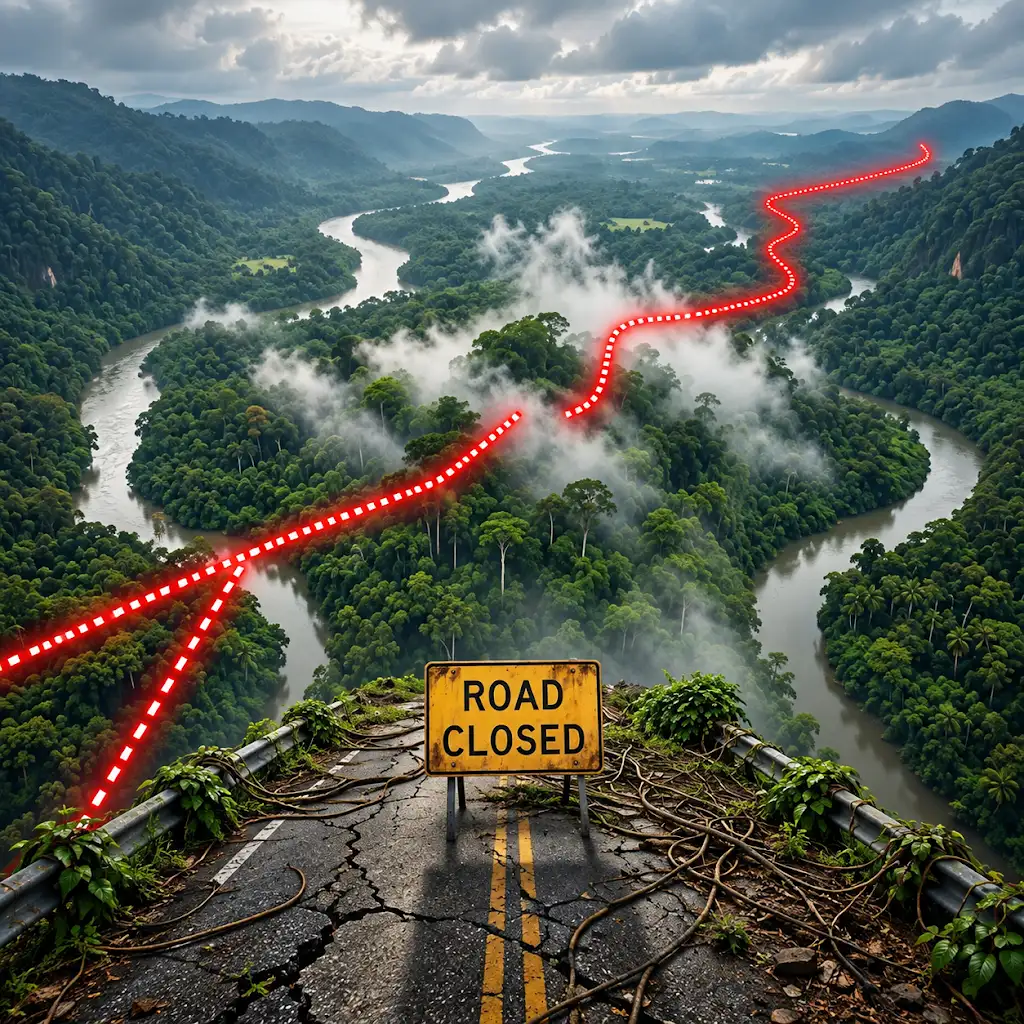
Why the World’s Longest Highway Stops Here
FAQs
What is the Pan American Highway?
The Pan American Highway is a network of roads that stretches from Prudhoe Bay in Alaska to Ushuaia in Argentina, making it the longest motorable road in the world.
How was the cost benefit analysis conducted for the Pan American Highway?
The cost benefit analysis for the Pan American Highway involved evaluating the initial construction costs, ongoing maintenance expenses, economic benefits from increased trade and tourism, as well as social benefits such as improved access to healthcare and education.
What were some of the key findings of the cost benefit analysis for the Pan American Highway?
Some key findings of the cost benefit analysis for the Pan American Highway included a significant reduction in transportation costs, improved connectivity between countries, increased economic growth in regions along the highway, and enhanced disaster response capabilities.
Were there any challenges or drawbacks identified in the cost benefit analysis of the Pan American Highway?
Some challenges identified in the cost benefit analysis of the Pan American Highway included environmental impacts such as deforestation and habitat destruction, displacement of indigenous communities, and potential negative effects on local cultures and traditions.
How can the findings of the cost benefit analysis for the Pan American Highway be used to inform future infrastructure projects?
The findings of the cost benefit analysis for the Pan American Highway can be used to inform future infrastructure projects by highlighting the importance of considering both economic and social factors, conducting thorough environmental assessments, and engaging with local communities to address potential concerns and maximize benefits.