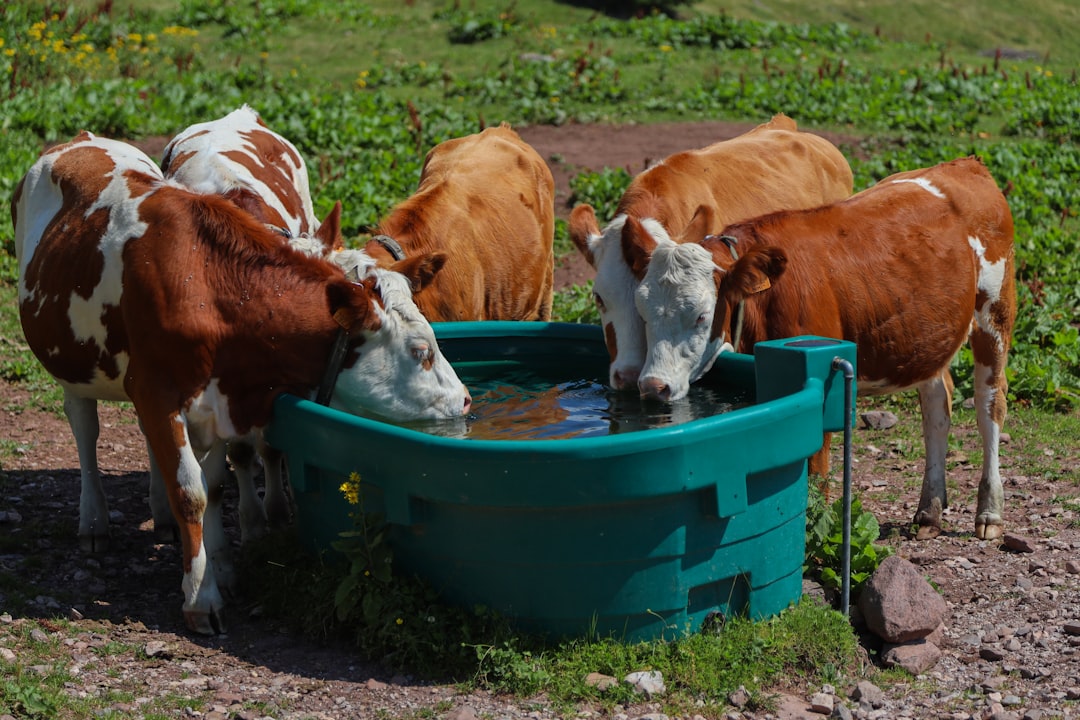
To effectively manage water resources for beef cattle, it is essential to first understand their specific water needs. Cattle require a significant amount of water daily, with consumption varying based on factors such as age, weight, diet, and environmental conditions. On average, a mature beef cow may drink between 10 to 14 gallons of water per day, but this can increase dramatically during hot weather or when they are lactating.
By recognizing these variables, you can better plan for adequate water supply and ensure the health and productivity of your herd. Moreover, understanding the physiological processes that drive water consumption in cattle can help you make informed decisions about their care. For instance, during periods of high heat stress, cattle will naturally seek more water to regulate their body temperature.
This means that providing access to clean and cool water sources becomes even more critical during the summer months. By monitoring your cattle’s behavior and adjusting their water supply accordingly, you can promote their well-being and optimize their growth and production.
Key Takeaways
- Understanding and meeting the specific water needs of beef cattle is essential for their health and productivity.
- Implementing efficient infrastructure and water-saving systems can significantly reduce water consumption.
- Regular monitoring, management, and recycling of water help optimize usage and promote sustainability.
- Educating staff and leveraging technology enhance effective water conservation practices on the farm.
- Collaboration with conservation organizations and continuous evaluation ensure long-term water optimization success.
Implementing Water-Efficient Infrastructure
Once you grasp the water needs of your cattle, the next step is to implement water-efficient infrastructure. This involves designing and installing systems that minimize waste while ensuring that your cattle have constant access to fresh water. One effective approach is to utilize automatic waterers that refill as needed, reducing the risk of overflow and evaporation.
These systems not only conserve water but also ensure that your cattle always have access to clean drinking water. In addition to automatic waterers, consider the layout of your watering points. Strategically placing water sources throughout your grazing areas can encourage cattle to spread out and graze more evenly, which can lead to better pasture management.
Furthermore, using durable materials for your infrastructure can reduce maintenance costs and prolong the lifespan of your water systems. By investing in efficient infrastructure, you not only save water but also enhance the overall productivity of your beef operation.
Utilizing Water-Saving Feeding and Drinking Systems

Incorporating water-saving feeding and drinking systems is another effective strategy for managing water resources in beef cattle operations. For instance, using high-moisture feeds can reduce the amount of drinking water required by your cattle. Silage or other wet feeds can provide essential hydration while delivering necessary nutrients, thus decreasing reliance on traditional water sources.
Additionally, consider implementing systems that allow for controlled drinking access. For example, using troughs with float valves can help maintain optimal water levels while preventing overflow. This not only conserves water but also keeps the drinking area cleaner, reducing the risk of contamination.
By combining these innovative feeding and drinking systems, you can create a more sustainable environment for your cattle while ensuring their hydration needs are met.
Monitoring and Managing Water Usage
Effective monitoring and management of water usage are crucial for optimizing resources in beef cattle operations. By keeping track of how much water your cattle consume, you can identify patterns and make adjustments as needed. Regularly checking water levels in troughs and tanks will help you spot leaks or inefficiencies early on, allowing for timely repairs and maintenance.
Implementing a record-keeping system can also aid in managing water usage effectively. By documenting daily consumption rates and correlating them with environmental conditions or changes in feeding practices, you can gain valuable insights into your herd’s hydration needs. This data-driven approach enables you to make informed decisions that enhance both animal welfare and resource conservation.
Implementing Water Recycling and Reuse Practices
| Metric | Value | Unit | Notes |
|---|---|---|---|
| Average Daily Water Intake per Head | 30-50 | liters | Varies by temperature and cattle size |
| Water Usage per Kilogram of Weight Gain | 50-100 | liters | Includes drinking and feedlot operations |
| Total Water Requirement for 1000 Head | 30,000-50,000 | liters/day | Based on average daily intake |
| Water Source Types | Groundwater, Surface Water | N/A | Depends on location and availability |
| Water Quality Parameters | pH 6.5-8.5, Low Salinity | N/A | Essential for cattle health |
| Watering System Types | Automatic Troughs, Manual Troughs | N/A | Automatic systems improve efficiency |
| Water Waste Reduction Techniques | Leak Detection, Efficient Trough Design | N/A | Helps conserve water resources |
Water recycling and reuse practices are essential components of a sustainable beef cattle operation. By capturing runoff from feeding areas or rainwater from roofs, you can create a supplementary water source for your cattle. This not only reduces reliance on groundwater or municipal supplies but also minimizes environmental impact by preventing runoff pollution.
Additionally, consider using treated wastewater for non-potable purposes such as irrigation or cleaning equipment. While it is crucial to ensure that any recycled water meets safety standards for livestock use, implementing these practices can significantly reduce overall water consumption on your farm. By embracing innovative recycling methods, you contribute to a more sustainable agricultural system while maintaining the health of your cattle.
Optimizing Water Quality for Cattle Health

While quantity is important, the quality of water provided to your cattle is equally critical for their health and productivity. Contaminated or poor-quality water can lead to various health issues, including digestive problems and decreased milk production in lactating cows. Regular testing of your water sources for contaminants such as bacteria, nitrates, and minerals is essential to ensure that your cattle receive safe drinking water.
In addition to testing, consider implementing filtration systems or treatment processes to improve water quality. Simple measures like regularly cleaning troughs and ensuring proper drainage can prevent stagnation and contamination. By prioritizing water quality alongside quantity, you create a healthier environment for your cattle, ultimately leading to better growth rates and overall herd performance.
Incorporating Water Conservation into Overall Environmental Management
Water conservation should be an integral part of your overall environmental management strategy in beef cattle operations. By adopting sustainable practices that prioritize resource efficiency, you not only benefit your operation but also contribute positively to the environment. This includes implementing rotational grazing practices that enhance pasture health while reducing soil erosion and improving water retention.
Furthermore, consider integrating other conservation practices such as soil management and habitat restoration into your overall strategy. Healthy soils can retain more moisture, reducing the need for additional irrigation or watering efforts. By viewing water conservation as part of a broader environmental management plan, you create a holistic approach that benefits both your cattle and the ecosystem.
Educating Staff and Workers on Water Conservation Practices
To ensure the success of your water conservation efforts, it is vital to educate your staff and workers on best practices. Providing training sessions on the importance of water conservation and how they can contribute will foster a culture of sustainability within your operation. Encourage open discussions about challenges they may face in implementing these practices and work together to find solutions.
Additionally, consider creating visual aids or guidelines that outline specific actions workers can take to conserve water daily. Simple reminders about checking for leaks or properly maintaining watering systems can go a long way in promoting responsible water use. By empowering your team with knowledge and resources, you create a collaborative environment focused on achieving long-term sustainability goals.
Utilizing Technology for Water Management
In today’s digital age, technology plays a crucial role in effective water management for beef cattle operations. Smart sensors can monitor water levels in real-time, alerting you to any issues such as leaks or low supply before they become significant problems.
Moreover, data analytics tools can help you track consumption patterns over time, allowing for more precise forecasting of future needs based on historical data. By leveraging technology in your water management practices, you can optimize resource use while ensuring that your cattle have consistent access to clean drinking water.
Collaborating with Water Conservation Organizations and Agencies
Collaborating with local water conservation organizations and agencies can provide valuable resources and support for your beef cattle operation. These organizations often offer educational programs, funding opportunities, or technical assistance that can help you implement effective conservation practices. Building relationships with these groups not only enhances your knowledge but also connects you with a network of like-minded individuals committed to sustainable agriculture.
Additionally, participating in community initiatives focused on water conservation can raise awareness about the importance of responsible resource management within the agricultural sector. By working together with others in your community, you can share best practices and learn from each other’s experiences, ultimately leading to improved outcomes for both your operation and the environment.
Evaluating and Adapting Water Optimization Strategies for Long-Term Success
Finally, it is essential to regularly evaluate and adapt your water optimization strategies to ensure long-term success in beef cattle operations. Conducting periodic assessments of your current practices will help identify areas for improvement or adjustment based on changing conditions or new technologies.
Moreover, seeking feedback from staff and workers about what is working well or what could be improved will foster a culture of continuous improvement within your operation. By remaining flexible and open to change, you position yourself for ongoing success in managing water resources effectively while promoting the health and productivity of your cattle herd.
In the context of managing beef cattle feedlot water, it’s essential to consider the impact of water quality on livestock health and productivity. A related article that delves into this topic can be found at MyGeoQuest, where it discusses various strategies for optimizing water resources in feedlot operations. This resource provides valuable insights for farmers looking to enhance their cattle’s well-being and overall feedlot efficiency.
WATCH THIS! 🚨 THE $20 TRILLION DUST BOWL: America’s Hidden Water Crisis 🚨
FAQs
What is the importance of water in beef cattle feedlots?
Water is essential for beef cattle as it supports vital bodily functions, aids in digestion, regulates body temperature, and promotes overall health and growth. In feedlots, providing clean and adequate water is crucial to maintain cattle performance and welfare.
How much water do beef cattle typically consume in feedlots?
Beef cattle in feedlots generally consume between 10 to 20 gallons (38 to 76 liters) of water per day, depending on factors such as their size, diet, weather conditions, and stage of production.
What are common sources of water for beef cattle in feedlots?
Common water sources include wells, municipal water supplies, ponds, reservoirs, and sometimes recycled water systems. The water must be clean, safe, and free from contaminants to ensure cattle health.
How is water quality monitored in beef cattle feedlots?
Water quality is regularly tested for parameters such as pH, temperature, microbial contamination, mineral content, and presence of harmful chemicals. Maintaining good water quality helps prevent diseases and supports optimal cattle growth.
What are the challenges related to water management in beef cattle feedlots?
Challenges include ensuring consistent water availability, preventing contamination from manure and feedlot runoff, managing water waste, and maintaining infrastructure such as troughs and pipelines to avoid leaks and blockages.
How does water availability affect cattle performance in feedlots?
Adequate water availability directly influences feed intake, weight gain, and overall health. Insufficient or poor-quality water can lead to reduced feed efficiency, slower growth rates, and increased susceptibility to illness.
What measures are taken to ensure water efficiency in feedlots?
Feedlots may use water-saving technologies such as automatic waterers, leak detection systems, and proper maintenance of water delivery equipment. Additionally, managing runoff and recycling water where possible helps improve water use efficiency.
Are there regulations governing water use in beef cattle feedlots?
Yes, feedlots are subject to environmental regulations that govern water use, discharge, and quality to protect surrounding ecosystems and water resources. Compliance with these regulations is essential for sustainable feedlot operations.