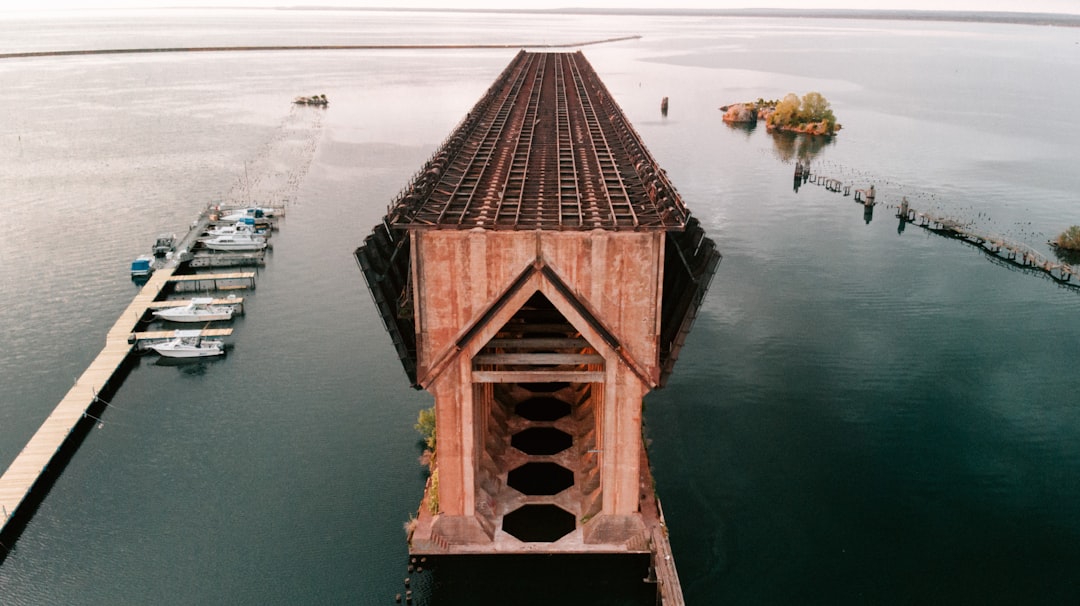
The Great Lakes, a vast network of freshwater ecosystems, are not static entities. They are dynamic systems, constantly exchanging water with their surrounding environments through various pathways. Among these, water return flow, the journey of water back to the lakes after it has been withdrawn for consumptive or non-consumptive uses, plays a crucial role in maintaining the lakes’ hydrological balance and ecological health. Optimizing this return flow is not merely an engineering challenge; it is an intricate dance between human needs and the delicate equilibrium of a global treasure. This article delves into the multifaceted aspects of optimizing Great Lakes water return flow, exploring the complexities, challenges, and potential solutions from a factual, analytical perspective.
The Intricate Water Balance Equation
The Great Lakes basin operates on a fundamental principle: what goes in must, to some extent, come out, or be accounted for. The water balance of the Great Lakes is a sophisticated equation where precipitation, surface runoff, and groundwater inflow represent the inputs, while evaporation, outflow to the St. Lawrence River, and diversions constitute the outputs. Water withdrawals for industries, agriculture, municipalities, and power generation, while necessary for human activities, represent a subtraction from this balance. The subsequent return of this water, whether treated or untreated, direct or indirect, is the crucial factor that attempts to close this equation. Understanding the precise coefficients and variables within this equation – the volumes, the timings, and the quality of returned water – is the bedrock upon which optimization efforts are built. Without this foundational knowledge, any attempt to optimize is akin to manipulating gears without understanding the machine.
Sources and Destinations of Return Flows
Water return flows to the Great Lakes originate from a diverse array of sources. Municipal wastewater treatment plants, discharging treated effluent, form a significant component. Industrial facilities, returning cooling water and process wastewater, also contribute. Agricultural lands, through irrigation return flow and tile drainage, can introduce water, often carrying dissolved nutrients and sediment, back into the system. Even domestic septic systems, if improperly functioning, can contribute to groundwater recharge that eventually finds its way to the lakes. The destination of these flows is equally varied. Some are discharged directly into the Great Lakes themselves, while others enter tributaries that subsequently flow into the lakes. The pathway a water parcel takes from withdrawal to return significantly influences its impact on the receiving water body. For example, a direct discharge into a large lake might be more readily assimilated than a flow into a smaller, more sensitive tributary.
The Concept of “Consumptive Use”
A critical distinction in understanding return flow is the concept of “consumptive use.” This refers to water that is withdrawn but not returned to the Great Lakes basin. Evaporation from reservoirs, conversion to product in manufacturing, or incorporation into crops are examples of consumptive uses. Water that is returned, even if altered in quality, is considered non-consumptive. Optimizing return flow, therefore, primarily focuses on maximizing the volume of water returned while simultaneously ameliorating any negative impacts on water quality. This distinction is vital for accurate accounting and for identifying areas where water conservation efforts can have the greatest impact by reducing net withdrawals.
Recent studies on Great Lakes water return flow conditions highlight the importance of understanding how water management practices impact the ecosystem. For a deeper insight into this topic, you can explore a related article that discusses the implications of these conditions on local wildlife and water quality. To read more about it, visit this article.
The Importance of Water Quality in Return Flows
From Potable to Polluted: The Spectrum of Return Water
The quality of water returned to the Great Lakes is a paramount concern. While some return flows, like treated municipal wastewater, undergo significant purification, others, such as untreated agricultural runoff or industrial effluent with minimal treatment, can introduce a cocktail of contaminants. These contaminants can range from nutrients like phosphorus and nitrogen, which fuel algal blooms and create hypoxic zones, to heavy metals, organic chemicals, and pathogens that threaten aquatic life and human health. The journey from a clean, potable water source to a potentially compromised return flow is a stark reminder of the interconnectedness of human activities and environmental health.
Nutrient Loading and Eutrophication
One of the most significant water quality challenges associated with return flows is nutrient loading, particularly phosphorus. Agricultural runoff and treated wastewater are major contributors. When excess nutrients enter the lakes, they act like fertilizer for microscopic algae. This leads to rapid algal growth, known as eutrophication. As these algae die and decompose, bacteria consume vast amounts of dissolved oxygen in the water, creating “dead zones” where fish and other aquatic organisms cannot survive. Optimizing return flows, therefore, necessitates rigorous nutrient reduction strategies at the source, before the water is discharged.
Industrial Pollutants and Their Legacy
Industrial return flows can introduce a different set of pollutants, including heavy metals (e.g., mercury, lead), persistent organic pollutants (POPs), and thermal pollution. While regulations have led to significant improvements in industrial wastewater treatment over the decades, historical contamination and ongoing legacy pollutants from past industrial practices remain a concern. The inert nature of some of these substances means they can persist in sediments and the food web for extended periods, posing long-term risks. Efforts to optimize industrial return flows must consider not only current discharges but also the remediation of past pollution.
Pathogens and Public Health
Pathogens, including bacteria, viruses, and protozoa, can be present in untreated or inadequately treated wastewater. Their return to the Great Lakes can pose a direct risk to public health, necessitating beach closures and restrictions on recreational activities. Robust wastewater treatment technologies and vigilant monitoring are crucial to ensure that returned water does not compromise the safety of the lakes for human use.
Strategies for Optimizing Return Flow Volumes

Water Conservation: The First Line of Defense
Before even considering return flow, the most effective strategy for optimizing the Great Lakes water balance is water conservation. Reducing the demand for water in the first place directly lessens the volume of water that needs to be withdrawn and subsequently returned. This is akin to tightening the lid on a leaky faucet; it prevents water from escaping in the first place. For municipalities, this means addressing leaks in aging infrastructure, promoting water-efficient appliances and landscaping, and implementing tiered water pricing structures. Industries can invest in water-recycling technologies and process optimization. Agricultural practices can shift towards more efficient irrigation methods, such as drip irrigation, and crop choices that require less water.
Water Reuse and Recycling Technologies
Beyond simple conservation, advanced water reuse and recycling technologies offer a powerful means of optimizing return flows. This involves treating wastewater to a sufficiently high standard to be reused for non-potable purposes, such as industrial cooling, irrigation, or even toilet flushing. This creates a closed-loop system, significantly reducing the net withdrawal from the lakes. Imagine a sophisticated filtration system that takes rejected water and gives it a new life, reducing the constant need to draw fresh water from the source. The challenge lies in the cost of these technologies, the public perception of reused water, and the stringent quality control required for different applications.
Improved Infrastructure and Leak Detection
Aging water infrastructure, both for supply and wastewater, is a significant source of water loss. Leaks in pipes can lead to substantial volumes of treated water entering the ground and never returning to the lakes, or conversely, allowing untreated groundwater to infiltrate sewer systems, increasing the volume of wastewater that needs treatment. Investing in the repair and upgrade of these systems, coupled with advanced leak detection technologies, can ensure that water accurately returns to its designated return pathways, rather than disappearing into the underground. This is like reinforcing the banks of a river to ensure the water flows where it’s supposed to, not seeping away unnoticed.
Strategies for Improving the Quality of Return Flows

Advanced Wastewater Treatment Technologies
Elevating the standard of wastewater treatment is fundamental to improving the quality of return flows. This involves moving beyond conventional, secondary treatment processes to more advanced methods that can effectively remove a wider range of contaminants. Technologies such as membrane filtration, advanced oxidation processes, and reverse osmosis can remove nutrients, pharmaceuticals, microplastics, and other emerging contaminants that conventional treatments often miss. The implementation of these technologies, however, requires significant capital investment and ongoing operational costs, presenting a hurdle for many municipalities and industries.
Green Infrastructure and Natural Stormwater Management
Green infrastructure, such as rain gardens, permeable pavements, and constructed wetlands, offers a nature-based approach to managing stormwater runoff, a significant source of non-point pollution. These systems mimic natural hydrological processes, filtering pollutants, reducing erosion, and allowing water to infiltrate into the ground, where it can be naturally purified before eventually reaching surface waters. Integrating green infrastructure into urban and agricultural landscapes can significantly improve the quality of water that eventually returns to the Great Lakes, acting as a natural buffer and filter.
Best Management Practices (BMPs) in Agriculture
Agriculture is a major contributor to non-point source pollution impacting Great Lakes water quality. Implementing Best Management Practices (BMPs) on farms is crucial for optimizing the quality of agricultural return flows. These practices include conservation tillage, cover cropping, buffer strips along waterways, nutrient management plans, and integrated pest management. By reducing soil erosion, nutrient runoff, and pesticide application, BMPs help to keep more pollutants on the land and out of the waterways, thus improving the quality of water that eventually finds its way back to the lakes.
Industrial Pre-treatment and Source Reduction
For industrial return flows, a two-pronged approach is essential: pre-treatment and source reduction. Pre-treatment involves installing onsite systems to remove specific pollutants before discharging wastewater to municipal treatment plants or directly to receiving waters. Source reduction focuses on minimizing the generation of pollutants at the source through process modifications, material substitution, and operational changes. This is akin to preventing a spill before it happens, rather than just cleaning it up afterwards.
Recent studies have highlighted the significance of water return flow conditions in the Great Lakes, shedding light on how these factors influence local ecosystems and water quality. For a deeper understanding of this topic, you can explore a related article that discusses the implications of water management practices in the region. This insightful piece can be found here and provides valuable information on the challenges and strategies associated with maintaining the health of the Great Lakes.
Regulatory Frameworks and Collaborative Governance
| Lake | Average Annual Return Flow (m³/s) | Return Flow Source | Water Quality Index | Seasonal Variation | Notes |
|---|---|---|---|---|---|
| Lake Superior | 1,200 | Precipitation and Tributaries | 85 (Good) | Low in Winter, High in Spring | Minimal industrial impact |
| Lake Michigan | 1,500 | Tributaries and Urban Runoff | 78 (Moderate) | High in Spring and Summer | Urban runoff affects water quality |
| Lake Huron | 1,100 | Tributaries and Groundwater | 80 (Good) | Moderate year-round | Stable flow conditions |
| Lake Erie | 1,800 | Tributaries, Agricultural Runoff | 65 (Fair) | High in Spring and Summer | Algal blooms impact quality |
| Lake Ontario | 1,300 | Tributaries and Urban Runoff | 75 (Moderate) | High in Spring | Improving water quality trends |
The Great Lakes Water Quality Agreement: A Guiding Light
The Great Lakes Water Quality Agreement (GLWQA), a binational accord between Canada and the United States, serves as a cornerstone for protecting and restoring the Great Lakes. It sets forth goals and objectives for improving water quality, including targets for nutrient reduction and the virtual elimination of persistent toxic substances. The GLWQA provides the overarching framework within which efforts to optimize return flows are guided and implemented. Its continued strength and adaptation to evolving challenges are critical for long-term success.
State, Provincial, and Local Regulations: The Building Blocks
While the GLWQA sets the vision, the practical implementation of regulations for water use and discharge rests with state, provincial, and local governments. These entities develop and enforce permits for wastewater discharge, set water quality standards, and implement programs to encourage water conservation and the adoption of BMPs. The effectiveness of optimizing return flows depends on the strength, consistency, and enforcement of these lower-tier regulations.
Stakeholder Engagement and Public Awareness: The Human Element
Optimizing Great Lakes water return flow is not solely a technical or regulatory endeavor; it requires the active engagement of all stakeholders. This includes industries, municipalities, farmers, environmental organizations, researchers, and the general public. Fostering collaboration, sharing knowledge, and raising public awareness about the importance of water conservation and pollution prevention are vital for building the social and political will necessary for sustainable change. When communities understand the value of their water, they become its most ardent protectors.
Challenges and Future Directions
Economic Constraints and Funding Gaps
The implementation of many optimization strategies, particularly advanced treatment technologies and infrastructure upgrades, requires substantial financial investment. Securing adequate funding from government sources, private sector investment, and innovative financing mechanisms remains a significant challenge. Bridging this economic gap is crucial to translating ambitious goals into tangible improvements.
Climate Change and its Hydrological Impacts
Climate change poses new and complex challenges to the Great Lakes. Altered precipitation patterns, increased frequency of extreme weather events, and changing evaporation rates can all impact water availability and the dynamics of return flows. Forecasting these impacts and adapting optimization strategies to a changing climate will be essential. For instance, an increase in drought might necessitate greater water reuse, while more intense rainfall could exacerbate stormwater runoff issues.
Emerging Contaminants and Monitoring Needs
The development of new chemical compounds and the increased detection of previously unknown contaminants in water – the so-called “emerging contaminants” – present ongoing challenges. Effectively identifying, monitoring, and removing these substances from return flows requires continuous research and the development of new analytical and treatment technologies. The goal is to stay ahead of the curve, identifying potential threats before they become widespread problems.
The Path Forward: Integrated Water Resource Management
The future of optimizing Great Lakes water return flow lies in adopting a comprehensive, integrated water resource management approach. This means considering all aspects of the water cycle – withdrawal, use, reuse, return, and quality – in a holistic manner. It requires breaking down traditional silos between different sectors and agencies, fostering cross-jurisdictional cooperation, and embracing innovative solutions that balance human needs with ecological protection. The Great Lakes are a shared resource, and their future depends on a collective commitment to their responsible stewardship. Continued research, technological innovation, robust policy, and dedicated public engagement will be the guiding stars in this crucial endeavor.
SHOCKING: Why the Great Lakes Are Already Being Sold
FAQs
What are Great Lakes water return flow conditions?
Great Lakes water return flow conditions refer to the patterns and regulations governing the flow of water that returns to the Great Lakes system after being used for various purposes such as industrial, agricultural, or municipal activities.
Why is monitoring return flow important for the Great Lakes?
Monitoring return flow is crucial to maintaining the ecological balance, water quality, and overall health of the Great Lakes. It helps prevent pollution, manage water levels, and ensure sustainable use of the water resources.
What factors influence water return flow in the Great Lakes?
Factors influencing water return flow include precipitation, water withdrawals, land use, wastewater treatment practices, and natural hydrological processes such as evaporation and groundwater recharge.
Are there regulations governing water return flow in the Great Lakes?
Yes, there are federal, state, and international regulations that govern water withdrawals and return flows to protect the Great Lakes. These include agreements like the Great Lakes Water Quality Agreement and various environmental protection laws.
How does return flow impact the water quality of the Great Lakes?
Return flow can impact water quality by introducing pollutants, nutrients, or sediments back into the lakes. Proper treatment and management of return flows are essential to minimize negative effects such as algal blooms, contamination, and habitat degradation.