Exploring for oil and gas in the Barents Sea is a complex undertaking, akin to navigating a ship through treacherous, icy waters. The environment presents unique challenges, and optimizing exploration efforts is paramount for success. One critical aspect of this optimization revolves around understanding and exploiting “drilling windows.” This article delves into the multifaceted nature of drilling windows in the Barents Sea, examining their significance, the factors influencing them, and the strategies employed to maximize their utility.
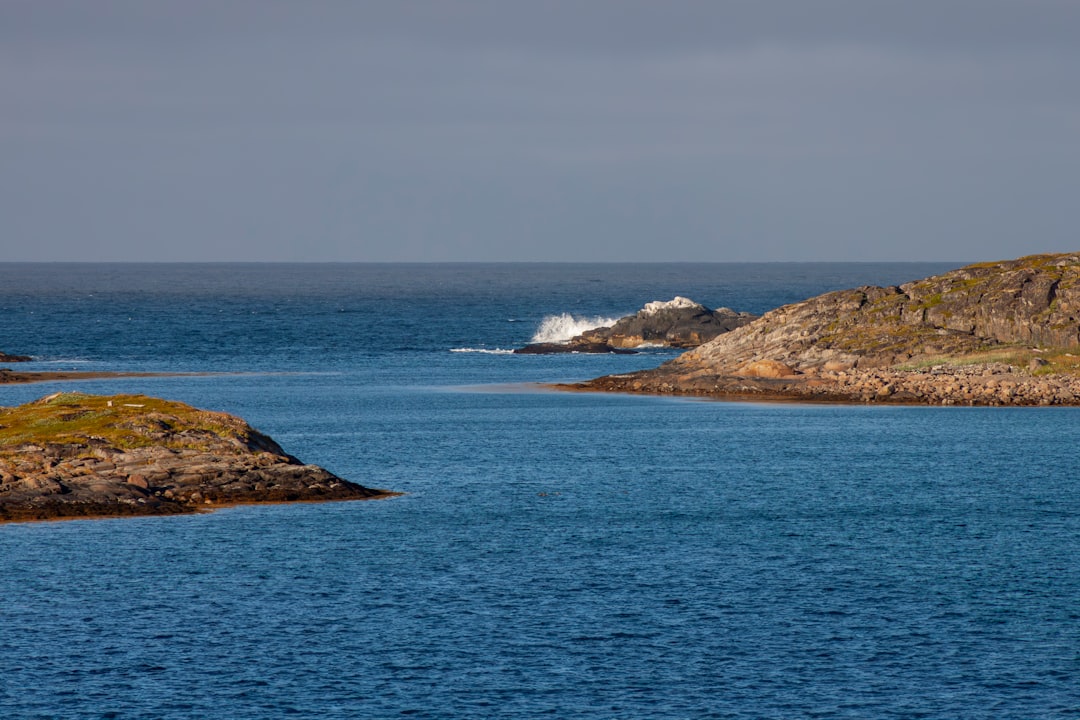
The Barents Sea, situated in the Arctic Ocean, north of Norway and Russia, is a region characterized by extreme climatic conditions. Its proximity to the Arctic Circle means it experiences prolonged periods of darkness during winter and extended daylight in summer. The presence of sea ice, albeit variable, is a significant environmental factor that influences operations.
Geographic and Geological Context
The Barents Sea is a relatively shallow shelf sea, with depths typically ranging from 100 to 500 meters. Geologically, it is a passive continental margin, and its sedimentary basins hold significant hydrocarbon potential. These basins have accumulated vast quantities of organic material that, under the right geological conditions, have transformed into oil and gas deposits.
Climatic Extremes and Their Impact on Operations
The climate of the Barents Sea is a formidable adversary. Average winter temperatures can plunge well below freezing, leading to the formation of sea ice. This ice can range from thin, navigable ice to thick, multi-year ice, posing significant risks to offshore infrastructure and vessels. High winds and rough seas are also common, further complicating logistical and operational challenges. The seasonal variability in daylight hours also affects visual operations and survey work.
Marine Life and Ecological Considerations
The Barents Sea is a biodiversity hotspot, supporting a rich marine ecosystem. It is a crucial feeding and breeding ground for various species of fish, seabirds, and marine mammals, including whales and seals. Exploration activities must be conducted with a keen awareness of these ecological sensitivities to minimize environmental impact and ensure sustainable resource development.
Recent discussions surrounding Barents Sea oil exploration have highlighted the significance of drilling windows in optimizing extraction efforts. A related article that delves deeper into the implications of these drilling windows can be found at MyGeoQuest. This resource provides valuable insights into the environmental considerations and regulatory frameworks that shape drilling activities in this ecologically sensitive region.
Defining Drilling Windows in the Barents Sea
A drilling window, in the context of Barents Sea oil exploration, refers to a specific period of time when conditions are most favorable for safe and efficient drilling operations. These windows are dictated by a confluence of environmental factors, logistical constraints, and regulatory requirements. Missing these windows can lead to significant delays and increased costs.
Environmental Thresholds for Safe Operations
The primary drivers of drilling windows are environmental thresholds. These include:
Sea Ice Conditions
The presence and movement of sea ice are perhaps the most critical factors. Operations are typically restricted during periods of heavy or unpredictable ice cover.
Ice Surveillance and Forecasting
Advanced ice surveillance systems, utilizing satellite imagery, aerial reconnaissance, and on-site observations, are essential for forecasting ice conditions. Mathematical models predict ice drift, thickness, and concentration, providing crucial data for operational planning.
Ice Management and Mitigation Strategies
When operations are permitted in areas with some ice presence, robust ice management strategies are employed. This may involve icebreaker support to clear paths, deployment of ice fenders on platforms, and contingency plans for ice recession.
Weather Conditions
Severe weather, characterized by high winds and significant wave heights, can halt drilling operations.
Wave Height Limitations
Drilling rigs and vessels have operational limits for wave height. Exceeding these limits can compromise the stability of the equipment and the safety of personnel.
Wind Speed Restrictions
Strong winds can also pose a significant risk, affecting the stability of cranes, lifting operations, and the overall integrity of the drilling structure.
Visibility and Fog
Reduced visibility due to fog or snow can also limit certain operations, particularly those involving vessel transfers and helicopter movements.
Seasonal Daylight Availability
The prolonged periods of darkness in winter can impact visual operations and the efficiency of certain tasks. While artificial lighting is extensively used, there are benefits to operating during periods of natural daylight.
Logistical and Supply Chain Considerations
The remoteness of the Barents Sea imposes significant logistical challenges, which in turn influence drilling windows.
Vessel Mobilization and Demobilization
The movement of drilling rigs, supply vessels, and personnel is a complex undertaking. The timing of these movements is often dictated by favorable weather and ice conditions.
Long Transit Times
Reaching operational sites in the Barents Sea can involve long transit times, requiring careful scheduling to align with the optimal drilling periods.
Availability of Specialized Vessels
The Barents Sea requires specialized vessels equipped to handle harsh conditions, such as ice-class supply ships and heavy-lift vessels. The availability of these vessels can also influence scheduling.
Supply and Resupply Chains
Maintaining a continuous supply of equipment, materials, and provisions is crucial for uninterrupted operations.
Frequency of Resupply Runs
The frequency of resupply runs is influenced by weather and ice, as interruptions can lead to shortages and operational downtime.
Port Operations in Sub-Zero Temperatures
Ports supporting Barents Sea operations may also face challenges with freezing temperatures, affecting cargo handling and vessel movements.
Regulatory Framework and Permitting
Governmental regulations and permitting processes also play a role in defining when exploration activities can commence and proceed.
Environmental Impact Assessments (EIAs)
Comprehensive EIAs are required before any exploration activity can begin. These assessments identify potential environmental risks and outline mitigation measures.
Seasonal Restrictions in Permitting
Permits may sometimes include seasonal restrictions to protect vulnerable marine life during critical periods, such as breeding seasons.
Safety Regulations
Strict safety regulations are in place for offshore operations in the Arctic. Compliance with these regulations often dictates operational procedures and acceptable risk levels.
Maximizing Utilization of Drilling Windows

Once the parameters of a drilling window are understood, the focus shifts to maximizing its utility. This involves meticulous planning, advanced technology, and efficient operational execution.
Advanced Weather and Ice Forecasting Technologies
The accuracy and lead time of weather and ice forecasts are critical for proactive planning.
Predictive Modeling and Data Assimilation
Sophisticated numerical models are used to forecast ice drift, concentration, and thickness, as well as wave heights and wind speeds. These models are constantly refined through data assimilation from various sources.
Real-time Data Integration
Real-time data from sensors on offshore installations, vessels, and buoys are integrated into forecasting models to provide the most up-to-date predictions.
Satellite and Remote Sensing Capabilities
Satellite imagery provides broad-scale monitoring of ice cover and ocean conditions. Synthetic aperture radar (SAR) is particularly valuable for penetrating clouds and darkness, offering consistent ice monitoring.
Technological Innovations in Drilling Equipment
Developments in drilling technology are designed to withstand and operate effectively in challenging Arctic environments.
Arctic-Rated Drilling Rigs and Vessels
Drilling rigs and vessels operating in the Barents Sea are designed to meet stringent Arctic standards. This includes reinforced hulls, specialized propulsion systems, and ice-strengthening features.
Sub-Ice Drilling Capabilities
While less common for initial exploration, research is ongoing into sub-ice drilling technologies that could potentially reduce reliance on specific surface conditions.
Automation and Remote Operation
Increasing automation and remote operation capabilities reduce the need for personnel to be exposed to the most extreme conditions and can enhance efficiency within defined windows.
Optimized Operational Planning and Execution
Efficient planning and execution are the bedrock of successful drilling campaigns within tight windows.
Integrated Operations Centers
Centralized operations centers integrate data from all aspects of the exploration campaign, allowing for real-time decision-making and rapid response to changing conditions.
Decision Support Systems
These centers often employ advanced decision support systems that analyze forecast data and operational status to recommend optimal courses of action.
Parallel Operations and Phased Approaches
Where feasible, operations are designed to run in parallel or in phases to make the best use of available time within a drilling window.
Multitasking Supply Vessels
Supply vessels are often utilized for multiple tasks, such as crew changes, equipment delivery, and waste removal, to maximize efficiency during transit.
Contingency Planning and Risk Management
Robust contingency plans are developed to address potential disruptions caused by unforeseen environmental events or technical issues.
“Go/No-Go” Decision Points
Clear “go/no-go” decision points are established based on predefined environmental and operational criteria.
Impact of Drilling Windows on Exploration Economics
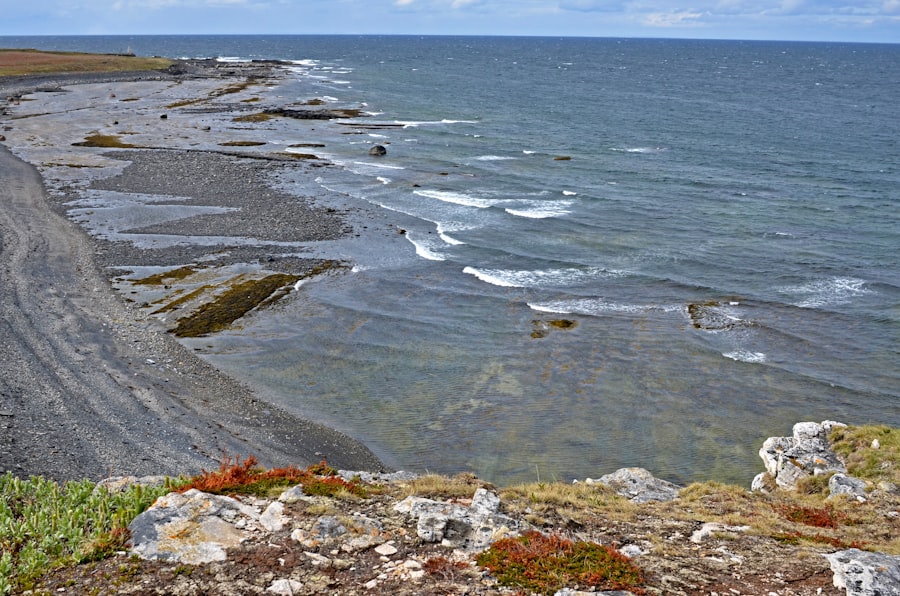
The concept of drilling windows has a profound impact on the economic viability of Barents Sea oil exploration. Missed windows translate directly into increased costs and delayed revenue generation.
Cost Implications of Delays and Extended Operations
The cost of operating in the Barents Sea is exceptionally high due to the specialized equipment, logistics, and safety measures required.
Day Rates for Drilling Rigs and Vessels
Drilling rigs and specialized vessels command high day rates. Any extended downtime due to weather or ice directly escalates these costs.
Mobilization and Demobilization Expenses
The cost of mobilizing and demobilizing these assets, often involving long transits, is also a significant factor that must be accounted for within the operational period.
Overhead and Personnel Costs
Maintaining a large workforce in a remote and challenging environment incurs substantial overhead and personnel costs. Delays mean these costs continue to accrue without generating revenue.
Influence on Investment Decisions and Risk Assessment
The predictability and length of drilling windows are critical factors in investment decisions.
Project Timelines and Return on Investment (ROI)
Exploration companies must project realistic timelines for their drilling campaigns, which are heavily influenced by the available drilling windows. Delays can significantly impact the projected ROI.
Risk Premiums for Arctic Exploration
The inherent uncertainties associated with Arctic operations, including the unpredictable nature of drilling windows, can lead investors to demand higher risk premiums.
Portfolio Management and Resource Allocation
Understanding the nuances of drilling windows allows companies to optimize their exploration portfolios by allocating resources to areas with the most favorable operational periods.
Strategic Importance of Accurate Window Assessment
Accurate assessment of drilling windows is not merely a logistical exercise; it is a strategic imperative.
Competitive Advantage
Companies that can reliably predict and exploit drilling windows gain a competitive advantage by minimizing costs and maximizing operational efficiency.
First Mover Advantage in Favorable Periods
Being able to commence drilling as soon as a favorable window opens can provide a first mover advantage in evaluating the hydrocarbon potential of a prospect.
Long-Term Sustainability of Operations
Effective management of drilling windows contributes to the long-term sustainability of exploration activities by ensuring operational efficiency and cost-effectiveness.
Recent discussions around Barents Sea oil exploration have highlighted the importance of understanding drilling windows, which are critical for optimizing extraction efforts while minimizing environmental impact. For a deeper insight into the complexities of this issue, you can refer to a related article that explores various factors influencing these drilling windows. This article provides valuable information on the seasonal variations and regulatory considerations that affect exploration activities in this region. To read more about it, click on this link.
Future Trends and Challenges in Barents Sea Drilling
| Parameter | Value | Unit | Notes |
|---|---|---|---|
| Exploration Drilling Season | June 1 – October 31 | Dates | Optimal window due to ice and weather conditions |
| Average Sea Ice Coverage | 5-15% | Percent | Lowest during summer months |
| Average Wave Height | 1.5 – 3.0 | meters | Typical during drilling window |
| Average Air Temperature | 0 to 10 | °C | Summer months |
| Daylight Hours | 20 – 24 | hours/day | Midnight sun effect in summer |
| Environmental Restrictions | Strict | Qualitative | Protected species and habitats monitored |
| Maximum Drilling Depth | 3500 | meters | Typical for Barents Sea wells |
| Permitted Drilling Hours | 24/7 | hours | During drilling window |
The landscape of Barents Sea oil exploration is constantly evolving, with new technologies and environmental considerations shaping future operations.
Advancements in Ice-Resistant Technologies
The ongoing development of more robust and efficient ice-resistant technologies will continue to expand operational capabilities.
Improved Ice Prediction and Monitoring Systems
Further refinements in ice prediction models and the use of artificial intelligence for data analysis will lead to more accurate and timely forecasts, essentially widening or extending the predictable margins of drilling windows.
Autonomous Ice Monitoring Platforms
The potential deployment of autonomous underwater vehicles (AUVs) and unmanned aerial vehicles (UAVs) for continuous ice monitoring could provide unprecedented data streams.
More Advanced Ice Management Vessels
The design and capabilities of ice management vessels are continuously improving, allowing for more effective intervention in challenging ice conditions.
Digitalization and Data Analytics
The increasing adoption of digitalization and advanced data analytics will revolutionize how drilling windows are understood and utilized.
Predictive Maintenance and Operational Optimization
Leveraging real-time data and AI-driven analytics for predictive maintenance on drilling equipment can minimize unexpected downtime. Similarly, these tools can optimize operational parameters within a drilling window.
Integrated Digital Twins of Operations
Creating comprehensive digital twins of exploration assets and operations allows for sophisticated simulation and scenario planning to maximize efficiency.
Environmental Stewardship and Decarbonization Efforts
As the world moves towards a lower-carbon future, environmental stewardship and decarbonization are becoming increasingly critical considerations.
Reduced Environmental Footprint of Operations
Exploration companies are under pressure to reduce the environmental footprint of their operations. This includes minimizing emissions from vessels and platforms and improving waste management.
Innovations in Low-Emission Technologies
The development and implementation of low-emission technologies in offshore drilling, such as hybrid power systems and alternative fuels, will be crucial.
The Role of Natural Gas as a Transition Fuel
While the broader energy transition is underway, natural gas, often found in Barents Sea reservoirs, may play a role as a transition fuel. However, the long-term viability of such exploration remains dependent on evolving market demands and climate policies.
Sustainable Extraction Practices
Ensuring that any extraction of these resources is conducted with the highest standards of environmental protection will be paramount to maintaining social license to operate.
Geopolitical Considerations and Regulatory Evolution
The Barents Sea is a region with significant geopolitical implications. Evolving regulations and international agreements will continue to shape exploration activities.
Cross-Border Cooperation and Regulation Harmonization
Cooperation between bordering nations on issues like environmental protection and search and rescue can streamline operations and enhance safety. Harmonizing regulatory frameworks can reduce administrative burdens.
Arctic Council Initiatives
The Arctic Council, an intergovernmental forum, plays a significant role in promoting cooperation and developing common approaches to environmental protection and sustainable development in the Arctic.
Public Perception and Social License to Operate
Public perception and the ability to maintain a social license to operate will be increasingly important for any resource development in sensitive Arctic environments. Transparency and community engagement will be key.
In conclusion, optimizing Barents Sea oil exploration through a deep understanding and strategic exploitation of drilling windows is a complex, data-driven endeavor. It requires a masterful blend of technological innovation, meticulous planning, and a constant awareness of the formidable Arctic environment. As the industry evolves, so too will the strategies employed to navigate these icy challenges, ensuring that exploration efforts are not only efficient and cost-effective but also environmentally responsible.
FAQs
What is the Barents Sea oil exploration drilling window?
The Barents Sea oil exploration drilling window refers to the specific time period during the year when weather and ice conditions are favorable for safe and efficient drilling operations in the Barents Sea region.
Why are drilling windows important in the Barents Sea?
Drilling windows are crucial because the Barents Sea experiences harsh Arctic conditions, including extreme cold, ice cover, and storms. Operating within the drilling window minimizes risks to personnel, equipment, and the environment.
When does the typical drilling window occur in the Barents Sea?
The drilling window in the Barents Sea generally occurs during the summer and early autumn months, roughly from June to October, when ice coverage is at its lowest and weather conditions are more stable.
How do environmental factors affect the drilling window in the Barents Sea?
Environmental factors such as sea ice extent, temperature, daylight hours, and storm frequency directly influence the length and timing of the drilling window. Changes in these factors can shorten or extend the period suitable for drilling.
What measures are taken to ensure safe drilling during the Barents Sea drilling window?
Operators implement rigorous safety protocols, use ice-resistant drilling technology, conduct continuous weather and ice monitoring, and plan logistics carefully to ensure safe drilling activities within the designated window.