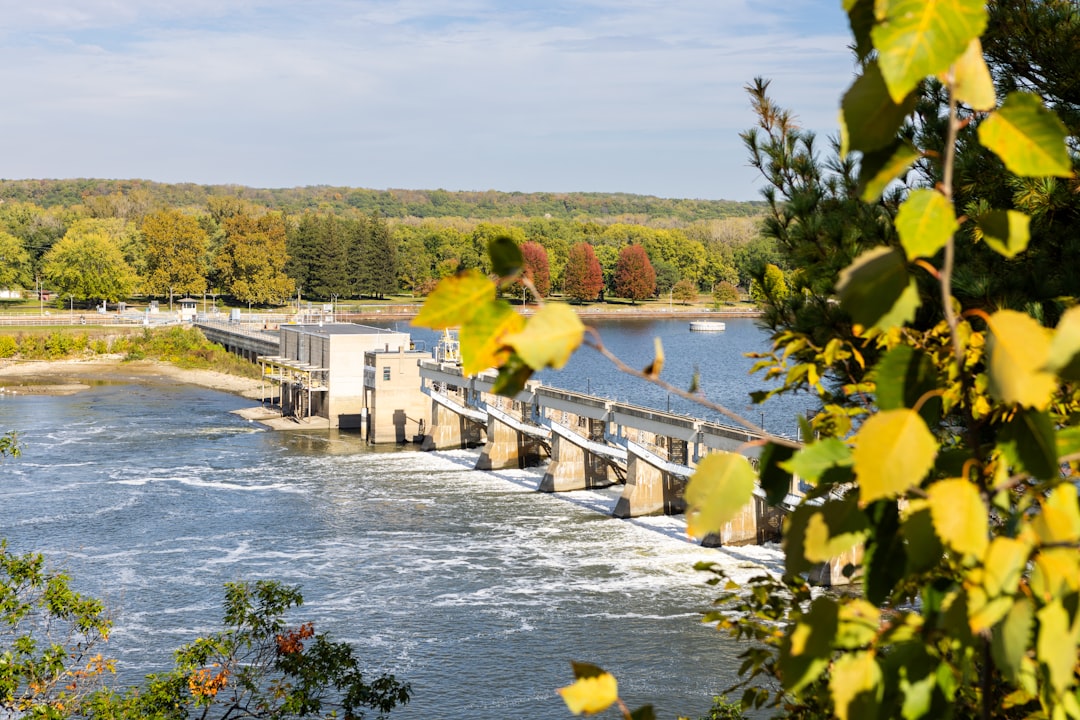
The failure of the old river control structure sill represents a significant event in the management and ecological health of the river system it served. A river control structure, often a complex engineering feat, aims to regulate water flow, maintain navigation depths, or manage flood levels. The sill, typically a submerged or partially submerged barrier within such a structure, is a critical component. Its failure, therefore, can have cascading effects, impacting water levels, sediment transport, habitat, and the functionality of the entire control system. This article will delve into the nature of the old river control structure sill failure, exploring its causes, consequences, and the implications for riverine ecosystems and management practices.
Before examining the failure, it is essential to understand the fundamental elements of the structure itself. River control structures are designed to influence the hydraulic behavior of a river. They are not monolithic entities but rather intricate assemblies of various components, each with a specific purpose.
The Purpose of River Control Structures
- Flow Regulation: The primary function is often to control the volume and speed of water. This can involve increasing or decreasing flow rates to meet demands for irrigation, hydropower generation, or municipal water supply.
- Navigation Enhancement: In navigable waterways, these structures are crucial for maintaining a consistent depth of water, allowing commercial and recreational vessels to pass safely and efficiently. Canals, locks, and dams are common examples of structures serving this purpose.
- Flood Mitigation: Conversely, some structures are designed to divert or store excess water during periods of heavy rainfall or snowmelt, thereby protecting downstream communities from inundation.
- Sediment Management: Structures can also be employed to control the movement of sediment, preventing excessive siltation in navigation channels or at water intakes.
The Integral Role of the Sill
Within the broader context of a river control structure, the sill is a particularly crucial, though often understated, element. Its design and integrity are paramount to the structure’s overall performance.
Defining the Sill’s Function
- Maintaining Minimum Water Levels: In many structures, particularly those designed for navigation or water supply, the sill acts as a foundational element that effectively raises the riverbed downstream of it. This raised level creates a pool upstream, ensuring a minimum depth of water essential for navigation or for drawing water.
- Controlling Downstream Flow: The sill influences the rate at which water flows over or through the structure. Its height and shape dictate the spillway characteristics, affecting how quickly excess water is released.
- Stabilizing Upstream Water Surface: By preventing water from draining away too rapidly, the sill helps to maintain a stable water surface elevation upstream of the structure. This is vital for the consistent operation of associated infrastructure.
- Sediment Trapping: In some configurations, the sill can act as a baffle for sediment, encouraging deposition in the upstream pool rather than allowing it to pass downstream and potentially cause issues.
Types of River Control Structures
The specific design and associated sill can vary significantly depending on the river and the intended purpose.
Dams
- Purpose: Primarily for impounding large volumes of water, often for hydropower, water supply, or flood control.
- Sill Configuration: The sill in a dam context is typically integrated into the foundation or spillway, dictating the minimum water level in the reservoir or controlling overflow during flood events.
Weirs
- Purpose: Simpler structures, often crestgates or fixed barriers, designed to raise water levels for diversion or abstraction.
- Sill Configuration: The sill of a weir is often the crest of the weir itself, over which water flows. Its height is directly responsible for the upstream water level.
Navigation Locks
- Purpose: To allow vessels to transit between different water levels along a river or canal.
- Sill Configuration: Locks have both an upstream and downstream sill, often referred to as the “gate sill” or “bottom sill.” These are the foundations upon which the lock gates rest and are critical for maintaining the water seal when the gates are closed. A failure in a lock sill can lead to catastrophic loss of water from the chamber.
The recent discussions surrounding the old river control structure low sill failure have highlighted the importance of understanding the potential risks associated with aging infrastructure. For a deeper insight into this issue, you can refer to the article that explores the implications of such failures on local ecosystems and flood management strategies. To read more, visit this link: Related Article on River Control Structures.
The Anatomy of Failure: Catastrophic Events and Contributing Factors
The failure of an old river control structure sill is rarely a sudden, inexplicable event. It is typically the culmination of various stresses, material degradation, and design limitations that, over time, compromise the structural integrity. When a sill within a river control structure fails, it’s like the foundation of a house succumbing to persistent rot – the entire edifice is jeopardized.
Triggers for Sill Failure
Several factors can initiate or accelerate the process leading to a sill’s collapse.
Erosion and Scouring
- Localized Scour: High-velocity water, particularly around the base of the sill or in areas where debris accumulates, can erode the riverbed material beneath and around the structure. This undercutting is a primary cause of structural instability. Imagine water as a relentless sculptor, slowly but surely carving away at the base of the sill.
- Progressive Scour: Over time, even moderate flows can contribute to significant material loss if not adequately managed or if protective measures are absent or have deteriorated.
Material Degradation and Aging
- Concrete Spalling and Deterioration: Many older structures are constructed from concrete. Over decades, freeze-thaw cycles, chemical reactions within the concrete (like alkali-silica reaction), and the ingress of water can lead to spalling, cracking, and a general loss of strength.
- Corrosion of Reinforcement: Steel reinforcing bars (rebar) within concrete can corrode, expanding and causing the surrounding concrete to crack and break away. This weakens the entire structural element.
- Wood Rot and Insect Damage: Structures built with timber components are susceptible to rot, insect infestation, and general decay, leading to a loss of load-bearing capacity.
Structural Overload and Design Limitations
- Increased Hydraulic Loads: Changes in river flow regimes due to climate change (more intense floods or prolonged droughts) or upstream land-use changes can subject older structures to hydraulic forces they were not originally designed to withstand.
- Sediment Accumulation: A build-up of sediment can alter flow patterns and increase pressure on the sill, potentially leading to failure.
- Cumulative Fatigue: Repeated stress cycles from fluctuating water levels and traffic loads (in navigable rivers) can lead to material fatigue, weakening the structure over time.
Mechanisms of Sill Failure
The actual collapse of the sill can manifest in various ways, each with distinct consequences.
Undermining and Undercutting
- Loss of Bearing Capacity: When the material beneath the sill is eroded, the sill loses its support. This can lead to a tilting or complete collapse of the structure.
- Hydraulic Jacking: In some instances, water can penetrate cracks and voids within the sill or beneath it, creating pressure that can lift and dislodge sections of the structure.
Material Fracture and Collapse
- Shear Failure: If the forces acting on the sill exceed its tensile or shear strength, it can fracture and break apart.
- Buckling: Underlying support structures, especially those made of metal or wood, can buckle under excessive load, leading to the failure of the sill they support.
Foundation Settlement
- Differential Settlement: If the ground beneath parts of the sill settles more than others, it can create uneven stresses that lead to cracking and eventual failure.
The Ripple Effect: Consequences of Sill Failure
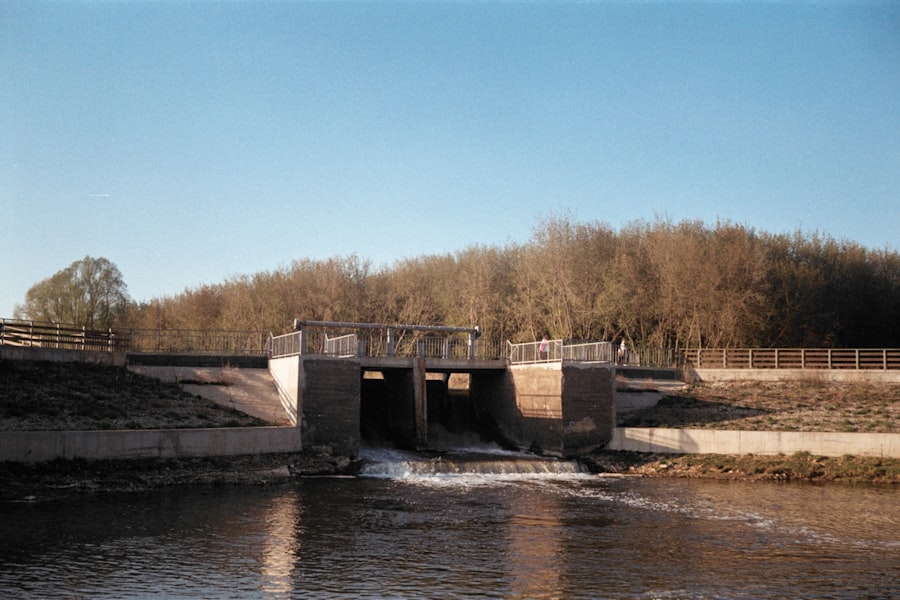
The failure of a river control structure sill is not an isolated incident confined to the structure itself. It sends ripples through the entire river system, affecting a multitude of environmental and human-made elements. The consequences are often far-reaching and can persist for extended periods.
Environmental Impacts
The ecological balance of a river is delicately maintained by its physical characteristics and flow regimes. A failed sill can disrupt this balance in profound ways.
Altered Hydrology and Water Levels
- Loss of Upstream Water Levels: The most immediate and significant impact is often the rapid drop in water levels upstream of the failed structure. This can effectively drain the impounded pool, altering the river’s shape and connectivity.
- Increased Downstream Flow: Conversely, water that was previously held back will now flow unimpeded, leading to potentially higher flows downstream, which can exacerbate erosion and flooding in those areas.
- Changes in Flow Velocity: The natural gradient of the river is restored or altered, leading to changes in water velocity. This can impact sediment transport and the riverbed morphology.
Sediment Dynamics and Riverbed Alteration
- Release of Stored Sediment: Years, or even decades, of sediment accumulation behind the control structure can be suddenly released downstream. This can smother habitats, clog navigation channels, and degrade water quality. Imagine a dam holding back not just water, but a mountain of accumulated silt, which is suddenly unleashed.
- Increased Downstream Erosion: The sudden increase in flow and potential sediment load can accelerate erosion of the downstream riverbed and banks, leading to channel widening and habitat loss.
Habitat Degradation and Biodiversity Loss
- Loss of Aquatic Habitats: The drying out of upstream areas can lead to the desiccation and death of fish, amphibians, and aquatic invertebrates. Spawning grounds can be destroyed, and entire food webs disrupted.
- Impact on Riparian Zones: Areas adjacent to the river, known as riparian zones, depend on consistent water levels. Their vegetation can suffer from drought or inundation, impacting the wildlife that relies on them.
- Disruption of Fish Migration: If the control structure was designed to facilitate fish passage (e.g., with fish ladders), its failure can create impassable barriers or alter migration routes.
Socio-Economic Impacts
The human communities that rely on or are impacted by the river also face significant challenges when a control structure fails.
Navigation and Transportation Disruptions
- Impassable Waterways: The loss of a navigation pool can make sections of the river impassable for commercial shipping and recreational boating. This can lead to significant economic losses for industries that rely on waterborne transport.
- Increased Travel Times and Costs: Vessels may need to find alternative routes or face longer travel times, increasing operational costs.
Water Supply and Resource Management Issues
- Reduced Water Availability: For communities or agricultural operations that rely on water drawn from the upstream pool, a failure can lead to severe water shortages.
- Impacts on Hydropower Generation: If the structure was associated with hydropower, the loss of the impounded water can halt or significantly reduce electricity generation, impacting power grids.
Flood Risk and Damage
- Increased Downstream Flood Risk: As mentioned, the uncontrolled release of water can exacerbate downstream flood risks, potentially causing damage to property and infrastructure.
- Loss of Flood Control Capacity: If the structure also served a flood control function, its failure eliminates that protective capacity, leaving downstream areas vulnerable.
Costs of Repair and Restoration
- Emergency Response and Stabilization: Immediate efforts are often required to stabilize the remaining structure and prevent further uncontrolled releases.
- Long-Term Reconstruction: The cost of repairing or rebuilding a significant river control structure can be astronomical, running into millions or even billions of dollars. This includes engineering design, material procurement, and construction labor.
Investigating the Roots: Forensic Analysis and Root Cause Identification
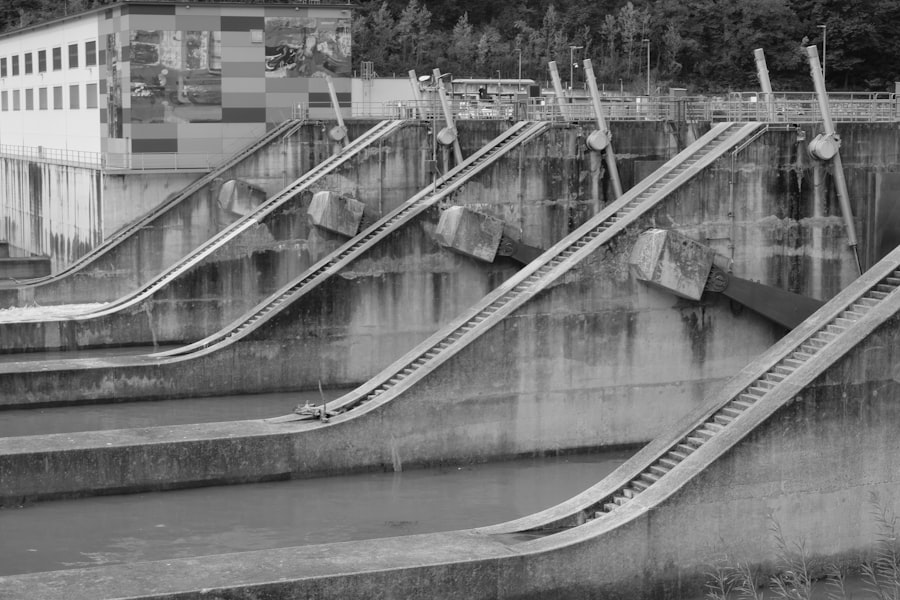
When a structure like an old river control sill fails, a detailed investigation is crucial. This process, akin to a detective meticulously piecing together clues at a crime scene, aims to uncover the precise sequence of events and the underlying causes. The goal is not to assign blame but to understand how and why the failure occurred to prevent future occurrences.
Methods of Investigation
A multidisciplinary approach is usually employed, drawing on expertise from various engineering and scientific fields.
Structural Inspections and Assessments
- Visual Inspections: Thorough visual examinations of the remaining structure, the surrounding riverbed, and upstream/downstream areas are conducted. This involves looking for cracks, spalling, erosion patterns, and any anomalies.
- Non-Destructive Testing (NDT): Techniques like ultrasonic testing, ground-penetrating radar, and magnetic particle inspection can be used to assess the internal condition of concrete and metal components without causing damage.
- Material Sampling and Laboratory Analysis: Samples of concrete, steel, and foundation materials are collected and sent to laboratories for testing to determine their strength, composition, and signs of degradation.
Hydraulic and Hydrological Analysis
- Flow Data Review: Analysis of historical and real-time river flow data is crucial to understand the hydraulic forces acting on the structure. This includes examining flood events, prolonged low flows, and any changes in flow patterns.
- Scour Analysis: Sophisticated computer modeling is often used to simulate erosion patterns around the structure and determine if scour played a significant role in the failure. This can involve analyzing the riverbed bathymetry before and after the event.
Geotechnical Investigations
- Soil Borings and Testing: To understand the stability of the foundation, geotechnical engineers will take samples of the soil and rock beneath and around the sill and conduct tests to determine its bearing capacity and composition.
- Seepage Analysis: Investigating pathways for water to flow through or under the structure is critical, as excessive seepage can lead to internal erosion and loss of support.
Identifying Root Causes
The investigation aims to pinpoint the fundamental reasons behind the failure, moving beyond the immediate triggers.
Design Deficiencies
- Inadequate Design Factors: The original design may have incorporated insufficient safety margins or failed to account for specific hydraulic or geological conditions.
- Outdated Design Standards: Engineering standards and knowledge evolve. An older structure, built to earlier codes, might not meet current safety requirements.
Construction Imperfections
- Poor Quality Materials: Substandard materials used during construction can compromise the long-term durability of the structure.
- Execution Errors: Deficiencies in the construction process, such as improper concrete mixing or inadequate compaction of foundation materials, can create inherent weaknesses.
Maintenance and Operational Deficiencies
- Lack of Regular Inspections: Failing to conduct regular inspections means that minor issues can go unnoticed and escalate into major problems.
- Insufficient Maintenance Practices: A lack of proactive maintenance, such as repairing minor cracks, clearing debris, or reinforcing eroding areas, can allow degradation to progress unchecked.
- Operational Mismanagement: Incorrect operation of associated gates or spillways can place undue stress on the sill.
Environmental Factors
- Unforeseen Environmental Changes: Climate change can introduce extreme weather events or altered hydrological cycles that the original design could not have predicted.
- Geological Instability: Natural geological shifts or seismic activity, if not adequately accounted for in the design, can compromise structural integrity.
The recent concerns surrounding the old river control structure’s low sill failure have prompted discussions about the implications for local ecosystems and flood management. For a deeper understanding of the challenges faced by such structures, you can explore a related article that delves into the engineering aspects and potential solutions. This resource provides valuable insights into the complexities of maintaining river control systems and their impact on surrounding communities. To read more about this topic, visit this article.
The Path Forward: Remediation, Reconstruction, and Future Prevention
| Metric | Value | Unit | Description |
|---|---|---|---|
| Failure Date | 1973 | Year | Year when the low sill failure occurred |
| Maximum Flow Rate | 250,000 | cfs (cubic feet per second) | Peak flow through the Old River Control Structure during failure |
| Duration of Failure | 3 | Days | Length of time the low sill was compromised |
| Water Level Increase | 5 | feet | Rise in water level upstream due to failure |
| Repair Time | 30 | Days | Time taken to restore full functionality |
| Structural Damage | Moderate | N/A | Extent of damage to the control structure |
| Impact on Mississippi River Flow | 10% | Percent | Reduction in flow diverted from Mississippi River to Atchafalaya River |
The failure of an old river control structure sill necessitates a comprehensive response. This involves not only addressing the immediate damage but also learning from the event to prevent similar failures in the future. The process is a testament to human ingenuity in the face of engineering challenges.
Immediate Remedial Actions
Once a failure occurs, the priority is to stabilize the situation and mitigate immediate risks.
Emergency Stabilization
- Temporary Barriers and Diversions: Construction of temporary barriers or diversion channels to control water flow and prevent further damage or uncontrolled releases.
- Debris Removal: Clearing any accumulated debris that could exacerbate erosion or pose a hazard.
- Structural Reinforcement: Implementing temporary measures to support any remaining compromised sections of the structure.
Environmental Mitigation
- Sediment Control: Implementing measures to manage the downstream release of accumulated sediment, such as settling ponds or controlled flushing.
- Habitat Restoration Planning: Initiating plans for the restoration of damaged aquatic and riparian habitats.
Long-Term Solutions: Repair vs. Replacement
The decision to repair or replace a failed structure is a complex one, involving technical, economic, and environmental considerations.
Repair and Rehabilitation Options
- Patching and Grouting: Repairing cracks and voids in concrete structures with specialized materials.
- Reinforcement and Strengthening: Adding new structural elements or reinforcing existing ones to improve load-bearing capacity.
- Scour Protection: Implementing engineered solutions to prevent future erosion, such as riprap, concrete aprons, or grout curtains.
Full Replacement
- New Design and Construction: In cases of severe damage or when an outdated design is deemed inadequate, complete demolition and reconstruction may be the most viable option.
- Modernization and Upgrades: Replacement offers an opportunity to incorporate modern engineering techniques, improved materials, and enhanced functionality, such as improved fish passage or more efficient water management.
Strategies for Future Prevention
Learning from past failures is paramount to ensuring the longevity and reliability of river control infrastructure.
Enhanced Monitoring and Maintenance Programs
- Regular Inspections and Audits: Implementing rigorous schedules for visual and technical inspections to identify potential issues early.
- Advanced Monitoring Technologies: Utilizing sensors, drones, and remote sensing technologies to continuously monitor structural health and hydraulic conditions.
- Proactive Maintenance: Establishing a culture of proactive maintenance where minor repairs are addressed promptly before they escalate.
Adapting to Changing Environmental Conditions
- Climate Change Resilience: Designing new structures and retrofitting existing ones to withstand projected changes in precipitation, flood frequency, and intensity, and sea-level rise.
- Environmental Impact Assessments: Conducting thorough environmental impact assessments for all new construction and significant repairs.
Innovation in Design and Materials
- Sustainable Engineering Practices: Exploring the use of sustainable and resilient materials in construction and repair.
- Advanced Modeling and Simulation: Utilizing sophisticated modeling tools to predict the behavior of structures under various conditions and optimize designs.
The failure of the old river control structure sill serves as a stark reminder of the forces of nature and the inevitable march of time on even the most robust of human creations. It underscores the importance of vigilant oversight, continuous learning, and a commitment to adapting engineering practices to meet the evolving challenges of river management and environmental stewardship. By meticulously investigating the past, we can better secure the future of our vital river systems.
WATCH NOW ▶️ SHOCKING: Mississippi: The $12 Trillion Lie Revealed
FAQs
What is the Old River Control Structure?
The Old River Control Structure is a complex of floodgates and control mechanisms located on the Mississippi River in Louisiana. It was built to regulate the flow of water between the Mississippi River and the Atchafalaya River, preventing the Mississippi from changing its course.
Why is the Old River Control Structure important?
The structure is crucial for managing water flow and preventing the Mississippi River from diverting its main channel into the Atchafalaya River. This control protects major cities, industries, and navigation routes along the Mississippi River.
What does “low sill failure” mean in the context of the Old River Control Structure?
Low sill failure refers to the potential or actual failure of the lower part (sill) of the control structure, which could lead to uncontrolled water flow. Such a failure might compromise the structure’s ability to regulate river flow and increase the risk of flooding or river course changes.
What are the potential consequences of a low sill failure at the Old River Control Structure?
A low sill failure could result in a significant increase in water flow into the Atchafalaya River, potentially causing flooding, damage to infrastructure, disruption of navigation, and ecological impacts. It could also lead to the Mississippi River changing its course, which would have widespread economic and environmental effects.
How is the Old River Control Structure maintained to prevent failures?
The U.S. Army Corps of Engineers regularly inspects, maintains, and upgrades the Old River Control Structure. This includes monitoring structural integrity, reinforcing components, and managing water flow to reduce stress on the structure and prevent failures such as low sill failure.