
Oil refineries, often perceived as monolithic industrial complexes solely dedicated to fuel production, harbor a less-discussed but vital function: the significant output of agricultural sulfur. This sulfur, a byproduct of the crude oil refining process, transforms from an industrial waste product into a crucial nutrient for crops, a linchpin in soil health, and an essential component in modern agriculture. Understanding this symbiotic relationship is key to appreciating the multifaceted role of refineries in the global food supply chain.
The journey of sulfur in refined products begins deep within the Earth, where crude oil has been formed over eons. Crude oil is not a pure substance; it is a complex mixture of hydrocarbons and various impurities, one of the most prevalent of which is sulfur. The concentration of sulfur can vary dramatically, from a few tenths of a percent to several percent by weight, depending on the geological origin of the crude. This sulfur is not merely an arbitrary contaminant; its presence is directly tied to the conditions under which the organic matter that formed crude oil was buried and transformed. Therefore, crudes originating from ancient marine environments, for instance, often carry a higher sulfur load.
The Unwanted Guest: Sulfur’s Impact on Refined Products
The presence of sulfur in crude oil presents a significant challenge for oil refineries. When fuels like gasoline, diesel, and jet fuel are burned, sulfur compounds react with oxygen to form sulfur dioxide (SO₂). This SO₂ is a major air pollutant, contributing to acid rain and respiratory problems. Environmental regulations worldwide have become increasingly stringent regarding the sulfur content of these fuels, compelling refineries to implement advanced processes to remove it. It is this imperative to purify fuels that inadvertently creates the supply of agricultural sulfur. Without the drive for cleaner fuels, the vast quantities of sulfur extracted would become an even larger disposal problem.
Desulfurization Technologies: The Engine of Sulfur Production
The primary technologies employed by refineries to remove sulfur are Hydrodesulfurization (HDS) and, in some cases, amine scrubbing for treating gaseous streams. Hydrodesulfurization is a catalytic process where crude oil fractions are reacted with hydrogen gas at high temperatures and pressures in the presence of specific catalysts, often based on molybdenum or cobalt. This reaction converts organic sulfur compounds into hydrogen sulfide (H₂S), a toxic and corrosive gas. The H₂S is then removed from the hydrocarbon streams. The resulting H₂S is the direct precursor to elemental sulfur, the form most beneficial for agricultural applications. Imagine these desulfurization units as sophisticated sieves, meticulously separating the unwanted sulfur from the valuable fuel components.
From Toxic Gas to Valuable Commodity: The Claus Process
The hydrogen sulfide (H₂S) generated during desulfurization cannot be released into the atmosphere due to its toxicity and foul odor. Therefore, refineries employ the Claus process to convert H₂S into elemental sulfur. This is a thermocatalytic process that typically involves two stages. In the first stage (thermal stage), H₂S is partially oxidized with air to produce SO₂ and water. The reaction is:
2 H₂S + 3 O₂ → 2 SO₂ + 2 H₂O
This reaction is highly exothermic. In the second stage (catalytic stage), the sulfur dioxide (SO₂) reacts with the remaining H₂S over a catalyst, usually alumina or titania, at elevated temperatures to produce elemental sulfur and water. The Claus reaction is:
2 H₂S + SO₂ ⇌ 3 S + 2 H₂O
This overall process is remarkably efficient, converting over 95% of the H₂S into elemental sulfur. The molten sulfur is then further purified and cooled into solid elemental sulfur, typically in the form of bright yellow pastilles or granules. This transformation of a toxic gas into a solid, stable, and agriculturally valuable product is a testament to chemical engineering prowess. The Claus process acts as an alchemist, turning a problematic waste into a beneficial resource.
Oil refineries play a crucial role in the production of agricultural sulfur, a vital nutrient for crop growth and soil health. By processing crude oil, these facilities can extract sulfur compounds that are then converted into various forms of sulfur fertilizers. For a deeper understanding of the relationship between oil refining and agricultural sulfur production, you can read the related article on this topic at My Geo Quest. This resource provides valuable insights into the processes involved and the importance of sulfur in modern agriculture.
Elemental Sulfur: The Agricultural Powerhouse
The elemental sulfur produced by refineries is a vital nutrient for plant life. While historically sulfur deficiency was less common, intensive agricultural practices, the use of pure fertilizers that lack sulfur, and reduced atmospheric deposition from cleaner industrial emissions have led to a growing need for sulfur supplementation in soils. Refineries, in their pursuit of cleaner fuels, have thus become an indispensable source for meeting this demand. This elemental sulfur is not the same as the sulfur compounds initially found in crude oil; it is a purer, more stable form that can be readily assimilated by plants or converted into plant-available forms in the soil.
Sulfur’s Multifaceted Role in Plant Physiology
Sulfur is a constituent of amino acids, the building blocks of proteins, and is therefore essential for enzyme activity and overall plant growth. It plays a critical role in the formation of chlorophyll, the green pigment responsible for photosynthesis. Without adequate sulfur, plants may exhibit stunted growth and yellowing of leaves, a condition known as chlorosis, particularly in younger foliage. Furthermore, sulfur is involved in the synthesis of vitamins and is crucial for the development of flavor and aroma compounds in many crops, such as onions and garlic. It also contributes to disease resistance and stress tolerance in plants. Think of sulfur as a silent architect in the plant’s cellular factory, contributing to the construction of proteins and the very machinery of life.
Soil Health and Microbial Activity: The Unseen Benefits
Beyond direct plant nutrition, sulfur significantly impacts soil health. Elemental sulfur applied to the soil is gradually oxidized by soil microorganisms into sulfate (SO₄²⁻), the primary form of sulfur that plants can absorb. This conversion process is facilitated by sulfur-oxidizing bacteria, which are abundant in healthy soils. The oxidation of elemental sulfur is an exothermic reaction, meaning it releases heat, which can be beneficial in cooler climates by slightly increasing soil temperature. Moreover, the process of sulfate formation can stimulate microbial activity, contributing to nutrient cycling and improving soil structure. This microbial conversion is like a natural fermentation process, unlocking the stored potential of elemental sulfur for the benefit of the soil ecosystem.
Enhancing Nutrient Uptake: The Synergistic Effect
Sulfate, the plant-available form of sulfur, also plays a role in the uptake of other essential nutrients. It competes with nitrate (NO₃⁻) for uptake by plant roots. This competition can sometimes lead to a more balanced assimilation of nitrogen, preventing excessive vegetative growth that can make plants more susceptible to disease. Sulfur is also involved in the activation of plant defense mechanisms, making them more resilient to pathogens and environmental stresses. The presence of adequate sulfur can therefore act as a catalyst for the efficient utilization of other plant nutrients, creating a more robust and productive crop.
The Journey from Refinery to Field: Processing and Application

The elemental sulfur produced at refineries undergoes further processing to make it suitable for agricultural use. While raw elemental sulfur can be applied directly, its effectiveness is often enhanced through grinding and formulation processes that increase its surface area and facilitate microbial oxidation. The careful preparation of this sulfur ensures its efficient delivery to the soil and subsequent transformation into plant-usable nutrients.
Micronization and Granulation: Tailoring for Efficacy
Finely ground or micronized elemental sulfur has a larger surface area, increasing the rate at which soil microbes can oxidize it into sulfate. This can be particularly important in cooler soils or when a quicker sulfur supply is needed. Alternatively, sulfur can be granulated or pelletized, often with binders or conditioners, to improve handling, reduce dust, and ensure even distribution. These granulated forms are compatible with standard fertilizer spreading equipment, making application straightforward for farmers. The choice of particle size and form is often dictated by soil type, climate, and the specific crop’s sulfur requirements. This deliberate tailoring of the sulfur product is crucial for maximizing its agricultural impact.
Fertiliser Blends and Direct Application: Diverse Integration
Agricultural sulfur can be incorporated into fertilizers in several ways. It can be blended with other nutrient fertilizers, such as nitrogen, phosphorus, and potassium, to provide a balanced nutrient package. This is a common practice, as many modern fertilizers are sulfur-free. In some cases, sulfur is chemically integrated into fertilizer compounds. Alternatively, elemental sulfur can be applied directly to the soil as a standalone product. The method of application can involve broadcasting, banding (placing fertilizer in a concentrated band near the seed), or incorporating it into the soil through tillage.
Optimizing Sulfur Management: A Precision Agriculture Approach
Effective use of agricultural sulfur, like any crop input, requires careful management. Soil testing is essential to determine existing sulfur levels and identify potential deficiencies. Climate also plays a role, as sulfur oxidation rates are higher in warmer, moist conditions. Crop type and yield potential are also factors in determining optimal sulfur application rates. Precision agriculture techniques, which utilize data on soil conditions, weather patterns, and crop health, can help farmers apply sulfur exactly where and when it is needed, minimizing waste and maximizing its benefit. This scientific approach ensures that the sulfur from the refinery is not just an input, but a precisely managed tool for crop productivity.
Economic and Environmental Considerations: A Dual Dividend
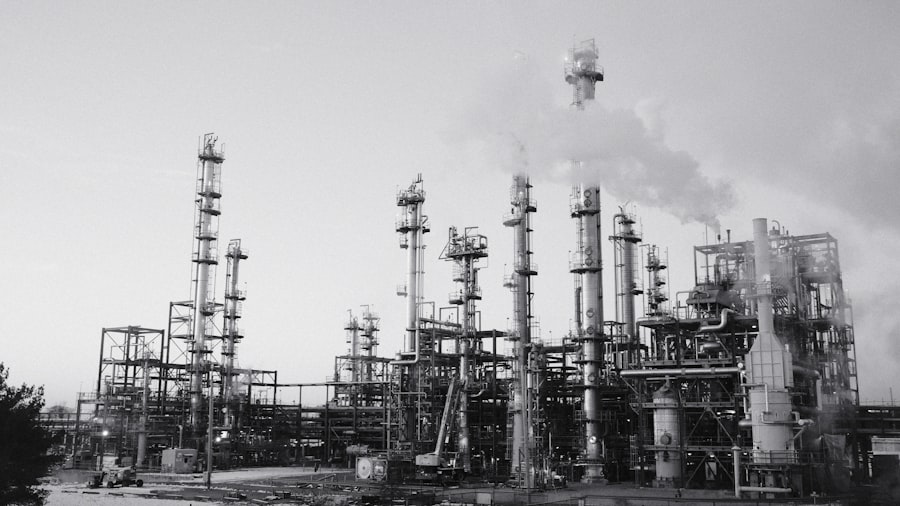
The production of agricultural sulfur by oil refineries offers a compelling economic and environmental narrative. It transforms a potentially problematic waste product into a valuable commodity, creating a new revenue stream for refineries and contributing to a more sustainable agricultural system. This dual dividend highlights the interconnectedness of industrial processes and agricultural needs.
A Valuable Byproduct: Revenue Generation for Refineries
The sale of agricultural sulfur represents a significant source of revenue for oil refineries. While desulfurization processes are primarily driven by environmental regulations for fuel quality, the ability to monetize the extracted sulfur adds a valuable economic dimension. This revenue can help offset the costs associated with these complex refining operations. The market for agricultural sulfur is substantial and growing, driven by increasing awareness of its importance in crop production. Therefore, what was once a disposal cost is now a revenue-generating enterprise.
Closing the Loop: A Circular Economy Contribution
The production of agricultural sulfur from refinery byproducts exemplifies principles of the circular economy. Instead of treating sulfur as waste requiring disposal, it is repurposed as a valuable input for another industry. This reduces the need for virgin sulfur mining, which can have its own environmental impacts, such as habitat disruption and water usage. By integrating refinery byproducts back into the agricultural system, a more resource-efficient and environmentally sound model is fostered. This process closes a loop, transforming industrial output into agricultural input, thereby reducing overall industrial footprint.
Mitigating Pollution and Enhancing Soil Fertility: A Double Benefit
The primary driver for sulfur removal from fuels is environmental protection. By effectively capturing sulfur compounds, refineries significantly reduce air pollution and the formation of acid rain. The subsequent transformation of this captured sulfur into agricultural fertilizer provides a secondary environmental benefit by enhancing soil fertility and crop productivity. This reduces the pressure to use more carbon-intensive fertilizers or to clear new land for agriculture due to declining soil health. The refinery, in essence, becomes a source of soil enrichment, a benefit that ripples outwards to ensure a more sustainable food future.
Oil refineries play a crucial role in producing agricultural sulfur, a vital component for enhancing soil health and crop yield. The process involves extracting sulfur from crude oil during refining, which is then processed into various forms suitable for agricultural use. For a deeper understanding of this relationship between oil refining and agricultural practices, you can explore a related article that delves into the intricacies of sulfur production and its benefits for farming. To learn more, visit this informative article.
Challenges and Future Perspectives: Evolution of a Relationship
| Metric | Description | Typical Value | Unit |
|---|---|---|---|
| Feedstock Sulfur Content | Amount of sulfur present in crude oil before refining | 0.5 – 5 | % by weight |
| Hydrodesulfurization (HDS) Efficiency | Percentage of sulfur removed from petroleum fractions | 90 – 99 | % |
| Sulfur Recovery Unit (SRU) Efficiency | Percentage of sulfur recovered from H2S gas | 95 – 99 | % |
| Elemental Sulfur Production | Amount of sulfur produced as a byproduct | 100 – 5000 | tons per day |
| Purity of Produced Sulfur | Purity level of sulfur suitable for agricultural use | 99.5+ | % |
| Typical Use in Agriculture | Application of produced sulfur as fertilizer or soil amendment | Variable | kg/ha |
While the relationship between oil refineries and agricultural sulfur production is well-established, it is not without its challenges and potential for future evolution. The global energy landscape is shifting, and advancements in refining technology and agricultural practices may influence this symbiotic connection.
Fluctuations in Crude Oil Composition: An Unpredictable Supply
The sulfur content of crude oil can vary significantly depending on its source. Shifts in global crude oil sourcing by refineries can lead to fluctuations in the total amount of sulfur available for extraction. If a refinery begins processing lower-sulfur crudes, its sulfur production will decrease. Conversely, processing higher-sulfur crudes will lead to increased sulfur output. This variability requires agricultural markets and fertilizer producers to maintain a diverse supply network and adapt to potential shifts in availability. The sulfur in crude oil can be like a fickle friend, its abundance not always guaranteed.
Advancements in Refining: Towards Even Cleaner Fuels
Ongoing research and development in refining technologies are aimed at producing even cleaner fuels with lower sulfur content. While beneficial for air quality, these advancements could, in the long term, lead to reduced sulfur yields from refining operations. This necessitates a proactive approach to ensuring a stable supply of agricultural sulfur, potentially through exploring alternative sources or increasing the efficiency of existing sulfur recovery processes. The relentless pursuit of cleaner fuels might necessitate a recalibration of sulfur production strategies.
The Rise of Alternative Sulfur Sources for Agriculture
While refineries are a major supplier, other sources of agricultural sulfur exist, including mining of elemental sulfur deposits and the recovery of sulfur from industrial processes like smelting. The continued importance of refineries as a sulfur source will depend on the relative economics and environmental sustainability of these alternative options. However, the inherent integrated nature of sulfur recovery within the refining process offers significant logistical and economic advantages.
Innovation in Sulfur-Based Fertilizers: Enhancing Efficiency
Future innovations may focus on developing more efficient and targeted sulfur-based fertilizers. This could include slow-release formulations that match sulfur availability to crop demand more precisely, or bio-based sulfur products that further enhance soil microbial activity. Research into the bioavailability and environmental fate of sulfur in different soil types will also continue to refine best practices for sulfur application. The evolution of agricultural science will undoubtedly shape how refinery-derived sulfur is most effectively utilized.
In conclusion, the role of oil refineries in producing agricultural sulfur is a critical, yet often overlooked, aspect of modern industrial and agricultural systems. These industrial giants, through their pursuit of cleaner fuels, inadvertently provide a vital nutrient that nourishes our crops, enriches our soils, and contributes to a more sustainable global food supply. Understanding this intricate connection reveals how seemingly disparate industries can intertwine to create a more resilient and productive future.
FAQs
What is agricultural sulfur and why is it important?
Agricultural sulfur is a form of sulfur used as a fertilizer and soil amendment to improve crop growth and protect plants from diseases. It is essential for plant nutrition, helping in protein synthesis and enzyme function.
How do oil refineries produce agricultural sulfur?
Oil refineries produce agricultural sulfur primarily by recovering sulfur from hydrogen sulfide gas, a byproduct of refining crude oil and natural gas. The hydrogen sulfide is converted into elemental sulfur through processes like the Claus process, which can then be processed into agricultural-grade sulfur.
What is the Claus process in sulfur production?
The Claus process is a chemical reaction used in oil refineries to convert hydrogen sulfide gas into elemental sulfur. It involves partial combustion of hydrogen sulfide to form sulfur dioxide, which then reacts with more hydrogen sulfide to produce water and elemental sulfur.
Why is sulfur recovery important in oil refining?
Sulfur recovery is important because hydrogen sulfide is toxic and corrosive. Removing and converting it into elemental sulfur prevents environmental pollution and allows the refinery to produce valuable sulfur products for agricultural and industrial use.
What forms of sulfur are used in agriculture?
In agriculture, sulfur is commonly used in elemental form as a powder or granules, as well as in sulfate forms such as ammonium sulfate or gypsum. Elemental sulfur produced by refineries is often processed into these forms to be applied as fertilizers or soil conditioners.