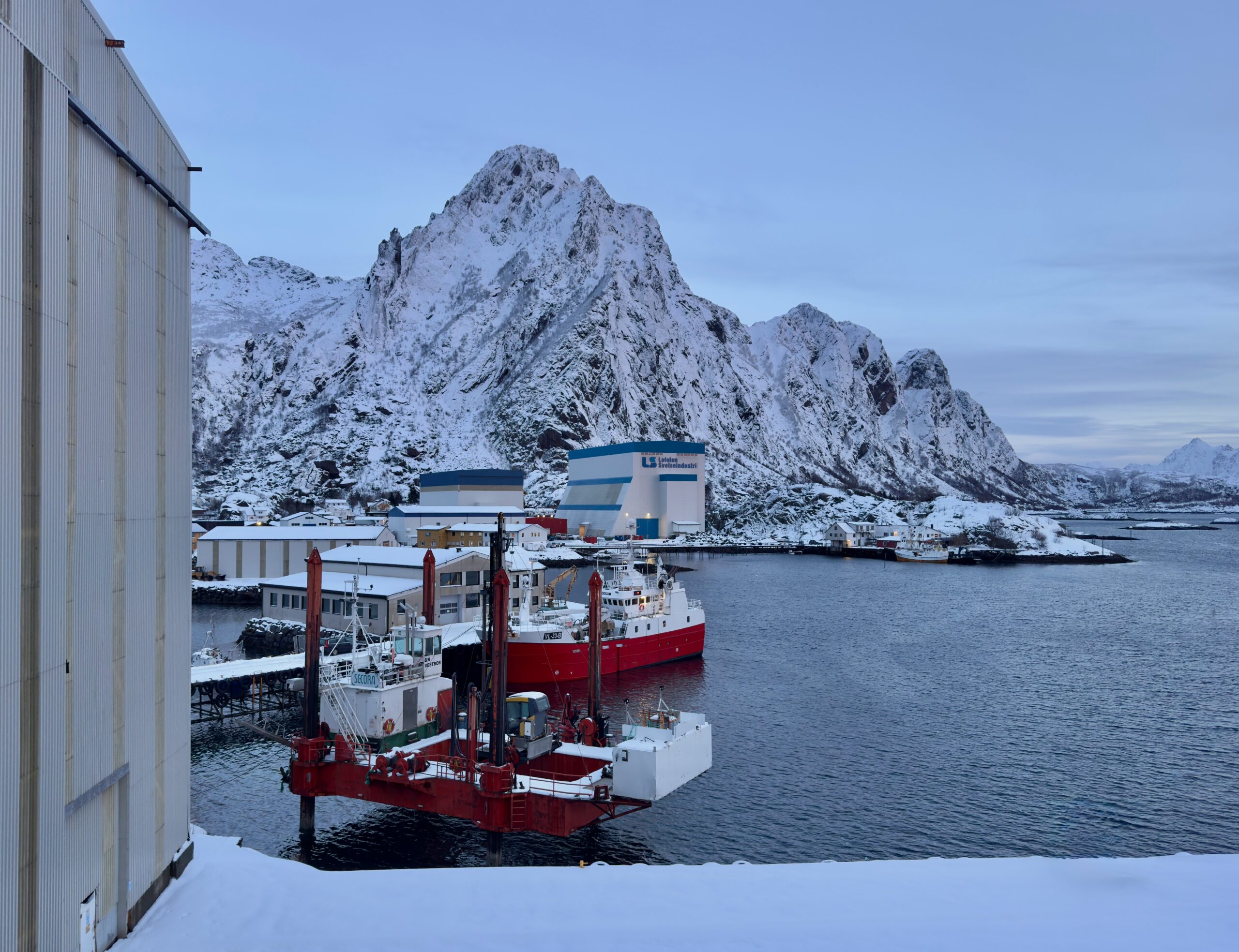
Norwegian Gas: Europe’s Reliable Energy Source
For decades, Norway has been a cornerstone of Europe’s energy security, its abundant natural gas reserves playing a critical role in powering the continent’s industries, heating its homes, and driving its economy. While the geopolitical landscape surrounding energy has become increasingly complex, Norway’s commitment to stable supply and its strategic position have solidified its reputation as Europe’s reliable energy source. This article delves into the multifaceted aspects of Norwegian gas, exploring its historical significance, its present-day importance, the infrastructure that underpins its delivery, the environmental considerations, and the future outlook for this vital resource.
The discovery and subsequent exploitation of offshore natural gas fields have fundamentally reshaped Norway’s economy and its relationship with Europe. What began as a nascent industry has evolved into a sophisticated and vital sector, directly contributing to the nation’s prosperity and underscoring its importance on the global energy stage.
Early Explorations and Discoveries
The journey of Norwegian natural gas began with a series of explorations that identified significant hydrocarbon potential off its coast. The discovery of the Ekofisk field in 1969, initially thought to be a crude oil discovery, revealed substantial associated natural gas. This marked a pivotal moment, signaling the dawn of a new era for Norway’s energy sector and its potential to become a major gas producer. Subsequent seismic surveys and drilling operations in the North Sea and the Norwegian Sea unearthed further vast reserves, solidifying the nation’s position as a significant player.
The Evolution of the Norwegian Petroleum Sector
The early years of production were characterized by a steep learning curve and rapid technological advancement. Norway, as a relatively new entrant into the global oil and gas arena, invested heavily in research and development, fostering innovation in offshore exploration, extraction, and transportation. The establishment of state-owned entities and the implementation of robust regulatory frameworks played a crucial role in managing these complex operations responsibly and efficiently. Over time, the Norwegian petroleum sector matured, moving from a focus on initial resource appraisal to large-scale, sophisticated production and export. This evolution was driven by both technological progress and a strategic vision to leverage its natural resources for national benefit and international cooperation.
The Rise of Norway as a Key European Supplier
As European economies grew and their demand for energy escalated, Norway’s offshore gas became increasingly attractive. Its proximity to key European markets, coupled with its consistent and reliable production, allowed Norway to establish itself as a principal supplier. The strategic development of pipelines connecting Norwegian fields to continental Europe was instrumental in this transition. This network facilitated the direct flow of gas, bypassing the need for more complex and potentially less secure intermediary routes. The consistent, long-term supply agreements negotiated with European nations further cemented Norway’s role as a dependable partner in the continent’s energy landscape.
Norwegian gas supply to Europe has become increasingly significant in light of the ongoing energy transition and geopolitical tensions. For a deeper understanding of the dynamics surrounding this topic, you can read a related article that explores the implications of Norway’s gas exports on the European energy market. This article provides insights into how Norway is positioning itself as a key player in meeting Europe’s energy needs. For more information, visit this article.
The Indispensable Role of Norwegian Gas in Europe Today
In the contemporary European energy market, Norwegian natural gas holds an indispensable position, providing a stable and crucial component of the energy mix. Its reliability, coupled with its relatively cleaner burning properties compared to other fossil fuels, makes it a vital resource, particularly in the context of evolving energy policies and the ongoing pursuit of energy security.
Meeting a Significant Portion of European Demand
Norwegian natural gas consistently fulfills a substantial percentage of Europe’s overall gas demand. This contribution is not merely a matter of volume; it represents a significant underpinning of daily life and industrial activity across the continent. From powering electricity generation plants to heating residential buildings and fueling industrial processes, Norwegian gas is deeply integrated into the fabric of European energy consumption. Its consistent availability provides a crucial buffer against the volatility often associated with other energy sources.
Enhancing Energy Security and Diversification
In an era marked by heightened geopolitical concerns and a desire to reduce reliance on single energy suppliers, Norway’s gas plays a pivotal role in enhancing Europe’s energy security. Its consistent and politically stable supply chain offers a vital alternative, diversifying the continent’s energy portfolio and reducing vulnerability to external pressures. This diversification is not just about securing supply; it’s about building resilience and ensuring that European economies can continue to function unimpeded, regardless of international energy market fluctuations or political instability elsewhere.
Supporting Industrial Processes and Economic Stability
The industrial sector across Europe relies heavily on natural gas for various applications, including manufacturing, chemical production, and steelmaking. Norwegian gas provides a predictable and consistent energy input that is essential for maintaining the competitiveness and operational efficiency of these industries. This, in turn, contributes to economic stability and job creation within Europe. The ability of industries to access reliable and affordable energy is a fundamental driver of economic growth and innovation.
The Importance of Norwegian Gas in the Energy Transition
While Europe is actively pursuing a transition towards renewable energy sources, natural gas, and particularly cleaner-burning natural gas like Norway’s, is recognized as a crucial transitional fuel. It offers a lower-carbon alternative to coal and oil in power generation and can provide the necessary flexibility to balance intermittent renewable sources like wind and solar. This “bridge fuel” role is vital for ensuring a smooth and pragmatic energy transition, preventing energy shortages and maintaining grid stability during the complex shift to a fully decarbonized energy system.
The Sophisticated Infrastructure for Delivering Norwegian Gas

The reliable delivery of Norwegian natural gas to European consumers is made possible by a complex and highly advanced network of offshore platforms, pipelines, and processing facilities. This intricate infrastructure represents a significant engineering achievement and is a testament to Norway’s commitment to its role as a major energy supplier.
Offshore Production Platforms: The Source of Supply
The journey of Norwegian gas begins at a multitude of offshore production platforms situated on the Norwegian continental shelf. These technologically advanced structures are designed to withstand harsh environmental conditions and extract natural gas and associated liquids from deep beneath the seabed. Each platform is a self-contained industrial complex, housing sophisticated drilling equipment, processing units, and living quarters for the personnel who operate them. Their design and operation are subject to stringent safety and environmental regulations, reflecting Norway’s commitment to responsible resource management.
The Pipeline Network: Connecting Norway to Europe
A comprehensive network of subsea pipelines forms the backbone of Norwegian gas delivery to Europe. These massive underwater arteries, stretching for hundreds of kilometers, transport the extracted gas from the offshore platforms to onshore receiving terminals. Key pipelines, such as Europipe I and II, Langeled, and Franpipe, are vital conduits, connecting Norwegian fields to markets in Germany, France, the United Kingdom, and other European nations. The maintenance and monitoring of this extensive pipeline network are critical for ensuring uninterrupted supply and preventing environmental incidents.
Onshore Processing and Distribution Terminals
Upon reaching the European mainland, the natural gas undergoes further processing and conditioning at onshore terminals. These facilities remove impurities, adjust the gas composition to meet specific market requirements, and compress it for efficient distribution. Major terminals, such as Emden in Germany and St. Fergus in Scotland, serve as crucial hubs for the onward distribution of Norwegian gas to national grids and industrial consumers. These terminals are highly sophisticated operations, employing advanced technologies for quality control and efficient handling of the gas.
Investments in Maintenance and Modernization
Ensuring the long-term reliability of this vast infrastructure requires continuous investment in maintenance, upgrades, and technological modernization. Norway and its energy partners consistently invest in the upkeep of platforms and pipelines, as well as the adoption of new technologies to improve efficiency, safety, and environmental performance. This commitment to maintaining and enhancing the infrastructure is a key factor in Norway’s ability to remain a dependable energy supplier for decades to come.
Environmental Considerations and Norway’s Approach
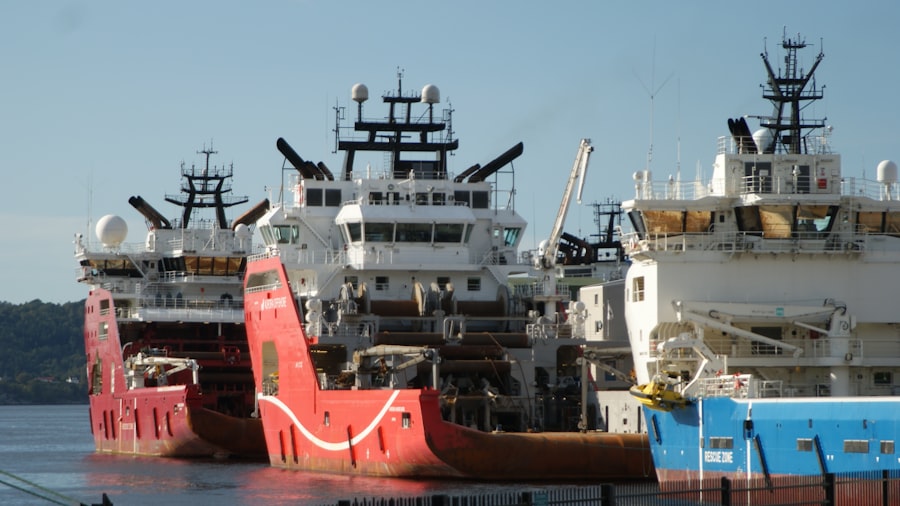
Norway, as a major hydrocarbon producer, is acutely aware of the environmental implications of its operations. The nation has made significant strides in mitigating the environmental footprint of its gas production and transportation, striving for responsible resource management and adhering to stringent environmental regulations.
Minimizing Emissions and Pollution Control
The Norwegian petroleum industry operates under strict environmental regulations designed to minimize emissions and prevent pollution. This includes measures to reduce flaring, capture and reinject associated gas, and control emissions from offshore installations. The implementation of advanced technologies for leak detection and repair, as well as ongoing efforts to reduce greenhouse gas emissions from operations, are central to Norway’s environmental strategy.
Carbon Capture and Storage (CCS) Initiatives
Norway is a leader in the development and implementation of Carbon Capture and Storage (CCS) technologies. Several projects are underway to capture CO2 emissions from industrial sources and offshore gas processing, with the aim of storing them permanently underground. The Longship project, for example, is a flagship initiative that seeks to demonstrate the feasibility of full-scale CCS across industrial sectors. These efforts reflect a commitment to reducing the carbon intensity of natural gas production and utilization.
Protecting Marine Ecosystems
Given the offshore nature of its operations, Norway places a high priority on protecting marine ecosystems. Strict regulations are in place to prevent oil spills and minimize the impact of offshore activities on marine life. This includes comprehensive environmental impact assessments, robust response plans for potential incidents, and ongoing monitoring of marine environments. The industry continuously seeks to develop and implement technologies and practices that reduce its footprint on the sensitive marine ecosystems of the Norwegian continental shelf.
Balancing Energy Needs with Climate Goals
Norway is navigating the complex challenge of balancing its role as a significant energy supplier with its national and international climate commitments. The nation recognizes the need for a transition to a low-carbon economy and is actively investing in renewable energy sources and sustainable technologies. However, it also acknowledges the crucial role that natural gas plays in ensuring energy security and supporting the transition to a greener future. This balancing act involves careful consideration of energy market dynamics, technological advancements, and the imperative to meet climate goals.
Norwegian gas supply has become increasingly vital for Europe, especially in light of the ongoing energy crisis. As countries seek to diversify their energy sources, Norway’s role as a reliable supplier has gained prominence. For a deeper understanding of the implications of this energy shift, you can read a related article that explores the dynamics of Norwegian gas exports and their impact on European markets. This insightful piece can be found here.
The Future Outlook for Norwegian Gas in Europe
| Year | Gas Supply (bcm) | Destination |
|---|---|---|
| 2015 | 107.6 | United Kingdom |
| 2016 | 108.5 | Germany |
| 2017 | 114.2 | France |
| 2018 | 117.4 | Belgium |
The role of Norwegian natural gas in Europe’s energy future is likely to remain significant, albeit evolving. While the long-term transition to renewables is undeniable, the immediate and medium-term outlook suggests a continued reliance on this reliable and relatively cleaner-burning fossil fuel.
Continued Demand and Strategic Importance
Europe’s ongoing commitment to energy security and the need for stable energy sources during the transition to renewables will likely sustain demand for Norwegian gas. Its geopolitical neutrality and established supply routes make it an attractive and dependable partner for European nations. The diversification of energy sources will remain a key strategic objective, and Norway is well-positioned to continue playing a vital role in this regard.
Adapting to the Energy Transition
Norway’s energy sector is actively adapting to the evolving energy landscape. Investments in offshore wind, hydrogen production, and other renewable energy technologies are underway, aiming to diversify its energy portfolio. However, the infrastructure and expertise developed for natural gas production are also being leveraged to support new energy solutions, such as CCS and the potential for hydrogen production from natural gas with carbon capture.
Innovation and Technological Advancement
Continued innovation in extraction, processing, and transportation technologies will be crucial for the future of Norwegian gas. Efforts to further reduce emissions, improve efficiency, and enhance the safety of operations will be paramount. The development of advanced CCS technologies and the exploration of new uses for natural gas, such as in the production of blue hydrogen, will shape its future role in a decarbonizing world.
Maintaining Reliability and Competitiveness
Norway’s success in the future will depend on its ability to maintain the reliability and competitiveness of its gas supply. This includes managing production costs, adapting to market demands, and continuing to invest in its infrastructure. The nation’s long-standing commitment to stable supply and its strong relationships with European partners provide a solid foundation for its continued relevance in the European energy market. The inherent advantages of its geological reserves and its well-established logistical network position Norway favorably for continued engagement in the European energy dialogue.

The Dangerous Sea Europe Can’t Live Without
FAQs
What is the current status of Norwegian gas supply to Europe?
The current status of Norwegian gas supply to Europe is stable and reliable. Norway is one of the largest suppliers of natural gas to Europe, providing a significant portion of the continent’s energy needs.
How does Norway supply gas to Europe?
Norway supplies gas to Europe through an extensive network of pipelines, including the Langeled pipeline to the UK, the Europipe II pipeline to Germany, and the Gjøa and Vega pipelines to the Netherlands. Additionally, Norway also exports liquefied natural gas (LNG) to various European countries.
What are the benefits of Norwegian gas supply to Europe?
The benefits of Norwegian gas supply to Europe include diversifying the continent’s energy sources, contributing to energy security, and helping to meet the growing demand for natural gas in Europe. Norway’s gas supply also plays a crucial role in reducing carbon emissions by providing a cleaner alternative to coal and oil.
Are there any challenges or risks associated with Norwegian gas supply to Europe?
Challenges and risks associated with Norwegian gas supply to Europe include geopolitical tensions that could impact gas deliveries, potential disruptions to the supply chain due to technical issues or natural disasters, and the need to continuously invest in infrastructure to maintain the reliability of gas supply.
What is the future outlook for Norwegian gas supply to Europe?
The future outlook for Norwegian gas supply to Europe is positive, with ongoing investments in new gas fields and infrastructure to ensure continued supply. Norway is also exploring opportunities to further develop its LNG export capabilities, which could enhance its role as a key gas supplier to Europe.