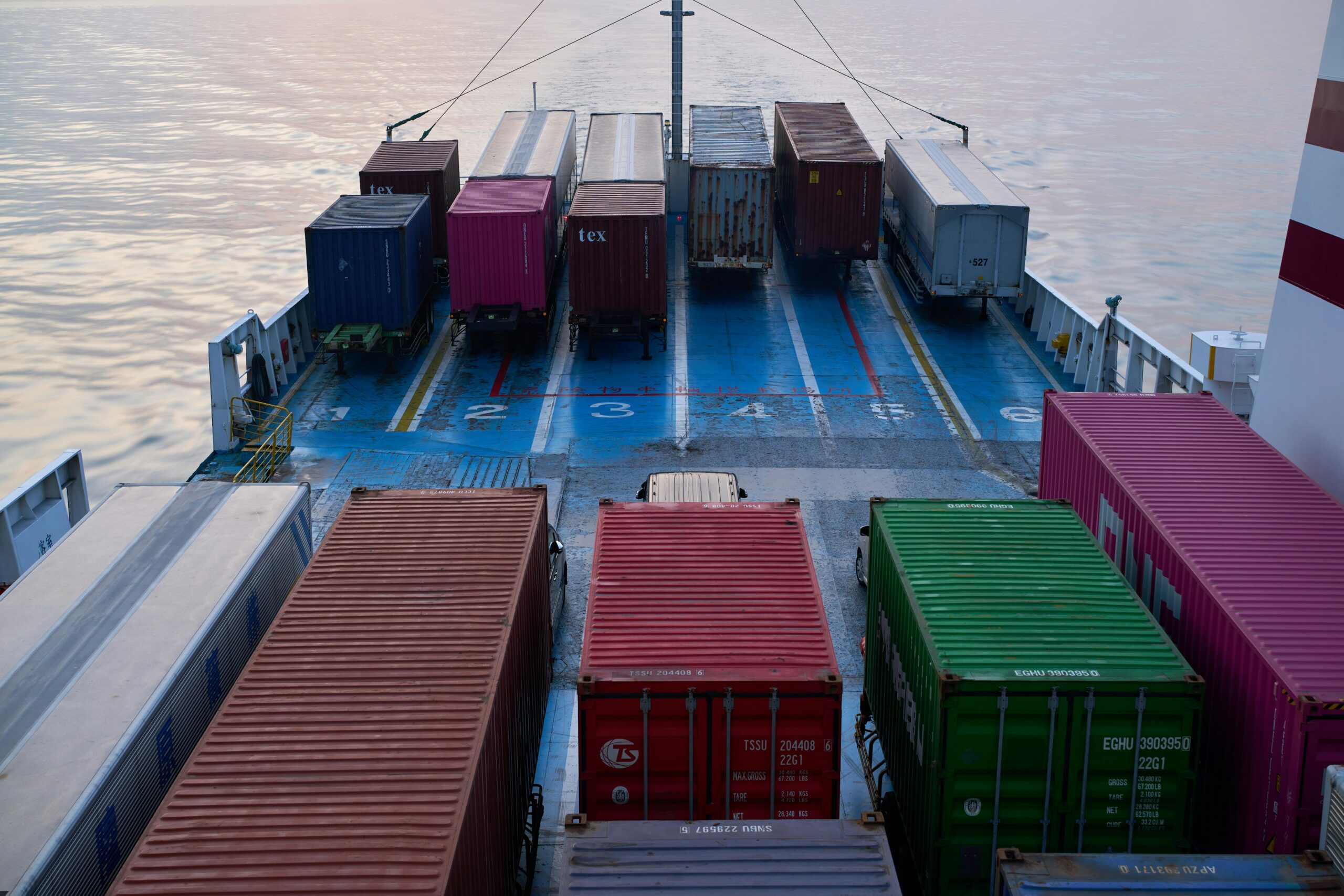
North Sea Shipping: A Documentary on Maritime Trade
The documentary “North Sea Shipping: A Documentary on Maritime Trade” embarks on an immersive journey through one of the world’s most vital and historically significant maritime arteries. It meticulously details the intricate web of commerce that crisscrosses the tempestuous waters of the North Sea, a region that has served as a cradle of trade and a crucible of innovation for centuries. The film eschews a singular narrative, instead opting for a multi-faceted exploration that delves into the economic, environmental, technological, and human dimensions of this critical sector. Through stunning cinematography, compelling interviews with industry professionals, and insightful historical context, the documentary paints a vivid portrait of an industry that, while often unseen, underpins the fabric of modern life.
The documentary opens by establishing the profound and often underestimated importance of the North Sea to global trade. It quickly dispatches any notions of maritime commerce as a romanticized, bygone era, instead presenting it as a dynamic and indispensable engine of the modern economy. The sheer volume of goods that pass through these waters daily is staggering, forming the backbone of supply chains that stretch across continents.
A Superhighway of Goods
“North Sea Shipping” vividly illustrates the North Sea’s role as a veritable superhighway for goods. Vessels of all sizes, from colossal container ships carrying millions of TEUs (Twenty-foot Equivalent Units) to specialized tankers and bulk carriers, navigate these busy routes. The film emphasizes that nearly 90% of global trade travels by sea, and the North Sea is a crucial nexus for a significant portion of that traffic, particularly connecting mainland Europe with the United Kingdom and Scandinavia. It highlights how raw materials, manufactured goods, food products, and energy resources all traverse these waters, making the smooth flow of shipping essential for the daily lives of billions. The documentary uses animated graphics and real-time vessel tracking data to convey the immense scale of this operation, demonstrating the constant movement and interconnectedness of global economies.
The Economic Lifeline of Nations
Beyond the tangible movement of goods, the documentary probes the profound economic impact of North Sea shipping. It showcases how ports along its shores – Rotterdam, Antwerp, Hamburg, Felixstowe, and others – are not merely transit points but bustling economic hubs that generate employment, attract investment, and drive innovation. The film interviews economists and business leaders who explain how efficient shipping operations translate into competitive pricing for consumers, greater access to global markets for businesses, and ultimately, economic prosperity for the nations bordering the sea. The documentary also touches upon the historical economic shifts driven by North Sea trade, from the Hanseatic League’s dominance to the modern era of containerization, underscoring the region’s enduring economic significance.
The Interdependence of Industries
“North Sea Shipping” skillfully illustrates the intricate interdependence of various industries that rely on maritime transport. It explores how the automotive sector receives vital components and exports finished vehicles via these routes, how the energy sector depends on tankers for oil and gas, and how the retail sector’s ability to stock shelves is directly tied to the efficient movement of consumer goods. The film uses case studies to demonstrate these connections, following a container from its origin in Asia, through its journey across the North Sea, and to its final destination in a European warehouse or retail store. This highlights the fragility of global supply chains and the critical role of maritime shipping in maintaining their integrity.
The North Sea shipping documentary offers a fascinating exploration of maritime trade and its impact on the environment, but for those interested in delving deeper into the historical context of shipping routes, a related article can provide valuable insights. You can read more about the evolution of maritime navigation and its significance in global trade in this informative piece: here.
Navigating the Challenges: Weather, Congestion, and Security
The documentary does not shy away from the inherent difficulties and risks associated with operating in the North Sea. It presents a realistic portrayal of the operational complexities that mariners and port authorities must contend with on a daily basis.
The Fury of the Elements
The North Sea is renowned for its notoriously unpredictable and often severe weather conditions. “North Sea Shipping” dedicates significant segments to showcasing the challenges posed by strong winds, high waves, fog, and ice in winter. It features interviews with seasoned captains who recount harrowing experiences navigating storms, emphasizing the critical importance of advanced weather forecasting, robust vessel design, and highly skilled crews. The documentary uses dramatic footage of vessels battling inclement weather to underscore the raw power of nature and the courage and expertise required to overcome it. The psychological toll on seafarers during prolonged periods of bad weather is also subtly explored, highlighting the human element in the face of environmental adversity.
Congestion on the High Seas
As the volume of trade has increased, so too has the congestion within the North Sea. The film illustrates the complex traffic management systems in place to prevent collisions and ensure the orderly flow of vessels. It explores the concept of “choke points” and how bottlenecks in certain areas can have ripple effects throughout the entire shipping network. The documentary interviews port officials and VTS (Vessel Traffic Service) operators who explain the sophisticated technologies and protocols used to monitor and guide ships, emphasizing the constant need for vigilance and coordination to maintain safety and efficiency. The visual representation of densely packed shipping lanes, particularly around major port approaches, provides a stark visual of this challenge.
The Ever-Present Threat of Security
Maritime security is another crucial theme explored in the documentary. It addresses the risks posed by piracy (though less prevalent in the North Sea than in some other global regions), terrorism, smuggling, and illegal fishing. The film discusses the role of coast guards, naval patrols, and international cooperation in safeguarding maritime trade routes. It also touches upon the cybersecurity challenges faced by the shipping industry, as vessels and port infrastructure become increasingly digitized. Interviews with security experts and law enforcement officials provide insights into the measures taken to protect this vital economic artery from a range of threats. The documentary subtly conveys that while the North Sea is generally safe, the commitment to vigilance and preparedness remains paramount.
Technological Evolution: From Sail to Autonomous Vessels

A significant portion of “North Sea Shipping” is dedicated to tracing the remarkable technological advancements that have shaped maritime trade. It demonstrates how innovation has continually pushed the boundaries of what is possible at sea, from the earliest days of sail to the cutting edge of autonomous shipping.
The Revolution of Containerization
The introduction of standardized shipping containers in the mid-20th century is presented as a revolutionary moment. The documentary explains how containerization transformed the handling of goods, leading to faster loading and unloading times, reduced damage, and increased security. It features archival footage and interviews with individuals who were instrumental in this paradigm shift, highlighting its profound impact on the efficiency and cost-effectiveness of global trade. The visual contrast between old-fashioned break-bulk cargo operations and the sleek, efficient container terminals of today powerfully illustrates this evolution.
The Digitalization of Shipping
The film delves into the ongoing digitalization of the shipping industry. It showcases how advancements in GPS, satellite communication, sensors, and data analytics are enhancing navigation, operational efficiency, and safety. The documentary explores the use of “smart ships” equipped with advanced systems for monitoring hull integrity, engine performance, and cargo conditions. It also highlights the development of digital platforms for managing logistics, customs clearance, and supply chain visibility. Interviews with maritime technology developers and shipping company executives reveal the exciting possibilities that emerging technologies offer for the future of North Sea shipping.
The Dawn of Autonomous Shipping
Perhaps the most forward-looking aspect of the documentary is its exploration of autonomous shipping. “North Sea Shipping” examines the ongoing research and development of unmanned vessels, discussing the potential benefits such as reduced crew costs, improved safety by removing human error, and enhanced operational efficiency. It features insights from engineers and industry pioneers who are working to bring this vision to reality. The film acknowledges the significant regulatory and ethical challenges that must be addressed but presents autonomous shipping as an inevitable evolution that will further transform the maritime landscape. The visual representation of a remotely operated or fully autonomous vessel navigating the North Sea offers a glimpse into this futuristic scenario.
The Human Element: The Seafarer’s Life
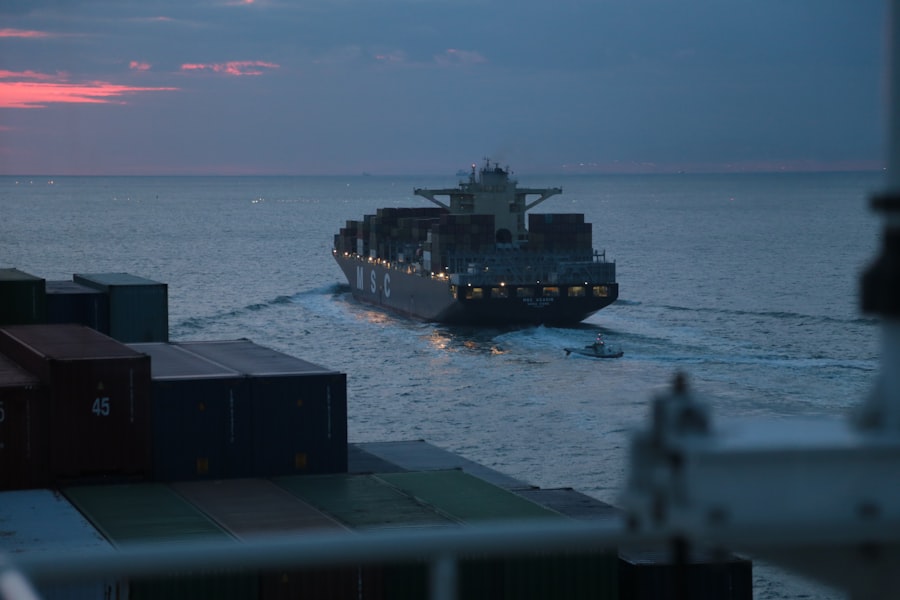
Despite the increasing reliance on technology, the documentary never loses sight of the human element at the heart of North Sea shipping. It offers a poignant and often moving portrayal of the lives of seafarers who dedicate their careers to keeping the world’s trade routes open.
A Life at Sea
“North Sea Shipping” provides an intimate look into the daily routines of seafarers. It follows them through their watch shifts, meal times, and periods of rest, offering a glimpse into the confined yet functional spaces of modern vessels. The film highlights the camaraderie among crew members from diverse backgrounds, who often form close bonds during long voyages. Interviews with captains, officers, engineers, and deckhands reveal their dedication, professionalism, and the personal sacrifices they make, including extended periods away from family and friends. The documentary aims to foster a greater appreciation for the challenging and often isolating nature of life at sea.
The Importance of Training and Expertise
The documentary emphasizes the crucial role of rigorous training and continuous professional development for seafarers. It showcases maritime academies and training facilities where future generations of mariners learn the skills necessary to operate complex vessels safely and efficiently. The film interviews instructors and trainees, highlighting the commitment to upholding high standards of competence and seamanship. It underscores that even with advanced technology, human expertise remains indispensable in navigating the unpredictable conditions of the North Sea and ensuring the safe transport of goods.
The Challenges of Port and Shore Leave
While the focus is often on life at sea, “North Sea Shipping” also touches upon the experiences of seafarers in port. It explores the challenges they face in obtaining timely shore leave, accessing essential services, and maintaining connections with loved ones. The documentary highlights the work of maritime welfare organizations that provide support and assistance to seafarers in port cities. This aspect of the film adds another layer of understanding to the human dimension, acknowledging the sacrifices and the often-overlooked needs of those who crew the vessels.
The recent North Sea shipping documentary sheds light on the intricate logistics and environmental challenges faced by maritime transport in this vital region. For those interested in exploring more about the impact of shipping on marine ecosystems, a related article can be found at MyGeoQuest, which delves into the balance between commerce and conservation in oceanic environments. This resource provides valuable insights into how the shipping industry is adapting to new sustainability standards while navigating the complexities of international trade.
The Future of North Sea Shipping: Sustainability and Innovation
| Metrics | Data |
|---|---|
| Number of Ships | 2000 |
| Cargo Volume | 5 million tons |
| Port Calls | 10000 |
| Shipping Routes | 50 |
The concluding segments of “North Sea Shipping” turn their attention to the future, focusing on the pressing need for sustainability and the continued drive for innovation. The documentary suggests that the industry is at a crossroads, facing significant environmental challenges and immense opportunities for transformation.
Towards Greener Shipping
Environmental concerns are a central theme in the documentary’s exploration of the future. “North Sea Shipping” examines the industry’s efforts to reduce its carbon footprint, including the adoption of cleaner fuels such as LNG (Liquefied Natural Gas), methanol, and potentially hydrogen and ammonia. It discusses the development of more fuel-efficient vessel designs, the implementation of slow steaming to reduce fuel consumption, and the ongoing research into wind-assisted propulsion systems. Interviews with environmental scientists and shipping executives reveal the complexities and the urgent need for a transition to more sustainable practices to mitigate the impact of shipping on marine ecosystems and climate change. The film showcases innovative hull coatings that reduce drag and the ongoing efforts to manage ballast water and prevent the spread of invasive species.
The Role of Renewable Energy and Offshore Wind
The documentary highlights the growing synergy between North Sea shipping and the burgeoning renewable energy sector, particularly offshore wind farms. It explores how shipping plays a vital role in the construction, maintenance, and operation of these vast energy installations, transporting components, personnel, and specialized equipment. The film also touches upon the potential for shipping to be powered by offshore wind, further integrating the maritime sector with clean energy solutions. This symbiotic relationship underscores the evolving nature of the North Sea’s economic activities.
Embracing Digitalization and Automation for Efficiency
The future of North Sea shipping, as depicted in the documentary, is inextricably linked to continued digitalization and automation. The film reiterates how these technological advancements will drive greater efficiency, optimize routes, reduce operational costs, and enhance safety. It suggests that the integration of artificial intelligence, machine learning, and the Internet of Things (IoT) will revolutionize ship management, cargo logistics, and port operations. The documentary paints a picture of a future where data-driven decision-making and advanced automation will be the norm, leading to a more resilient and responsive maritime sector.
International Cooperation and Regulatory Frameworks
Finally, “North Sea Shipping” emphasizes the indispensable role of international cooperation and robust regulatory frameworks in shaping the future of maritime trade. It highlights the efforts of organizations like the International Maritime Organization (IMO) in setting global standards for safety, security, and environmental protection. The documentary suggests that addressing the complex challenges and opportunities ahead will require continued collaboration among nations, industry stakeholders, and research institutions to ensure that North Sea shipping remains a safe, efficient, and sustainable engine of global commerce for generations to come. The film concludes with a sense of optimism, tempered by a clear understanding of the significant work that lies ahead in navigating the evolving currents of maritime trade in the North Sea.

The Dangerous Sea Europe Can’t Live Without
FAQs
What is the North Sea shipping documentary about?
The North Sea shipping documentary is a film that explores the shipping industry in the North Sea, including the challenges, operations, and impact on the surrounding environment.
Who is the target audience for the North Sea shipping documentary?
The target audience for the North Sea shipping documentary includes individuals interested in maritime industries, environmentalists, and those curious about the logistics of shipping in the North Sea.
Where can I watch the North Sea shipping documentary?
The North Sea shipping documentary may be available for viewing on streaming platforms, such as Netflix, Amazon Prime, or other online video services. It may also be screened at film festivals or special events.
What are some of the key themes explored in the North Sea shipping documentary?
Some of the key themes explored in the North Sea shipping documentary may include the impact of shipping on marine ecosystems, the daily operations of shipping crews, the economic significance of the shipping industry, and the challenges faced by ships navigating the North Sea.
Who are the filmmakers behind the North Sea shipping documentary?
The filmmakers behind the North Sea shipping documentary are [Insert Filmmaker Names], who have expertise in maritime filmmaking and a passion for exploring the complexities of the shipping industry.