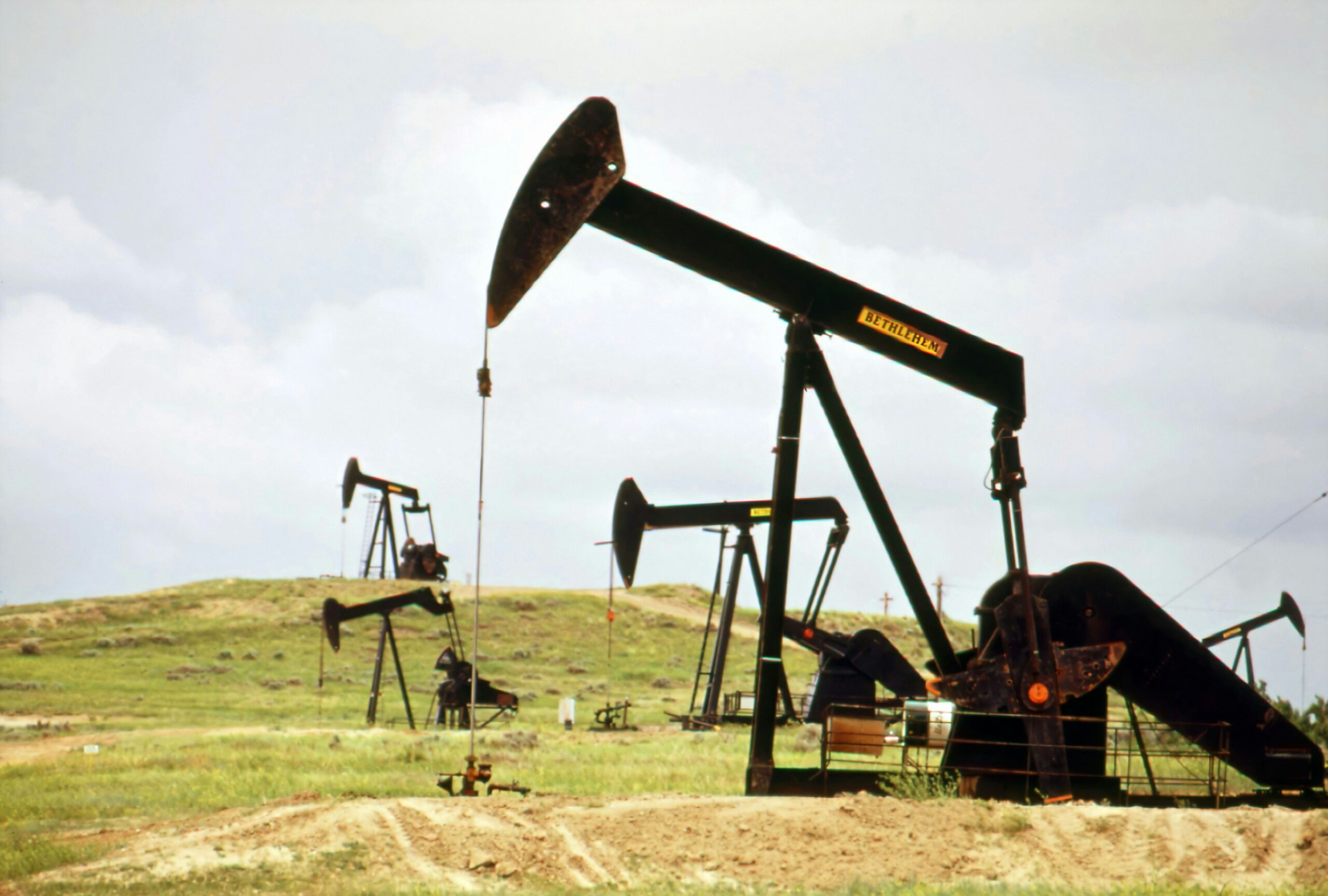
The North Sea, a vast and historically significant body of water, has been a cornerstone of the global energy landscape for decades. Its rich reserves of oil and natural gas fueled industrial revolutions and powered economies, establishing a robust petroleum industry that has witnessed remarkable technological advancements and faced numerous evolving challenges. Today, the North Sea petroleum industry stands at a critical juncture, grappling with a complex interplay of environmental pressures, technological shifts, economic volatilities, and geopolitical considerations. Yet, within these formidable challenges lie equally compelling opportunities for innovation, diversification, and a more sustainable future.
The North Sea’s journey as a major oil and gas producer began in earnest in the late 1960s. Pioneering exploration and extraction techniques, often in exceptionally harsh weather conditions, unlocked immense reserves. For decades, fields like Ekofisk, Forties, and Brent were synonymous with energy security and economic prosperity for the nations bordering the sea, primarily the United Kingdom and Norway. However, the sheer scale of extraction has inevitably led to a natural decline in production from many of these established fields.
Reservoir Depletion and Production Decline
The most apparent challenge facing the North Sea is the inherent depletion of its reservoirs. Years of intensive extraction have significantly reduced the original hydrocarbons in place. This necessitates increasingly complex and costly methods to recover remaining oil and gas. Techniques like enhanced oil recovery (EOR), which involve injecting water, gas, or chemicals into the reservoir to push out more oil, are becoming standard but come with their own set of economic and environmental considerations. The diminishing output from mature fields directly impacts the overall production volumes, leading to concerns about future supply and the economic viability of certain operations.
Increasing Production Costs
As fields mature and reserves become more dispersed, the cost of extracting hydrocarbons from the North Sea steadily rises. This is driven by several factors: the need for more sophisticated drilling and production equipment, the logistical complexities of operating in increasingly remote or deeper waters, and the growing emphasis on safety and environmental regulations, which, while crucial, add to operational expenses. The economic breakeven price for North Sea production has consequently increased, making it more vulnerable to fluctuations in global oil and gas prices. This puts pressure on companies to optimize their operations and find cost efficiencies to remain competitive.
Infrastructure Decommissioning Burdens
A significant, and often underestimated, challenge is the substantial cost and logistical complexity associated with decommissioning the vast array of offshore infrastructure. Platforms, pipelines, and subsea equipment that have served the industry for decades will eventually reach the end of their operational life. The decommissioning process is heavily regulated and can involve intricate operations to safely remove, dispose of, or repurpose these structures. The financial liabilities associated with this are substantial, posing a long-term challenge for both operating companies and governments.
The North Sea petroleum industry has been a significant contributor to the energy sector, with ongoing developments and challenges shaping its future. For a deeper understanding of the current trends and innovations in this field, you can explore a related article on the topic at My GeoQuest. This resource provides valuable insights into the latest technologies and environmental considerations impacting oil and gas exploration in the North Sea.
The Imperative of Environmental Stewardship and the Energy Transition
The North Sea petroleum industry operates within an increasingly stringent environmental regulatory framework. Public awareness of climate change and the environmental impact of fossil fuels has intensified, placing significant pressure on offshore operators to minimize their ecological footprint. This has become a defining challenge, forcing the industry to adapt and innovate.
Carbon Emissions and Greenhouse Gas Reductions
A primary environmental concern is the significant carbon footprint of oil and gas extraction. This includes emissions from flaring, venting, fugitive emissions from equipment, and the energy required to power offshore operations. The industry is under immense pressure to reduce these emissions through various strategies, including the adoption of cleaner energy sources for offshore platforms, improved leak detection and repair programs, and the implementation of carbon capture, utilization, and storage (CCUS) technologies. Meeting ambitious emission reduction targets is not just a regulatory requirement but a crucial factor for maintaining social license to operate.
Marine Ecosystem Protection
The North Sea is a vital and diverse marine ecosystem, home to numerous species of fish, marine mammals, and seabirds. The risk of oil spills, although significantly reduced through stringent safety measures and improved response capabilities, remains a persistent concern. Beyond spills, operational activities such as seismic surveys, noise pollution from drilling, and the physical presence of infrastructure can also impact marine life. The industry must continuously invest in technologies and practices that minimize these impacts and contribute to the long-term health of the North Sea environment.
The Shift Towards Renewable Energy Integration
The global energy transition, driven by the urgent need to decarbonize, presents a dual challenge and opportunity for the North Sea petroleum industry. As the world pivots towards cleaner energy sources, the demand for fossil fuels will eventually decline. However, the infrastructure, expertise, and financial resources accumulated within the North Sea sector can be leveraged to accelerate the development of renewable energy projects, particularly offshore wind. This transition requires a significant strategic shift and investment in new technologies and skillsets.
Navigating Technological Advancements and Innovation
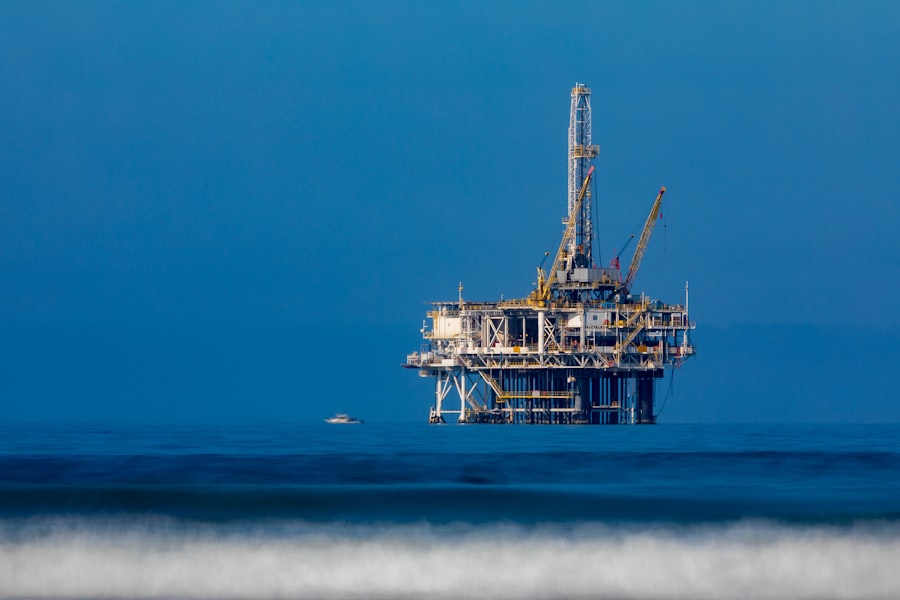
Technological innovation has always been at the heart of the North Sea’s success. From the early days of challenging deep-water exploration to today’s sophisticated extraction methods, technology has enabled the industry to overcome formidable obstacles. The current landscape demands a new wave of innovation, focusing on efficiency, sustainability, and the integration of new energy sources.
Digitalization and Automation
The application of digital technologies, including artificial intelligence (AI), machine learning, and the Internet of Things (IoT), is revolutionizing operations in the North Sea. These technologies enable predictive maintenance, optimize production processes, enhance safety through real-time monitoring, and reduce the need for manual intervention in hazardous environments. Digital twins of offshore facilities, for example, allow for sophisticated simulation and scenario planning, leading to more efficient and safer operations.
Enhanced Oil Recovery (EOR) Techniques
As mentioned earlier, EOR is becoming increasingly critical for maximizing recovery from mature fields. Advanced EOR techniques, such as chemical EOR and microbial EOR, are being explored and implemented. These methods offer the potential to extract a greater percentage of hydrocarbons from existing reservoirs, extending the life of fields and improving economic returns. However, the environmental implications and cost-effectiveness of these advanced techniques require careful consideration and ongoing research.
Subsea Technologies and Robotics
The deep-water environment of the North Sea demands sophisticated subsea technologies. Advances in remotely operated vehicles (ROVs) and autonomous underwater vehicles (AUVs) are transforming inspection, maintenance, and repair operations, reducing the need for human divers in dangerous conditions. The development of modular and standardized subsea equipment is also improving efficiency and reducing costs associated with installation and intervention.
Economic Volatility and Geopolitical Influences
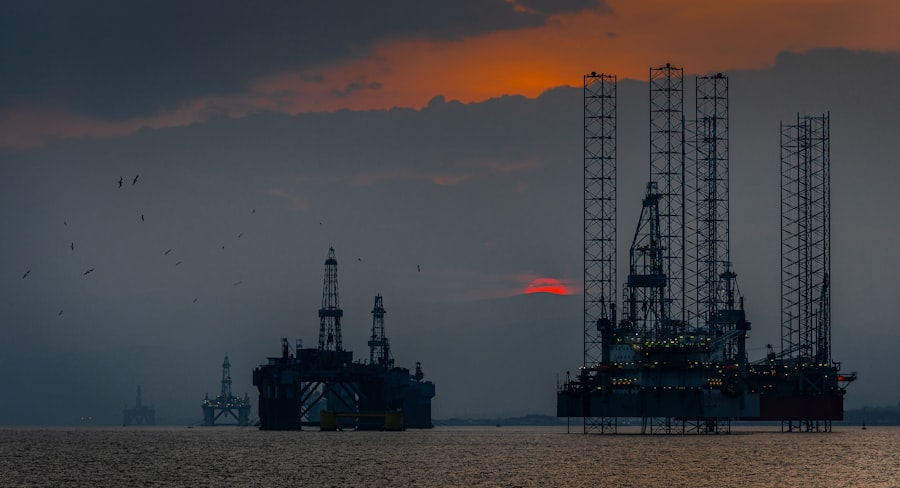
The North Sea petroleum industry is inherently sensitive to global economic conditions and geopolitical events. Fluctuations in oil and gas prices can dramatically impact investment decisions, profitability, and the pace of exploration and production. Furthermore, the geopolitical landscape can influence supply chains, trade routes, and the overall stability of energy markets.
Oil Price Volatility and Market Dynamics
The price of crude oil is influenced by a myriad of factors, including global demand, supply disruptions, geopolitical tensions, and the policies of major oil-producing nations. The North Sea industry, with its relatively high production costs, is particularly susceptible to periods of low oil prices. This can lead to reduced investment in new projects, delays in exploration, and even the premature closure of marginal fields. Conversely, periods of high prices can incentivize investment and boost profitability.
Supply Chain Resilience and Global Competition
The North Sea industry relies on a complex global supply chain for equipment, services, and expertise. Disruptions to these supply chains, whether due to natural disasters, pandemics, or geopolitical conflicts, can have significant impacts on project timelines and costs. Furthermore, the industry faces increasing competition from other major oil and gas producing regions around the world, some of which may have lower production costs. Maintaining competitiveness requires continuous innovation and efficiency improvements.
Geopolitical Stability and Energy Security
The geopolitical significance of energy cannot be overstated. The North Sea’s production contributes to the energy security of Europe and beyond. However, geopolitical instability in other regions can lead to supply disruptions, price shocks, and shifts in global energy flows. The ongoing conflict in Eastern Europe, for instance, has highlighted the importance of secure and diversified energy sources, creating new dynamics for North Sea production and the transition to alternative energy.
The North Sea petroleum industry has been a significant contributor to the energy sector in Europe, driving economic growth and technological advancements. For those interested in exploring the latest developments and challenges faced by this industry, a related article can provide valuable insights. You can read more about it in this detailed analysis that discusses the future of oil exploration and production in the region.
The Future of the North Sea: Diversification and Sustainable Energy
| Metrics | Data |
|---|---|
| Oil Production | 1.7 million barrels per day |
| Gas Production | 10.5 billion cubic feet per day |
| Number of Platforms | 184 |
| Employment | Over 300,000 jobs |
| Reserves | 24 billion barrels of oil equivalent |
The challenges facing the North Sea petroleum industry are undeniable, but they are also catalyzing a profound transformation. The industry is increasingly looking beyond traditional hydrocarbon extraction and embracing a future that integrates cleaner energy sources and sustainable practices. This pivot represents a significant opportunity for innovation, economic diversification, and long-term viability.
The Rise of Offshore Wind Power
Perhaps the most significant opportunity for the North Sea is its burgeoning offshore wind sector. The vast expanse of the sea, coupled with strong and consistent winds, makes it an ideal location for wind farms. The expertise, infrastructure, and experience in offshore operations developed by the petroleum industry are directly transferable to the construction and maintenance of offshore wind turbines. Companies are increasingly investing in wind energy, creating new jobs and revenue streams.
Hydrogen Production and CCUS Integration
The development of a hydrogen economy presents another exciting prospect for the North Sea. Hydrogen, produced either from natural gas with CCUS or through electrolysis powered by renewable energy, can serve as a clean fuel for various applications. The existing infrastructure and geological formations in the North Sea are also well-suited for carbon capture and storage, offering a pathway to decarbonize existing industrial processes and future energy production.
Skill Transition and Workforce Development
The transition to a more diversified energy landscape necessitates a significant focus on skill transition and workforce development. The highly skilled workforce within the North Sea petroleum industry, including engineers, technicians, and project managers, possesses transferable skills that are highly valuable in the renewable energy sector. Investing in retraining and upskilling programs is crucial to ensure a smooth transition and to retain valuable expertise within the region.
Collaboration and Partnerships for Innovation
Addressing the complex challenges and capitalizing on the emerging opportunities in the North Sea requires unprecedented collaboration and partnerships. This includes collaboration between energy companies, technology providers, research institutions, and governments. Joint ventures, industry consortia, and cross-sectoral initiatives are essential for sharing knowledge, pooling resources, and accelerating the development and deployment of new technologies and sustainable energy solutions. The North Sea has the potential to become a global leader not only in hydrocarbon production but also in the transition to a clean and sustainable energy future.

The Dangerous Sea Europe Can’t Live Without
FAQs
What is the North Sea petroleum industry?
The North Sea petroleum industry refers to the exploration, extraction, and production of petroleum and natural gas in the North Sea region, which is located off the coasts of Norway, Denmark, the United Kingdom, Germany, the Netherlands, Belgium, and France.
When did the North Sea petroleum industry begin?
The North Sea petroleum industry began in the 1960s when significant oil and gas reserves were discovered in the North Sea. This led to a boom in exploration and production activities in the region.
Which countries are involved in the North Sea petroleum industry?
The countries involved in the North Sea petroleum industry include Norway, Denmark, the United Kingdom, Germany, the Netherlands, Belgium, and France. Each of these countries has a stake in the exploration and production of petroleum and natural gas in the North Sea.
What are the major challenges facing the North Sea petroleum industry?
Some of the major challenges facing the North Sea petroleum industry include aging infrastructure, declining reserves, environmental concerns, and the transition to renewable energy sources. These challenges have led to efforts to innovate and adapt within the industry.
What is the future outlook for the North Sea petroleum industry?
The future outlook for the North Sea petroleum industry is influenced by factors such as technological advancements, market demand for oil and gas, environmental regulations, and the transition to renewable energy. While the industry faces challenges, there are ongoing efforts to maximize production from existing reserves and explore new opportunities in the region.