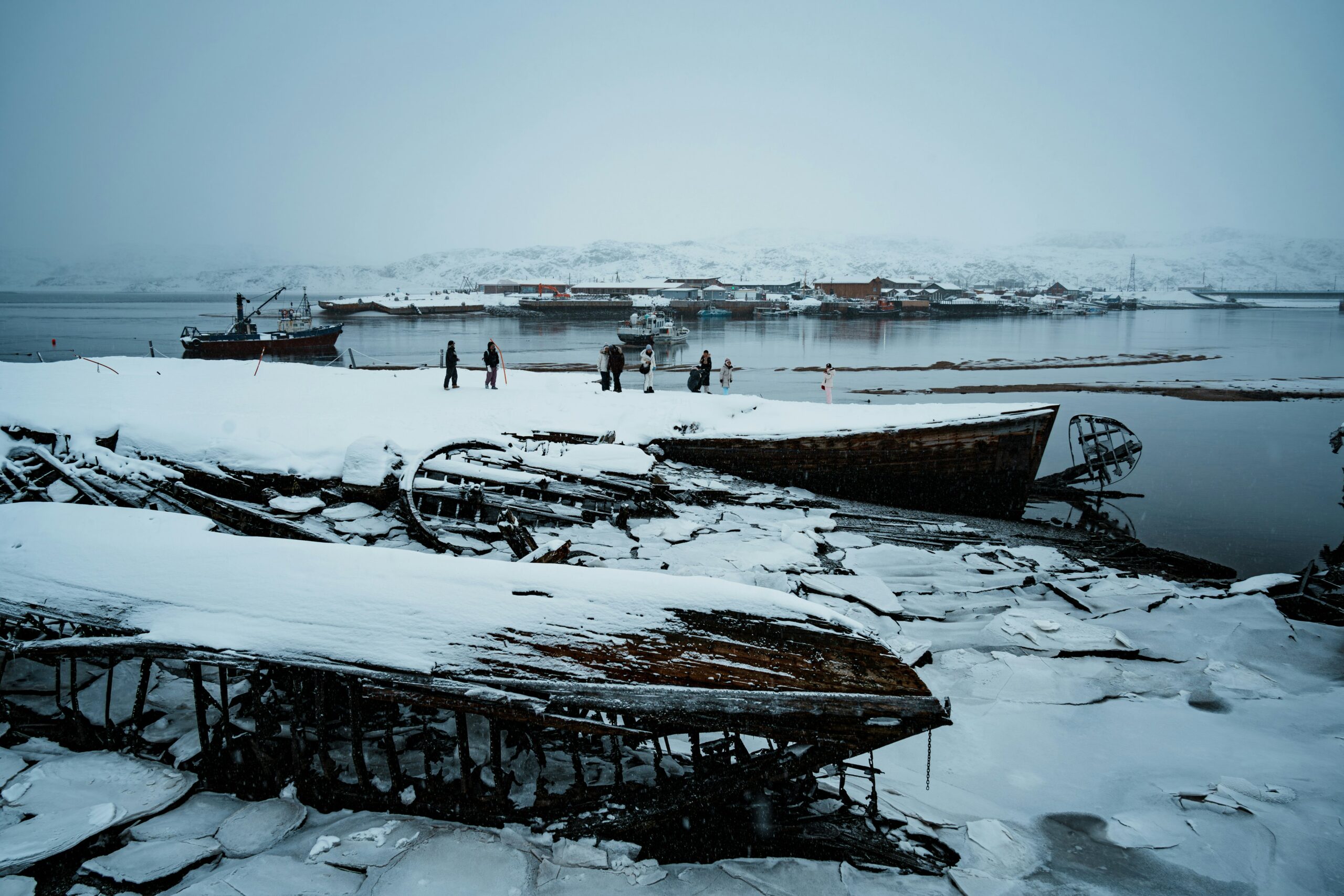
The North Sea, a vast and often tempestuous body of water separating the United Kingdom and mainland Europe, has been a crucible of human endeavor for centuries. However, its true transformation from a mere maritime route to a fount of immense wealth began in the mid-20th century, with the discovery of its colossal oil and gas reserves. This realization ushered in an era of unprecedented prosperity for the nations bordering its waters, particularly the United Kingdom, fundamentally reshaping its economy and energy landscape. Yet, this hydrocarbon bounty has not been without its inherent complexities and significant challenges, demanding continuous innovation, adaptation, and a keen awareness of its finite nature. The story of North Sea oil is, therefore, a compelling narrative of riches, innovation, risk, and an evolving relationship with a finite and increasingly scrutinized resource.
The initial explorations for oil and gas in the North Sea were born out of a growing global demand for energy and a strategic imperative for nations to secure their own supplies. While the geological potential had long been suspected, the technological hurdles and financial risks were considerable. Early seismic surveys and exploratory drilling campaigns were fraught with uncertainty, requiring significant investment and a pioneering spirit.
Early Geological Suspicions and the Quest for Hydrocarbons
Long before commercial exploitation, geologists and petroleum engineers had theorized about the hydrocarbon potential lying beneath the North Sea. The region’s geological history, characterized by ancient sedimentary basins and the presence of organic-rich source rocks, pointed towards the possibility of significant oil and gas accumulations. However, translating this geological knowledge into tangible discoveries required the development of sophisticated exploration technologies.
The Breakthrough: The Groningen Gas Field and the Norwegian Continental Shelf
While not strictly in the North Sea, the discovery of the massive Groningen gas field in the Netherlands in 1959 acted as a significant catalyst. This colossal find demonstrated the hydrocarbon potential of the wider region and spurred intensified exploration efforts across the North Sea. Following this, the Norwegian sector of the North Sea began to yield promising results, with early exploration focused on identifying gas reserves.
The Golden Moment: Ekofisk and the Birth of the UK Oil Industry
The true turning point for the United Kingdom’s involvement in North Sea oil came with the discovery of the Ekofisk oil field by the Phillips Petroleum Company in 1969. This was a monumental discovery, proving that commercially viable quantities of crude oil existed in the challenging North Sea environment. The Ekofisk field, located in the Norwegian sector but significantly impacting the UK’s outlook, marked the beginning of a new era, igniting a fierce race for exploration and production licenses across the entire basin. This discovery injected a potent sense of optimism and urgency, fundamentally altering the economic and political landscape.
The history of North Sea oil is a fascinating journey that has significantly shaped the energy landscape of Europe. For those interested in exploring this topic further, a related article can be found at My Geo Quest, which delves into the exploration, extraction, and economic impact of oil in the North Sea. This resource provides valuable insights into how this vital energy source has influenced both the region and global markets over the decades.
The Age of Extraction: Engineering Marvels in a Hostile Environment
Extracting oil and gas from the North Sea presented unprecedented engineering challenges. The harsh weather conditions, deep waters, and the immense pressure of the reservoirs demanded innovative solutions and the development of specialized offshore infrastructure. This period saw a rapid evolution of technology and a significant increase in investment, transforming the North Sea into a hub of offshore engineering expertise.
Designing for the Storm: The Evolution of Offshore Platforms
The relentless storms and towering waves of the North Sea necessitated the design and construction of robust and resilient offshore platforms. Early platforms were relatively simple, but as exploration moved into deeper waters and more exposed areas, sophisticated designs like fixed steel platforms, gravity-based structures (GBS), and eventually floating production, storage, and offloading (FPSO) vessels became essential. Each advancement in platform technology represented a leap in the ability to access and extract these valuable resources.
Fixed Steel Platforms: The Backbone of Early Production
These massive steel structures, anchored to the seabed, formed the initial backbone of North Sea production. Their construction involved immense logistical challenges, with sections fabricated onshore and then transported and assembled offshore. Despite their limitations in deeper waters, they proved highly effective in the shallower regions and were instrumental in establishing the initial production infrastructure.
Gravity-Based Structures (GBS): Leveraging Nature’s Force
GBS platforms, often constructed from concrete, are designed to sit directly on the seabed under their own immense weight. This design provides exceptional stability in rough seas and allows for the integration of large storage tanks within the structure itself. Iconic GBS platforms like Brent Delta and Cormorant Alpha became symbols of North Sea engineering prowess.
Floating Production, Storage, and Offloading (FPSO) Vessels: Flexibility and Adaptability
As the industry ventured into more remote and deeper parts of the North Sea, FPSOs emerged as a more flexible and cost-effective solution. These are typically converted or purpose-built ships that can remain on station for extended periods, processing, storing, and offloading crude oil to shuttle tankers. Their mobility and adaptability made them ideal for marginal fields or areas where fixed installations were not economically viable.
Subsea Technology: Reaching the Depths
Beyond the platforms, a vast network of subsea infrastructure became crucial. This included pipelines to transport oil and gas to shore, flowlines to connect wells to platforms, and subsea processing equipment. The development of remotely operated vehicles (ROVs) and advanced welding techniques were vital in laying and maintaining these complex underwater systems.
The Role of Pipelines: Arteries of Energy
Pipelines are the unsung heroes of the North Sea oil and gas industry. These immense arteries transport billions of barrels of oil and cubic meters of gas from offshore installations to onshore terminals. Laying these pipelines across the often-uneven seabed, in challenging weather conditions, required groundbreaking engineering and logistical feats. The sheer scale of these projects highlights the ambition and capability of the industry.
Economic Boom and Societal Impact: A Nation Transformed
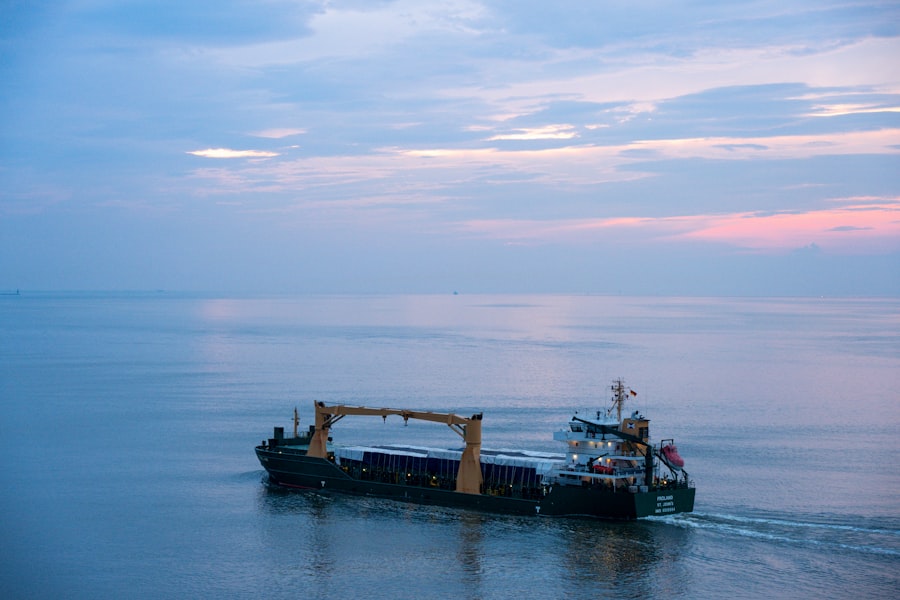
The revenues generated from North Sea oil and gas had a profound and transformative impact on the economies of the United Kingdom and Norway, in particular. For the UK, it arrived at a time of economic stagnation and provided a much-needed boost, altering its fiscal position and influencing its place on the global stage.
Fiscal Windfalls and Economic Revitalization
The substantial tax revenues and royalty payments from North Sea operations provided governments with significant financial resources. This “fiscal windfall” allowed for increased public spending, investment in infrastructure, and a reduction in national debt. For the UK, it offered a reprieve from a period of economic difficulty, contributing to a notable improvement in its balance of payments.
Job Creation and Skill Development
The North Sea oil and gas industry became a major employer, creating tens of thousands of direct and indirect jobs. From engineers and geoscientists to rig workers and support staff, the demand for skilled labor surged. This spurred the development of specialized training programs and fostered a culture of innovation and expertise in offshore operations.
The Rise of Aberdeen and the Scottish Economy
The Scottish city of Aberdeen, strategically located near the major North Sea oil fields, became the undisputed “Oil Capital of Europe.” Its transformation was dramatic, with new infrastructure, businesses, and a booming population drawn by the opportunities. The wealth generated significantly boosted the Scottish economy, although it also raised questions about regional disparities and future economic diversification.
Geopolitical Significance and Energy Independence
North Sea oil and gas played a crucial role in enhancing the energy security of the United Kingdom and other European nations. It reduced reliance on imports from potentially unstable regions, providing a greater degree of energy independence and influencing foreign policy decisions. This strategic advantage was a significant outcome of the North Sea’s hydrocarbon bounty.
Declining Fortunes and Evolving Challenges: The New Reality
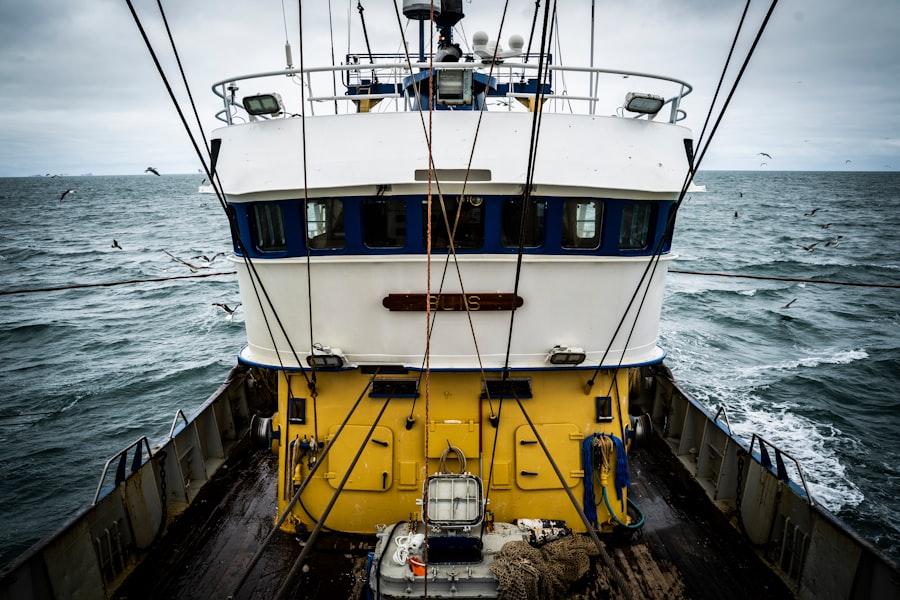
As the North Sea matured, the easily accessible and economically viable reserves began to dwindle. This marked the beginning of a new phase, characterized by declining production, increasing costs, and a growing awareness of the environmental implications of hydrocarbon extraction. The industry has had to adapt to these evolving challenges, demanding greater efficiency and a forward-looking approach.
The Concept of Peak Oil and Declining Production
The concept of “peak oil” – the point at which global oil production reaches its maximum rate and then begins to decline – became a relevant consideration for the North Sea. As the larger, more productive fields entered their later stages of life, production volumes inevitably began to fall. This decline presented a significant economic and strategic challenge for the nations that had become reliant on these resources.
Increasing Extraction Costs and Marginal Fields
Extracting the remaining oil and gas from the North Sea has become increasingly challenging and expensive. Reserves are often smaller, located in more difficult-to-access areas, or require more sophisticated and costly extraction techniques. The economic viability of developing “marginal fields” – those with smaller reserves – has become a key focus, requiring innovation in technology and cost reduction strategies.
The Shadow of Decommissioning: A New Environmental Frontier
With the depletion of fields and the aging of offshore infrastructure, the issue of decommissioning has emerged as a significant environmental and financial challenge. The safe and responsible dismantling of platforms, pipelines, and other structures presents a complex undertaking, requiring careful planning and substantial investment. This new frontier demands innovative solutions to minimize environmental impact.
The Complexities of Platform Removal
The removal of offshore platforms, some of which weigh hundreds of thousands of tons, is a massive logistical and engineering feat. Decisions regarding whether to remove entire structures, partially dismantle them, or leave certain components in place are complex and often debated, with significant environmental and economic considerations.
Pipeline End-of-Life Management
Similarly, the vast network of subsea pipelines requires careful management at the end of their operational life. Decommissioning strategies aim to prevent pollution and ensure the safety of the marine environment, often involving flushing, cleaning, and burial or removal of sections.
The history of North Sea oil is a fascinating journey that has significantly impacted the economies and geopolitics of the surrounding nations. For those interested in exploring this topic further, a related article provides an in-depth analysis of the developments in the North Sea oil industry and its implications for energy policy. You can read more about it in this insightful piece on North Sea oil history. This exploration not only highlights the technological advancements but also examines the environmental considerations that have emerged over the decades.
The Future of North Sea Hydrocarbons: Transition and Innovation
| Year | Event |
|---|---|
| 1851 | First offshore well drilled in the North Sea |
| 1965 | First commercial oil discovery in the North Sea |
| 1970 | First oil production from the North Sea |
| 1975 | Peak production of North Sea oil |
| 2015 | Decline in North Sea oil production |
The North Sea’s story is far from over. While the era of peak production may have passed, the region remains a significant source of energy. The industry is now grappling with the imperative of transitioning towards a lower-carbon future, while simultaneously seeking to maximize the value of its remaining hydrocarbon resources and leverage its expertise for new energy ventures.
The Push for Energy Transition and Decarbonization
The global imperative to address climate change has placed significant pressure on the fossil fuel industry. The North Sea is no exception, with a growing focus on reducing emissions from existing operations and exploring opportunities in renewable energy sources. This transition is a monumental undertaking, requiring substantial investment and a fundamental shift in strategic direction.
Carbon Capture, Utilization, and Storage (CCUS): A Potential Game Changer
CCUS technologies offer a potential pathway for reducing the carbon footprint of the North Sea’s remaining oil and gas production. By capturing CO2 emissions from industrial processes and either utilizing them or storing them underground, the industry can mitigate its environmental impact. The North Sea’s geological formations are seen as particularly well-suited for CO2 storage.
The Rise of Offshore Wind: A New Horizon
The strong winds and established offshore infrastructure in the North Sea have made it a prime location for the development of offshore wind farms. The expertise and experience gained from decades of hydrocarbon extraction are proving invaluable in the planning, construction, and operation of these renewable energy projects, signaling a significant diversification of the region’s energy landscape.
Maximizing Remaining Reserves: Enhanced Oil Recovery (EOR)
To extend the productive life of existing fields and extract as much oil and gas as possible, companies are employing Enhanced Oil Recovery (EOR) techniques. These methods involve injecting substances like water, gas, or chemicals into the reservoir to increase the pressure and mobilize more of the remaining hydrocarbons, offering a way to squeeze further value from mature fields.
Leveraging Expertise for New Energy Frontiers
The North Sea oil and gas industry has developed unparalleled expertise in complex engineering, project management, and offshore operations. This accumulated knowledge base is proving to be a significant asset as the region explores new energy frontiers, including geothermal energy and hydrogen production, further cementing its role in the evolving global energy landscape. The lessons learned from decades of managing riches and challenges in the North Sea will undoubtedly shape the future of energy.

The Dangerous Sea Europe Can’t Live Without
FAQs
What is the history of North Sea oil?
The history of North Sea oil dates back to the 1960s when significant oil and gas reserves were discovered in the North Sea. This discovery led to a boom in oil production and exploration in the region, transforming the economies of the countries bordering the North Sea.
Which countries are involved in North Sea oil production?
The main countries involved in North Sea oil production are the United Kingdom, Norway, Denmark, Germany, and the Netherlands. The UK and Norway are the largest producers, with the UK sector of the North Sea being particularly significant.
What impact has North Sea oil had on the economies of the countries involved?
North Sea oil has had a significant impact on the economies of the countries involved, particularly the UK and Norway. It has contributed to economic growth, job creation, and government revenue through taxes and royalties. However, the industry has also faced challenges such as fluctuating oil prices and declining reserves.
What are some key milestones in the history of North Sea oil production?
Some key milestones in the history of North Sea oil production include the discovery of the first major oil field, the Brent field, in 1971, the development of advanced drilling and extraction technologies, and the establishment of major oil and gas companies operating in the region.
What is the current outlook for North Sea oil production?
The current outlook for North Sea oil production is mixed. While the region continues to produce significant amounts of oil and gas, there are concerns about declining reserves and the need for investment in new exploration and production technologies. The industry is also facing increasing pressure to transition towards renewable energy sources in line with global climate goals.