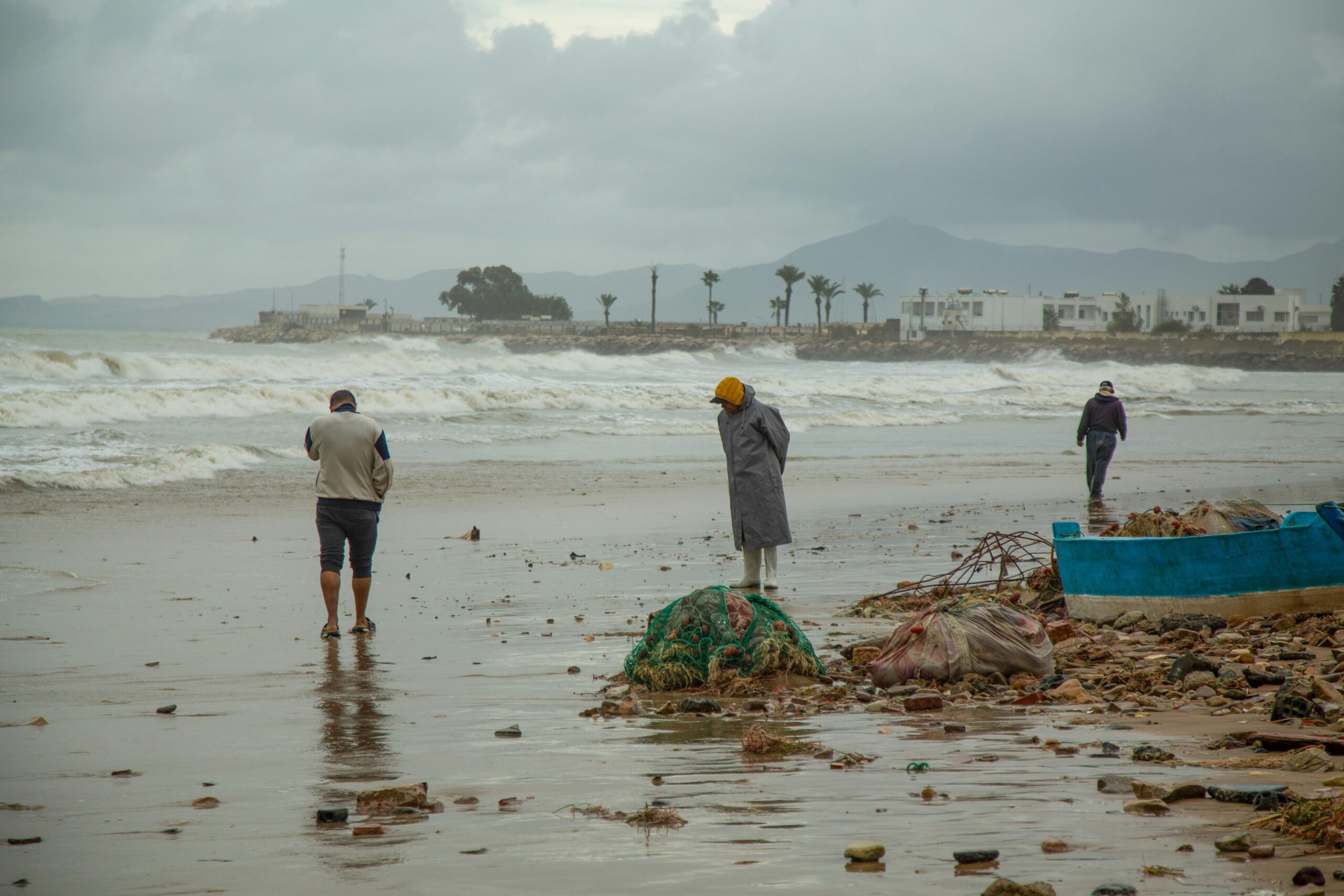
The vast, often tempestuous expanse of the North Sea, a cradle of vital energy resources for Europe, has also been a theatre of profound human tragedy. For decades, intrepid men and women have braved its unforgiving conditions to extract oil and gas, fueling industrial progress and economic prosperity. Yet, this endeavor has not been without its devastating costs. The history of North Sea offshore operations is punctuated by catastrophic accidents, each a stark reminder of the inherent risks involved and the relentless pursuit of safety that must underpin every decision made on these remote platforms. Learning from these tragedies has been a slow, often painful, but ultimately crucial process, shaping the stringent regulations and advanced technologies that govern offshore operations today.
The discovery of significant hydrocarbon reserves in the North Sea in the 1960s ignited a boom in offshore exploration and production. This new frontier, however, presented unprecedented challenges. Operating in deep waters, exposed to severe weather, and far from land, workers faced a unique set of dangers. The early years, characterized by a less mature understanding of the risks and a nascent regulatory framework, unfortunately, saw a higher incidence of accidents.
Pioneering Technology, Unforeseen Vulnerabilities
The initial infrastructure erected on the seabed relied on technologies that, while cutting-edge for their time, were still being tested under the extreme conditions of the North Sea. These platforms, often massive steel structures, were designed to withstand immense forces, but their very complexity could introduce new points of failure. The remote nature of operations also meant that rescue and emergency response were significantly more challenging than on land.
Design Flaws and Material Stress
Early platform designs, while robust, sometimes lacked the foresight to account for the cumulative effects of fatigue from constant wave action, corrosive saltwater, and the relentless battering of North Sea gales. Materials were pushed to their limits, and subtle design flaws, overlooked in the initial planning stages, could manifest as catastrophic failures under stress. The sheer scale of these structures meant that any structural integrity issue could have devastating consequences.
Human Factors in a High-Risk Environment
The human element, always a critical factor in any industrial operation, became amplified in the offshore environment. Long working hours, isolation, and the constant psychological pressure of operating in a hazardous setting could contribute to fatigue and errors. Communication, vital for coordination and safety, was also more complex across vast distances and often through challenging radio conditions.
The North Sea has been the site of numerous offshore disasters, highlighting the risks associated with oil and gas extraction in challenging environments. A related article that delves into the history and impact of these incidents can be found at MyGeoQuest, where it explores the safety measures implemented over the years and the lessons learned from past tragedies.
The Regulatory Vacuum and the Price of Experience
In the early stages of North Sea exploitation, the regulatory landscape was still being defined. While industry standards existed, a comprehensive and unified international framework for offshore safety was still in its infancy. This meant that some operators might have prioritized production over safety in a competitive rush to tap into the rich resources. The painful lessons learned from early incidents, though, were instrumental in forcing governments and industry bodies to develop more rigorous safety protocols

The Dangerous Sea Europe Can’t Live Without
FAQs

What are some of the major offshore disasters in the North Sea?
Some of the major offshore disasters in the North Sea include the Piper Alpha disaster in 1988, the Alexander Kielland disaster in 1980, and the Ocean Ranger disaster in 1982.
What were the causes of these offshore disasters?
The Piper Alpha disaster was caused by a gas leak and subsequent explosion, the Alexander Kielland disaster was caused by structural failure, and the Ocean Ranger disaster was caused by severe weather conditions leading to the rig capsizing.
What were the impacts of these offshore disasters?
These offshore disasters resulted in significant loss of life, environmental damage, and financial costs. They also led to major changes in offshore safety regulations and practices.
How have offshore safety regulations changed as a result of these disasters?
Following these disasters, there have been significant improvements in offshore safety regulations, including stricter safety standards, improved emergency response procedures, and increased focus on risk management.
What measures are in place to prevent future offshore disasters in the North Sea?
Measures to prevent future offshore disasters in the North Sea include regular safety inspections, improved training for personnel, advanced technology for monitoring and detecting potential hazards, and a strong emphasis on safety culture within the industry.