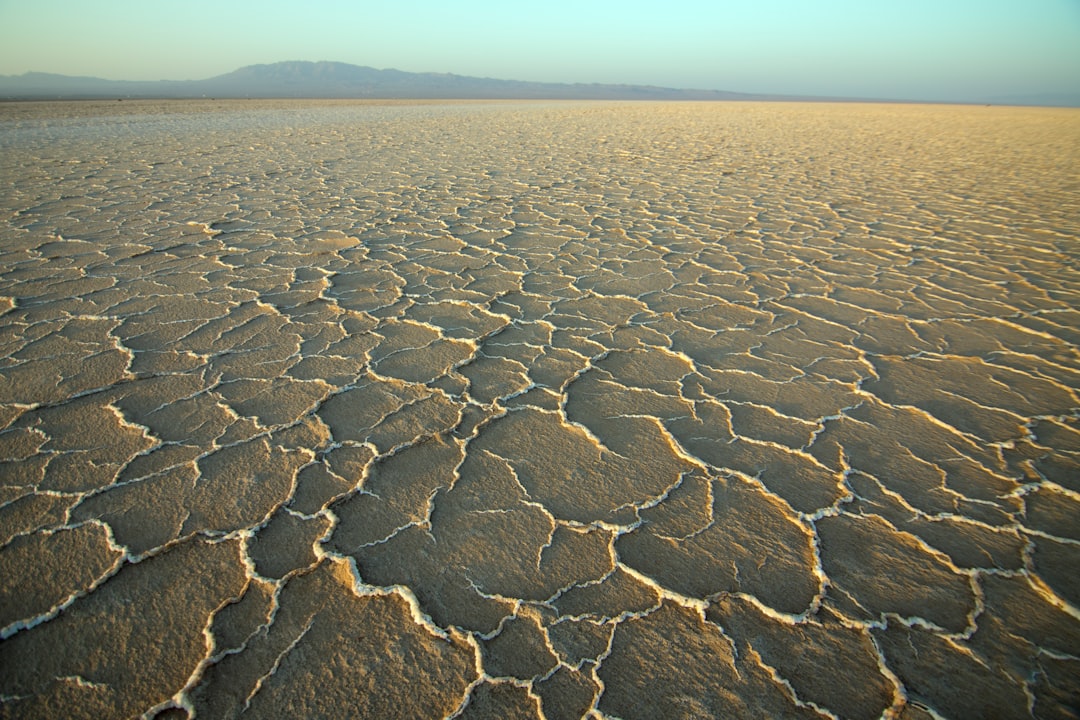
The North China Plain, a vast and fertile expanse crucial to China’s agricultural output, is experiencing an alarming rate of aquifer depletion. This groundwater over-extraction, driven by decades of intense agricultural demand and expanding industrialization, poses a significant threat to the region’s long-term food security and presents a complex challenge for national policy and sustainable resource management.
The North China Plain is one of the world’s most productive agricultural regions, accounting for a substantial portion of China’s grain production, particularly wheat and corn. This agricultural prowess, however, has been built on a foundation of increasingly exploited groundwater resources. For decades, farmers have relied heavily on irrigation, with groundwater serving as the primary source, especially during dry seasons and for supplementing inadequate rainfall. This reliance has led to a dramatic and concerning drop in water tables across the plain.
Historical Context of Groundwater Use
The intensive use of groundwater in the North China Plain is not a recent phenomenon. Following the establishment of the People’s Republic of China, significant efforts were made to boost agricultural productivity to feed a rapidly growing population. Irrigation projects, often drawing from underground reserves, were a cornerstone of this strategy. Early on, the sheer abundance of groundwater masked the long-term implications of its extraction.
Quantifying the Depletion
Scientific studies, employing a range of data, including satellite observations and on-the-ground monitoring, have painted a stark picture of declining groundwater levels. These studies consistently indicate that the rate of groundwater withdrawal significantly exceeds the natural recharge rate. Some regions have witnessed drops of several meters per decade in water tables. This downward trend is not uniform across the entire plain but is pronounced in key agricultural areas.
The Consequences of Lowered Water Tables
The environmental repercussions of such extensive depletion are multifaceted. The most immediate impact is the increasing effort and cost required to extract water, necessitating deeper wells and more powerful pumps. This increased energy consumption also contributes to greenhouse gas emissions. Furthermore, the physical subsidence of land due to the removal of subsurface water can cause damage to infrastructure and alter topography.
The depletion of the North China Plain aquifer poses significant challenges to food security in the region, as it directly impacts agricultural productivity and water availability. A related article that delves deeper into this issue can be found at My GeoQuest, where the implications of groundwater depletion on crop yields and sustainable farming practices are discussed. Understanding these dynamics is crucial for developing strategies to ensure food security in the face of dwindling water resources.
The Agricultural Backbone: Groundwater’s Role in Food Production
The North China Plain’s status as a primary breadbasket for China is intrinsically linked to its extensive irrigation systems, which are heavily dependent on groundwater. The reliability of these subsurface water sources has enabled consistent crop yields, even in years of erratic surface water availability. This dependency, however, has created a vulnerability that is becoming increasingly apparent.
Dominance of Water-Intensive Crops
The region is a major producer of staple grains like wheat and corn, both of which are water-intensive crops. The economic incentives and historical agricultural practices have favored the cultivation of these crops, further exacerbating the demand for irrigation. The subsidies and policies aimed at ensuring national food self-sufficiency have, in some ways, inadvertently reinforced this water-intensive model.
The Irrigation Infrastructure
A vast network of irrigation canals, wells, and pumping stations has been developed over many decades to support agriculture across the North China Plain. This infrastructure, while instrumental in past successes, is now a testament to the scale of groundwater reliance. Maintaining and expanding this network to access ever-deeper groundwater reserves represents a significant ongoing investment.
Technological Advancements and Their Impact
While technological advancements in irrigation, such as drip irrigation, offer potential for water conservation, their widespread adoption across the North China Plain is still a work in progress. The older, more water-inefficient methods remain prevalent in many areas. The economic feasibility of adopting newer, more efficient technologies can be a barrier for individual farmers, highlighting the need for government support and incentives.
Environmental Repercussions Beyond Water Availability

The depletion of aquifers in the North China Plain extends its impact beyond simply reducing the volume of accessible water. The ecological consequences are far-reaching and can create cascading negative effects.
Land Subsidence: A Sinking Landscape
As groundwater is extracted, the pore spaces in the soil and rock layers that held the water become empty. This can lead to a compaction of these materials, causing the land surface to sink. In densely populated and industrialized areas like the North China Plain, land subsidence can damage buildings, roads, bridges, and underground utilities. It can also exacerbate flooding in low-lying areas by reducing the natural drainage capacity of the land.
Salinization of Soil and Water
In coastal regions of the North China Plain, excessive groundwater pumping can lead to the intrusion of saltwater from the Bohai Sea into freshwater aquifers. This salinization renders both the groundwater and the affected soil unsuitable for many agricultural purposes, reducing crop yields and requiring costly remediation efforts.
Impact on Ecosystems and Biodiversity
The reduction in groundwater levels can also affect surface water bodies that are connected to aquifers. Rivers, lakes, and wetlands in the region may experience reduced flow or even disappear, impacting aquatic ecosystems and the biodiversity they support. This can have knock-on effects on terrestrial wildlife that rely on these water sources.
Threats to Food Security: A Looming Challenge
The sustained depletion of groundwater in the North China Plain presents a clear and present danger to China’s ability to feed its population reliably. The region’s agricultural productivity is directly threatened, with potential implications for national food prices, supply chain stability, and social order.
Reduced Agricultural Yields
As groundwater becomes scarcer and more expensive to access, farmers may be forced to reduce the irrigated area or shift to less water-intensive crops. In either scenario, the overall productivity of the North China Plain will likely decline. This reduction in yields directly impacts the national supply of essential grains.
Increased Production Costs
The increased energy required for deeper well extraction and the potential need for water treatment to address salinization or contamination will drive up the cost of agricultural production. These higher costs can translate to increased food prices for consumers or reduced profitability for farmers, potentially leading to abandonment of agricultural land.
Dependence on Other Regions and Imports
If the North China Plain’s agricultural output diminishes, China will become more reliant on other domestic regions or international markets to meet its food demands. This increased dependence can introduce new vulnerabilities related to climate change impacts in other areas, geopolitical instability, and global commodity price fluctuations.
Water-Energy-Food Nexus Challenges
The situation highlights the complex interdependencies within the water-energy-food nexus. Addressing groundwater depletion requires significant energy for pumping, and water scarcity impacts food production, which in turn influences energy consumption for food processing and transportation. Policies must consider these interconnected challenges holistically.
The depletion of the North China Plain aquifer poses significant challenges to food security in the region, as the reliance on groundwater for irrigation becomes increasingly unsustainable. This issue is further explored in a related article that discusses the implications of water scarcity on agricultural productivity and the potential strategies for mitigating these effects. For more insights on this critical topic, you can read the full article here. Addressing these challenges is essential for ensuring a stable food supply in one of the world’s most densely populated areas.
Policy Interventions and Sustainable Solutions
| Metrics | Data |
|---|---|
| Aquifer Depletion | 10 billion cubic meters per year |
| Food Security | Challenges due to water scarcity |
| Population Affected | Over 200 million people |
| Impact on Agriculture | Decreased crop yields and agricultural productivity |
Recognizing the gravity of the situation, the Chinese government has begun to implement policies aimed at mitigating groundwater depletion and promoting more sustainable water management practices. However, the scale of the challenge requires sustained and multifaceted interventions.
Water Allocation and Management Reforms
Efforts are underway to improve water resource management, including the establishment of stricter quotas for groundwater extraction and the promotion of integrated river basin management. These reforms aim to balance competing demands from agriculture, industry, and urban areas.
Promotion of Water-Saving Technologies
Government incentives and extension services are being deployed to encourage the adoption of water-efficient irrigation techniques, such as drip and sprinkler irrigation, as well as drought-resistant crop varieties. The aim is to reduce the water footprint of agriculture on the North China Plain.
Diversion of Water Resources
Historically, China has undertaken massive water diversion projects, such as the South-to-North Water Diversion Project, to transfer water from wetter southern regions to the arid north. While these projects provide some relief, they are expensive, environmentally impactful, and do not represent a long-term sustainable solution to the underlying consumption patterns.
Restructuring Agricultural Practices
Encouraging a shift away from water-intensive crops towards more drought-tolerant alternatives, or exploring precision agriculture techniques that optimize water use, are crucial long-term strategies. This may require significant changes in farming practices and market incentives.
Public Awareness and Education
Raising public awareness about the severity of the water crisis and the importance of water conservation at all levels of society is vital. Educating farmers on best practices for water management and consumers on the value of water can contribute to behavioral change.
The future of the North China Plain, and by extension, a significant component of China’s food security, hinges on the effective implementation of sustainable water management strategies. The ongoing depletion of its aquifers is a stark reminder of the delicate balance between human needs and environmental limits, a balance that demands urgent and concerted action.
FAQs
What is the North China Plain aquifer depletion?
The North China Plain aquifer depletion refers to the significant decrease in the water levels of the aquifer beneath the North China Plain, which is a major agricultural region in China. This depletion is primarily due to excessive groundwater extraction for irrigation and industrial use.
How does the North China Plain aquifer depletion impact food security?
The depletion of the North China Plain aquifer has a direct impact on food security in the region. As water levels drop, it becomes more challenging for farmers to access water for irrigation, leading to reduced crop yields and potential food shortages. This poses a threat to the overall food security of the region and has broader implications for China’s food supply.
What are the causes of the North China Plain aquifer depletion?
The primary causes of the North China Plain aquifer depletion are excessive groundwater extraction for agricultural and industrial purposes, as well as rapid urbanization and population growth in the region. These factors have led to a significant imbalance between water extraction and natural recharge, resulting in the depletion of the aquifer.
What measures are being taken to address the North China Plain aquifer depletion?
The Chinese government has implemented various measures to address the depletion of the North China Plain aquifer, including strict regulations on groundwater extraction, the promotion of water-saving irrigation techniques, and the development of alternative water sources such as surface water and reclaimed water. Additionally, efforts are being made to improve water management and conservation practices in the region.
What are the potential long-term consequences of the North China Plain aquifer depletion?
The long-term consequences of the North China Plain aquifer depletion could include further declines in agricultural productivity, increased competition for water resources, and potential social and economic disruptions in the region. Additionally, the depletion of the aquifer may have broader environmental impacts, such as land subsidence and degradation of ecosystems. Addressing this issue is crucial for ensuring the long-term sustainability of food production and water resources in the North China Plain.