
Food subsidies in North Africa have long been a cornerstone of economic and social policy, designed to ensure food security and maintain political stability. These subsidies, often targeting staple grains such as wheat and bread, represent a significant portion of government expenditure across countries like Egypt, Algeria, Morocco, and Tunisia. However, the sustainability of these policies is increasingly challenged by a complex interplay of factors, none more potent than the escalating risks associated with water scarcity. Water, the lifeblood of agriculture, is a finite and increasingly strained resource in this arid region, and the current food subsidy model, inadvertently, acts as a powerful amplifier of these water-related vulnerabilities. Understanding this delicate balance is crucial for charting a sustainable future for North Africa.
The practice of subsidizing food in North Africa is not a recent phenomenon. It emerged as a strategic response to a confluence of historical, political, and economic realities. Following independence, many North African nations inherited economies heavily reliant on agriculture but faced significant challenges in ensuring adequate food supplies for burgeoning populations. Imported grains were often a necessity, and domestic production, while prioritized, struggled to keep pace with demand.
Historical Context and Political Imperatives
The roots of food subsidies run deep, often intertwined with nation-building efforts and the desire to prevent widespread unrest. Governments recognized that access to affordable bread and basic foodstuffs was a fundamental requirement for social cohesion. In many instances, these subsidies served as a direct mechanism to appease the populace and preempt political instability, effectively acting as a safety net against potential shocks whether from global commodity price fluctuations or domestic crop failures. The political capital gained from ensuring affordable food was, and remains, substantial.
Economic Structures and Agricultural Dependence
North African economies, while diversifying, still retain a significant agricultural sector. This dependence creates a dual imperative: ensuring the viability of the agricultural sector for employment and domestic production, and simultaneously guaranteeing affordability for consumers. Subsidies, therefore, often function as a way to bridge the gap between the cost of production (including inputs like water, energy, and labor) and the price consumers can afford. This has, historically, led to a system where agricultural producers are incentivized to cultivate water-intensive crops, unaware or unconcerned with the long-term water costs.
The Bread Basket Concept: A Double-Edged Sword
The emphasis has often been on maintaining the “bread basket” – ensuring a consistent supply of staple grains. While this has undeniably contributed to averting widespread hunger, it has also fostered a perception of food as an inalienable right, decoupled from its true cost of production, particularly the cost of the water required to grow it. This decoupling has created a distorted market signal, where the most precious resource is, in effect, the least valued in the consumption chain.
In exploring the intricate relationship between food subsidies and water risk in North Africa, a related article can provide further insights into the challenges faced by the region. The article discusses how the reliance on food subsidies can exacerbate water scarcity issues, particularly in arid areas where agricultural practices are heavily dependent on limited water resources. For more details, you can read the full article at My Geo Quest.
Water Scarcity: The Looming Crisis
North Africa is characterized by its arid and semi-arid climate, with significant portions of its landmass receiving minimal rainfall. The region’s water resources are already stretched thin, and the pressures of population growth, increased agricultural demand, and the looming specter of climate change are exacerbating this scarcity to critical levels.
Declining Renewable Water Resources
The availability of renewable freshwater resources per capita in North Africa is among the lowest globally. Rivers and groundwater aquifers, the primary sources of water for agriculture, are being depleted at an unsustainable rate. Over-extraction for irrigation, coupled with erratic rainfall patterns due to climate change, means that the replenishment rates are failing to keep up with the demand. This creates a situation where every drop of water becomes increasingly precious, yet the current subsidy system implicitly encourages its profligate use.
The Impact of Climate Change: A Magnifying Glass
Climate change is not a distant threat; it is a present reality for North Africa. Rising temperatures lead to increased evaporation from water bodies and soil, further reducing available water. Changes in precipitation patterns, with more intense but less frequent rainfall events, make water management more challenging, leading to both floods and droughts. These climatic shifts act as a magnifying glass on existing water stress, pushing the region closer to a tipping point.
Groundwater Depletion: A Silent Drain
A significant portion of irrigation in North Africa relies on groundwater. This reliance is particularly concerning as many aquifers are non-renewable or recharge at extremely slow rates. The intensive pumping of groundwater for agriculture, often fueled by the subsidized prices of crops, is leading to a silent drain, lowering water tables and increasing the salinity of remaining groundwater, rendering it less suitable for irrigation. This is akin to a family continuously withdrawing from a savings account without any deposits.
The Subsidy-Consumption Nexus: An Unsustainable Cycle

The current food subsidy system, in its well-intentioned pursuit of food security, has inadvertently fostered a consumption pattern that places immense pressure on scarce water resources. The artificial low prices of subsidized grains encourage their widespread use, directly translating into a higher demand for the water required to produce them.
Water-Intensive Crops and Their Hidden Costs
Wheat, a primary subsidized crop, is notoriously water-intensive. Its cultivation requires significant irrigation, especially in the often-unfavorable conditions of North Africa. By subsidizing wheat consumption, governments are implicitly subsidizing the water used in its production. This creates a disconnect between the price consumers pay for bread and the true cost of the water that went into its making. The true cost is hidden within the broader national expenditure on water infrastructure, desalinization, and the environmental degradation associated with over-extraction.
Driving Demand Through Affordability
The affordability of subsidized food directly fuels demand. When staple grains are cheap, populations are more likely to consume them in larger quantities, and in a wider variety of forms, often leading to increased food waste. This elevated demand translates into a proportional increase in the demand for water for agricultural production. It’s like offering a free buffet; the more food available, the more people will take, and some will inevitably go unused.
The Opportunity Cost of Water
The vast quantities of water allocated to subsidized grain production represent a significant opportunity cost. This water could potentially be diverted to other, less water-intensive sectors, or to more efficient agricultural practices, or even to domestic and industrial use, where its value might be higher and its allocation more meticulously managed. The current system, however, traps this precious resource in a cycle of subsidized production.
The Search for Sustainable Solutions: Reforming the Subsidy Model
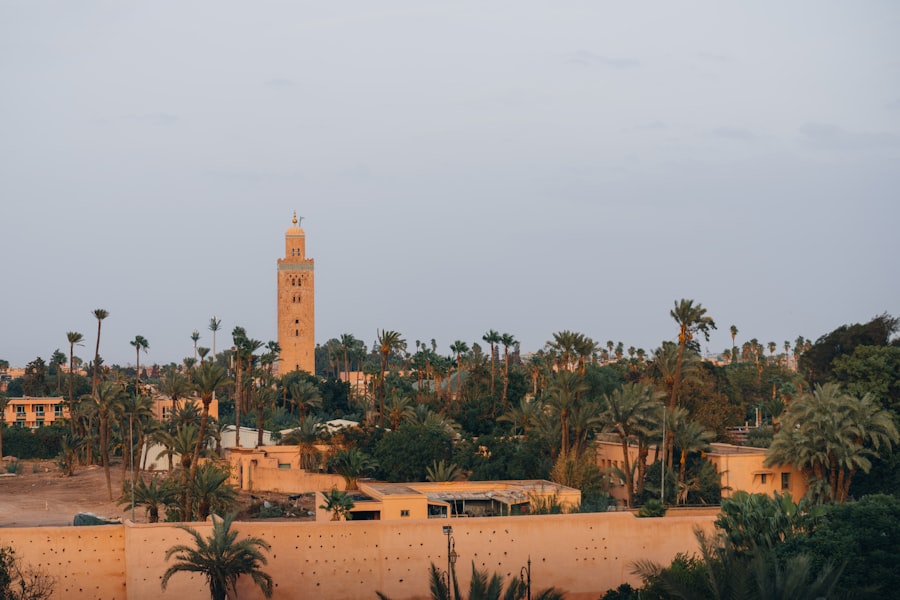
Addressing the water risk inherent in North Africa’s food subsidy system requires a fundamental rethinking of the current model. A pivot towards more sustainable practices, incorporating water pricing, efficiency measures, and diversification, is essential for long-term food and water security.
Gradual Deregulation and Targeted Support
A complete and abrupt removal of subsidies is politically unfeasible and would likely lead to significant social disruption. However, a gradual deregulation of prices, coupled with targeted support for vulnerable populations, can help bridge the gap. This could involve direct cash transfers to low-income households, enabling them to purchase food at market prices while cushioning the impact of price increases. This approach shifts the focus from subsidizing a commodity to directly supporting those who need assistance.
Promoting Water-Efficient Agriculture
Investing in and incentivizing water-efficient agricultural techniques is paramount. This includes promoting drip irrigation, modern water management systems, and the cultivation of drought-resistant crops. Governments can play a crucial role by providing subsidies for water-saving technologies, offering training and extension services, and reforming land tenure policies to encourage responsible water use. This is akin to upgrading from a leaky faucet to a low-flow showerhead – a significant saving over time.
Diversification of Agricultural Production
Over-reliance on a few water-intensive staple grains makes the entire food system vulnerable. Encouraging diversification towards less water-dependent crops, such as legumes, certain vegetables, and fruits that are better suited to the local climate, can reduce the overall water footprint of the agricultural sector. This diversification also enhances dietary diversity and nutritional security.
In recent discussions about the challenges facing North Africa, the issue of food subsidies and water risk has become increasingly prominent. A related article explores the intricate balance between agricultural sustainability and water resource management in the region. This article highlights how effective policies can mitigate the risks associated with water scarcity while ensuring food security. For more insights on this topic, you can read the full article here.
The Way Forward: A Resilient Food and Water Future
| Country | Food Subsidy (% of GDP) | Water Stress Level | Annual Water Withdrawal (billion m³) | Food Security Index | Water Risk Impact on Agriculture |
|---|---|---|---|---|---|
| Egypt | 2.5% | Extremely High | 58 | 45.3 | Severe |
| Morocco | 1.8% | High | 18 | 52.7 | Moderate |
| Algeria | 2.0% | High | 15 | 48.9 | Moderate |
| Tunisia | 1.5% | High | 4.5 | 50.1 | Moderate |
| Libya | 1.2% | Extremely High | 2.1 | 42.8 | Severe |
The challenge facing North Africa is to steer its food security policies away from a path that depletes its most vital resource. This requires a long-term vision that acknowledges the interconnectedness of food, water, and economic stability, and a willingness to implement reforms that may be politically difficult but are ultimately essential for the region’s prosperity.
Policy Coherence: Integrating Food and Water Strategies
Effective governance demands policy coherence. Food security strategies must be inextricably linked with water management plans. This means aligning agricultural policies with national water resource availability and projections, ensuring that incentives for agricultural production are not in conflict with water conservation goals. This requires a robust institutional framework where ministries of agriculture, water, and finance work in close concert.
Investing in Innovation and Technology
Technological advancements offer promising solutions. Investments in precision agriculture, drought-resistant crop varieties developed through research and development, and advanced water treatment and recycling technologies can significantly enhance both food production and water resource management. Public-private partnerships can be instrumental in fostering innovation and scaling up these solutions.
Public Awareness and Behavioral Change
Ultimately, sustainable change requires public engagement and a shift in consumer behavior. Educating citizens about the water footprint of their food choices and the importance of water conservation can foster a greater sense of responsibility. Promoting a culture of reducing food waste and embracing a more balanced diet can have a cumulative positive impact on water demand. This involves a sustained effort to change a deeply ingrained societal relationship with food and water. By acknowledging the gravity of the water risk and embarking on a path of reform, North Africa can build a more resilient and sustainable food system for generations to come, ensuring that the bread on their tables does not come at the cost of their future.
WATCH NOW ▶️ SHOCKING: The $12 Trillion Lie Starving The World
FAQs
What is the connection between food subsidies and water risk in North Africa?
Food subsidies in North Africa often encourage the production and consumption of water-intensive crops, which can exacerbate water scarcity in the region. This creates a risk as limited water resources are strained further by agricultural demands supported by subsidies.
Why is water scarcity a significant issue in North Africa?
North Africa is one of the most water-scarce regions in the world due to its arid climate, limited rainfall, and growing population. Over-extraction of groundwater and inefficient water use in agriculture contribute to the increasing water risk.
How do food subsidies impact agricultural water use in North Africa?
Food subsidies can incentivize farmers to grow crops that require large amounts of water, such as wheat and rice, regardless of local water availability. This can lead to unsustainable water consumption and depletion of water resources.
What are the potential consequences of water risk on food security in North Africa?
Water scarcity can reduce agricultural productivity, leading to lower food availability and higher prices. This threatens food security, especially for vulnerable populations who rely on subsidized food and local agriculture.
Are there any strategies to reduce water risk related to food subsidies in North Africa?
Yes, strategies include reforming subsidy policies to promote less water-intensive crops, improving irrigation efficiency, investing in water-saving technologies, and encouraging sustainable agricultural practices to balance food production with water conservation.