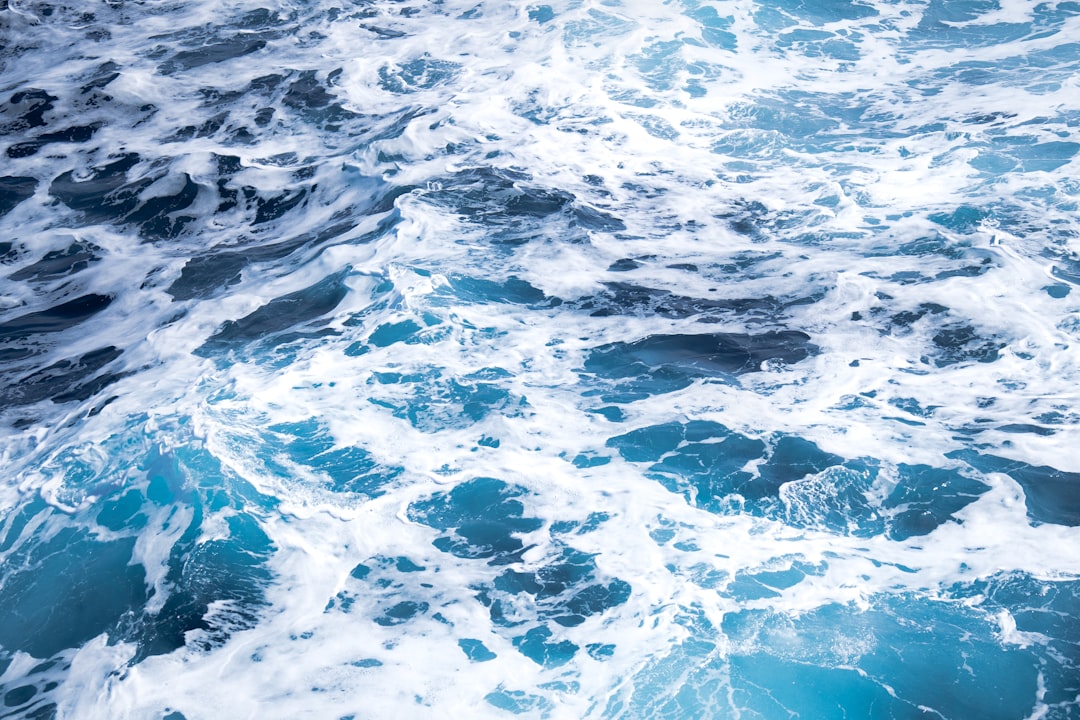
The Drake Passage, a vast expanse of unforgiving ocean situated between the southern tip of South America and the Antarctic Peninsula, holds a fearsome reputation. It is a realm where the Atlantic and Pacific Oceans collide, creating a tempestuous environment that has humbled countless mariners throughout history. For those embarking on an Antarctic expedition, traversing these “treacherous waters” is often an unavoidable rite of passage, a test of human resilience and technological prowess against the raw power of nature. Understanding the dynamics of this formidable stretch of sea is paramount for any vessel daring to venture into its embrace.
The Drake Passage is infamous for its volatility, a characteristic that stems from a confluence of geographical and meteorological factors. Its reputation precedes it, painting a picture of colossal waves, howling winds, and a sea state that can shift from deceptively calm to violently agitated with alarming speed. This inherent unpredictability is what truly defines the Drake experience, transforming what could be a routine sea voyage into an epic encounter with the planet’s most dynamic oceanic forces.
The Roaring Forties and Furious Fifties
The Drake Passage lies directly in the path of the prevailing westerly winds, notoriously known as the “Roaring Forties” and the “Furious Fifties.” These wind belts encircle the Southern Hemisphere at roughly these latitudes, driven by the stark contrast between the cold air masses of Antarctica and the warmer air masses further north. As these powerful winds blow unimpeded across vast stretches of open ocean, they gather immense energy, translating into sustained gales and frequent storms that can batter any vessel caught within their grip. The lack of significant landmasses to disrupt these wind patterns means that by the time they reach the Drake, they have reached their full, formidable intensity. The sheer force of these winds is not merely an inconvenience; it directly contributes to the formation of enormous waves, capable of dwarfing even the largest ships.
The Absence of Landmasses
A critical factor contributing to the Drake’s ferocity is the absence of significant landmasses to the south. Unlike oceans in the Northern Hemisphere, where continents often break up and channel wind and waves, the Drake Passage is an open channel. This means that the oceanic swells generated by distant storms can travel unimpeded for thousands of miles, building in size and intensity before reaching the passage. When these long-period swells meet the localized storm waves generated within the Drake itself, the result can be a chaotic and dangerous sea state, characterized by confused, unpredictable wave patterns. The “fetch,” the distance over which the wind blows, is virtually unlimited in the Southern Ocean, allowing for the generation of exceptionally large and powerful waves.
The Oceanographic Convergence
The Drake Passage is also a crucial oceanographic convergence zone, where the cold, dense waters of the Antarctic Circumpolar Current (ACC) meet and interact with the warmer waters flowing from the Atlantic and Pacific Oceans. The ACC is the world’s most powerful ocean current, a massive river of water that flows unimpeded around Antarctica. As it passes through the relatively narrow Drake Passage, it experiences constrictions and diversions, leading to complex eddy formations and increased turbulence. This confluence of currents contributes to the choppy and unpredictable nature of the sea surface, making navigation challenging even in relatively fair weather. The exchange of heat and momentum between these water masses also plays a role in fueling the storms that frequently plague the region.
The Drake Passage, known for its turbulent waters and unique geographical significance, serves as a crucial connection between the Atlantic and Pacific Oceans. For those interested in exploring more about this fascinating region, a related article can be found at My Geo Quest, which delves into the geological features, climatic conditions, and the rich biodiversity that characterize this vital maritime corridor.
Understanding the Vessel’s Role
The success or failure of a Drake Passage crossing hinges as much on the vessel’s design and the crew’s expertise as it does on the prevailing weather. Modern expedition ships are built with these challenging conditions in mind, employing advanced engineering and naval architecture to withstand the immense forces at play. However, even the most robust vessel can be severely tested by a truly exceptional storm.
Ship Design and Stability
Contemporary expedition vessels designed for polar waters possess features specifically engineered to cope with rough seas. Their hulls are often ice-strengthened, providing a degree of resilience against unexpected encounters with ice floes. More crucially, their design prioritizes stability. This includes features like a high freeboard (the distance from the waterline to the main deck), which helps to prevent waves from washing over the deck, and a relatively low center of gravity, which reduces the tendency to roll excessively. Many are equipped with stabilizers, fins that protrude from the hull and deploy in the water to counteract the rolling motion. These are vital for passenger comfort and safety, though their effectiveness can be diminished in the most extreme sea states. The shape of the hull itself is also crucial, designed to cleave through waves rather than be lifted and slammed by them, minimizing the impact of each encounter.
Crew Expertise and Preparedness
Beyond the hardware, the human element is indispensable. The crew of an expedition vessel undertaking a Drake Passage crossing is highly trained and experienced in navigating challenging maritime environments. They are adept at reading the sea, anticipating weather changes, and making critical decisions regarding course and speed. Their preparedness extends to ensuring all equipment is secured, passenger safety protocols are rigorously followed, and emergency procedures are well-rehearsed. This includes everything from securing loose objects within the ship to ensuring that passengers understand how to move safely around the vessel during heavy seas. The captain and officers constantly monitor weather forecasts, analyze sea state data, and communicate effectively to ensure the safest possible transit.
The Role of Technology
Modern technology plays a significant role in mitigating the risks associated with the Drake Passage. Sophisticated weather forecasting systems, utilizing satellite data and advanced meteorological models, provide increasingly accurate predictions of upcoming conditions. Onboard navigation systems, including GPS and radar, allow for precise positioning and the identification of potential hazards. Furthermore, communication systems ensure constant contact with shore-based meteorological services and other vessels. This technological suite empowers the crew to make informed decisions and to adjust their course and speed to avoid the worst of the weather, or at least to navigate through it with the greatest possible safety.
The Psychological Impact

The Drake Passage is not just a physical challenge; it is also a significant psychological one. The constant motion of the ship, the roar of the wind, and the sheer immensity of the ocean can be overwhelming, even for the most seasoned traveler. The feeling of isolation and vulnerability is palpable, reinforcing the immense power of nature.
Motion Sickness and Its Management
For many passengers, the primary concern during a Drake crossing is motion sickness. The relentless pitching and rolling of the ship can trigger nausea, vomiting, and general discomfort. Expedition ships are equipped with medical facilities and staff who are experienced in managing seasickness. Medications, acupressure bands, and dietary advice are commonly employed. Passengers are often advised to spend time on deck (when safe) to help acclimatize their inner ear, and to avoid reading or focusing on close-up tasks which can exacerbate symptoms. The psychological aspect of motion sickness is also significant; the anticipation of it can sometimes worsen the experience.
The Feeling of Isolation
The vastness of the Drake Passage can instill a profound sense of isolation. With no land in sight for days, and often limited communication with the outside world, passengers can feel disconnected from civilization. This isolation, coupled with the often dramatic weather, can lead to a feeling of vulnerability. However, for many, this isolation also fosters a unique sense of camaraderie among fellow passengers, sharing the experience of overcoming this formidable challenge together. The shared experience of facing the Drake can create strong bonds between individuals.
Respect for Nature’s Power
Perhaps the most profound psychological impact of the Drake Passage is the deep sense of respect it instills for the raw power of nature. Witnessing the immense force of the ocean firsthand, feeling the ship being tossed about like a toy, and understanding the sheer scale of the environment can be a humbling and transformative experience. It serves as a stark reminder of humanity’s place within the natural world and the importance of approaching it with humility and caution. This encounter often leaves passengers with a renewed appreciation for the natural world and the forces that shape our planet.
Navigational Strategies and Tactics

Successfully navigating the Drake Passage requires a proactive and strategic approach, rather than simply enduring the conditions. Experienced captains and crews employ a variety of tactics to minimize exposure to the worst weather and to ensure a smoother, safer passage.
Route Planning and Flexibility
The first and most crucial step is meticulous route planning. This involves carefully studying long-range weather forecasts and anticipating the movement of storm systems. However, the Drake’s unpredictability means that this plan must be flexible. The captain must be prepared to alter course, speed, or even wait for a weather window to pass if conditions become too severe. This might involve deviating from the most direct route or even temporarily anchoring in a sheltered bay if an unusually severe storm is predicted. The ability to adapt quickly to changing conditions is paramount.
Riding the Waves
When encountering significant swells, ships often employ the tactic of “riding the waves.” This involves positioning the vessel at an angle to the incoming waves, typically at a slight bow-on or quarter-on angle, to minimize the impact of each wave. By adjusting the ship’s speed and heading, the crew can work with the rhythm of the sea, reducing the jarring forces and maintaining a more stable platform. This requires constant attention and skilled seamanship to execute effectively. The goal is not to fight the waves head-on, but to work in harmony with their energy.
Seeking Shelter
In instances of exceptionally severe weather, seeking shelter is a primary consideration. While true shelter is scarce within the Drake Passage itself, expeditions may choose to delay their departure from Ushuaia or Punta Arenas if a major storm is forecast. Alternatively, they may adjust their itinerary to spend more time in the sheltered waters of the Beagle Channel or along the coast of Tierra del Fuego before committing to the open passage. This pre-emptive approach can significantly reduce the risk of encountering the most dangerous conditions.
The Drake Passage, known for its turbulent waters and unique ecological significance, plays a crucial role in the global climate system. For those interested in exploring more about this fascinating region, a related article can provide deeper insights into its geographical features and marine biodiversity. You can read more about it in this informative piece on geography at My Geo Quest, which delves into the complexities of the passage and its impact on ocean currents.
The Reward of the Crossing
| Geography of Drake Passage | Metrics |
|---|---|
| Location | Between South America’s Cape Horn and the South Shetland Islands of Antarctica |
| Width | Average width of about 800 kilometers |
| Depth | Deepest point reaches over 8,000 meters |
| Weather | Known for strong winds and rough seas due to the convergence of the Atlantic, Pacific, and Southern Oceans |
| Wildlife | Home to a diverse range of marine life including whales, seals, and seabirds |
Despite its formidable reputation, the Drake Passage is more than just a hurdle to overcome; it is an integral part of the Antarctic experience. The challenges it presents forge a deeper appreciation for the journey and the destination.
A Sense of Accomplishment
Successfully navigating the Drake Passage, whether encountering mild seas or facing down a gale, instills a profound sense of accomplishment. It is a testament to human ingenuity, the resilience of modern vessels, and the skill of the crews who guide them. Passengers often feel a sense of shared triumph, having collectively weathered the storm and emerged on the other side. This shared experience creates lasting memories and a unique bond among those who have undertaken the crossing.
The Gateway to Antarctica
The Drake Passage serves as the gateway to one of the world’s last great wildernesses: Antarctica. The moment the southern continent comes into view after days at sea is an unforgettable sight. The anticipation built during the Drake crossing heightens the impact of seeing the majestic icebergs, towering glaciers, and unique wildlife that call Antarctica home. The journey, with all its challenges, makes the arrival all the more rewarding.
A Renewed Appreciation for the Planet
The Drake Passage, in its raw and untamed power, offers a profound lesson in the scale and majesty of our planet. It reminds us of the forces that shape the Earth’s landscapes and oceans, and of our own smallness in comparison. This encounter with the sublime often leaves travelers with a renewed appreciation for the natural world and a deeper commitment to its preservation. The experience of confronting the Drake Passage can be a life-altering event, leaving an indelible mark on those who dare to venture into its treacherous waters.

Why Cape Horn Has Some of the Worst Seas on Earth
FAQs
What is the geography of Drake Passage?
The Drake Passage is a body of water located between the southern tip of South America and the northern tip of the Antarctic Peninsula. It connects the southwestern part of the Atlantic Ocean with the southeastern part of the Pacific Ocean.
How wide is the Drake Passage?
The Drake Passage is approximately 800 kilometers (500 miles) wide at its narrowest point, making it one of the narrowest passages in the southern hemisphere.
What are the weather and sea conditions like in the Drake Passage?
The Drake Passage is known for its notoriously rough seas and unpredictable weather. It is often characterized by strong winds, large waves, and stormy conditions, making it one of the most challenging maritime routes in the world.
What is the significance of the Drake Passage?
The Drake Passage is an important oceanic gateway that influences the circulation of water and marine life between the Atlantic and Pacific Oceans. It also serves as a crucial route for scientific research expeditions to Antarctica.
What wildlife can be found in the Drake Passage?
The Drake Passage is home to a diverse range of marine wildlife, including various species of whales, dolphins, seals, and seabirds. It is also a popular feeding ground for many marine animals due to the nutrient-rich waters brought up by the Antarctic Circumpolar Current.