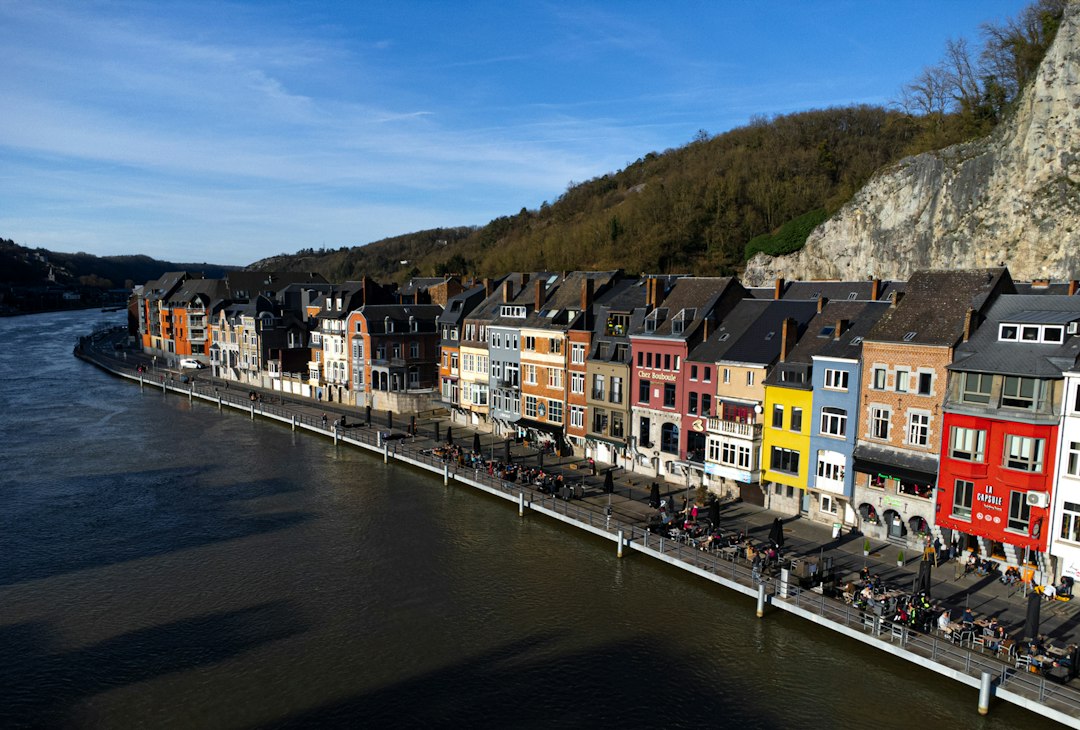
The unassuming Belgian municipality of Komen Waasten, known in French as Comines-Warneton, exists as a living testament to a complex linguistic and cultural tapestry woven over centuries. Nestled on the Franco-Belgian border, it’s a place where the gentle flow of the Lys River mirrors the ebb and flow of two dominant languages, French and Dutch (Flemish). For residents and visitors alike, understanding this linguistic border is not merely an academic exercise; it’s an essential aspect of daily life, a key to unlocking deeper connections, and a fascinating journey into the heart of Belgian identity. This exploration delves into the intricacies of navigating this unique linguistic landscape, examining its historical roots, contemporary realities, and the subtle nuances that define life in Komen Waasten.
The Komen Waasten region, located along the language border in Belgium, is a fascinating area where cultural and linguistic diversity intersect. For those interested in exploring this unique aspect of Belgian geography, a related article can be found at MyGeoQuest, which delves into the historical and social implications of the language border and its impact on local communities.
The Historical Tapestry of Linguistic Division
The linguistic division in Komen Waasten is not a recent phenomenon; it is deeply embedded in the historical evolution of the Low Countries. Understanding its present requires a journey back in time, tracing the forces that shaped the linguistic map of this region.
The Legacy of the County of Flanders
For centuries, the region that now comprises Komen Waasten was an integral part of the County of Flanders, a powerful medieval entity that predominantly spoke a Germanic dialect. The city of Comines, on the French side of the border, shared this linguistic heritage. However, the shifting political tides of Europe, particularly the rise of France and its expansionist ambitions, began to exert pressure.
The French Royal Influence
The French monarchy’s increasing influence, especially from the 17th century onwards, led to the gradual encroachment of the French language into territories that were historically Flemish-speaking. This was often a consequence of military conquest, political maneuvering, and the imposition of French administrative structures. The city of Comines, due to its strategic location and proximity to the French court, experienced this linguistic shift more profoundly.
The Shifting Borders of Sovereignty
The subsequent centuries witnessed a complex interplay of French and Dutch sovereignty over the region. The Treaty of the Pyrenees in 1659, for instance, solidified French control over much of the Lys Valley, including the historically Flemish town of Comines. This marked a significant turning point, accelerating the Francisation of the region. While the western part of the modern municipality (Comines) fell under French rule, the eastern part, particularly Warneton, often retained stronger ties to the Dutch-speaking world.
The Impact of World Wars
The two World Wars, while devastating in their human cost, also had indirect impacts on the linguistic landscape of border regions like Komen Waasten. The constant flux of military occupation and changing administrative control could sometimes reinforce existing linguistic identities or, in some cases, introduce new dynamics. However, the fundamental linguistic divide predated these conflicts and was largely shaped by earlier historical forces.
Repercussions of Occupation and Administration
During periods of German occupation in both World Wars, the authorities often attempted to impose order and administration, sometimes leveraging linguistic similarities with the Flemish-speaking population of Flanders. This could lead to a temporary emphasis on the Dutch language in certain contexts, creating a complex layering of linguistic influences.
Post-War Realignment and Identity
Following the wars, the borders were re-established, and the pre-war linguistic divisions largely reasserted themselves. However, the experience of shared hardship and the subsequent rebuilding efforts could also foster a sense of shared identity that transcended linguistic differences, albeit a complex and sometimes fragile one.
The Contemporary Linguistic Divide: French Dominance and Flemish Presence
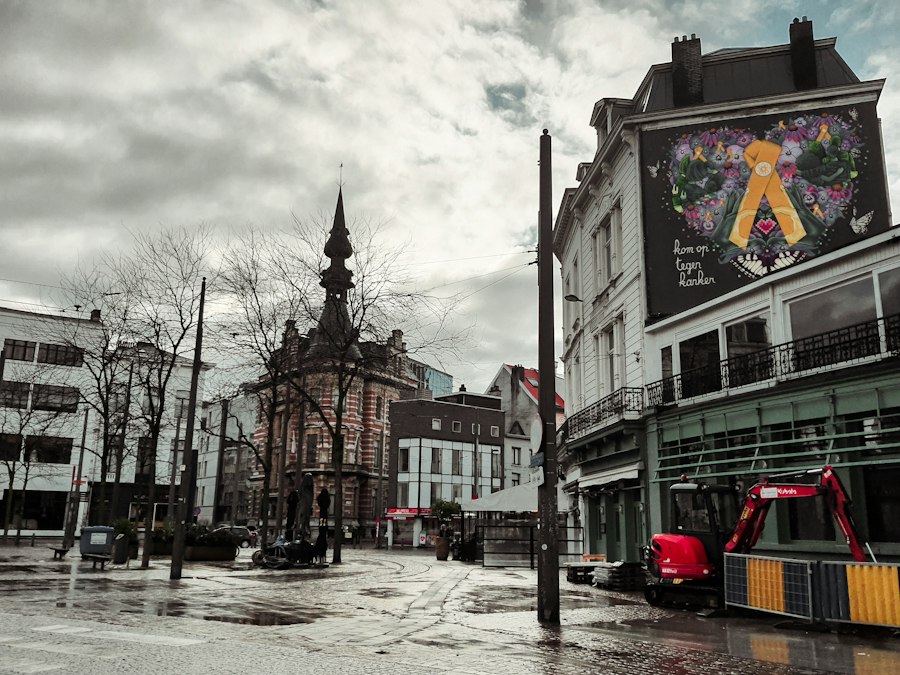
In modern Komen Waasten, the linguistic landscape is characterized by a clear French-speaking majority, a testament to historical Francisation, but also a discernible Flemish presence, a reminder of its deeper roots. Navigating this divide requires an appreciation for the nuances of everyday communication and the practical implications of living in a bilingual, or more accurately, a predominantly French-speaking municipality with a significant Flemish heritage.
The Official Language and its Implications
The official language of the municipality of Komen Waasten is French. This means that administrative affairs, legal proceedings, and official signage are primarily conducted in French. For residents who are not fluent in French, this can present practical challenges, necessitating the use of interpreters or relying on bilingual individuals for assistance.
Administrative Interactions and Public Services
From registering a birth to paying local taxes, all official interactions with the municipal administration are conducted in French. This can be a hurdle for the Flemish-speaking minority, who may find it more comfortable and efficient to communicate in their mother tongue. While efforts are often made to accommodate linguistic needs, the default remains French.
Educational Pathways
The primary language of instruction in the schools of Komen Waasten is French. While some schools might offer Dutch as a subject or even have bilingual programs, the dominant educational pathway is French-medium. This significantly influences the linguistic future of younger generations, with most children growing up speaking French as their primary language.
The Enduring Flemish Minority
Despite the French dominance, a significant portion of the population in Komen Waasten retains a Flemish identity and speaks Dutch. This presence is more pronounced in certain neighborhoods and communities, often where historical Flemish settlements were strongest. This minority actively strives to preserve its language and culture, contributing to the municipality’s vibrant diversity.
Community Life and Cultural Preservation
Flemish cultural associations and organizations play a crucial role in maintaining the Dutch language and heritage. These groups organize events, language courses, and cultural activities that bring together Flemish speakers and foster a sense of community. They act as vital custodians of a language that might otherwise be marginalized.
Intergenerational Transmission of Language
The transmission of Dutch from one generation to the next is a key challenge and a source of pride for the Flemish community. While some families successfully maintain Dutch at home, others find that French gradually becomes the dominant language, especially as children attend French-speaking schools. The efforts to maintain intergenerational linguistic continuity are a testament to the strength of Flemish identity.
Bridging the Gap: Everyday Communication and Social Interaction
Navigating the language border in Komen Waasten is not about rigid segregation but rather about fluid interaction and adaptation. The daily lives of its residents are characterized by a remarkable ability to bridge the linguistic gap, fostering a unique social fabric.
The Art of Bilingualism and Multilingualism
Many residents of Komen Waasten are bilingual, adept at switching between French and Dutch depending on the context and the person they are addressing. This linguistic flexibility is not just a skill; it’s a necessity for smooth social and economic functioning.
Code-Switching in Conversation
The phenomenon of code-switching, where individuals seamlessly alternate between languages within a single conversation, is commonplace. This allows for greater expressiveness and facilitates understanding, especially when addressing individuals with varying levels of fluency in either language. It’s a practical and effective communication strategy.
The Importance of Willingness to Communicate
Perhaps more important than perfect fluency is the willingness to communicate. Many Flemish speakers, even if not perfectly fluent in French, will make an effort to speak it when interacting with French speakers, and vice versa. This mutual effort underscores a shared desire for connection and understanding.
The Role of Mixed-Language Families
Families in Komen Waasten often reflect the linguistic diversity of the region. Mixed-language households are common, where parents may speak different native languages. This provides a natural environment for children to grow up exposed to and comfortable with both French and Dutch from an early age.
Raising Bilingual Children
Parents in mixed-language families actively work to ensure their children are proficient in both languages. This can involve specific strategies like speaking one language at home and another in public, or enrolling children in bilingual educational programs. The goal is to equip them with the linguistic tools to navigate their multifaceted environment.
The Nuances of Family Dynamics
The linguistic dynamics within families can be complex. While a parent might primarily speak French to their child, the other parent might exclusively speak Dutch. This creates a rich linguistic environment but also requires conscious effort to ensure balanced exposure and proficiency in both languages.
The Komen Waasten region, situated along the language border in Belgium, presents a fascinating case of cultural and linguistic diversity. This unique area has been the subject of various studies, highlighting the intricate relationship between language and identity. For those interested in exploring this topic further, a related article can be found at this link, which delves into the historical context and contemporary implications of the language border in Belgium. Understanding these dynamics can provide valuable insights into the social fabric of the region.
Cultural Expressions and Linguistic Identity
| Metric | Value | Notes |
|---|---|---|
| Location | Komen-Waasten, Belgium | Town situated near the language border |
| Language Border | French-Dutch | Divides Flanders (Dutch-speaking) and Wallonia (French-speaking) |
| Population | ~11,000 | Approximate number of inhabitants |
| Primary Language | Dutch | Official language in Komen-Waasten |
| Proximity to Language Border | Less than 5 km | Distance to the official language border |
| Language Border Established | 1963 | Year when the language border was officially fixed |
| Cross-border Communication | Common | Frequent interaction between French and Dutch speakers |
The language border in Komen Waasten is not just a matter of communication; it’s deeply intertwined with cultural identity. The municipality’s cultural landscape is a vibrant reflection of its linguistic duality, showcasing both French and Flemish influences.
Local Traditions and Festivals
Local traditions and festivals in Komen Waasten often have roots in both French and Flemish cultures. While the dominant language for official events might be French, the underlying customs and celebrations can reveal the influence of Flemish heritage.
The Impact of Historical Celebrations
Many traditional celebrations, even if now conducted primarily in French, might have originated from Flemish customs and folklore. The names of certain events, the music played, or even specific rituals can offer glimpses into this dual heritage.
Contemporary Cultural Fusion
Modern cultural events in Komen Waasten often embrace a spirit of fusion, bringing together artists, performers, and culinary traditions from both linguistic communities. This creative synergy enriches the cultural offerings and fosters a sense of shared regional identity.
Media and Artistic Output
The media and artistic output in Komen Waasten provide further insights into its linguistic and cultural landscape. While French-language media dominates, there’s a conscious effort by Flemish organizations to produce and disseminate content in Dutch.
Local Media and Publications
Local newspapers, radio stations, and online platforms often cater to both linguistic communities, though French-language media generally holds a more prominent position. Flemish cultural associations actively publish newsletters and magazines to reach their members.
Artistic Representation of Bilingualism
Artists, writers, and musicians in Komen Waasten often explore themes of bilingualism, identity, and the challenges and richness of living on a linguistic border. Their works can offer poignant reflections on the lived experiences of navigating this complex environment.
Future Perspectives: Challenges and Opportunities
The linguistic future of Komen Waasten presents both challenges and opportunities. As global languages and communication technologies evolve, the municipality’s unique linguistic identity will continue to be shaped by these broader trends.
The Evolving Role of Dutch
The continued presence and vitality of the Dutch language in Komen Waasten will depend on several factors. Strong community initiatives, effective bilingual education policies, and a supportive social environment are crucial for its intergenerational transmission.
Educational Policies and Language Rights
The debate surrounding language rights and educational policies remains a significant aspect of the linguistic landscape. Ensuring that the Flemish minority has adequate access to Dutch-language education and cultural resources is vital for preserving its linguistic heritage.
The Influence of Regional and European Dynamics
Broader linguistic trends within Belgium and Europe will also impact Komen Waasten. The increasing influence of English as a global lingua franca, for example, may create new linguistic dynamics, potentially impacting the prominence of both French and Dutch.
The Potential for Enhanced Bilingualism
Conversely, Komen Waasten has the potential to become a model of successful bilingualism and cultural integration. By fostering a deeper appreciation for both languages and cultures, the municipality can strengthen its unique identity and offer valuable lessons to other regions facing similar linguistic challenges.
Promoting Cross-Cultural Understanding
Investing in initiatives that promote cross-cultural understanding and dialogue between French and Flemish speakers is paramount. This can involve joint cultural projects, collaborative community events, and educational programs that highlight the shared history and future of the region.
Leveraging Linguistic Diversity for Economic and Social Benefit
The linguistic diversity of Komen Waasten can be leveraged as a significant asset. A bilingual workforce is often highly valued in the globalized economy, and the municipality’s unique cultural identity can attract tourism and investment. Embracing and celebrating this diversity is not just a matter of cultural preservation; it’s a strategic advantage.
In conclusion, navigating the language border in Komen Waasten is a continuous process of adaptation, negotiation, and appreciation. It is a microcosm of Belgium’s broader linguistic complexities, a place where history, culture, and everyday life are inextricably linked to the ebb and flow of language. For those who live there, and for those who visit, understanding and respecting this linguistic divide is the key to unlocking the true heart of this fascinating border municipality.

Belgium Has a Border With No Wall — Here’s Why
FAQs
What is the language border in Komen Waasten, Belgium?
The language border in Komen Waasten, Belgium, refers to the division between the Dutch-speaking region of Flanders and the French-speaking region of Wallonia.
Why is Komen Waasten significant in relation to the language border?
Komen Waasten is significant because it is a municipality located right on the language border, with a mix of Dutch and French speakers living in the area.
How does the language border impact daily life in Komen Waasten?
The language border can impact daily life in Komen Waasten as residents may need to navigate between Dutch and French languages for official documents, services, and communication with neighbors.
Is there a specific language spoken more in Komen Waasten?
While both Dutch and French are spoken in Komen Waasten, the municipality is officially part of the French-speaking region of Wallonia.
Are there any language-related conflicts in Komen Waasten?
There have been occasional language-related conflicts in Komen Waasten, as the linguistic divide can sometimes lead to misunderstandings or tensions between Dutch-speaking and French-speaking residents.