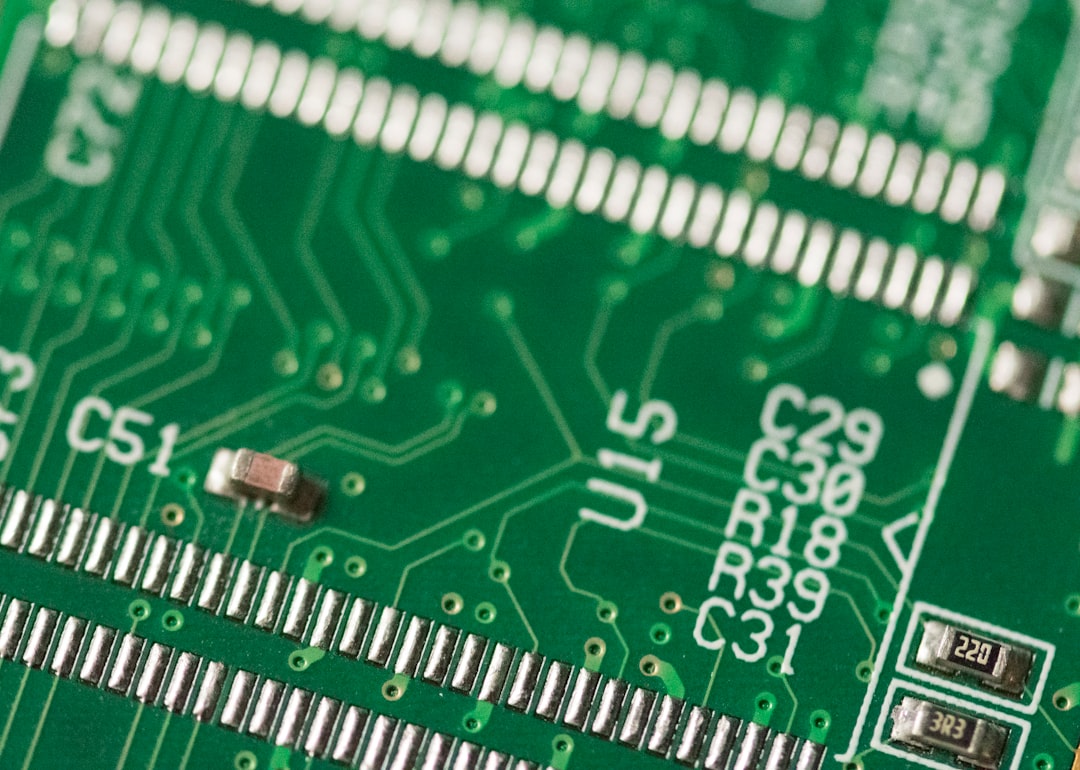
You’re standing at the precipice of a technological revolution, a world increasingly powered by silicon. From the smartphone in your pocket to the advanced AI models driving innovation, semiconductors are the invisible backbone of modern life. But have you ever stopped to consider the intricate, globe-spanning journey these minuscule marvels take before they power your devices? Navigating the global semiconductor supply chain is a complex dance of chemistry, physics, engineering, and geopolitical strategy. It’s a system so interdependent and so critical that even a slight tremor can send ripple effects across industries, impacting everything from car production to the availability of your favorite gadgets.
Before you can truly navigate this intricate network, you need to grasp its foundational elements. The semiconductor industry isn’t a monolith; it’s a highly specialized ecosystem with distinct stages, each requiring immense capital investment, cutting-edge expertise, and a global reach.
The Foundation: Raw Materials and Early Processing
The journey begins with something surprisingly simple: sand. Specifically, highly purified silicon extracted from quartz sand. This raw material undergoes an extensive purification process, transforming it into polysilicon, the fundamental component for semiconductor wafers.
Mining and Purification of Silicon: The Genesis of the Chip
You might be surprised to learn that the very foundation of your most advanced technology starts with readily available silicon dioxide. However, achieving the extreme purity required for semiconductors – often 99.9999999% pure or even higher – is a monumental task. This involves complex chemical processes, high-temperature furnaces, and meticulous quality control. The global distribution of accessible and efficiently processable silicon sources plays an initial, albeit less discussed, role in the supply chain.
Wafer Fabrication: Creating the Canvas
With purified polysilicon, the next crucial step is creating wafers. These are thin, circular discs, typically made of silicon, onto which integrated circuits (ICs), also known as chips, are etched.
Crystal Growth and Ingot Slicing: Building the Foundation for Circuits
The polysilicon is melted and then solidified into large, cylindrical single crystals called ingots. This process, known as crystal pulling, is incredibly sensitive to temperature and environmental factors. These ingots are then meticulously sliced into ultra-thin wafers, which serve as the canvas for the complex circuitry that will be printed onto them. The diameter of these wafers, usually 200mm or 300mm, is a key factor in manufacturing efficiency and cost.
Polishing and Preparation: A Pristine Surface
Once sliced, the wafers undergo rigorous polishing to achieve an atomically smooth and defect-free surface. This is critical because any imperfection at this stage can translate into flawed circuits on the finished chips, rendering them useless.
The Heart of the Chain: Chip Design and Manufacturing
This is where the magic truly happens, where raw wafers are transformed into the intricate brains of our electronic devices. This segment is characterized by extreme specialization and colossal financial outlays.
Integrated Circuit (IC) Design: Architectural Genius
Long before any physical manufacturing begins, the complex architecture of the chip is conceived by highly skilled designers. This process involves translating functional requirements into intricate layouts of transistors, resistors, and other components.
Electronic Design Automation (EDA) Tools: The Digital Architects’ Toolkit
You wouldn’t build a skyscraper without blueprints and sophisticated design software, and chip design is no different. Electronic Design Automation (EDA) tools are indispensable for creating the incredibly detailed schematics and layouts for chips. These software suites allow engineers to simulate chip performance, identify potential issues, and optimize designs before committing to expensive manufacturing. The intellectual property embedded in these designs is a critical asset in the supply chain.
Intellectual Property (IP) Cores: Reusable Building Blocks
To accelerate the design process and reduce costs, companies often license pre-designed blocks of functionality, known as IP cores. These can range from general-purpose processing units to specialized functions like graphics rendering or communication protocols. The IP licensing market is a significant aspect of the semiconductor design landscape.
Semiconductor Manufacturing (Foundries): The High-Tech Factories
This is perhaps the most capital-intensive and technologically demanding phase. Foundries are the factories where the actual chips are fabricated onto the wafers.
Photolithography: Etching the Designs
This is the quintessential process of chip manufacturing, akin to printing a photograph, but on an atomic scale. Using light to transfer patterns from a mask onto the wafer, layer by layer, intricate designs are etched into the silicon. Advanced lithography techniques, such as Extreme Ultraviolet (EUV) lithography, are critical for creating the smallest and most powerful transistors, pushing the boundaries of Moore’s Law. The cost and complexity of these machines, particularly EUV scanners, are astronomical, and their production is concentrated in very few hands.
Deposition and Etching Processes: Building Up and Carving Out
Beyond lithography, numerous processes are involved in depositing thin films of various materials (metals, dielectrics) onto the wafer and then selectively removing them through etching. These repetitive cycles build up the complex three-dimensional structures that form the transistors and interconnections of the chip.
Doping and Cleaning: Fine-Tuning Conductivity and Purity
Doping involves introducing specific impurities into the silicon to alter its electrical conductivity, a fundamental requirement for creating functional transistors. Rigorous cleaning processes are essential at every stage to prevent contamination that could ruin the delicate circuitry.
Assembly and Testing: Preparing for Prime Time
Once the chips are fabricated on the wafer, they are detached, packaged, and rigorously tested to ensure they function as intended.
Wafer Dicing and Die Bonding: Separating and Connecting
The wafer, previously a single unit, is precisely cut into individual chips, known as dies. Each die is then bonded to a substrate or lead frame, a process that also involves electrical connections.
Packaging: Protecting the Brains
The die is then encapsulated in a protective package, which provides mechanical support, electrical connections to the outside world, and dissipates heat. The variety of packaging solutions is vast, catering to different performance, size, and environmental requirements.
Electrical Testing and Quality Assurance: The Final Gatekeepers
Every single chip undergoes extensive electrical testing to verify its functionality, performance, and reliability. Units that fail these tests are discarded, ensuring that only high-quality chips reach the market. This is a critical step in maintaining the reputation and reliability of semiconductor manufacturers.
The global semiconductor supply chain has been a focal point of discussion, especially in light of recent disruptions and the increasing demand for electronic devices. A related article that delves deeper into the complexities and challenges of this supply chain can be found at this link. It explores the factors affecting production, the geopolitical implications, and potential solutions to enhance resilience in the semiconductor industry.
The Global Tapestry of Production
The beauty and fragility of the semiconductor supply chain lie in its extreme specialization and geographical distribution. No single country, and indeed few companies, can perform every step of the process. This creates a complex interdependence.
Design Hubs: Where Innovation is Born
The initial conceptualization and architectural design of chips are heavily concentrated in certain regions known for their strong R&D infrastructure and talent pools.
Silicon Valley and Beyond: The Epicenter of Chip Design
You’ll find a significant portion of the world’s leading chip design firms, particularly fabless semiconductor companies (those that design chips but outsource manufacturing), clustered in North America, especially in and around Silicon Valley. Europe and parts of Asia also have strong design capabilities.
Manufacturing Giants: The Foundry Powerhouses
The actual fabrication of chips requires colossal investments in advanced manufacturing facilities, known as foundries. These are often referred to as “fabs.”
Taiwan and South Korea: The Undisputed Leaders
Taiwan, home to TSMC (Taiwan Semiconductor Manufacturing Company), is the undisputed global leader in advanced semiconductor manufacturing. South Korea, with Samsung Electronics also a major player, is another critical hub. These regions boast the most cutting-edge foundries capable of producing the smallest and most sophisticated chips.
Limited Global Capacity for Leading-Edge Fabrication: A Vulnerability
The sheer cost and technological barrier to entry mean that the number of foundries capable of producing the most advanced nodes (the smallest transistor sizes) is incredibly limited. This concentration of capacity represents a significant vulnerability in the global supply chain.
Equipment and Material Suppliers: The Unsung Heroes
The foundries themselves rely on a specialized ecosystem of companies that provide the incredibly complex machinery and high-purity materials needed for chip manufacturing.
ASML and the Lithography Monopoly: A Crucial Bottleneck
You can’t talk about semiconductor manufacturing without mentioning ASML, the Dutch company that holds a near-monopoly on the most advanced lithography systems, particularly EUV machines. These machines are essential for producing the most cutting-edge chips, and their availability is a critical factor in global chip production capacity.
Chemical and Material Providers: The Essential Ingredients
Beyond specialized equipment, a wide array of chemical suppliers provide the ultra-pure gases, chemicals, and specialized materials (like photoresists) required at every stage of the manufacturing process. The purity and reliability of these materials are paramount.
Outsourcing and Specialization: A Web of Dependencies
The fabless-semiconductor model is prevalent, where companies design chips but rely on foundries to manufacture them. This model fuels specialization but also deepens the interdependencies within the supply chain.
The Geopolitical Chessboard of Semiconductors

The strategic importance of semiconductors has elevated them to a central position in global geopolitics. Control over chip supply is increasingly seen as a matter of national security and economic dominance.
Rise of National Semiconductor Initiatives: Investing in Resilience
Many nations are now recognizing the risks associated with over-reliance on a few key regions for chip manufacturing. This has led to significant government investments and initiatives aimed at bolstering domestic semiconductor capabilities.
The CHIPS Act and European Chips Act: Protecting Domestic Production
Legislation like the US CHIPS and Science Act and the European Chips Act are tangible examples of governments prioritizing the reshoring or nearshoring of semiconductor manufacturing and R&D. The goal is to reduce vulnerability to supply chain disruptions and bolster national technological sovereignty.
Incentives for Onshoring: Bringing Production Home
These initiatives often involve substantial financial incentives, tax breaks, and subsidies to encourage semiconductor companies to build or expand manufacturing facilities within national borders.
R&D Investments: Fostering Future Innovation
Beyond manufacturing, governments are also investing heavily in research and development to drive innovation in new chip architectures, materials, and manufacturing processes.
Trade Restrictions and Export Controls: A Tool of Influence
Semiconductors have become a key weapon in geopolitical trade disputes. Export controls and trade restrictions are increasingly being used to limit access to advanced technology, particularly for perceived adversaries.
Limiting Access to Advanced Technologies: Strategic Levers
Governments may restrict the export of crucial semiconductor manufacturing equipment or advanced chip designs to certain countries, aiming to slow their technological progress or exert diplomatic pressure.
The Impact on Innovation and Global Collaboration: A Double-Edged Sword
While intended to protect national interests, these restrictions can also stifle global innovation, fragment the research landscape, and lead to increased costs for everyone.
The Taiwan Strait: A Flashpoint of Concern
The geopolitical tension surrounding Taiwan is inextricably linked to its dominant role in semiconductor manufacturing. Any conflict or disruption in the Taiwan Strait would have catastrophic global consequences for the semiconductor supply chain.
The Fragility of Concentration: A Single Point of Failure
The overwhelming concentration of advanced chip manufacturing in Taiwan makes it a critical focal point. The world’s reliance on this single geographical area for its most advanced chips is a profound strategic vulnerability.
Navigating the Challenges and Risks

As you’ve seen, the semiconductor supply chain is not without its complexities and inherent risks. Understanding these challenges is key to any successful navigation.
Supply Chain Disruptions: The Frequent Reality
You’ve likely experienced the effects of semiconductor shortages firsthand, from the scarcity of new cars to inflated prices for electronics. These disruptions can arise from a multitude of sources.
Natural Disasters and Extreme Weather: Unforeseen Events
Fires in manufacturing facilities, earthquakes, or extreme weather events can cripple production lines, leading to significant delays and shortages. The interconnected nature of the supply chain means a localized event can have far-reaching consequences.
Geopolitical Tensions and Trade Wars: Man-Made Crises
As discussed, political instability, trade disputes, and sanctions can directly impact the flow of goods and technologies, creating artificial scarcity and driving up prices.
Demand Fluctuations and Inventory Management: The Balancing Act
Unforeseen spikes or drops in demand, coupled with challenges in effective inventory management across a global and complex chain, can lead to imbalances and shortages. The just-in-time model, while efficient, can be exposed during periods of extreme volatility.
Rising Costs and Capital Intensity: The Price of Progress
The semiconductor industry is one of the most capital-intensive in the world. The constant need for R&D, new equipment, and advanced facilities drives up costs.
Investment in New Fab Construction: Hundreds of Billions of Dollars
Building a new leading-edge semiconductor fabrication plant can cost tens of billions of dollars. This immense capital outlay is a significant barrier to entry and limits the number of players in the market.
The Obsolescence of Technology: The Relentless March of Innovation
Technology advances at an unprecedented pace. Equipment and processes that are state-of-the-art today will be outdated in a few years, requiring continuous investment in upgrades and new technologies.
Talent Shortages and Expertise: The Human Capital Challenge
The semiconductor industry requires a highly skilled and specialized workforce, from chip designers to lithography engineers. A global shortage of such talent poses a significant challenge.
The Need for Specialized Skills: A Niche Expertise
The complex nature of semiconductor design and manufacturing demands engineers and technicians with very specific skill sets. Finding and retaining this talent is a constant struggle, especially as demand for chips continues to grow.
Education and Training Initiatives: Building the Future Workforce
To address this, many countries and companies are investing in educational programs and apprenticeships to cultivate the next generation of semiconductor professionals.
The global semiconductor supply chain has been a topic of significant discussion, especially in light of recent disruptions caused by geopolitical tensions and the pandemic. For a deeper understanding of the complexities involved, you can explore an insightful article that delves into the challenges and future prospects of this critical industry. This article provides valuable perspectives on how companies are adapting to ensure a more resilient supply chain. To read more about this important issue, check out the article here.
Strategies for Robust Navigation
“`html
| Metrics | Data |
|---|---|
| Global semiconductor market size | 440 billion in 2020 |
| Top semiconductor companies | Intel, Samsung, TSMC, SK Hynix, Micron |
| Global semiconductor revenue | Expected to reach 527 billion in 2021 |
| Supply chain challenges | Shortage of chips, lead time increases, price hikes |
| Impact on industries | Automotive, consumer electronics, industrial |
“`
Given the inherent complexities and risks, what are the key strategies you can adopt, or that your industry can implement, to navigate this global semiconductor supply chain successfully?
Diversification of Supply Sources: Spreading the Risk
Relying on a single supplier or geographical region is a recipe for disaster. You need to actively seek out and cultivate relationships with multiple suppliers across different geographies.
Geographic Diversification: Reducing Geopolitical Exposure
Actively pursuing manufacturing partners in different countries and regions can mitigate the impact of localized geopolitical tensions or natural disasters. This means looking beyond the traditional hubs.
Supplier Diversification: Building Redundancy
Having multiple qualified suppliers for critical components, materials, or manufacturing services provides a crucial buffer against the failure of any single entity. This requires careful vetting and ongoing relationship management.
Strategic Partnerships and Collaboration: Strength in Numbers
The scale and complexity of the semiconductor industry necessitate collaboration. Building strong partnerships across the chain can foster innovation, share risks, and improve efficiency.
Collaboration with Foundries: Securing Capacity
For fabless companies, forging strong, long-term relationships with foundries is paramount to securing the manufacturing capacity needed to meet demand. This can involve co-investment or long-term supply agreements.
Industry Consortia and Alliances: Driving Collective Solutions
Joining industry consortia or alliances can facilitate knowledge sharing, collaborative R&D, and the development of industry-wide standards, ultimately strengthening the entire ecosystem.
Enhanced Visibility and Transparency: Knowing Your Supply Stream
You can’t manage what you can’t see. Investing in technologies and processes that provide deep visibility into the entire supply chain is crucial for proactive risk management.
Supply Chain Mapping and Analytics: Understanding Dependencies
Mapping out your entire supply chain, from raw materials to finished products, and performing sophisticated analytics can reveal potential bottlenecks, single points of failure, and areas of vulnerability.
Real-time Monitoring and Alert Systems: Early Warning Signals
Implementing systems for real-time monitoring of inventory levels, production status, and geopolitical events can provide early warning signals, allowing for swift corrective action.
Inventory Management and Buffer Stock: Building Resilience
While lean manufacturing has its benefits, in a volatile supply chain, strategically holding buffer stock of critical components can be a lifesaver.
Strategic Stockpiling: Preparing for Shortages
Identifying critical components and strategically stockpiling them can provide a cushion during periods of supply disruption, allowing production to continue while alternative sources are secured or disruptions resolve.
Demand Forecasting and Scenario Planning: Anticipating Future Needs
Improving demand forecasting accuracy and conducting robust scenario planning for potential disruptions allows for more informed decisions about inventory levels and production ramp-ups.
Investing in Domestic Capabilities and R&D: Building Long-Term Security
For governments and large corporations, strategic investments in domestic semiconductor design, manufacturing, and R&D are becoming increasingly vital for long-term supply chain security and technological leadership. This is not just about immediate production but about fostering future innovation and reducing reliance on external dependencies.
You are at the forefront of an industry that continues to redefine what’s possible. By understanding the intricate global semiconductor supply chain, from the purified sand to the advanced lithography machines, and by adopting proactive strategies for navigation, you can better weather the inevitable storms and capitalize on the incredible opportunities this vital industry presents. The chips that power your world are a testament to human ingenuity and global collaboration; navigating their journey requires a similar level of foresight, adaptability, and strategic thinking.

The Taiwan Strait: The Most Dangerous Place in the Global Economy
FAQs
What is the global semiconductor supply chain?
The global semiconductor supply chain refers to the network of companies and processes involved in the design, manufacturing, and distribution of semiconductor products, including integrated circuits and microchips.
Why is the global semiconductor supply chain important?
Semiconductors are essential components in a wide range of electronic devices, including smartphones, computers, and automotive systems. The global semiconductor supply chain plays a crucial role in ensuring the availability of these components for various industries.
What are the key challenges facing the global semiconductor supply chain?
Some of the key challenges facing the global semiconductor supply chain include supply chain disruptions, increasing demand for semiconductors, geopolitical tensions, and technological complexity.
How does the global semiconductor supply chain impact the economy?
The global semiconductor supply chain has a significant impact on the global economy, as it affects the production and availability of electronic devices and equipment across various industries, including consumer electronics, automotive, and telecommunications.
What are some strategies for improving the resilience of the global semiconductor supply chain?
Some strategies for improving the resilience of the global semiconductor supply chain include diversifying sourcing locations, increasing inventory levels, enhancing collaboration among supply chain partners, and investing in advanced manufacturing technologies.