
The South China Sea and the Strait of Malacca represent a nexus of global trade, strategic importance, and simmering geopolitical tension. These vital waterways are not merely conduits for commerce; they are crucibles where the interests of major powers collide, forging a complex tapestry of alliances, rivalries, and potential flashpoints. Understanding the intricate dance of geopolitics within this region is crucial for comprehending the current global order and anticipating future dynamics.
To fully grasp the geopolitical maneuvering in the South China Sea and the Strait of Malacca, one must first appreciate their unparalleled strategic significance. These maritime arteries are the arteries of global commerce, pumping essential resources and finished goods across continents. Any disruption, whether accidental or intentional, carries profound economic repercussions on a global scale.
A Critical Chokepoint for Global Trade
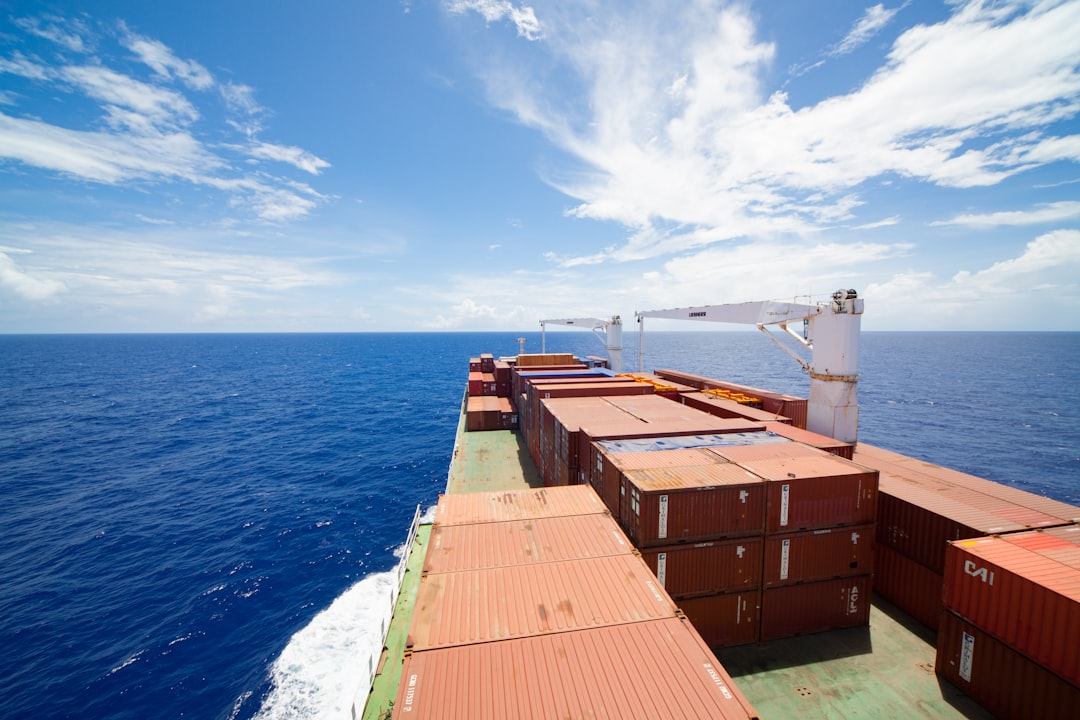
The Strait of Malacca, a narrow waterway connecting the Pacific Ocean and the Indian Ocean, is one of the busiest shipping lanes in the world. It is estimated that a significant portion of the world’s maritime trade, including a substantial percentage of global oil supplies, transits through this strait daily. The sheer volume of traffic makes it a vulnerable chokepoint, susceptible to blockades or piracy, which would have immediate and severe consequences for economies far beyond the immediate vicinity. Imagine a vital artery in the human body; its blockage would have catastrophic systemic effects.
Resource-Rich Waters and Competing Claims
Beyond their role as transit routes, the waters of the South China Sea are themselves a treasure trove of potential resources. Beneath the seabed lie significant hydrocarbon reserves, estimated to be substantial. Furthermore, the waters are rich in fisheries, a crucial source of sustenance and livelihood for millions in the surrounding nations. This confluence of resources naturally leads to competing claims by various states, each seeking to assert its sovereign rights and access these valuable assets. The overlapping claims create a fertile ground for disputes, as each nation views its claim as an issue of national security and economic prosperity.
Naval Power Projection and Military Access
For major global powers, particularly China and the United States, control over or unfettered access to the South China Sea and the Strait of Malacca is intrinsically linked to naval power projection. These waterways provide strategic access for naval fleets, allowing for the deployment of military assets, power assertion, and the protection of national interests across a vast geographical area. The ability to move naval forces unimpeded through these waters is seen as a fundamental component of maintaining a global military presence and deterring potential adversaries.
The geopolitics of the South China Sea and the Malacca Strait are crucial for understanding the dynamics of regional power and maritime security in Southeast Asia. A related article that delves into these complexities is available at MyGeoQuest, where you can explore the strategic significance of these waterways and their impact on international relations, trade routes, and territorial disputes among neighboring nations.
The Major Players and Their Interests
The geopolitical landscape of the South China Sea and the Strait of Malacca is dominated by several key actors, each with distinct interests and strategic objectives. These nations, through their actions and rhetoric, shape the dynamics of the region and influence the trajectory of international relations.
China’s Assertiveness and the “Nine-Dash Line”
China’s growing economic and military power has translated into a more assertive posture in the South China Sea. The “nine-dash line,” a ubiquitous demarcation on Chinese maps, represents Beijing’s sweeping claims to historical rights over the vast majority of the disputed waters. This assertion is underpinned by the principle of “historic rights,” a concept that is contested by international law and other claimant states. China’s island-building activities and the militarization of disputed features are tangible manifestations of this assertiveness, aimed at solidifying its control and creating a de facto maritime domain. The island building can be seen as planting flags in disputed territory, a physical manifestation of an ideological and territorial claim.
- Economic Drivers: China’s assertiveness is deeply rooted in its economic needs. Securing access to vital energy resources and ensuring the unimpeded flow of trade for its export-oriented economy are paramount. The South China Sea is a critical artery for China’s energy imports and a crucial route for its manufactured goods destined for global markets.
- National Security Concerns: Beijing views the South China Sea as a strategic buffer zone, essential for its national security. Preventing potential adversaries from operating freely within these waters is a key objective, aiming to protect its coastline and its burgeoning naval capabilities.
- Regional Hegemony Ambitions: Some analysts suggest that China’s actions are also driven by a desire to establish regional hegemony, diminishing the influence of external powers, particularly the United States, and solidifying its position as the dominant force in East Asia.
The United States: Freedom of Navigation and Alliance Commitments
The United States, as the preeminent global naval power, has a vested interest in maintaining freedom of navigation and overflight in the South China Sea. This commitment is not merely about ideology; it is intrinsically linked to its global trading network and its alliances with regional partners. The U.S. often conducts “freedom of navigation operations” (FONOPs) to challenge what it perceives as excessive maritime claims.
- Upholding International Law: The U.S. champions the principles of the United Nations Convention on the Law of the Sea (UNCLOS), advocating for adherence to established international legal norms in maritime disputes. It sees China’s claims as infringing upon these universally accepted principles.
- Supporting Allies and Partners: The U.S. has a network of security alliances and partnerships in the Indo-Pacific region, including with countries like the Philippines, Japan, and South Korea, who feel threatened by China’s assertiveness. Upholding these alliances means ensuring the security and territorial integrity of its partners.
- Maintaining a Free and Open Indo-Pacific: A core tenet of U.S. foreign policy in the region is the concept of a “free and open Indo-Pacific.” This vision emphasizes open sea lanes, adherence to international law, and the peaceful resolution of disputes, aiming to counter what it perceives as China’s attempts to reshape the regional order.
Southeast Asian Claimant States: Navigating Competing Interests
The Southeast Asian nations that border the South China Sea are central to the geopolitical equation. These countries, including Vietnam, the Philippines, Malaysia, Brunei, and Taiwan, are directly impacted by the competing claims and China’s assertiveness. Their strategies often involve a delicate balancing act, seeking to protect their sovereign rights while managing economic ties with China.
- Vietnam: Vietnam has been one of the most vocal critics of China’s claims and actions. It has a long history of resistance to foreign domination and views China’s assertiveness as a direct threat to its sovereignty and territorial integrity. Vietnam has sought to strengthen its maritime capabilities and forge closer security ties with countries like the U.S. and India.
- The Philippines: The Philippines has been at the forefront of legal challenges against China’s claims, notably securing a landmark ruling from the Permanent Court of Arbitration in 2016 which invalidated China’s expansive “nine-dash line.” Despite this legal victory, the Philippines faces ongoing challenges in asserting its rights on the ground.
- Malaysia and Brunei: These nations, while also claimants, have often adopted a more measured approach, seeking to balance their economic relationships with China against their territorial interests. They often advocate for multilateral solutions and regional dialogue.
- Taiwan: Taiwan, which also claims significant portions of the South China Sea, finds itself in a particularly complex geopolitical position, caught between its own claims and the broader geo-strategic rivalry between China and the U.S.
Other Regional and Global Powers: India and Japan
Beyond the primary actors, other regional and global powers play significant roles, either directly or indirectly, in shaping the geopolitics of the South China Sea and Malacca Strait.
- India: India views the South China Sea as crucial for its “Act East” policy and its expanding maritime interests. India has been increasingly active in the region, conducting naval exercises with other partners and advocating for a rules-based order. It sees China’s growing influence in the Indian Ocean and its assertiveness in the South China Sea as interconnected strategic challenges.
- Japan: Japan shares a similar strategic outlook to the U.S. regarding freedom of navigation and a rules-based order. It has deepened its security cooperation with the U.S. and other regional partners, recognizing the importance of a stable and open Indo-Pacific for its own economic prosperity and security.
The Dynamics of Dispute and Conflict

The competing claims and divergent interests in the South China Sea and the Strait of Malacca create a volatile environment ripe for disputes and, potentially, conflict. The dynamics are complex, involving a mix of diplomatic maneuvering, military posturing, and economic leverage.
Maritime Disputes and Legal Challenges
The core of the dispute lies in overlapping territorial and maritime claims. Nations assert their rights based on historical precedent, geographic proximity, and international law, particularly UNCLOS. This has led to numerous diplomatic incidents, including confrontations between coast guards, fishing vessels, and naval patrols. The legal challenges, such as the Philippines’ arbitration case, represent an attempt to resolve these disputes through established international legal frameworks, though their enforcement can be problematic. Imagine a complex chess game where each move is scrutinized and countered, with the board representing a vast expanse of ocean.
Militarization and Security Dilemmas
The militarization of disputed features, particularly by China, has further escalated tensions. The construction of artificial islands and the deployment of military assets on these features are seen by regional neighbors and the U.S. as a consolidation of claims and a challenge to the status quo. This, in turn, prompts other nations to enhance their own defense capabilities, creating a classic security dilemma where actions taken for defensive purposes are perceived as offensive by adversaries, leading to an escalatory spiral.
Economic Coercion and Diplomatic Stalemate
Economic leverage is another potent tool in the geopolitical arsenal. China, with its vast economic clout, can exert pressure on smaller nations through trade and investment. This can complicate diplomatic efforts to find unified regional solutions. The Association of Southeast Asian Nations (ASEAN) has sought to develop a Code of Conduct (CoC) for the South China Sea, a framework for managing disputes and de-escalating tensions. However, negotiations have been protracted, with differing views on the scope and enforceability of such a code, often highlighting the difficulty of achieving consensus when powerful players have dominant interests.
The Role of International Law and Multilateralism

The international legal framework, particularly UNCLOS, and multilateral institutions like ASEAN play crucial roles in governing the conduct of states in the South China Sea and the Strait of Malacca. However, their effectiveness is often tested by the geopolitical realities on the ground.
The United Nations Convention on the Law of the Sea (UNCLOS)
UNCLOS provides a comprehensive legal framework for maritime activities, defining rights and responsibilities for states regarding territorial seas, exclusive economic zones (EEZs), and the high seas. It is the bedrock upon which many maritime claims and disputes are adjudicated. However, the interpretation and application of UNCLOS can be contentious, and not all states adhere to its principles equally. The tribunal’s ruling in the Philippines’ case against China, which rejected China’s “nine-dash line,” underscored the authority of UNCLOS, even if China has refused to acknowledge the ruling.
ASEAN’s Efforts Towards a Code of Conduct
ASEAN has consistently advocated for a peaceful resolution of disputes and the establishment of a Code of Conduct in the South China Sea. The intention is to create a set of agreed-upon norms and behaviors that would prevent escalation and foster regional stability. However, achieving a legally binding and effective CoC has proven to be a significant challenge, hampered by the diverse interests of member states and the overarching influence of major external powers. The process is akin to trying to agree on traffic rules when some drivers are much larger and more powerful than others, making it difficult to ensure everyone adheres to the same regulations.
The Importance of Diplomacy and Dialogue
Despite the inherent tensions, diplomatic channels and dialogue remain essential tools for managing the complexities of the region. Open communication, confidence-building measures, and a commitment to de-escalation are crucial for preventing misunderstandings from spiraling into conflict. Regional forums and bilateral discussions provide platforms for exchanging views and exploring avenues for cooperation, even amidst strategic rivalries.
The geopolitics of the South China Sea and the Malacca Strait have become increasingly significant in recent years, as nations vie for control over these crucial maritime routes. A related article that delves into the complexities of this region can be found at this link, where various factors influencing regional stability and international relations are explored. Understanding these dynamics is essential for grasping the broader implications of power struggles in Southeast Asia.
Future Trajectories and Potential Outcomes
| Aspect | Details | Key Countries Involved | Strategic Importance | Current Issues |
|---|---|---|---|---|
| Geographical Location | South China Sea: Between Southeast Asia and China; Malacca Strait: Between Malaysia and Indonesia | China, Vietnam, Philippines, Malaysia, Indonesia, Singapore | Major maritime trade routes; connects Pacific and Indian Oceans | Territorial disputes, freedom of navigation, military presence |
| Trade Volume | South China Sea: Over 30% of global maritime trade; Malacca Strait: Approx. 25% of global traded goods | Global shipping companies, ASEAN countries, China | Critical for global supply chains and energy transport | Risk of blockades or conflicts disrupting trade |
| Natural Resources | Rich fishing grounds, potential oil and natural gas reserves | China, Philippines, Vietnam, Malaysia, Indonesia | Energy security and food resources for regional countries | Overfishing, resource exploitation disputes |
| Military Presence | Naval bases, artificial islands, patrols, and exercises | China, United States, ASEAN countries, India | Power projection and control over strategic waterways | Increased militarization, risk of clashes |
| International Law | United Nations Convention on the Law of the Sea (UNCLOS) | All claimant states, International Tribunal for the Law of the Sea | Framework for resolving disputes and maritime rights | Disagreements over interpretations and enforcement |
The geopolitical landscape of the South China Sea and the Strait of Malacca is dynamic, constantly evolving in response to shifting power balances, technological advancements, and the actions of key players. Predicting the future trajectory with certainty is impossible, but several potential outcomes can be considered.
Continued Competition and Incremental Escalation
One likely scenario is a continuation of the current dynamic: ongoing strategic competition between China and the U.S., a persistent maritime presence by both, and continued assertive actions by China coupled with responsive measures by claimant states and their allies. This could involve further militarization, more frequent naval patrols and exercises, and ongoing diplomatic wrangling. Incremental escalation, rather than outright conflict, might characterize this period.
A More Codified Regional Order
Alternatively, sustained diplomatic efforts and a growing realization of the costs of conflict could lead to a more codified regional order. This might involve a more robust and effectively implemented Code of Conduct, stronger regional security architectures, and a greater emphasis on multilateral dispute resolution mechanisms. Such an outcome would likely require significant compromises from all major players, particularly China, and a renewed commitment to international law by all parties. This would be like a carefully negotiated treaty that, while not eliminating all disagreements, establishes clear rules of engagement and provides mechanisms for recourse.
The Risk of Miscalculation and Accidental Conflict
Despite efforts to manage tensions, the inherent risks of miscalculation or accidental conflict remain a significant concern. The crowded waterways, the presence of numerous naval and coast guard vessels, and the potential for cyber-attacks or unintended events could trigger a rapid escalation. The Strait of Malacca, due to its narrowness and high traffic, is particularly susceptible to incidents that could have immediate and far-reaching consequences.
The geopolitical tapestry woven within the South China Sea and the Strait of Malacca is intricate and ever-changing. Understanding the interests of the major players, the dynamics of their interactions, and the underlying strategic imperatives is key to navigating this crucial and often volatile region. The future of global trade, regional stability, and international relations is, in no small part, tied to the successful management of these vital maritime arteries.
WATCH NOW ▶️ SHOCKING: Malacca: The $10 Trillion Lie Revealed
FAQs
What is the strategic importance of the South China Sea?
The South China Sea is a critical maritime region due to its significant shipping lanes, abundant natural resources like oil and natural gas, and rich fishing grounds. It serves as a major route for global trade, with approximately one-third of the world’s maritime shipping passing through it annually.
Why is the Malacca Strait geopolitically significant?
The Malacca Strait is one of the world’s busiest shipping lanes, connecting the Indian Ocean to the South China Sea and the Pacific Ocean. It is a vital chokepoint for global trade, especially for energy supplies to East Asia, making it strategically important for regional and global security.
Which countries have territorial claims in the South China Sea?
Several countries claim parts of the South China Sea, including China, the Philippines, Vietnam, Malaysia, Brunei, and Taiwan. These overlapping claims have led to disputes over sovereignty, maritime boundaries, and resource rights.
How do geopolitical tensions in the South China Sea affect international relations?
Geopolitical tensions in the South China Sea impact regional security and international relations by increasing the risk of conflicts, affecting freedom of navigation, and involving major powers like the United States and China. These tensions influence diplomatic negotiations, military presence, and alliances in the Asia-Pacific region.
What measures are in place to manage disputes in the South China Sea and Malacca Strait?
Dispute management includes diplomatic negotiations, adherence to international law such as the United Nations Convention on the Law of the Sea (UNCLOS), multilateral forums like ASEAN, and confidence-building measures. Additionally, freedom of navigation operations and joint patrols help maintain security and stability in these waters.