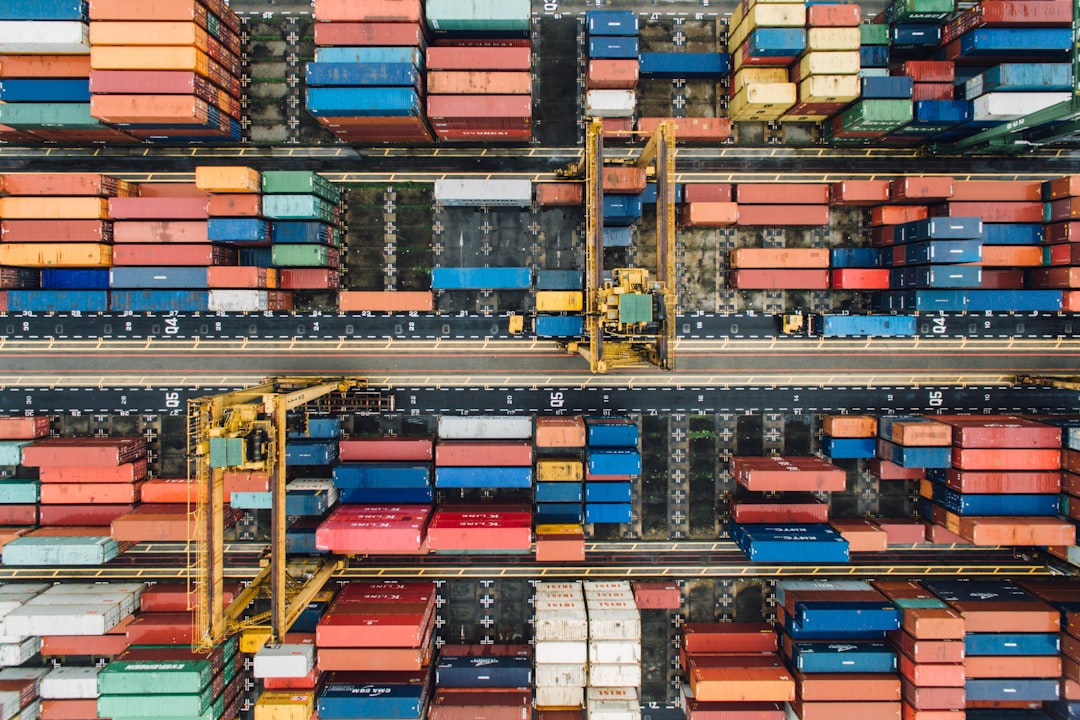
The hum of the port, the vast expanse of the ocean, the relentless rhythm of global trade – this is the world you inhabit, or perhaps, the world you are about to delve into. You’re a stakeholder in the container shipping industry, a sector as fundamental to modern life as air and water. You’re not just observing; you are actively navigating its ever-shifting currents, seeking to understand the forces that will shape its trajectory for years to come. Your decisions, your investments, your strategies – they are all part of this grand, interconnected dance. This is not a passive journey; it demands your keenest attention, your most insightful analysis, and your unwavering adaptability. The future of container shipping is not a distant horizon; it is a landscape you are actively charting.
The container shipping industry is undergoing significant transformations due to advancements in technology and changing global trade dynamics. For a deeper understanding of these shifts and their implications, you can read a related article that explores the latest trends and challenges facing the industry. Check it out here: Container Shipping Industry Insights.
The Shifting Tides of Global Demand
The very foundation of the container shipping industry rests upon the ebb and flow of global demand. Understanding these currents is paramount to your success. You cannot simply react to the market; you must anticipate its desires, its needs, and its limitations.
The Volatility of Consumption Patterns
You’ve witnessed it firsthand, haven’t you? The sudden surges in demand for certain goods, driven by changing consumer preferences, technological breakthroughs, or even global events. Think about the rapid rise of e-commerce, a phenomenon that has fundamentally reshaped how and what people buy, and consequently, what needs to be shipped. You need to be agile enough to respond to these shifts, to re-route vessels, to adjust capacity, and to secure the necessary infrastructure.
The E-commerce Effect and its Domino Impact
The rise of online shopping hasn’t just meant more packages; it’s meant different types of packages, delivered with an expectation of speed that previously only existed for local transactions. This translates to a need for more frequent, smaller shipments, often to a wider array of destinations. You are tasked with optimizing your networks to handle this fragmentation and its inherent logistical complexities. This impacts everything from warehouse operations to last-mile delivery, and your role in bridging these gaps is critical.
Emerging Markets and Shifting Manufacturing Bases
The world is not static, and neither are its manufacturing hubs. As economies develop and labor costs fluctuate, you see production migrating. You must be constantly monitoring these shifts, identifying new sourcing regions and understanding the trade lanes that will emerge or expand. This requires a deep understanding of geopolitical landscapes and economic indicators. Your ability to predict these movements will give you a significant competitive advantage.
The Impact of Geopolitical Scenarios
Geopolitics, that ever-present undercurrent, has a profound and often unpredictable influence on global trade. You are not immune to its ripples, and indeed, you are often at the forefront of its consequences.
Trade Wars and Protectionist Policies
You’ve felt the sting of tariffs and the uncertainty of trade disputes. These policies can dramatically alter trade flows, making certain routes less viable and forcing you to seek alternative paths. Your strategic planning must account for the potential for sudden policy shifts and their cascading effects on your global operational footprint. This might involve diversifying your service offerings or strengthening your presence in less volatile regions.
Regional Conflicts and Supply Chain Disruptions
Conflicts, whether localized or widespread, can create significant bottlenecks and reroute essential goods. You are tasked with navigating these disruptions, finding safe passage for cargo, and ensuring continuity of supply for your clients. This requires robust risk management strategies, including backup routes and contingency plans. Your ability to maintain reliability in the face of adversity is a key differentiator.
The Imperative of Decarbonization and Sustainability
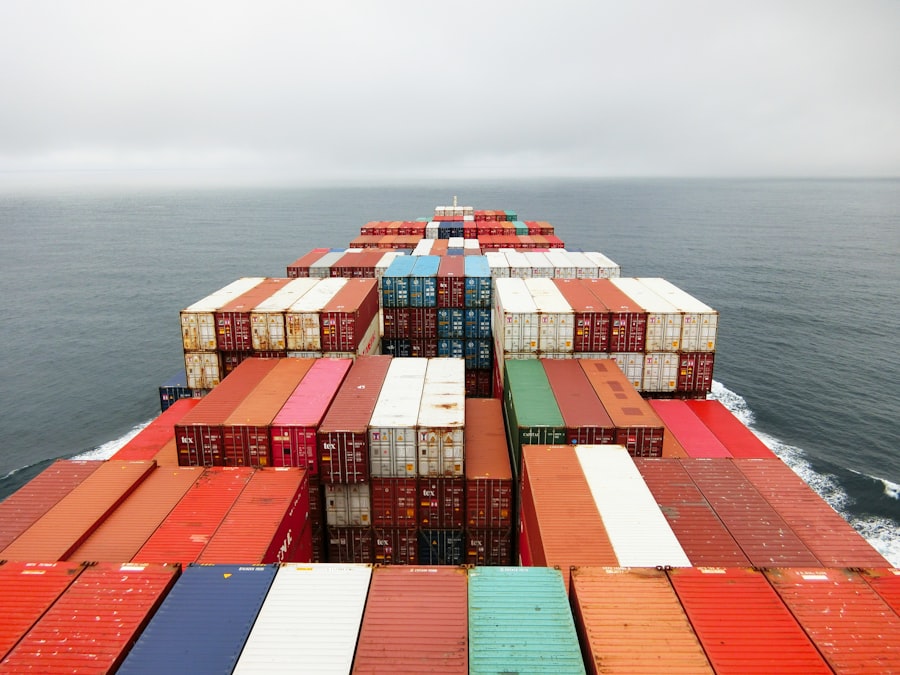
The waves of change are not solely economic or political; they are also environmental. The world is increasingly demanding a more sustainable approach to business, and the container shipping industry is at the vanguard of this transformation. You are not just moving goods; you are influencing the planet’s future.
The Race for Greener Shipping Solutions
The pressure to reduce carbon emissions is immense, and it’s a pressure you feel acutely. You have a choice: resist and be left behind, or embrace the challenge and lead the charge towards a greener future. This means investing in new technologies, exploring alternative fuels, and optimizing operations to minimize your environmental footprint.
Alternative Fuels and Propulsion Technologies
The search for sustainable fuel sources is a top priority. You are evaluating everything from LNG and methanol to ammonia and hydrogen. The transition will be phased and complex, requiring significant investment in infrastructure and new vessel designs. Your understanding of these emerging technologies and their feasibility is crucial for long-term viability.
Emission Reduction Technologies and Operational Efficiencies
Beyond fuels, you are also exploring technologies to reduce emissions from existing fleets. This includes innovations in hull coatings, more efficient propeller designs, and advanced route optimization software. Every byte of data, every nautical mile, offers an opportunity to become more efficient and more sustainable.
The Circular Economy and Waste Reduction
Sustainability extends beyond carbon emissions. You are also considering the broader implications of waste generation and the principles of the circular economy. This involves thinking about how to reduce waste throughout the supply chain, from packaging to end-of-life vessel management.
Reducing Packaging Waste in Transit
The sheer volume of goods you transport involves immense amounts of packaging. You are exploring ways to minimize this, encouraging the use of reusable packaging, and optimizing loading techniques to reduce the need for excessive dunnage.
End-of-Life Vessel Management and Material Reuse
When vessels reach the end of their operational life, their disposal becomes a critical environmental consideration. You are increasingly focused on responsible recycling and the reuse of materials, turning decommissioned ships into a source of valuable resources.
The Digital Transformation of the Seas
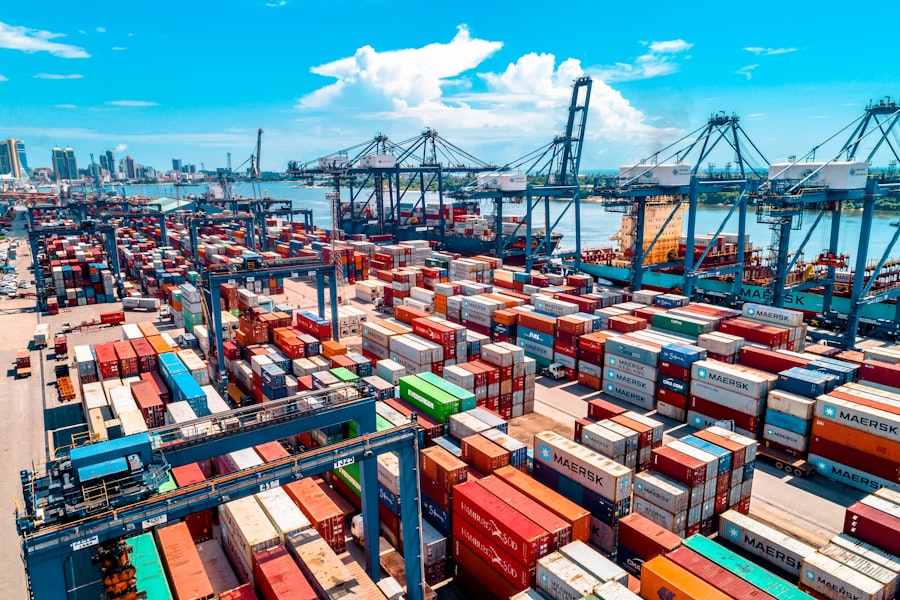
The digital revolution is not confined to landlocked offices; it is reaching out across the vast expanse of the oceans. You are at the forefront of this transformation, using technology to enhance efficiency, transparency, and safety.
Smart Ports and Connected Supply Chains
The concept of the “smart port” is no longer a futuristic vision; it is a present reality. You are witnessing the integration of advanced technologies that streamline operations, reduce dwell times, and improve overall efficiency. This interconnectedness extends beyond the port itself, creating a seamless flow of information across the entire supply chain.
IoT and Big Data Analytics for Operational Optimization
The Internet of Things (IoT) is providing unprecedented visibility into every stage of the shipping process. You are leveraging this data to optimize vessel performance, predict maintenance needs, and identify bottlenecks before they become problems. Big data analytics are your new compass, guiding you towards greater efficiency and cost savings.
Blockchain for Enhanced Transparency and Security
The immutability and transparency offered by blockchain technology are revolutionizing how you manage documentation and track cargo. This fosters trust among stakeholders, reduces fraud, and streamlines administrative processes. Your ability to embrace these secure, distributed ledger technologies will be a significant competitive advantage.
Automation and Artificial Intelligence in Logistics
Automation, powered by artificial intelligence (AI), is streamlining many of the repetitive and complex tasks within the container shipping industry. From automated loading and unloading to AI-driven route planning, these technologies are freeing up human capital for more strategic endeavors.
Autonomous Vessels and Future Navigation
The idea of autonomous vessels is no longer science fiction. While widespread adoption is still some way off, you are closely monitoring the development and testing of these technologies. Their eventual integration could reshape navigation, crew requirements, and operational safety.
AI-Powered Predictive Maintenance and Route Optimization
AI is proving invaluable in predicting when equipment is likely to fail, allowing for proactive maintenance and minimizing downtime. Furthermore, AI algorithms are constantly analyzing vast datasets to identify the most efficient and cost-effective routes, taking into account weather, traffic, and port congestion.
The container shipping industry has been experiencing significant changes due to various global factors, including supply chain disruptions and environmental regulations. A recent article discusses how these challenges are reshaping the logistics landscape and influencing shipping rates. For further insights on this topic, you can read more in this informative piece on the impact of these trends on global trade at MyGeoQuest. Understanding these dynamics is crucial for stakeholders looking to navigate the complexities of modern shipping.
The Evolving Workforce and Skills Gap
| Metrics | Data |
|---|---|
| Number of containers shipped annually | Over 200 million TEU (Twenty-foot Equivalent Unit) |
| Top container shipping companies | Maersk, MSC, CMA CGM, COSCO, Hapag-Lloyd |
| Busiest container ports | Shanghai, Singapore, Shenzhen, Ningbo-Zhoushan, Guangzhou |
| Global container shipping market size | Over 12 billion |
| Container shipping industry growth rate | Average annual growth of 4-5% |
The future of container shipping is not just about technology and infrastructure; it’s also about the people who drive it. You are facing a changing workforce demographic and a growing skills gap that needs to be addressed.
Attracting and Retaining Talent in a Competitive Landscape
The maritime industry, once a traditional career path, now competes with a multitude of other sectors for talent. You are tasked with making the industry more attractive, offering competitive compensation, promoting a positive work-life balance, and highlighting the exciting advancements in technology.
The Rise of the Digital Mariner and New Skill Requirements
The skills required of seafarers are changing dramatically. The days of purely manual navigation are fading, replaced by a need for proficiency in digital systems, data analysis, and advanced problem-solving. You need to invest in training and development programs to equip your workforce with these new competencies.
Promoting Diversity and Inclusion for a Broader Talent Pool
To effectively attract the best and brightest, you must foster a diverse and inclusive environment. This means actively seeking out and supporting individuals from all backgrounds, creating a welcoming and equitable workplace for everyone.
Bridging the Skills Gap Through Education and Training
The skills gap is not insurmountable, but it requires a concerted effort. You are investing in educational partnerships, developing robust training programs, and encouraging continuous learning to ensure your workforce remains at the cutting edge.
Industry-Academia Partnerships for Future Talent Development
Collaborating with universities and maritime academies is essential for shaping curricula and developing the next generation of maritime professionals. These partnerships ensure that educational programs align with the evolving needs of the industry.
Continuous Learning and Upskilling Programs for Existing Employees
The pace of technological change necessitates ongoing learning. You are implementing programs that allow existing employees to upskill and reskill, keeping their expertise relevant and ensuring they can adapt to new roles and responsibilities.
Strategic Imperatives for a Resilient Future
As you navigate these complex currents, your strategic imperatives must be clear and actionable. The future belongs to those who can anticipate, adapt, and innovate. Your ability to embrace these strategies will determine your longevity and success.
Building Agile and Resilient Supply Chains
In an increasingly volatile world, resilience is paramount. You are focusing on creating supply chains that can withstand disruptions, adapt to changing demand, and maintain operational continuity even in the face of unforeseen challenges.
Diversification of Routes and Port Infrastructures
Over-reliance on single routes or ports can be a significant vulnerability. You are exploring diversification strategies, investing in alternative infrastructure, and developing contingency plans to mitigate the impact of localized disruptions.
Enhanced Risk Management and Scenario Planning
Proactive risk management is no longer a luxury; it’s a necessity.

The Taiwan Strait: The Most Dangerous Place in the Global Economy
FAQs
What is the container shipping industry?
The container shipping industry involves the transportation of goods in standardized containers on ships. These containers can be easily transferred between different modes of transportation, such as ships, trucks, and trains.
How big is the container shipping industry?
The container shipping industry is a major component of global trade, with over 90% of the world’s trade being carried by sea. It is estimated that there are over 6,000 container ships in operation worldwide, transporting a wide variety of goods.
What are the key players in the container shipping industry?
The container shipping industry is dominated by a few major players, known as shipping lines or carriers. Some of the largest container shipping companies include Maersk Line, MSC (Mediterranean Shipping Company), CMA CGM, and COSCO Shipping.
What are the main challenges facing the container shipping industry?
The container shipping industry faces several challenges, including overcapacity, fluctuating freight rates, environmental regulations, and the need for increased efficiency and digitalization. Additionally, geopolitical tensions and trade disputes can impact the industry.
How does the container shipping industry impact the global economy?
The container shipping industry plays a crucial role in facilitating global trade and economic growth. It enables the efficient and cost-effective transportation of goods across long distances, connecting producers and consumers around the world. The industry also has a significant impact on employment, infrastructure development, and environmental sustainability.