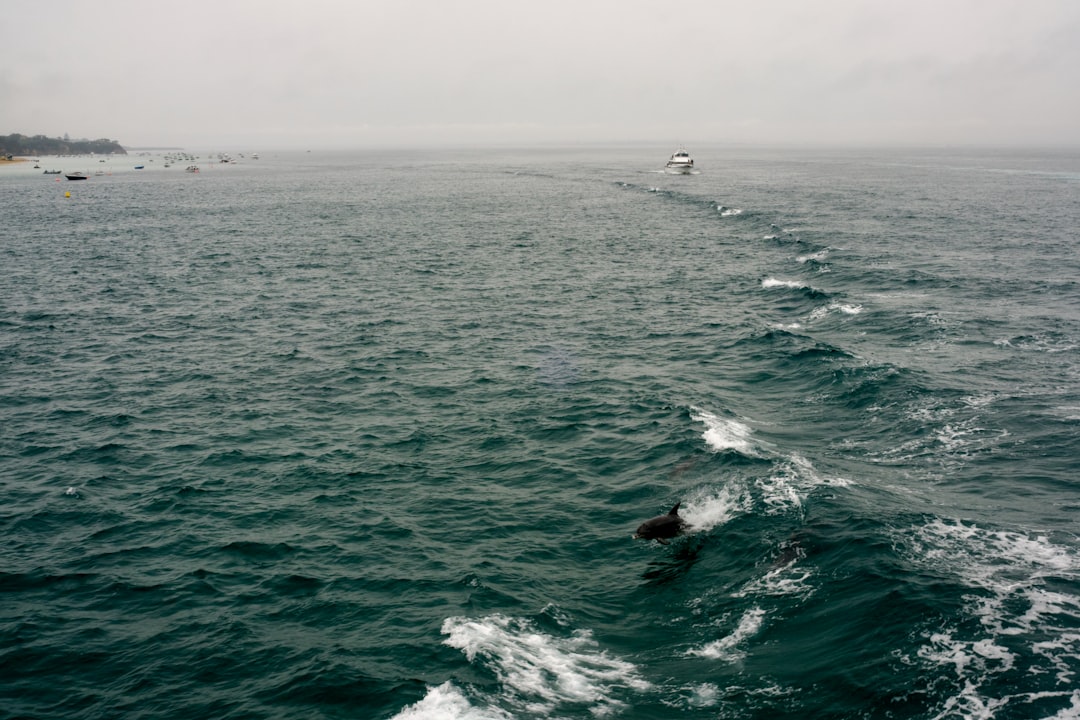
The Drake Passage, a notoriously wild expanse of ocean separating the southern tip of South America from the Antarctic Peninsula, is not merely a body of water; it is a rite of passage. For intrepid travelers venturing to the Great White Continent, it represents the threshold, the dramatic entryway into a realm of ice, unparalleled wildlife, and profound silence. This formidable stretch of the Southern Ocean is renowned for its tempestuous seas, fierce winds, and the sheer immensity of its power, making navigation a testament to human resilience and the raw force of nature.
The Drake Passage is a geographical marvel, a convergence point where the Atlantic, Pacific, and Southern Oceans meet and mingle. This meeting of currents is a primary driver of its turbulent character.
The Antarctic Circumpolar Current: A Global Conveyor Belt
At the heart of the Drake Passage’s power lies the Antarctic Circumpolar Current (ACC). This is the world’s largest ocean current, a relentless, west-to-east flow that circles Antarctica unimpeded by landmasses. Driven by prevailing westerly winds, the ACC is a colossal conveyor belt of water, carrying nutrients and heat, and playing a crucial role in global climate regulation. Within the Drake Passage, the ACC is channeled and intensified, its immense volume and speed contributing to the formation of formidable waves. The sheer volume of water moving through this relatively narrow strait is staggering, creating a dynamic and often unpredictable environment. The ACC’s influence extends far beyond the Drake Passage, impacting oceanographic conditions across the globe.
Depth and Seabed Topography: Shaping the Waves
The depth of the Drake Passage varies significantly, contributing to its complex wave patterns. While much of the passage is thousands of meters deep, shallower areas, including underwater ridges and seamounts, can influence wave behavior, causing them to refract, reflect, and build in height. The seabed itself is a testament to geological history, sculpted by glaciers and oceanic forces over millennia. These underwater features, largely unseen by those battling the surface storms, play a subtle yet significant role in dictating the energy and direction of the waves. Understanding these bathymetric variations is crucial for safe navigation, especially for larger vessels.
The Fierce Westerlies: The Wind Beneath the Waves
The prevailing westerly winds are a constant and powerful force in the Drake Passage. These winds are generated by the contrast between the cold air over Antarctica and the warmer air over more temperate regions, a phenomenon known as the polar vortex. When these winds blow unimpeded across the vast expanse of the Southern Ocean, they can generate immense waves, often described as “rogue” waves, capable of dwarfing even the largest ships. The fetch – the uninterrupted distance over which the wind blows – is enormous in the Southern Ocean, allowing winds to build significant wave energy. These winds are not a mere inconvenience; they are the primary engine behind the Drake’s notorious reputation.
The Drake Passage, a crucial waterway connecting the Atlantic and Pacific Oceans, is known for its challenging conditions and rich marine biodiversity. For those interested in exploring more about this fascinating region, you can read a related article that delves into the unique ecosystems and climatic influences of the Southern Ocean. To learn more, visit this article.
The Drake Shake: A Trial by Water
The journey through the Drake Passage is often characterized by its unpredictable and often violent motion, affectionately or fearfully dubbed the “Drake Shake.” This motion is a direct consequence of the confluence of powerful ocean currents and relentless winds.
Wave Formation and Size: Mountains of Water
The waves in the Drake Passage are legendary. Without the moderating influence of landmasses, the winds have the opportunity to build enormous, powerful swells. These are not your typical choppy seas; these are long, rolling waves that can reach heights of 10 to 15 meters (30 to 50 feet) or even more. In extreme conditions, rogue waves exceeding 20 meters (60 feet) have been reported. The rhythm of these massive waves can be disorienting, with long periods between crests, amplifying the sensation of plunging into deep troughs. The sheer scale of these waves instills a profound sense of awe and humility in all who witness them.
Ship Motion and Its Effects: The Dance of the Vessel
The motion experienced on a ship traversing the Drake Passage can be extreme. Vessels will pitch (forward and backward), roll (side to side), heave (up and down), yaw (turning left and right), surge (forward and backward acceleration), and sway (sideways acceleration). These combined movements can be intensely disorienting and lead to seasickness, a common ailment for passengers. The design of the ship, its speed, and the captain’s skill in navigating the waves are all critical factors in mitigating the effects of the motion. Engineers design ships specifically for these conditions, employing advanced stabilization systems to minimize discomfort.
Passenger Experience: Embracing the Turbulence
For passengers, the Drake Passage is an unforgettable experience. While some may find it daunting, others embrace the challenge, viewing it as an essential part of the Antarctic adventure. Modern expedition ships are designed with advanced stabilizers to minimize rolling, and onboard medical staff are well-equipped to handle seasickness. The experience can be a bonding one, with passengers sharing stories of their encounters with the Drake’s fury. Despite the potential for discomfort, the anticipation of what lies beyond the passage often fuels resilience. Many passengers find that once the ship is stabilized and they find their sea legs, the experience can be managed, and even become exhilarating.
Navigational Challenges: Charting a Course Through Chaos

Navigating the Drake Passage is a complex undertaking, requiring meticulous planning, experienced seamanship, and advanced technology. The unpredictable nature of the seas demands constant vigilance.
Weather Forecasting and Routing: The Art of Prediction
Accurate weather forecasting is paramount for safe passage. Meteorologists analyze satellite data, weather models, and ship reports to predict wind speeds, wave heights, and storm trajectories. Based on this information, captains make crucial decisions about the optimal route, speed, and timing of their crossing. This involves a delicate balance between minimizing exposure to the worst weather and ensuring the most efficient passage. Often, ships will deviate from a direct line to avoid the most severe weather systems, adding to the overall journey time but prioritizing safety. The constant flow of updated meteorological information is the lifeline for any captain in the Drake.
Ship Design and Technology: Built for the Southern Ocean
Expedition ships that ply the Drake Passage are specifically designed for these challenging conditions. They are built with reinforced hulls, powerful engines, and advanced navigation systems. Many incorporate bulbous bows to reduce wave resistance and active fin stabilizers to counteract rolling. State-of-the-art radar and sonar systems allow for precise positioning and detection of potential hazards. The technological advancements in ship building have made traversing the Drake significantly safer and more comfortable than in centuries past. The robustness of these vessels is a testament to engineering ingenuity.
Captain’s Expertise: The Human Element
The captain and crew’s experience and judgment are irreplaceable. They possess an intimate understanding of the Drake’s moods, honed through years of navigating these waters. Their ability to read the seas, anticipate weather shifts, and make critical decisions in real-time is the ultimate safeguard. The crew’s constant monitoring of the ship and its surroundings, coupled with their swift response to any developing situation, is crucial. The human element, the intuitive understanding and decisiveness of experienced mariners, remains as vital as any technological advancement.
The Drake Crossing: A Journey of Transformation

The passage through the Drake is more than just a physical journey; it is a transformative experience that prepares travelers for the unique environment of Antarctica.
Building Anticipation: The Threshold of Wonder
As the ship approaches the Drake Passage, a palpable sense of anticipation builds among passengers. The journey from Ushuaia or Punta Arenas is a prelude, a gradual easing into the isolation of the Southern Ocean. The increasing swell and the vast, unbroken horizon signal that the true adventure is about to begin. This period of anticipation is crucial for mental preparation, allowing individuals to mentally adjust to the potential challenges ahead. The sheer scale of the ocean can be overwhelming, but also incredibly inspiring.
Confronting the Elements: Resilience and Respect
For many, the Drake Passage is their first true encounter with the raw power of nature. The experience can be humbling, forcing a confrontation with one’s own vulnerability. However, it also fosters a deep respect for the ocean and its forces. Those who emerge from the Drake Shake often feel a sense of accomplishment and a newfound appreciation for the resilience of both human spirit and seafaring vessels. The shared experience of enduring the rough seas can forge strong bonds among passengers. It is a test of character, and those who pass emerge with a heightened sense of self.
The Reward: Arrival in Antarctica
The moment the ship breaks through the Drake Passage and the first icebergs come into view is one of pure exhilaration. The turbulent waters, though challenging, serve as a dramatic prelude to the pristine beauty and profound silence of Antarctica. The stark contrast between the stormy seas and the serene Antarctic landscape is striking. The challenges of the crossing make the arrival all the more profound and the subsequent exploration of Antarctica even more rewarding. The Drake Passage is the gateway, and its passage bestows a unique right of entry.
The Drake Passage, a vital waterway connecting the Atlantic and Pacific Oceans, plays a crucial role in the Southern Ocean’s ecosystem and climate regulation. Its turbulent waters are known for their challenging navigation, but they also support a rich diversity of marine life. For those interested in exploring more about the unique characteristics and significance of this region, you can read a related article on the topic at My Geo Quest. Understanding the dynamics of the Drake Passage can provide valuable insights into the broader environmental changes affecting our planet.
Beyond the Drake: The Antarctic Frontier
| Parameter | Value |
|---|---|
| Location | Southern Ocean |
| Width | 800 kilometers |
| Depth | 4,000 meters |
| Water temperature | 0 to 5 degrees Celsius |
| Currents | Strong and variable |
Once the Drake Passage is behind, a world of unparalleled natural beauty and scientific significance unfolds. The Antarctic continent beckons, offering an experience unlike any other on Earth.
The Realm of Ice: Glaciers, Icebergs, and Ice Sheets
Antarctica is a continent dominated by ice. Massive glaciers calve into the sea, creating an ever-changing landscape of icebergs, from small bergy bits to colossal tabular icebergs that dwarf ships. The sheer scale of the ice sheets, which hold the vast majority of the world’s freshwater, is awe-inspiring. The pristine white landscapes, sculpted by millennia of ice formation and movement, are a visual spectacle of breathtaking grandeur. The subtle blues and whites of the ice, in their myriad forms, are a constant source of fascination.
Abundant Wildlife: A Symphony of Life
Despite its harsh environment, Antarctica teems with life. Vast colonies of penguins, from the majestic Emperor to the comical Gentoo, dot the shores. Seals, including Weddell, Crabeater, and Leopard seals, bask on ice floes. Whales, such as humpbacks and minke whales, frequently breach and feed in the nutrient-rich waters. Seabirds, including albatrosses and petrels, soar overhead. The sheer abundance and diversity of wildlife in this seemingly desolate continent is a testament to the adaptability of life. Observing these creatures in their natural habitat, often unperturbed by human presence, is a privilege.
Scientific Research and Conservation: A Global Imperative
Antarctica is a vital hub for scientific research, offering unparalleled opportunities to study climate change, glaciology, marine biology, and astronomy. The continent is also a crucial focus for international conservation efforts, with the Antarctic Treaty System working to protect its unique ecosystem from exploitation and pollution. The pristine nature of the Antarctic environment makes it a sensitive barometer for global environmental health, and ongoing research here has profound implications for the entire planet. The efforts to preserve this fragile wilderness are a shared responsibility.
The Drake Passage, in all its ferocity and grandeur, is an integral part of the Antarctic expedition. It is a crucible that tests and transforms, a gateway that opens the mind to the wonders that lie beyond. To navigate the Drake is to embark on a journey not just across an ocean, but into a realm of profound natural power and unparalleled beauty, a true frontier of exploration.

Why Cape Horn Has Some of the Worst Seas on Earth
FAQs
What is the Drake Passage?
The Drake Passage is the body of water between the southern tip of South America and the northern tip of the Antarctic Peninsula. It connects the southwestern part of the Atlantic Ocean with the southeastern part of the Pacific Ocean.
Why is the Drake Passage important?
The Drake Passage is important because it is the shortest and most direct route for oceanic travel between Antarctica and the rest of the world. It is also known for its strong westerly winds and rough seas, making it a challenging and iconic route for sailors and explorers.
What is the Southern Ocean?
The Southern Ocean is the body of water that surrounds Antarctica. It is the fourth-largest of the world’s five oceans and is unique in that it is the only ocean to encircle an entire continent without being divided by land.
What are the environmental characteristics of the Drake Passage and the Southern Ocean?
The Drake Passage and the Southern Ocean are known for their harsh and extreme environmental conditions, including strong winds, rough seas, and cold temperatures. The region is also home to diverse marine life, including whales, seals, and penguins.
What scientific research is conducted in the Drake Passage and the Southern Ocean?
The Drake Passage and the Southern Ocean are important areas for scientific research, particularly in the fields of oceanography, climate science, and marine biology. Researchers study the region’s unique ocean currents, its role in global climate systems, and its diverse marine ecosystems.