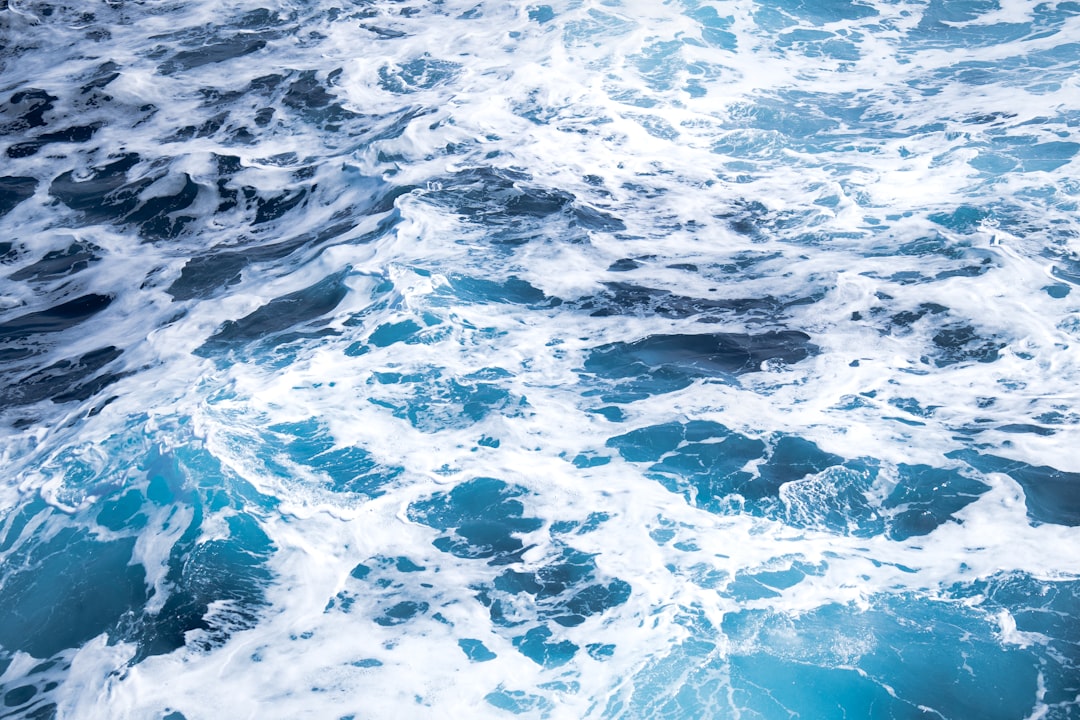
The Drake Passage, a notoriously turbulent stretch of water separating the southern tip of South America from the Antarctic Peninsula, is a realm where raw oceanic power reigns supreme. For centuries, it has been a formidable barrier, a crucible for mariners and a gateway to the pristine, icy continent of Antarctica. Understanding the intricate dance of its ocean currents and the formidable challenges they present is crucial for anyone daring to traverse this wild frontier. This passage is not merely a body of water; it is a dynamic, ever-shifting environment shaped by powerful forces, demanding respect and meticulous preparation.
The Drake Passage is characterized by a confluence of major ocean currents, each contributing to its formidable reputation. These currents are not static but are influenced by atmospheric conditions, bathymetry, and the overall global oceanic circulation. Their interaction creates a complex and often violent marine environment.
The Antarctic Circumpolar Current: The Dominant Force
Origin and Influence
At the heart of the Drake Passage’s oceanic dynamics lies the Antarctic Circumpolar Current (ACC). Often described as the “world’s largest ocean current,” the ACC is a powerful eastward-flowing current that encircles Antarctica. Its sheer volume and velocity make it the primary driver of water movement within the Drake Passage. The ACC originates from the mixing of the Atlantic, Indian, and Pacific Oceans, carrying vast quantities of cold, nutrient-rich water from the Southern Ocean.
The Drake Passage as a Bottleneck
The Drake Passage acts as a critical constriction for the ACC. As the ACC encounters the relatively narrow gap between South America and Antarctica, its flow is compressed and accelerated. This channeling effect intensifies the current’s speed and its propensity to generate large waves. The geological history of the region, including the opening of the Drake Passage millions of years ago, is directly linked to the establishment of the ACC and its profound influence on global climate. Without this passage, the ACC would not be able to flow unimpeded, significantly altering global ocean circulation and temperature patterns.
The Role of the ACC in Global Climate
The ACC plays a vital role in regulating Earth’s climate by transporting heat and carbon dioxide around the globe. Its cold waters absorb atmospheric CO2, helping to mitigate climate change. Furthermore, the mixing of waters within the ACC drives deep ocean circulation, which is essential for distributing heat and nutrients throughout the world’s oceans. The Drake Passage, by facilitating the ACC’s unimpeded flow, is thus a keystone in this global thermohaline circulation system.
Minor Currents and Gyres: Adding Complexity
While the ACC is the dominant force, other smaller currents and eddies contribute to the turbulent nature of the Drake Passage. These can include localized gyres, which are circular ocean currents, and upwelling zones where colder, nutrient-rich deep water rises to the surface.
Localized Eddies and Whirlpools
The interaction between the main ACC flow and the irregular seafloor topography of the Drake Passage can create localized eddies and whirlpools. These smaller-scale disturbances can cause sudden changes in water direction and speed, posing navigational hazards. They are often unpredictable and can emerge without warning, adding another layer of complexity to an already challenging environment.
Upwelling and Downwelling Phenomena
Certain areas within the Drake Passage experience significant upwelling and downwelling. Upwelling occurs when deep, cold, nutrient-rich water rises to the surface, often driven by prevailing winds or changes in current direction. This phenomenon is crucial for the Antarctic marine ecosystem, supporting abundant plankton and, consequently, a rich food web. Downwelling, conversely, involves surface waters sinking. These vertical movements of water contribute to the dynamic and often chaotic nature of the passage.
The Drake Passage is known for its powerful ocean currents, which play a crucial role in global climate and marine ecosystems. For a deeper understanding of these currents and their impact on the surrounding environment, you can explore a related article that delves into the dynamics of ocean circulation in this region. To read more, visit this article on MyGeoQuest.
The Unrelenting Fury: Weather and Wave Conditions
The Drake Passage is synonymous with extreme weather. The prevailing atmospheric conditions, coupled with the powerful ocean currents, conspire to create some of the most challenging seas on the planet. These conditions are not merely unpleasant; they are a significant threat to maritime safety.
The Roaring Forties, Furious Fifties, and Screaming Sixties
Global Wind Patterns
The Drake Passage lies within a region famously known as the “Furious Fifties” (50s latitude south) and the “Screaming Sixties” (60s latitude south), also influenced by the “Roaring Forties” (40s latitude south). These designations are not arbitrary; they reflect the consistent and powerful westerly winds that prevail in these latitudes. Driven by the temperature gradient between the equator and the poles, and unimpeded by landmasses, these winds blow with relentless force for extended periods.
Direct Impact on Waves
These powerful winds are the primary generators of the massive waves that characterize the Drake Passage. The longer the fetch (the distance over which the wind blows uninterrupted), the larger the waves can become. The Drake Passage offers an almost unlimited fetch, allowing winds to build up waves to impressive heights, often exceeding 10-15 meters, and in extreme conditions, even higher. The steepness and chaotic nature of these waves are particularly dangerous.
The Role of Cyclonic Systems
The region is also prone to the formation and passage of intense cyclonic systems. These low-pressure systems bring with them strong winds, heavy precipitation, and further exacerbate already rough seas. The interaction of these storms with the prevailing westerlies can create a volatile and unpredictable weather landscape, making forecasting and navigation particularly challenging.
The Illusion of Calm: Deceptive Conditions
While the Drake Passage is renowned for its storms, it can also experience periods of relative calm. However, these lulls can be deceptive. The underlying oceanic energy remains, and conditions can deteriorate rapidly. Experienced mariners are acutely aware that even in seemingly calm seas, the potential for sudden and dramatic changes in weather is ever-present. This requires constant vigilance and preparedness.
Navigational Hazards: Beyond the Swells
The challenging currents and extreme weather are not the only obstacles facing vessels in the Drake Passage. A host of other navigational hazards demand careful attention and robust safety protocols.
Icebergs and Growlers: The Antarctic Menace
Origin and Movement
As a gateway to Antarctica, the Drake Passage is patrolled by icebergs and growlers, fragments of glaciers that have calved into the sea. These frozen behemoths, originating from the Antarctic ice shelves, are carried by ocean currents and can drift into shipping lanes. While colossal icebergs are often visible from a distance, smaller pieces, known as growlers, are particularly insidious as they float low in the water, making them difficult to detect.
Risks to Navigation
Collisions with icebergs or growlers can be catastrophic, causing severe damage to a vessel’s hull and leading to potential sinking. The sheer mass of even a growler can inflict significant damage. Maritime authorities employ sophisticated ice-detection systems, including radar and visual observation, but the unpredictable nature of ice movement and the vastness of the area necessitate constant vigilance.
Strategies for Ice Avoidance
Navigational strategies for avoiding ice involve careful monitoring of ice reports from meteorological agencies, utilizing radar to detect ice, and maintaining a safe distance from known ice fields. Vessels often plot routes to avoid areas with high iceberg concentrations, and in challenging conditions, they may even alter course significantly to circumnavigate dangerous zones.
Submerged Reefs and Seamounts
Underwater Topography
The seafloor of the Drake Passage is not uniformly deep. There are areas with submerged reefs and seamounts, underwater mountains that can rise hundreds or even thousands of meters from the seabed. These geological features can create navigational hazards, particularly for vessels with deep drafts.
Risks of Grounding
Grounding on a submerged reef or seamount can lead to hull damage, engine failure, and potentially the loss of the vessel. The charting of these features is crucial for safe navigation. Modern sonar and bathymetric surveys are employed to map the seafloor, but remote and less-explored areas may still hold undiscovered hazards.
Depth Soundings and Charting
Accurate depth soundings and detailed nautical charts are essential tools for mariners. Continuous monitoring of depth soundings as a vessel traverses the passage allows for early detection of shoaling or unexpected changes in seabed elevation, providing a critical margin of safety.
Vessel Preparedness and Crew Expertise: The Human Element
The unforgiving nature of the Drake Passage places an immense premium on the preparedness of both the vessel and its crew. No amount of technological sophistication can entirely mitigate the risks without skilled human oversight and robust operational procedures.
Vessel Design and Seaworthiness
Hull Strength and Stability
Vessels designed to navigate the Drake Passage must possess exceptional hull strength and stability. Their construction must be robust enough to withstand the immense forces exerted by large waves and the potential impact of debris. Redundant systems for propulsion, navigation, and life support are paramount.
Motion Reduction Technologies
To enhance crew comfort and safety, many vessels operating in these waters are equipped with motion reduction technologies. These can include active fin stabilizers, which counteract rolling, and specialized hull designs that minimize slamming and pitching. These technologies help to reduce the physical strain on the crew and prevent cargo shifts.
Emergency Systems
Comprehensive emergency systems, including robust bilge pumping capabilities, fire suppression systems, and well-stocked medical facilities, are non-negotiable. The remoteness of the Drake Passage means that immediate external assistance is often hours or even days away, necessitating self-sufficiency in managing emergencies.
Crew Training and Experience
Experience in Rough Seas
The most critical asset in the Drake Passage is a highly experienced crew. Mariners with a proven track record of operating in rough seas possess the intuitive understanding and calm demeanor required to make sound decisions under pressure. This includes seasoned captains, navigators, engineers, and deckhands.
Specialized Training
Beyond general maritime experience, crews often undergo specialized training for polar or high-latitude operations. This can include training in ice navigation, extreme weather response, and emergency procedures tailored to the unique challenges of these environments. Understanding the behavior of waves and currents, and how to best utilize the vessel’s capabilities to navigate them, is a skillset honed through experience and rigorous training.
Communication and Coordination
Effective communication and coordination among the crew are vital. Clear lines of command, well-rehearsed emergency protocols, and constant communication between the bridge and engine room ensure that the vessel operates as a cohesive unit, even in the most chaotic conditions.
The Drake Passage is known for its powerful ocean currents that play a crucial role in global climate and marine ecosystems. These currents are influenced by various factors, including wind patterns and the geography of the surrounding landmasses. For a deeper understanding of how these currents interact with the environment, you can explore a related article that delves into the dynamics of ocean currents in this region. This insightful piece can be found here, providing valuable information for anyone interested in oceanography and climate science.
The Lure of the Antarctic: Why Brave the Drake?
| Current Name | Direction | Speed |
|---|---|---|
| Antarctic Circumpolar Current | Eastward | 1-2 meters per second |
| Drake Passage Current | Northward | 1-2 meters per second |
| West Wind Drift | Eastward | 1-2 meters per second |
Despite the formidable challenges, the allure of Antarctica and the unique experiences it offers draw countless individuals and vessels to brave the Drake Passage each year. The rewards, for those who successfully navigate its treacherous waters, are profound.
Scientific Exploration and Research
Understanding a Pristine Continent
Antarctica remains one of the last true wildernesses on Earth, a continent of immense scientific importance. The Drake Passage serves as the primary access point for researchers studying its unique ecosystems, geology, climate history, and the impact of global change. Vessels carrying scientific equipment and personnel must overcome the passage’s obstacles to conduct vital research.
Climate Change Monitoring
The Antarctic ice sheet and surrounding oceans are critical indicators of global climate change. Scientists monitor ice melt, ocean temperatures, and atmospheric conditions in the region, and the Drake Passage is the crucial link in transporting them to this vital research arena. Understanding the changes occurring in Antarctica is essential for predicting future global climate trends.
Marine Biology and Ecosystem Studies
The nutrient-rich waters of the Southern Ocean, influenced by the Drake Passage currents, support a diverse and unique marine ecosystem. Researchers study whales, seals, penguins, krill, and countless other species to understand their adaptations, population dynamics, and their role in the global food web.
Tourism and Adventure
A Unique Travel Experience
For many, a voyage through the Drake Passage is the ultimate adventure. The chance to witness colossal icebergs, observe abundant wildlife, and experience the raw power of nature is a once-in-a-lifetime opportunity. Tourist expeditions carefully plan their voyages to balance the desire for an Antarctic experience with the need for utmost safety.
The ‘Drake Shake’ as a Rite of Passage
The experience of traversing the Drake Passage, often referred to by adventurers as the “Drake Shake,” has become a rite of passage. While undeniably challenging, successfully enduring its rough seas is a badge of honor for many, a testament to human resilience and the allure of the untamed.
The Profound Impact of Antarctic Landscapes
The stark, icy beauty of Antarctica, accessed via the Drake Passage, leaves an indelible mark on those who witness it. The vastness of the ice sheets, the dramatic sculpted landscapes, and the resilience of life in such an extreme environment offer a perspective that is both humbling and awe-inspiring. The journey through the Drake Passage is an integral part of this transformative experience, a necessary challenge to reach a truly extraordinary destination. The currents, the weather, the hazards – all are part of the grand theater of the Drake Passage, a testament to the immense power of nature and the courage of those who seek to explore its frontiers.

Why Cape Horn Has Some of the Worst Seas on Earth
FAQs
What are ocean currents in the Drake Passage?
Ocean currents in the Drake Passage are powerful and fast-moving currents that flow between South America’s Cape Horn and the South Shetland Islands of Antarctica. These currents are a crucial part of the global ocean circulation system, connecting the Pacific and Atlantic Oceans.
How do ocean currents in the Drake Passage impact the climate?
The ocean currents in the Drake Passage play a significant role in regulating the Earth’s climate. They help to transfer heat and nutrients around the globe, influencing weather patterns and the distribution of marine life. The currents also contribute to the exchange of carbon dioxide between the atmosphere and the ocean.
What causes the strong ocean currents in the Drake Passage?
The strong ocean currents in the Drake Passage are primarily driven by the interaction between the Antarctic Circumpolar Current (ACC) and the underwater topography of the region. The narrow and deep channels in the passage funnel the powerful ACC, creating fast and turbulent currents.
How do ocean currents in the Drake Passage affect marine life?
The ocean currents in the Drake Passage have a significant impact on marine life in the region. They help to transport nutrients and plankton, which form the base of the food chain, supporting a diverse array of marine species, including whales, seals, and seabirds. The currents also influence the distribution and migration patterns of marine organisms.
What are the implications of changes in the ocean currents of the Drake Passage?
Changes in the ocean currents of the Drake Passage can have far-reaching implications for global climate and marine ecosystems. Shifts in the strength or direction of the currents could disrupt the transfer of heat and nutrients, affecting weather patterns and the distribution of marine life. Additionally, alterations in the currents may impact the exchange of carbon dioxide between the atmosphere and the ocean, potentially influencing climate change.