
The Drake Passage, a body of water situated between the southern tip of South America and Antarctica, is renowned for its tumultuous seas and unpredictable weather. Spanning approximately 600 kilometers, this passage serves as a critical maritime route for vessels traveling to and from the Antarctic region. The waters are named after Sir Francis Drake, the English explorer who navigated these treacherous seas in the late 16th century.
The passage is not only significant for its geographical location but also for its ecological importance, as it connects the Atlantic and Pacific Oceans, facilitating the movement of marine life and influencing global ocean currents. Navigating the Drake Passage is often considered a rite of passage for adventurers and researchers alike. The waters are notorious for their rough conditions, with waves that can reach heights of up to 15 meters during storms.
This unpredictability is largely due to the absence of land barriers, allowing winds to whip across the open ocean unimpeded. As a result, those who embark on a journey through the Drake Passage must be prepared for a range of experiences, from calm seas to intense storms. Understanding the dynamics of this passage is essential for anyone planning to traverse its waters, as it sets the stage for the adventure that lies ahead.
Key Takeaways
- The Drake Passage is a body of water between South America’s Cape Horn and the South Shetland Islands of Antarctica, known for its rough seas and challenging sailing conditions.
- Weather conditions in December can be unpredictable, with strong winds, rough seas, and potential for snow and ice, making it essential to choose a sturdy vessel for the crossing.
- When choosing the right vessel for a December crossing of the Drake Passage, look for one with a reinforced hull, experienced crew, and modern safety equipment.
- Packing essentials for a December crossing include warm, waterproof clothing, sturdy footwear, seasickness medication, and a camera for capturing wildlife sightings.
- Safety precautions and emergency plans are crucial for a December crossing, including regular safety drills, emergency communication systems, and a well-equipped medical facility on board.
- December is a great time for wildlife sightings in the Drake Passage, with opportunities to see penguins, seals, whales, and a variety of seabirds from the deck of the vessel.
- Activities and entertainment on board can include lectures from naturalists, photography workshops, and social events to keep passengers engaged during the crossing.
- Tips for managing seasickness include choosing a cabin in the middle of the ship, focusing on the horizon, and staying well-hydrated and well-rested.
- Navigation and route planning are carefully considered for a December crossing, with experienced captains and modern technology helping to navigate the challenging conditions.
- The historical significance of the Drake Passage includes its role in the exploration of Antarctica and its reputation as a rite of passage for sailors and adventurers.
- Arrival and disembarkation procedures involve clearing customs and immigration, transferring to land via small boats, and reflecting on the incredible journey across the Drake Passage.
Weather conditions in December
December marks the beginning of summer in the Southern Hemisphere, making it one of the most favorable months for crossing the Drake Passage. During this time, temperatures tend to be milder, with average highs ranging from 5 to 10 degrees Celsius. The likelihood of encountering severe storms decreases significantly compared to other months, providing a more stable environment for vessels making their way to Antarctica.
However, travelers should remain vigilant, as weather conditions can still change rapidly, and unexpected squalls can arise without warning. In addition to temperature fluctuations, December also brings longer daylight hours, with nearly 24 hours of sunlight in some areas. This extended daylight not only enhances visibility but also allows travelers to fully appreciate the breathtaking landscapes and wildlife that inhabit the region.
The warmer temperatures and increased sunlight create a unique atmosphere that draws adventurers from around the globe, eager to experience the wonders of the Antarctic environment. Nevertheless, it is crucial for travelers to stay informed about weather forecasts and be prepared for any sudden changes that may occur during their journey.
Choosing the right vessel

Selecting the appropriate vessel for a crossing of the Drake Passage is paramount to ensuring a safe and enjoyable experience.
Larger ships often provide more amenities and stability in rough seas, making them a popular choice for those who prioritize comfort.
However, smaller vessels can offer a more intimate experience, allowing passengers to get closer to wildlife and explore remote areas that larger ships cannot access. When choosing a vessel, travelers should consider factors such as size, stability, and onboard facilities.
These vessels often feature ice-strengthened hulls and advanced navigation systems, ensuring safety even in adverse conditions. Additionally, many expedition ships offer knowledgeable guides and naturalists who enhance the journey by providing insights into the unique ecosystems encountered along the way. Ultimately, selecting the right vessel can significantly impact the overall experience of crossing this iconic passage.
Packing essentials for December crossing
| Item | Quantity | Description |
|---|---|---|
| Warm clothing | 3 sets | Thermal underwear, sweaters, and jackets |
| Waterproof boots | 1 pair | Insulated and waterproof for snow and rain |
| Gloves and hat | 1 set | Insulated and waterproof for cold weather |
| Backpack | 1 | For carrying essentials during excursions |
| Portable charger | 1 | For keeping electronic devices powered |
Packing for a December crossing of the Drake Passage requires careful consideration of both clothing and equipment. Given the variable weather conditions, layering is key. Travelers should pack moisture-wicking base layers, insulating mid-layers, and waterproof outer layers to ensure they remain comfortable throughout their journey.
Accessories such as gloves, hats, and scarves are also essential for protecting against wind chill while on deck. In addition to clothing, travelers should not forget practical items such as sunscreen and sunglasses. The sun’s rays can be particularly strong in polar regions due to the reflective nature of ice and water.
A good pair of binoculars can enhance wildlife viewing opportunities, allowing passengers to spot seals, whales, and seabirds from a distance. Furthermore, personal items such as medications for seasickness or any necessary toiletries should be included in one’s packing list. By preparing adequately with the right gear and essentials, travelers can ensure a more enjoyable experience while navigating the Drake Passage.
Safety precautions and emergency plans
Safety should always be a top priority when embarking on a journey through the Drake Passage. Before departure, travelers should familiarize themselves with safety protocols established by their chosen vessel. This includes understanding emergency procedures such as lifeboat drills and evacuation routes.
Crew members are trained to handle various situations that may arise during the crossing, so passengers should feel confident in their expertise. In addition to onboard safety measures, travelers should also consider personal safety precautions. It is advisable to keep personal belongings secure and avoid wandering alone in rough weather conditions.
Staying informed about weather updates and heeding crew advice can further enhance safety during the journey. By being proactive about safety and understanding emergency plans, travelers can navigate the Drake Passage with greater peace of mind.
Wildlife sightings in December
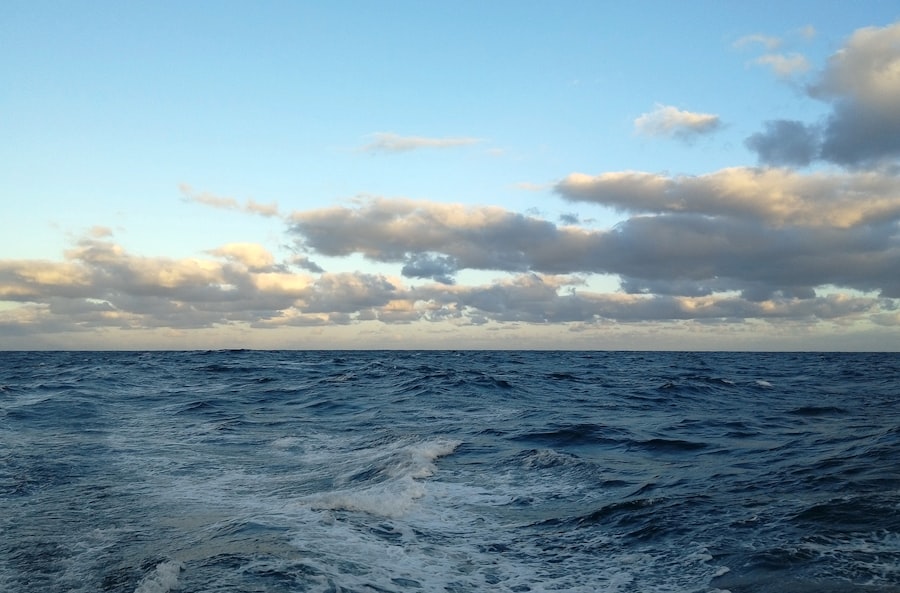
One of the most captivating aspects of crossing the Drake Passage in December is the opportunity to witness an array of wildlife in their natural habitat. This time of year coincides with the peak of wildlife activity in the region as many species migrate southward to take advantage of abundant food sources. Passengers may have the chance to spot various seabirds such as albatrosses and petrels soaring gracefully above the waves.
In addition to avian life, marine mammals are often sighted during crossings in December. Whales, including humpbacks and orcas, are known to frequent these waters as they feed on krill and fish. The sight of these majestic creatures breaching or spouting water is a highlight for many travelers.
Furthermore, seals can often be seen lounging on ice floes or swimming alongside vessels. The rich biodiversity found in this region makes December an ideal time for wildlife enthusiasts to embark on their Antarctic adventure.
Activities and entertainment on board
While traversing the Drake Passage can be an exhilarating experience filled with breathtaking views and wildlife sightings, it is also essential for travelers to have access to activities and entertainment during their journey. Many modern expedition vessels offer a range of onboard amenities designed to keep passengers engaged while at sea. Educational lectures led by naturalists provide valuable insights into the unique ecosystems encountered during the crossing.
In addition to educational programs, passengers may also enjoy recreational activities such as yoga classes or photography workshops tailored to capture stunning landscapes and wildlife moments. Social gatherings in lounges or dining areas allow travelers to connect with fellow adventurers and share stories about their experiences thus far. By providing a variety of activities and entertainment options onboard, vessels ensure that passengers remain entertained throughout their journey across the Drake Passage.
Tips for managing seasickness
Seasickness can be a common concern for those embarking on a crossing of the Drake Passage, given its reputation for rough waters. However, there are several strategies that travelers can employ to mitigate discomfort during their journey. One effective approach is to choose accommodations located in midship areas where motion is less pronounced compared to cabins at either end of the vessel.
Additionally, staying hydrated and consuming light meals can help alleviate symptoms associated with seasickness. Many travelers find relief through over-the-counter medications or natural remedies such as ginger or acupressure wristbands. It is also advisable to spend time on deck when possible; fresh air can work wonders in easing nausea.
By being proactive about managing seasickness, travelers can enhance their overall experience while navigating this iconic passage.
Navigation and route planning
Navigating through the Drake Passage requires careful planning and consideration due to its unpredictable nature. Experienced captains utilize advanced navigation technology combined with traditional seamanship skills to chart safe courses through these challenging waters. Weather forecasts play a crucial role in route planning; captains must remain flexible and ready to adjust their paths based on changing conditions.
In addition to weather considerations, navigational charts provide vital information about underwater topography and potential hazards along the route. Understanding currents and tides is equally important; these factors can significantly impact travel times and overall safety during crossings. By employing meticulous navigation strategies and remaining adaptable throughout their journey, captains ensure that passengers have a safe passage through one of the world’s most formidable maritime routes.
Historical significance of the Drake Passage
The historical significance of the Drake Passage cannot be overstated; it has long been a focal point for explorers seeking new trade routes and scientific discoveries. Sir Francis Drake’s expedition in 1578 marked one of the first recorded crossings of this treacherous waterway, paving the way for future exploration of Antarctica and beyond. Over centuries, countless adventurers have braved its waters in pursuit of knowledge about our planet’s southernmost regions.
In addition to its role in exploration history, the Drake Passage has also been instrumental in shaping our understanding of oceanography and climate science. The unique currents that flow through this passage influence global weather patterns and marine ecosystems far beyond its borders. As researchers continue to study these waters today, they uncover valuable insights into climate change and its effects on polar regions—a testament to how this historic passage remains relevant in contemporary scientific discourse.
Arrival and disembarkation procedures
Upon arrival at their destination after crossing the Drake Passage, travelers will encounter specific procedures related to disembarkation from their vessel. Depending on their itinerary—whether heading directly into Antarctica or stopping at nearby islands—passengers may need to prepare for customs inspections or health screenings before stepping ashore. Disembarkation typically involves organized groups led by crew members who guide passengers through necessary protocols while ensuring safety throughout the process.
Travelers should remain attentive during briefings regarding local regulations or guidelines established by authorities governing protected areas within Antarctica itself. By adhering closely to these procedures upon arrival at their destination, adventurers contribute positively toward preserving this pristine environment while embarking on unforgettable explorations ahead.
In December, the Drake Passage is known for its challenging conditions, making it a thrilling experience for adventurers and sailors alike. For those interested in exploring more about this treacherous yet fascinating part of the world, a related article on the topic can be found on MyGeoQuest. This article delves into the geographical significance and the adventurous allure of the Drake Passage. To read more about it, visit the MyGeoQuest article.
WATCH NOW! Drake Passage: Earth’s Deadliest Waters Revealed
FAQs
What is the Drake Passage?
The Drake Passage is the body of water between the southern tip of South America and the northern tip of the Antarctic Peninsula. It is known for its rough seas and challenging sailing conditions.
Why is the Drake Passage significant in December?
In December, the Drake Passage experiences some of the harshest weather conditions of the year, with strong winds, high waves, and potential for storms. This can make it particularly challenging for ships and vessels to navigate through the passage.
What is the weather like in the Drake Passage in December?
In December, the weather in the Drake Passage can be extremely cold, with temperatures often dropping below freezing. Storms and high winds are also common during this time, making it a difficult and potentially dangerous area to navigate.
What are the main activities in the Drake Passage in December?
In December, the main activities in the Drake Passage revolve around scientific research, wildlife observation, and adventure tourism. Many expeditions and cruises take place during this time, offering opportunities to see unique wildlife and experience the extreme conditions of the passage.
Is it safe to travel through the Drake Passage in December?
Traveling through the Drake Passage in December can be challenging and potentially dangerous due to the harsh weather conditions. It is important for travelers to be well-prepared and to choose experienced and reputable tour operators if planning to navigate through the passage during this time.