
The journey from the continent’s heart to the vast, boundless ocean is a profound undertaking, a transition that tests the mettle of any explorer, traveler, or even a migrating flock of birds. It’s a shift not merely in geography, but in perspective, in the very rhythm of existence. This movement from the familiar, terra firma embrace of the land to the liquid, ever-shifting embrace of the sea is a narrative woven through human history, mythology, and the natural world. To navigate this transition is to engage with a complex interplay of forces, both external and internal, demanding preparation, adaptability, and a deep respect for the changing environment.
The continent’s edge is not a stark, abrupt line but a gradient, a liminal space where terrestrial influences begin to wane and oceanic forces exert their nascent pull. Understanding this threshold is the first crucial step in navigating the continent-to-ocean transition. It’s here that the very character of the landscape begins to transform, offering clues to the challenges and wonders that lie ahead.
The Geological Tapestry of the Coastline
The geological formations that define the continental edge are the bedrock of this transition. Whether it’s the sheer cliffs of a rugged coastline, the gentle slope of sandy beaches, or the intricate network of estuaries and deltas, each feature tells a story of geological history and the ongoing dynamic between land and sea. These formations dictate the accessibility, the prevailing weather patterns, and the types of life that can eke out an existence. For those traversing this zone, a keen observation of the rocks, soil, and landforms can reveal potential hazards like unstable cliffs, shifting sands, or powerful tidal currents. The resilience of these structures, forged over millennia, offers a silent testament to the forces at play.
Climatic Shifts: The Breath of the Sea
As one approaches the ocean, the climate begins its noticeable transformation. The air often becomes more humid, carrying the saline tang of the sea. Temperature fluctuations might become less extreme than inland, moderated by the vast thermal mass of the water. Prevailing winds, once originating from inland weather systems, now draw moisture and energy from the ocean, leading to increased precipitation, fog, or the ferocity of coastal storms. Understanding these climatic shifts is vital for proper preparation. Packing appropriate clothing, anticipating changes in visibility, and being aware of the increased likelihood of wind-driven rain are all essential aspects of navigating this transitional climate.
The Evolving Ecosystems: Life at the Frontier
The transition zone is a rich and dynamic biological frontier. Terrestrial ecosystems gradually give way to coastal and marine ones. Forests might thin into scrublands and salt-tolerant vegetation. Inland fauna might be replaced by shorebirds, marine mammals, and a myriad of invertebrates adapted to the intertidal zone. This ecological shift offers a visual and sensory cue to the approaching ocean. For naturalists, it’s a prime area for observation, a place where distinct ecological communities overlap and interact. Understanding these evolving ecosystems can also provide practical information, such as the presence of certain animal tracks indicating safe passage or potential food sources, or the behavior of seabirds hinting at nearby waters.
The transition from continent to ocean is a fascinating topic that explores the geological and ecological changes occurring at the boundary between land and sea. For a deeper understanding of this subject, you can read the related article on MyGeoQuest, which delves into the processes that shape these critical areas and their significance in the Earth’s ecosystem. To learn more, visit this article.
Embracing the Fluid Frontier: The Power and Peril of the Ocean
The ocean itself is the ultimate destination of this transition, a realm of immense power, beauty, and inherent danger. Its fluid nature, its vastness, and its unpredictable temperament present a unique set of challenges and opportunities for those who venture onto or into its domain.
The Dance of Tides: The Rhythmic Pulse of the Coast
The tidal cycle is the ocean’s most fundamental rhythm, a constant ebb and flow that shapes coastlines and dictates much of the activity within the intertidal zone. Understanding the tidal patterns – the timing of high and low tides, their amplitude, and any associated currents – is paramount for safe navigation. For coastal explorers, a misjudged tide can lead to being stranded on rocks, cut off by rising waters, or encountering dangerously strong rip currents. For those launching watercraft, knowledge of tides is essential for determining launch and landing times, navigating channels, and avoiding grounding. The predictable nature of the tides, governed by celestial mechanics, offers a framework for understanding the ocean’s immediate influence.
Currents and Drifts: The Unseen Rivers of the Sea
Beyond the rhythmic pulse of tides, the ocean is crisscrossed by a complex network of currents and drifts. These unseen rivers of water, driven by global wind patterns, temperature differences, and the Earth’s rotation, can significantly impact the speed and direction of any vessel or swimmer. Understanding major oceanic currents, such as the Gulf Stream or the Kuroshio Current, is crucial for long-distance oceanic travel. On a smaller scale, knowledge of local currents and rip tides is vital for coastal safety. These currents can either aid or hinder progress, and their force can be considerable, making them a critical factor in any marine navigation.
Weathering the Storm: The Ocean’s Fury and Calm
The ocean is a barometer for atmospheric conditions, capable of generating powerful storms that can be both awe-inspiring and terrifying. Coastal areas are particularly susceptible to the impact of these storms, with high winds, torrential rain, and massive waves posing significant threats. Conversely, the ocean can also offer periods of serene beauty, with calm waters and gentle breezes. Navigating this transition means being acutely aware of weather forecasts, understanding the signs of approaching storms, and knowing when to seek shelter or postpone travel. The ocean’s temperament is a constant reminder of nature’s raw power, demanding respect and careful planning.
Essential Gear and Preparation: Arming for the Transition
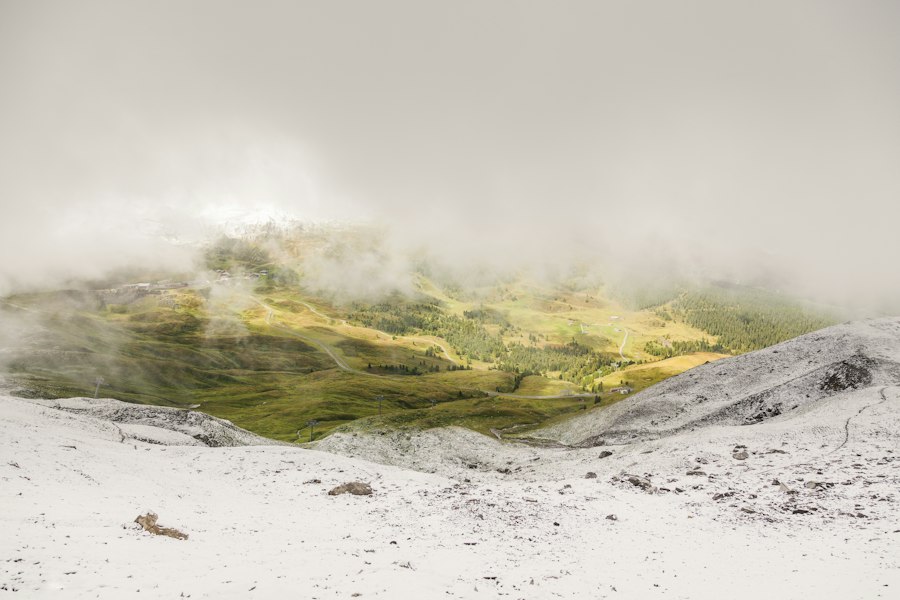
Successfully navigating the continent-to-ocean transition requires more than just a desire to reach the sea; it demands meticulous preparation and the right equipment. The unique environmental conditions encountered at the coast and on the water necessitate a specific set of tools and knowledge.
Clothing and Protection: Adapting to the Elements
The fluctuating temperatures, increased humidity, and potential for wind and rain along the coast require a layered approach to clothing. Waterproof and windproof outer layers are essential, while breathable fabrics for inner layers help manage moisture. Sun protection, including hats, sunglasses, and sunscreen, is crucial, as sunlight reflects strongly off water. For those venturing into the water or onto boats, appropriate footwear that provides grip and protection is important. Considering the salt spray, corrosion-resistant materials are often preferred for gear.
Navigation Tools: Charting the Course
While modern GPS devices are invaluable, traditional navigation tools remain essential, especially when venturing offshore where satellite signals can be unreliable. Compasses, nautical charts, and the ability to read them are fundamental skills for anyone undertaking a significant oceanic journey. For coastal exploration, maps that detail shorelines, potential hazards like reefs, and tide information are indispensable. Understanding how to use these tools in conjunction with visual cues from the landscape and celestial bodies enhances safety and navigational accuracy.
Safety Equipment: Mitigating Risks
The inherent risks associated with the ocean necessitate a comprehensive approach to safety equipment. For any water-based activity, life jackets or personal flotation devices are non-negotiable. Flares, signaling mirrors, and whistle can be vital for attracting attention in emergencies. For larger vessels, communication devices like VHF radios are crucial for contacting coast guard or other boats. First-aid kits, stocked with supplies to treat common injuries like cuts, scrapes, and minor burns, are also a vital component of any expedition.
The Human Element: Adaptability, Resilience, and Respect
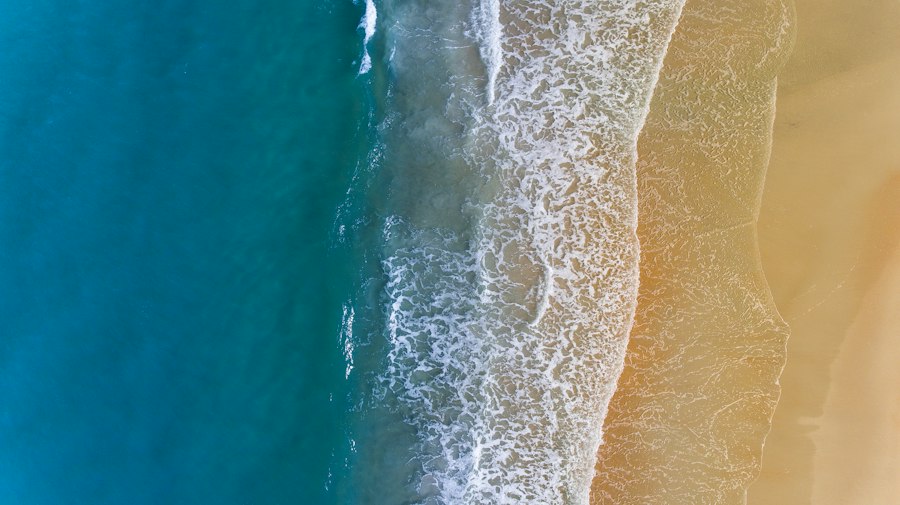
Beyond the tangible preparations, the human element plays a critical role in successfully navigating the continent-to-ocean transition. It is the internal fortitude, the mental preparation, and the mindset that truly enable one to embrace this profound shift.
The Psychology of Transition: Mindset and Expectation
The transition from land to sea can be psychologically challenging. The vastness of the ocean can induce feelings of awe, but also of vulnerability. Managing expectations is key. The romanticized image of the ocean might clash with the reality of its often harsh conditions. Cultivating a mindset of adaptability, being prepared for unexpected changes, and maintaining a positive outlook are crucial for overcoming challenges. Recognizing and respecting the power of the ocean, rather than underestimating it, fosters a sense of humility and caution.
Learning and Skill Development: Acquiring Competence
Navigating the continent-to-ocean transition is not a passive experience; it often requires acquiring specific skills. This might involve learning to swim effectively, mastering basic sailing techniques, understanding knot tying, or developing skills in celestial navigation. For those involved in scientific research or conservation efforts, specialized knowledge of marine biology, oceanography, or coastal geology becomes paramount. Continuous learning and skill development build confidence and competence, reducing risks and enhancing the overall experience.
Respect for the Environment: Stewardship of the Seas
The transition to the ocean is also a journey into an environment that requires profound respect. The marine ecosystem is fragile and interconnected, and human activities can have significant impacts. Practicing responsible tourism, minimizing waste, avoiding disturbance of wildlife, and adhering to regulations are all essential aspects of being a conscientious steward of the seas. Understanding the ecological significance of coastal and marine environments fosters a deeper appreciation and a commitment to their preservation for future generations.
The study of the continent to ocean transition is crucial for understanding geological processes and marine ecosystems. A related article that delves deeper into this fascinating topic can be found at this link, where various aspects of continental margins and their significance in oceanography are explored. By examining these transitions, researchers can gain insights into sedimentation patterns and the dynamics of tectonic activity, ultimately enhancing our knowledge of Earth’s geological history.
Beyond the Horizon: The Continuing Journey of the Ocean
| Metric | Description | Typical Range/Value | Unit |
|---|---|---|---|
| Transition Zone Width | Distance over which continental crust transitions to oceanic crust | 50 – 200 | km |
| Crustal Thickness | Thickness of crust from continent to ocean | 30 – 10 | km |
| Seafloor Depth | Depth of ocean floor at transition zone | 0 – 4000 | m |
| Heat Flow | Geothermal heat flow across transition | 40 – 120 | mW/m² |
| Seismic Velocity | Average P-wave velocity in crustal rocks | 6.0 – 7.5 | km/s |
| Gravity Anomaly | Variation in gravitational acceleration | -50 to +50 | mGal |
| Sediment Thickness | Thickness of sediment layer at transition | 0 – 5 | km |
The arrival at the ocean is not an end but a beginning. The continent-to-ocean transition is a gateway to a world of continuous discovery and exploration. The ocean is a dynamic and ever-changing realm, offering endless possibilities for those who are willing to engage with it.
The Ocean as a Source of Sustenance and Inspiration
Historically, the ocean has been a vital source of food and a highway for trade and exploration. It continues to be a source of sustenance for billions of people. Beyond its practical benefits, the ocean has also been a profound source of inspiration for art, literature, and music. Its mysteries, its beauty, and its power have captured the human imagination for millennia. Exploring the ocean means tapping into this deep well of human connection and inspiration.
Exploring the Depths and the Diversity of Marine Life
The ocean floor, with its hidden trenches, vibrant coral reefs, and ancient shipwrecks, holds countless secrets waiting to be uncovered. The diversity of marine life, from the microscopic plankton to the colossal whales, is staggering. Exploring these underwater worlds, whether through diving, snorkeling, or the use of submersibles, offers a unique perspective on the planet’s biodiversity. The continent-to-ocean transition is the first step towards unlocking these extraordinary realms.
The Ocean’s Role in Global Systems: Climate and Ecology
The ocean plays a critical role in regulating the Earth’s climate, absorbing vast amounts of carbon dioxide and heat. It also influences global weather patterns and supports complex ecological systems that are essential for the health of the planet. Understanding the ocean’s role in these global systems highlights the importance of its preservation and sustainable management. The journey from continent to ocean is a journey into the heart of the Earth’s life support system.
The transition from the continent to the ocean is a multi-faceted journey, demanding a holistic approach that encompasses geographical awareness, environmental understanding, practical preparation, and a profound respect for the natural world. It is a testament to the human spirit’s innate drive to explore, to understand, and to connect with the vast and wondrous planet we inhabit. The ocean, in its immensity and complexity, offers a constant invitation to learn, to adapt, and to be forever transformed by its embrace.
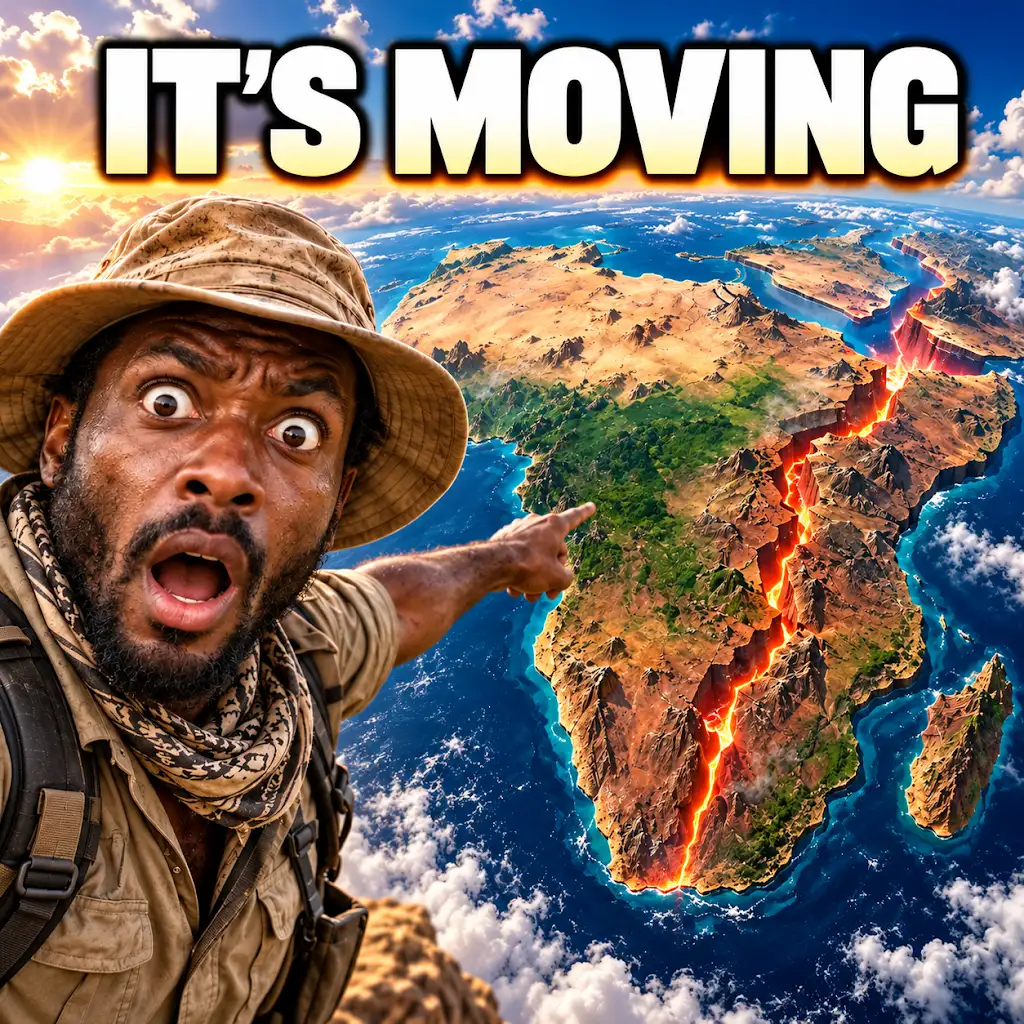
Africa Is Splitting Apart — And a New Ocean Could Be Next
FAQs
What is a continent to ocean transition?
A continent to ocean transition refers to the gradual shift in geological features from a continental crust to an oceanic crust. This transition zone typically includes continental shelves, continental slopes, and eventually the abyssal plains of the ocean floor.
How does a continent to ocean transition occur?
A continent to ocean transition occurs through the process of rifting, where tectonic plates pull apart, creating a rift valley. As the plates continue to separate, magma rises to fill the gap, eventually solidifying into new oceanic crust. This process leads to the formation of new ocean basins.
What are some key features of a continent to ocean transition?
Key features of a continent to ocean transition include continental shelves, which are shallow, submerged platforms extending from the continents, continental slopes, which mark the boundary between the continental crust and the oceanic crust, and abyssal plains, which are flat regions of the ocean floor.
How long does a continent to ocean transition take?
The process of a continent to ocean transition can take millions of years to complete. It involves complex geological processes such as rifting, seafloor spreading, and the formation of new oceanic crust. The exact timeline can vary depending on the speed of plate movement and other geological factors.
What are the implications of a continent to ocean transition?
A continent to ocean transition has significant implications for the Earth’s geology and the distribution of land and water on the planet. It plays a crucial role in shaping the Earth’s surface and influencing ocean circulation patterns, biodiversity, and the distribution of natural resources.