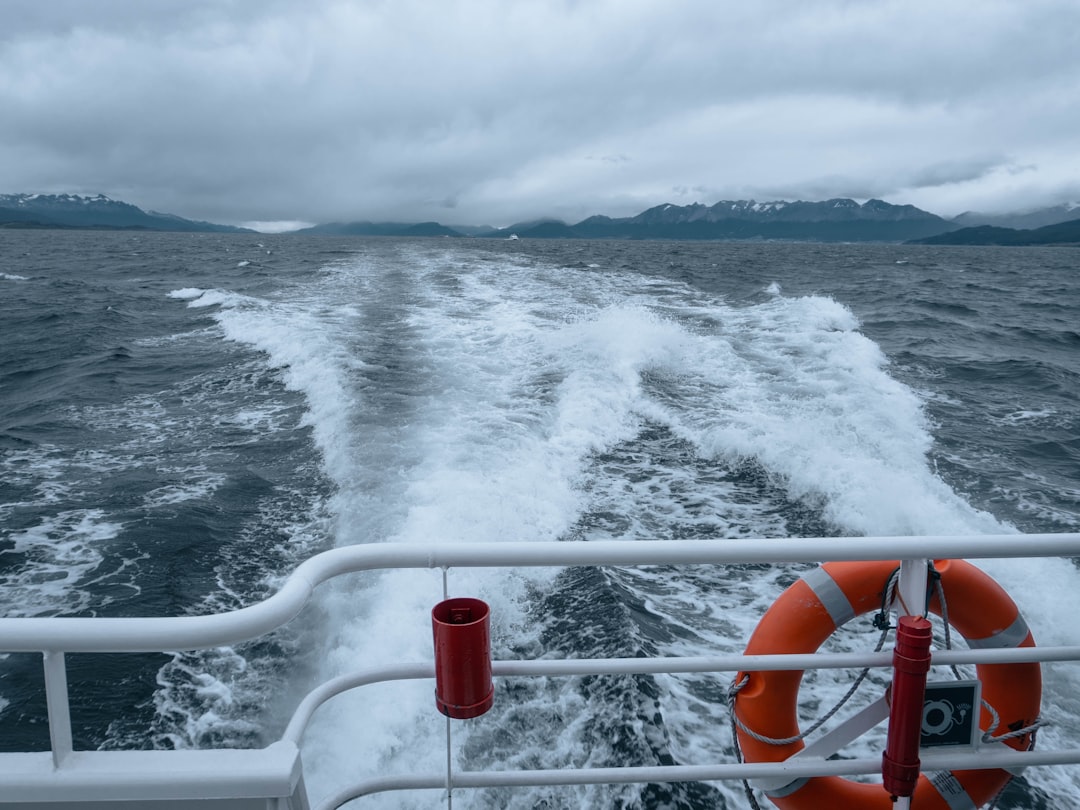
The formidable Drake Passage, a tempestuous stretch of ocean separating South America’s Cape Horn from the Antarctic Peninsula, is a legendary crucible for seafarers. Its notoriety stems not only from its infamous gales and towering waves but also from the complex interplay of powerful ocean currents that govern its temperament. For those venturing into these unforgiving waters, a profound understanding of these currents is not merely beneficial; it is paramount to safe navigation and a successful voyage.
The Drake Passage is a maritime rite of passage, a place where the Atlantic and Pacific Oceans collide in a dramatic display of nature’s might. While the wind-driven waves often grab the headlines, it is the unseen rivers of water, the ocean currents, that truly dictate the passage’s character and pose significant navigational challenges. These currents are not static entities; they are dynamic, influenced by a confluence of global oceanographic phenomena, making their prediction and navigation a constant endeavor.
The Convergence of Two Oceans
The Drake Passage lies at a critical nexus in global ocean circulation. Here, the frigid waters of the Southern Ocean, originating from the Antarctic Circumpolar Current (ACC), meet the warmer, more saline waters of the Atlantic and Pacific Oceans. This meeting point is not a gentle merging but a vigorous mixing, creating unique hydrographic conditions. The sheer volume of water passing through this narrow strait amplifies the power of the currents, making them a formidable force to contend with.
The Role of the Antarctic Circumpolar Current
The undisputed king of currents in this region is the Antarctic Circumpolar Current (ACC). This massive oceanic gyre flows unimpeded around the entire Antarctic continent, making it the largest ocean current on Earth. Driven by prevailing westerly winds, the ACC acts like a vast, perpetual river, carrying immense quantities of water eastward. Within the Drake Passage, the ACC funnels through the relatively narrow gap between South America and Antarctica, accelerating its flow and intensifying its impact.
Influence of Tidal Forces
While the ACC is the dominant force, tidal currents also play a role in the Drake Passage, particularly in shallower coastal areas and around islands. These daily fluctuations in sea level, driven by the gravitational pull of the moon and sun, create localized currents that can either augment or oppose the larger oceanic flows. Understanding these tidal influences is crucial for precise maneuvering, especially when navigating close to land or through specific channels.
The Impact of Seasonal Variations
The currents in the Drake Passage are not constant throughout the year. Seasonal variations in wind patterns, sea ice extent, and the influx of freshwater from melting ice can all influence the strength and direction of the major currents. During the austral summer, increased meltwater can affect salinity and density, subtly altering current patterns. Conversely, the increased wind energy during the austral winter can lead to more vigorous and unpredictable current behavior.
The currents of Cape Horn and the Drake Passage play a crucial role in shaping the oceanic environment of the Southern Ocean, influencing weather patterns and marine biodiversity. For a deeper understanding of these dynamic currents and their impact on global climate, you can explore a related article that delves into the intricacies of ocean currents in this region. To read more, visit this article.
Decoding the Major Current Systems
Navigating the Drake Passage requires a detailed understanding of the primary current systems at play. These are not simple, uniform flows but complex systems with varying speeds, depths, and directional shifts. Accurate charting and real-time observation are essential for deciphering their intricate dance.
The Eastward Flow of the ACC
The most prominent current system encountered is the eastward flow of the ACC. This vast, deep current sweeps through the passage, carrying vessels towards the east. Its speed can vary significantly, from a few knots to much higher velocities, particularly when constricted by bathymetry or influenced by strong winds. Sailors must anticipate this powerful eastward push and plan their routes accordingly, factoring in potential headwinds or tailwinds generated by the interaction of their vessel’s movement with the current.
Navigating Against the Eastward Flow
When sailing westward, against the primary flow of the ACC, vessels face a considerable challenge. The effective speed over ground is reduced by the speed of the current, demanding more fuel or sail power. This is where meticulous route planning becomes critical. Skippers will often aim to take advantage of any temporary shifts in the current or seek out eddies that might offer a slightly more favorable passage. The psychological impact of constantly battling a strong current should also not be underestimated.
Utilizing the Eastward Flow
Conversely, for vessels traveling eastward, the ACC can be a powerful ally. Harnessing this natural propulsion can significantly reduce transit times and fuel consumption. However, even with a favorable current, maintaining control and avoiding being swept off course by secondary currents or rogue waves remains a paramount concern. Understanding the nuances of the ACC’s speed and direction at different depths is key to optimizing its benefits.
The Southward Flow of the Falklands Current
A significant southward-flowing current that influences the western approaches to the Drake Passage is the Falklands Current. This current originates from the South Atlantic and flows southward along the Patagonian Shelf before veering eastward into the Drake. It is a colder current than some of its Atlantic counterparts and can bring significantly lower sea surface temperatures, a factor that can influence weather patterns within the passage.
The Interaction of the Falklands and ACC Currents
The meeting of the Falklands Current and the ACC creates a complex zone of interaction. Here, the southward flow of the Falklands Current can be deflected and entrained by the stronger eastward flow of the ACC. This interaction can lead to localized turbulence, eddies, and unpredictable current behavior, making it a particularly challenging area to navigate. Vessels transiting westward may encounter a southward push from the Falklands Current before being fully overtaken by the ACC’s eastward momentum.
Impact on Vessel Trajectory
The presence of the Falklands Current can significantly influence a vessel’s trajectory, especially on westward passages. It can create a tendency for the vessel to be pushed southward, away from the desired track towards Cape Horn. Navigators must constantly monitor their position and make adjustments to their heading to counteract this southward drift. The effects of the Falklands Current are most pronounced in the western parts of the Drake Passage.
The Influence of Tidal Residuals
Beyond the predictable daily tides, the Drake Passage exhibits tidal residuals – a net non-tidal drift that can persist for extended periods. These residuals are often a consequence of the interaction between tidal forces and the overall bathymetry of the passage. They represent a persistent, albeit often subtle, push in a particular direction that can accumulate over time, affecting a vessel’s overall track.
Identifying Residual Current Patterns
Identifying and accounting for tidal residuals requires sophisticated navigational tools and experienced observation. While tidal current tables provide daily predictions, understanding the long-term, residual drift necessitates analyzing historical data and observing the vessel’s actual movement over extended periods. Anomalies in GPS readings or unexpected deviations from planned courses can be indicators of persistent residual currents.
Compensating for Residual Drift
Once identified, residual currents must be factored into the navigational plan. This might involve a slight alteration to the course or an adjustment to the estimated time of arrival. While individually small, the cumulative effect of residual currents over the hundreds of miles of the Drake Passage can be substantial, potentially leading to significant deviations if not properly accounted for.
The Perils of Rogue Waves and Eddies

Beyond the predictable currents, the Drake Passage is notorious for its unpredictable and often violent phenomena. Rogue waves, sudden and exceptionally large waves, and powerful, swirling eddies can pose immediate and severe threats to even the most robust vessels. Understanding how currents contribute to the formation and behavior of these hazards is crucial for survival.
Current-Generated Eddies
The confluence of powerful currents, particularly where they interact with underwater topography or with each other, can generate significant eddies. These swirling masses of water can be unpredictable in their formation and movement, acting like underwater whirlpools. They can exert a strong rotational force on a vessel, potentially leading to a loss of steerage and control.
Spotting and Avoiding Eddies
Identifying potential eddy zones often relies on recognizing the signs of turbulent water, unusual wave patterns, or changes in the vessel’s behavior. Modern navigation systems, including sophisticated radar and satellite imagery, can sometimes detect the surface manifestations of larger eddies. However, the best defense is often proactive avoidance by steering clear of areas known to be prone to eddy formation.
The Impact of Eddies on Vessel Stability
When caught in an eddy, a vessel can experience a combination of forces – forward momentum, rotational forces, and unpredictable shifts in water pressure. This can lead to extreme heeling angles, increased stress on the hull and rigging, and a dangerous loss of stability. A vessel’s design and the crew’s seamanship are tested to their limits in such situations.
The Role of Currents in Rogue Wave Formation
While the precise mechanisms behind rogue wave formation are still a subject of intense research, oceanographers believe that certain current conditions can contribute to their development. Constructive interference between waves, amplified by the energy imparted by strong currents, or the interaction of waves with opposing currents, can lead to the sudden emergence of exceptionally large and dangerous waves.
Predicting Rogue Wave Hotspots
While predicting the exact location and timing of a rogue wave remains impossible, understanding the prevailing current patterns can help identify areas where they are more statistically likely to occur. Zones of strong shear currents, where water flows at significantly different speeds or directions, are often considered potential hotspots. Navigators will pay particular attention to these areas, especially during periods of high wave activity.
Strategies for Encountering Rogue Waves
The advice for encountering a rogue wave is often to head the vessel directly into it, if possible, to minimize the surface area exposed to the wave’s impact. However, this is a highly dynamic and dangerous situation where rapid decision-making is paramount. Understanding the direction and speed of the prevailing currents can aid in making the best possible maneuver to mitigate the impact.
Modern Navigation Tools and Techniques

The challenges of navigating the Drake Passage have spurred the development and refinement of advanced navigational tools and techniques. Relying solely on traditional methods is no longer sufficient in these demanding waters. Integrating modern technology with seasoned seamanship is the key to success.
Advanced Chart Plotting and GPS
High-precision GPS systems are indispensable for maintaining an accurate fix on a vessel’s position in the Drake Passage. Coupled with electronic chart plotters, these systems provide real-time data on location, speed, and course. This allows navigators to meticulously track their progress and make precise adjustments to counteract current drift.
Real-time Current Data Integration
The most advanced navigation systems can integrate real-time current data from various sources, including satellite observations and onboard sensors. This allows for a dynamic understanding of the prevailing currents, enabling navigators to make informed decisions about course and speed adjustments on the fly. This is a far cry from relying on static charts that represent historical conditions.
Waypoint Planning and Route Optimization
With accurate current data, navigators can optimize their routes by planning waypoints that take advantage of favorable currents and avoid known hazards. This might involve a zig-zagging course to counter drift or a strategic decision to delay passage through a certain area if adverse currents are predicted.
Weather Routing and Forecasting
Accurate weather forecasting is inextricably linked to understanding ocean currents. Modern weather routing services utilize sophisticated atmospheric and oceanic models to predict both wind and current conditions. These services can provide invaluable insights into the evolving conditions within the Drake Passage, allowing for proactive planning.
Understanding Wind-Current Interaction
The interplay between wind and currents is a critical factor in the Drake Passage. Strong winds can significantly alter the speed and direction of surface currents, and conversely, currents can influence the development and trajectory of weather systems. Effective weather routing accounts for these complex interactions.
Utilizing Satellite Imagery
Satellite imagery provides a powerful visual aid for understanding oceanographic conditions. It can reveal large-scale current patterns, sea surface temperature anomalies (which can indicate different water masses and their associated currents), and even the presence of significant wave activity. This imagery can complement and validate data from other sources.
Crew Expertise and Vigilance
Despite the sophistication of modern technology, the human element remains paramount. The experienced eye of a seasoned captain or navigator, coupled with the constant vigilance of the crew, is often the last line of defense against the unpredictable forces of the Drake Passage.
The Importance of Watchkeeping
Diligent watchkeeping is essential. Crew members must remain alert to any changes in the vessel’s behavior, the sea state, or the surrounding environment. Early detection of unusual conditions, such as an unexpected shift in the vessel’s drift or an alarming change in wave patterns, can provide precious time to react.
Decision-Making Under Pressure
Navigating the Drake Passage often requires rapid and decisive action. The ability of the crew to work together, communicate effectively, and make sound decisions under immense pressure is a testament to their training and experience. Understanding the fundamental principles of current behavior empowers them to make those crucial calls.
The complex currents of the Cape Horn and Drake Passage region play a crucial role in global ocean circulation and climate patterns. Understanding these currents is essential for navigation and marine ecology, as they influence weather systems and the distribution of marine life. For a deeper insight into the dynamics of these waters, you can explore a related article that discusses the intricacies of ocean currents in this area. To read more about it, visit this informative page.
Preparing for the Passage: Strategies and Mindset
| Location | Current Speed (knots) | Direction |
|---|---|---|
| Cape Horn | 5.6 | Eastward |
| Drake Passage | 1.5 | Northward |
Successfully navigating the Drake Passage is not solely about reacting to conditions as they arise; it requires meticulous preparation and a specific mindset. Understanding the challenges posed by the currents is fundamental to this preparation.
Thorough Route Planning
Before setting sail, a comprehensive route plan is developed, taking into account predicted current patterns, prevailing winds, and known navigational hazards. This plan is not rigid but serves as a baseline, with flexibility built in to adapt to changing conditions.
Contingency Planning
Specific contingency plans are developed for various scenarios, including engine failure, equipment malfunctions, and severe weather. These plans often consider how different current conditions might exacerbate such emergencies and outline immediate actions to mitigate risks.
Fuel and Provisions Management
Given the unpredictable nature of the passage and the potential for delays, meticulous management of fuel, food, and water supplies is essential. Voyages may be longer than anticipated due to battling adverse currents, making careful rationing and efficient resource utilization critical.
Vessel Preparedness
The vessel itself must be in peak condition to withstand the rigors of the Drake Passage. This includes ensuring all navigation and communication equipment is fully operational, the hull is sound, and the rigging is secure. Understanding how the currents will interact with the vessel’s hull and propulsion system is crucial for maintenance and operational checks.
Hull and Propeller Considerations
The constant force of currents, particularly against the hull and propellers, can lead to increased wear and tear. Regular inspections and maintenance are vital. Furthermore, understanding the impact of currents on propeller efficiency is important for fuel management.
Ballast and Stability Management
The interplay of currents and waves can significantly affect a vessel’s stability. Proper ballast management is crucial to maintain a safe angle of heel and prevent capsizing. Navigators will consider how opposing currents might influence the vessel’s pitching and rolling motion.
Mental Fortitude and Crew Cohesion
The psychological impact of navigating such a challenging environment cannot be overstated. Maintaining morale, fostering strong crew cohesion, and instilling a sense of shared responsibility are vital for sustained performance and decision-making.
Building Resilience
The Drake Passage is a test of endurance, both physical and mental. Building resilience through realistic expectations, thorough preparation, and a supportive crew environment is key. Understanding that delays and challenges are inherent to the passage can help mitigate frustration.
Effective Communication and Teamwork
Clear and concise communication amongst the crew is paramount. In a chaotic environment, misunderstandings can have severe consequences. Fostering a culture of teamwork where every member feels empowered to voice concerns and contribute to decision-making is essential for navigating the complex and often dangerous currents of the Drake Passage.

Why Cape Horn Has Some of the Worst Seas on Earth
FAQs
What are the Cape Horn and Drake Passage currents?
The Cape Horn and Drake Passage currents are powerful ocean currents located in the southernmost part of South America. The Cape Horn current flows from west to east around the southern tip of South America, while the Drake Passage current flows from east to west between South America and Antarctica.
What causes the Cape Horn and Drake Passage currents?
The Cape Horn and Drake Passage currents are primarily caused by the interaction between the Antarctic Circumpolar Current and the strong westerly winds in the region. The combination of these factors creates a powerful and dynamic oceanic system in the area.
How do the Cape Horn and Drake Passage currents impact navigation?
The Cape Horn and Drake Passage currents are known for their challenging and unpredictable nature, making navigation through these waters difficult for sailors and mariners. The strong currents, coupled with the fierce winds and rough seas, create hazardous conditions for ships passing through the region.
What is the significance of the Cape Horn and Drake Passage currents?
The Cape Horn and Drake Passage currents play a crucial role in global ocean circulation and climate patterns. They also serve as a natural barrier between the Atlantic and Pacific Oceans, influencing the distribution of marine life and contributing to the unique ecological characteristics of the region.
Are there any safety measures for navigating the Cape Horn and Drake Passage currents?
Due to the challenging conditions posed by the Cape Horn and Drake Passage currents, mariners are advised to exercise caution and careful planning when navigating through these waters. It is recommended to seek local knowledge, use updated navigational charts, and be prepared for rapidly changing weather conditions.