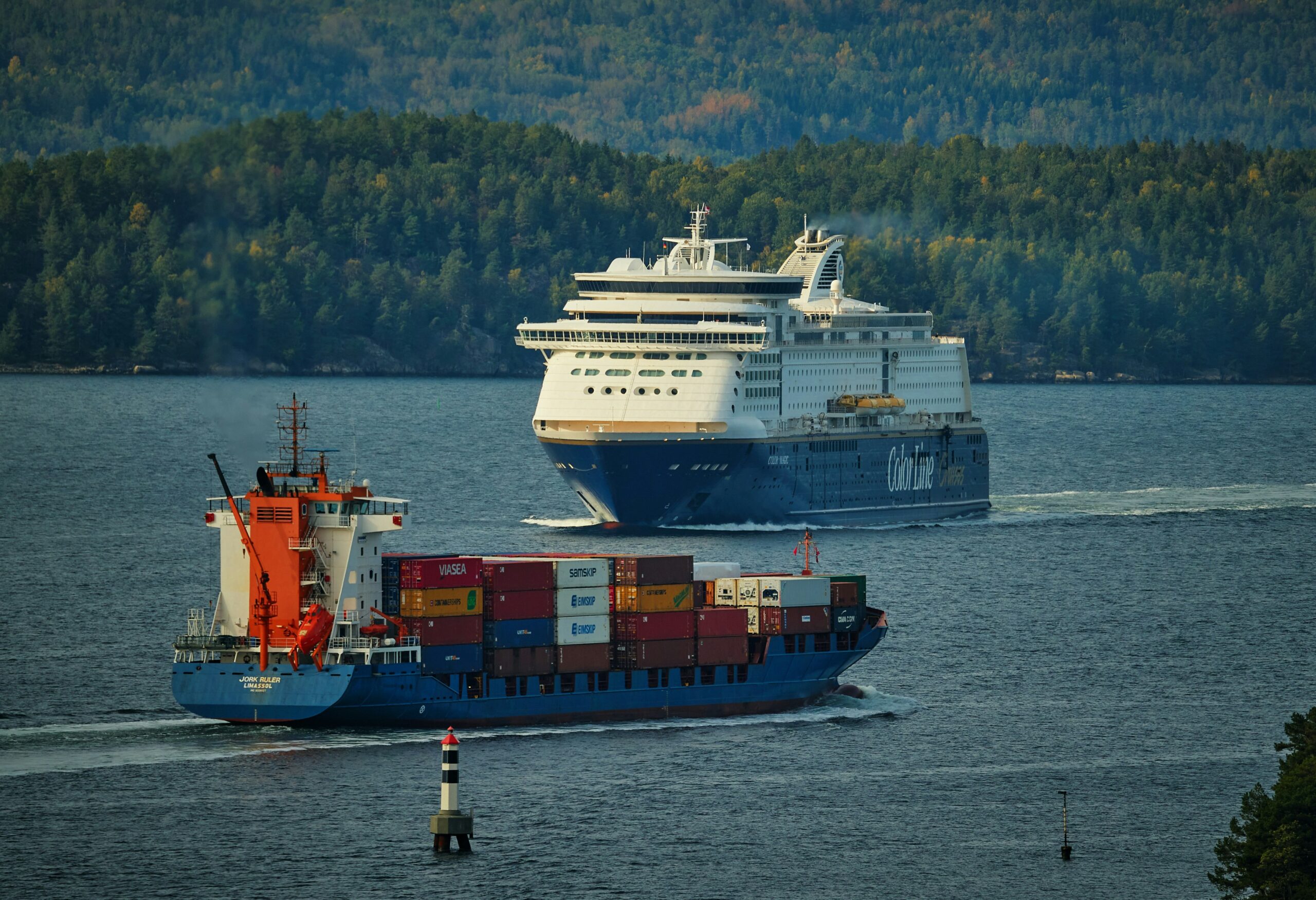
The North Sea, a dynamic and economically vital body of water, presents a complex tapestry of maritime activity. It serves as a crucial artery for global trade, a hub for energy production, and a gateway to numerous ports. However, this very vibrancy gives rise to a unique set of challenges for the vessels that traverse its often-turbulent waters. Navigating the busy North Sea is a constant exercise in risk management, requiring meticulous planning, advanced technology, and skilled seamanship. The sheer volume and diversity of traffic, coupled with the region’s challenging environmental conditions, create a demanding operational landscape for all mariners.
The North Sea is characterized by some of the busiest shipping lanes in the world, a testament to its integral role in international commerce. These lanes are not simply routes; they are intricate networks, constantly pulsating with a diverse array of vessels, from colossal container ships and supertankers to smaller but equally important cargo carriers and fishing vessels. Understanding and navigating this high-density traffic is paramount to ensuring the safety and efficiency of maritime operations.
Container Ship Congestion: The Backbone of Global Commerce
The North Sea is a critical transit point for the vast majority of goods shipped between Europe and the rest of the world. Container ships, ranging in size from mid-sized feeders to the largest Ultra Large Container Vessels (ULCVs), ply these waters daily. The sheer scale of these vessels means they require significant navigational space and careful maneuvering, especially when entering and exiting major ports like Rotterdam, Antwerp, and Hamburg. The increasing size of container ships adds another layer of complexity, demanding greater under-keel clearance and wider turning radii, which can be particularly challenging in the often-shallow waters of the southern North Sea. The efficiency of global supply chains hinges on the smooth passage of these behemoths, and any disruption can have cascading economic consequences.
Tanker Traffic: The Lifeline of Energy
The North Sea is also a major thoroughfare for oil and gas tankers, transporting crude oil and refined products from offshore fields and international sources to refineries and distribution centers. The inherent risks associated with transporting large quantities of volatile substances necessitate an even higher degree of caution. The presence of laden tankers, alongside other vessels, significantly increases the potential consequences of any incident. Collision or grounding involving a tanker could lead to severe environmental damage and pose significant safety hazards.
Bulk Carriers and General Cargo Vessels: The Workhorses of Industry
Beyond containers and oil, the North Sea facilitates the transport of a vast array of bulk commodities, such as iron ore, coal, grain, and construction materials, as well as a multitude of general cargo. These vessels, while perhaps not as visually imposing as the largest container ships, are the unsung workhorses of industry. They contribute significantly to the overall traffic volume and require careful consideration within the crowded maritime environment. Their operational patterns and navigational requirements can differ, adding to the complexity of traffic management.
The Shadow of Fishing Vessels: A Constant Presence
Fishing vessels, from small inshore trawlers to larger offshore factory ships, are an integral part of the North Sea maritime landscape. Their operations, which often involve deploying nets and gear that can be a hazard to other vessels, add another layer of complexity to navigation. Fishing activities can occur in and around established shipping lanes, requiring constant vigilance from all mariners to avoid entanglement or collision. The dynamic nature of fishing grounds and the potential for unpredictable movements of these vessels demand a high level of situational awareness.
Recent developments in North Sea maritime traffic have raised concerns about environmental impacts and shipping regulations. For a deeper understanding of these issues, you can read a related article that explores the challenges and opportunities faced by the shipping industry in this vital region. To learn more, visit this article.
Environmental Hurdles: The Temperamental Nature of the Sea
The North Sea is renowned for its challenging and often unforgiving environment. These natural conditions significantly impact maritime operations, demanding robust vessel design, advanced navigation systems, and experienced crews. Weather plays a dominant role in dictating the feasibility and safety of voyages, transforming the sea from a tranquil highway into a formidable obstacle.
The Fury of the Gales: Wind and Waves
The North Sea is notorious for its frequent and intense storms. Powerful gales can whip up immense waves, creating hazardous conditions for all vessels. Larger ships, while more stable, still face significant challenges in maintaining course and control. Smaller vessels and those with less freeboard are particularly vulnerable, facing the risk of being overwhelmed by breaking waves. Navigating during periods of severe weather requires meticulous route planning to avoid the worst of the conditions, and often necessitates a willingness to delay or alter course to prioritize safety. The potential for reduced visibility during storms further exacerbates the navigational challenges.
The Veil of Fog: Reduced Visibility and Increased Risk
Fog is a frequent visitor to the North Sea, particularly during the spring and autumn months. This meteorological phenomenon drastically reduces visibility, making it incredibly difficult for vessels to detect each other. In such conditions, reliance on radar and other electronic navigation aids becomes paramount. The absence of visual cues significantly increases the risk of collision, necessitating the use of fog signals and careful adherence to the International Regulations for Preventing Collisions at Sea (COLREGs). The psychological impact of navigating in dense fog, with the constant threat of unseen dangers, can also take a toll on crew fatigue.
The Shifting Sands: Navigational Hazards Below the Surface
The North Sea seabed is characterized by significant variations in depth and the presence of numerous navigational hazards. Shifting sandbanks, submerged wrecks, and offshore installations all pose a constant threat to vessels, particularly those with deeper drafts. Chart data, while regularly updated, can never fully account for the dynamic nature of the seabed. Therefore, mariners must rely on accurate position fixing, careful soundings, and a thorough understanding of the nautical charts to avoid grounding. The southern North Sea, in particular, is known for its extensive sandbanks, which can dramatically alter navigable channels depending on tidal conditions.
The Harsh Reality of Ice: Seasonal Challenges in Northern Waters
While not as prevalent as in polar regions, the northern reaches of the North Sea can experience seasonal ice formation, particularly during colder winters. This presents a distinct navigational challenge, requiring vessels to navigate through or around ice floes. Ice can damage hulls, clog intake pipes, and impede propulsion. Specialized ice-strengthened vessels are required for operations in these areas, and captains must possess knowledge of ice conditions and navigation techniques to safely traverse these challenging waters.
Technological Advancements and Their Imperfect Solutions

In response to the inherent complexities of North Sea navigation, significant technological advancements have been made. However, these technologies, while invaluable, are not infallible and require expert human oversight and interpretation. The effective integration of these tools is crucial for safe passage.
The All-Seeing Eye: Radar and Electronic Chart Systems
Radar has long been a cornerstone of maritime navigation, providing vessels with a visual representation of their surroundings, even in conditions of reduced visibility. Modern radar systems offer advanced features, including automatic tracking of targets and predictive collision avoidance capabilities. Coupled with Electronic Chart Display and Information Systems (ECDIS), which integrate digital charts with GPS positioning, mariners have unprecedented levels of situational awareness. ECDIS can highlight potential hazards, display traffic information, and even provide route optimization advice.
The Global Positioning System: Precision at Sea
The Global Positioning System (GPS) has revolutionized maritime navigation by providing highly accurate positional data. This allows vessels to pinpoint their location with remarkable precision, enabling them to stay within designated channels and avoid known hazards. However, GPS signals can be susceptible to interference or spoofing, necessitating the use of redundant navigation systems and careful cross-referencing of positional data. The reliance on a single navigation system can be a vulnerability.
Automatic Identification System (AIS): Enhancing Situational Awareness
The Automatic Identification System (AIS) is a transponder system that transmits and receives vessel information, including identity, position, course, and speed, to other AIS-equipped vessels and shore-based stations. This significantly enhances situational awareness, allowing mariners to identify and track other vessels in their vicinity, even beyond radar range. AIS data can be integrated with ECDIS, providing a comprehensive display of surrounding traffic. However, the effectiveness of AIS is dependent on all vessels being equipped with functional transponders, and some smaller vessels or fishing boats may not always be compliant.
The Human Element: Skill, Experience, and Vigilance
Despite the sophisticated array of technologies available, the human element remains indispensable in North Sea navigation. Experienced captains and navigators possess a deep understanding of the sea, weather patterns, and vessel dynamics. Their ability to interpret complex data, anticipate potential hazards, and make sound judgments under pressure is critical. Vigilance, clear communication, and adherence to established protocols are non-negotiable. The complacency that can arise from over-reliance on technology can be a significant danger.
Regulatory Frameworks and Traffic Management Systems

To mitigate the inherent risks of busy waterways, a robust framework of regulations and sophisticated traffic management systems are in place. These mechanisms aim to bring order to the chaos and ensure the safe and efficient movement of vessels.
The International Maritime Organization (IMO): Setting the Global Standards
The International Maritime Organization (IMO) plays a pivotal role in establishing global standards for maritime safety and security. Through conventions like the International Convention for the Safety of Life at Sea (SOLAS) and the International Regulations for Preventing Collisions at Sea (COLREGs), the IMO provides a crucial legal framework that governs all aspects of maritime operations, including navigation, vessel design, and manning requirements. Adherence to these standards is mandatory for all vessels operating in international waters, including the North Sea.
Vessel Traffic Services (VTS): The Eyes and Ears of the Controllers
Vessel Traffic Services (VTS) are shore-based systems that monitor and manage vessel traffic in specific areas, particularly in busy ports and straits. VTS operators use a combination of radar, AIS, and other surveillance technologies to track vessels, provide navigational information, and issue safety advisories. They play a critical role in deconflicting traffic, preventing collisions, and managing traffic flow during periods of congestion or adverse weather. The North Sea is covered by numerous VTS areas, each with its own operational procedures and protocols.
Mandatory Reporting Systems: Ensuring Accountability
Certain areas within the North Sea have mandatory reporting systems in place. Vessels are required to report their position and other relevant information to shore-based authorities when entering these designated zones. This provides VTS with a more comprehensive understanding of the traffic situation, enabling them to implement more effective traffic management strategies. These systems are particularly important in areas with a high concentration of traffic or significant navigational hazards.
The Role of Port State Control: Enforcing Compliance
Port State Control (PSC) is another crucial layer of regulatory oversight. Inspectors from various maritime administrations board vessels calling at their ports to verify that they comply with international and national regulations. This includes checks on safety equipment, navigation systems, crewing, and operational procedures. PSC plays a vital role in identifying and rectifying deficiencies, thereby enhancing overall maritime safety throughout the North Sea region.
Recent studies have highlighted the increasing complexity of North Sea maritime traffic, particularly in relation to environmental impacts and shipping regulations. For a deeper understanding of the challenges and developments in this area, you can explore a related article that discusses the implications of maritime routes and their management. This insightful piece can be found here, providing valuable information for anyone interested in the dynamics of maritime navigation in the North Sea.
The Human Factor: Crew Competence and Fatigue Management
“`html
| Year | Number of Vessels | Cargo Volume (in million tons) | Passenger Volume |
|---|---|---|---|
| 2018 | 40,000 | 600 | 2 million |
| 2019 | 42,000 | 620 | 2.2 million |
| 2020 | 38,000 | 580 | 1.8 million |
“`
Ultimately, the safe navigation of the North Sea rests heavily on the competence and well-being of the crews on board. Even the most advanced technology can be rendered ineffective by human error, often stemming from fatigue or insufficient training.
The Importance of Skilled Seafarers: Training and Certification
The demands of navigating the North Sea require highly skilled and well-trained seafarers. Rigorous training programs and internationally recognized certification standards ensure that officers and crew possess the necessary knowledge and practical skills to operate vessels safely. This includes proficiency in navigation, radar operation, emergency procedures, and communication. Continuous professional development and regular refresher courses are essential to keep pace with evolving technologies and operational practices.
The Shadow of Fatigue: A Pervasive Safety Concern
Fatigue is a significant and pervasive safety concern in the maritime industry. Long working hours, demanding schedules, and the ever-present pressure of operating in a high-risk environment can lead to crew exhaustion. Fatigue impairs judgment, reaction times, and decision-making abilities, significantly increasing the risk of errors and accidents. Effective fatigue management strategies, including adherence to rest hour regulations, proper watchkeeping schedules, and the promotion of a healthy work-life balance, are crucial for maintaining crew alertness and preventing incidents.
Communication and Teamwork: The Pillars of Safety
Effective communication and robust teamwork are paramount for safe navigation in the North Sea. Clear and concise communication between bridge teams, engine rooms, and shore-based personnel is essential for coordinated operations. Teamwork fosters a culture of shared responsibility and allows for the pooling of knowledge and experience. Open lines of communication can help to identify and address potential risks before they escalate into dangerous situations.
Stress and Mental Well-being: An Often-Overlooked Aspect
The challenging nature of North Sea operations can also contribute to stress and impact the mental well-being of seafarers. Prolonged periods at sea, separation from family, and the constant pressure of operating in a high-risk environment can take a toll. Shipowners and operators have a responsibility to provide support systems and promote a healthy work environment that addresses the mental health needs of their crews. Recognizing and mitigating the effects of stress is as important as managing physical safety risks.
In conclusion, navigating the busy North Sea is a continuous and demanding endeavor. The confluence of high-density traffic, challenging environmental conditions, and the inherent complexities of maritime operations necessitates a multifaceted approach to safety. Through a combination of advanced technology, stringent regulatory frameworks, and, most importantly, the skill, vigilance, and well-being of its seafarers, the maritime community strives to maintain order and safety on this vital international waterway. The ongoing commitment to improving these aspects will be crucial as the North Sea continues to serve as a critical conduit for global trade and a cornerstone of the European economy.

The Dangerous Sea Europe Can’t Live Without
FAQs
What is North Sea maritime traffic?
North Sea maritime traffic refers to the movement of ships and vessels in the North Sea, which is a marginal sea of the Atlantic Ocean located between Great Britain, Scandinavia, Germany, the Netherlands, Belgium, and France.
How busy is the North Sea in terms of maritime traffic?
The North Sea is one of the busiest seas in the world in terms of maritime traffic. It is a major shipping route for goods and commodities, as well as a hub for fishing, offshore oil and gas production, and passenger transportation.
What are the main types of vessels involved in North Sea maritime traffic?
The main types of vessels involved in North Sea maritime traffic include cargo ships, tankers, container ships, fishing vessels, offshore supply vessels, ferries, cruise ships, and various types of specialized vessels for offshore oil and gas operations.
What are the major ports and shipping routes in the North Sea?
The major ports in the North Sea region include Rotterdam (Netherlands), Antwerp (Belgium), Hamburg (Germany), Aberdeen (Scotland), and Esbjerg (Denmark). The North Sea is also intersected by several important shipping routes, including the English Channel, the Strait of Dover, and the entrances to the Baltic Sea.
What are the main challenges and risks associated with North Sea maritime traffic?
The main challenges and risks associated with North Sea maritime traffic include navigational hazards such as strong currents, dense fog, and shallow waters, as well as the potential for collisions, oil spills, and environmental pollution. Additionally, the North Sea is prone to severe weather conditions, including storms and rough seas, which can pose significant challenges for maritime operations.