Understanding Hull Damage Insurance Exclusions in Arctic Navigation
Navigating the Arctic presents a unique and formidable set of challenges for any maritime vessel. The harsh environment, characterized by extreme cold, unpredictable ice formations, and remote operating conditions, significantly elevates the inherent risks associated with seafaring. For ship owners and operators venturing into these waters, a thorough comprehension of hull damage insurance, and crucially, its exclusions, is not merely a matter of prudence but an absolute necessity for financial and operational solvency. This article aims to demystify these often-overlooked contractual clauses, offering a clear roadmap for safeguarding assets against the unforgiving elements.
The Arctic is a realm where nature operates with unparalleled intensity. The very essence of the region is shaped by ice – its dynamic nature, its immense strength, and its capacity to inflict catastrophic damage upon vessels. Seemingly solid ice floes can conceal treacherous pressure ridges, while thin ice can shatter against a hull with surprising force. The constant ebb and flow of sea ice, driven by complex currents and powerful winds, creates a maritime environment that is in perpetual flux. This inherent volatility means that even well-prepared vessels can find themselves in peril.
Ice as a Primary Adversary
- Ice Floes and Pack Ice: The most common threat comes from direct impact with ice formations. Large, solid ice floes and dense pack ice can exert immense pressure, leading to hull breaches, buckling, and structural deformation. Even at slow speeds, the momentum of a vessel can transform ice into a destructive battering ram.
- Pressure Ridges and Hummodocks: These are formed when ice floes collide and pile up. The submerged portions of pressure ridges can extend deep beneath the surface, posing a significant risk of grounding or piercing the hull. Hummodocks, the smaller, more irregular formations, can also cause repeated impact damage.
- Iceberg Collisions: While less frequent than ice floe encounters, collisions with icebergs represent a high-consequence event. These monumental, irregularly shaped masses of ice can have vast submerged sections, making them difficult to detect and avoid. The impact can be devastating, leading to severe hull compromise.
Beyond Ice: Other Arctic Hazards
- Extreme Cold: The sub-zero temperatures in the Arctic have a profound impact on vessel systems and materials. Metals become brittle, lubricants can solidify, and seals can freeze, increasing the likelihood of equipment failure and, consequently, accidents. The risk of hull plating becoming compromised due to extreme cold-induced material fatigue, while less common than ice damage, is a tangible concern.
- Limited Visibility and Navigation Challenges: Fog, snowstorms, and the extended periods of darkness during winter significantly reduce visibility, making navigation a perilous undertaking. The reliance on radar and other electronic navigation systems is crucial, but these too can be affected by atmospheric conditions and the remoteness of the region. Reduced visibility amplifies the risk of icebergs and other unseen hazards.
- Remoteness and Limited Salvage Capabilities: The Arctic is characterized by vast distances and a scarcity of infrastructure. In the event of damage, immediate assistance and salvage operations can be extremely difficult to mobilize, often requiring extended travel times for rescue vessels and equipment. This exacerbates the severity of any incident, as minor damage can quickly escalate without timely intervention.
In recent discussions surrounding Arctic hull damage insurance exclusions, it is essential to consider the implications of such policies on maritime operations in polar regions. A related article that delves deeper into this topic can be found at MyGeoQuest, where it explores the challenges faced by shipping companies and the potential financial risks associated with inadequate coverage. Understanding these exclusions is crucial for stakeholders in the shipping industry as they navigate the complexities of operating in increasingly vulnerable Arctic environments.
The Insurance Landscape: A Crucial Safety Net
Marine hull insurance acts as a financial bulwark against the perils of the sea. For vessels operating in standard commercial waters, the policy typically covers a broad spectrum of damage to the ship’s hull, machinery, and equipment. However, the Arctic’s unique risk profile necessitates a more granular examination of policy wordings, particularly concerning exclusions. These exclusions are the ‘no-go zones’ of coverage, the circumstances under which the insurer is not obligated to pay for damages.
The Standard Hull & Machinery (H&M) Policy
- Inherent Coverage: A standard H&M policy aims to protect against accidental loss or damage. This can include grounding, stranding, collision with other vessels or objects, fire, explosion, and general average sacrifices. The core principle is to indemnify the assured against unforeseen events leading to physical damage.
- The Role of Sue and Labor: A critical component of H&M insurance is the ‘sue and labor’ clause. This obligates the assured to take all reasonable steps to minimize or avert a loss. In the Arctic, this can translate to incurring significant expenses to navigate away from ice, seek shelter, or even deploy specialized equipment to break free. The insurer typically reimburses these justifiable expenditures.
The Specificity of Arctic Operations
- Voyage Limitations and Geographical Areas: Insurers often impose specific limitations on voyages and geographical areas covered by standard policies. Arctic waters, with their heightened risks, frequently fall outside the scope of a ‘worldwide’ policy without endorsements or a specific Arctic operational addendum. This means that simply possessing a general H&M policy does not automatically grant coverage for Arctic ventures.
- The Importance of Endorsements: To operate in the Arctic and remain insured, specific endorsements to the H&M policy are almost always required. These endorsements are tailored to address the unique risks of the region and often come with a higher premium. They signify the insurer’s acceptance of the increased risk, albeit under specific, agreed-upon terms.
Decoding the Exclusions: The ‘Devil in the Details’
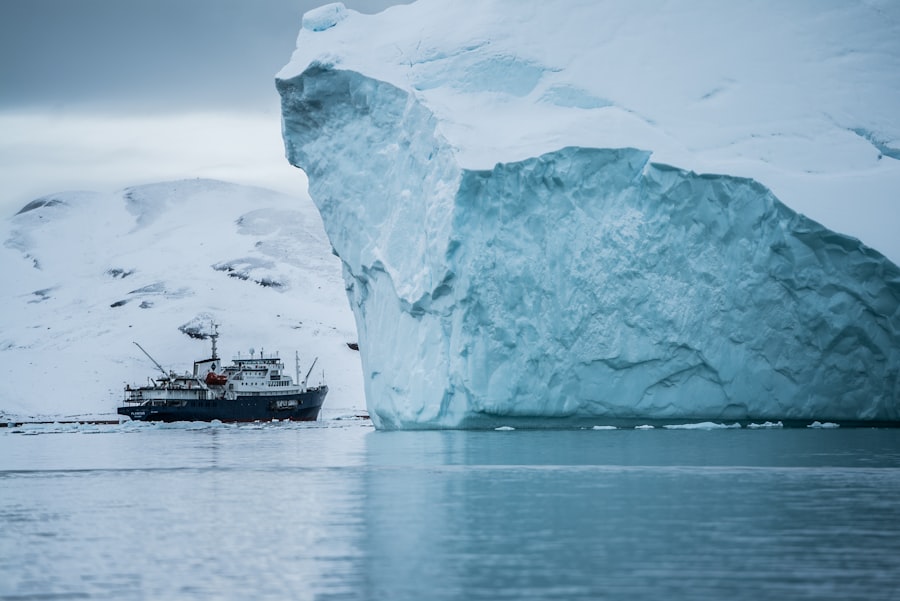
For ship owners and operators venturing into the Arctic, meticulously understanding hull damage insurance exclusions is paramount. These clauses are the gatekeepers of coverage, and their precise wording can mean the difference between a covered casualty and a substantial uninsured loss. It is akin to navigating a minefield; knowing where the mines are buried is crucial for survival.
Ice-Related Exclusions: The Most Significant Hurdle
This category represents the most critical and frequently encountered exclusions for Arctic navigation. Insurers are acutely aware of the damage ice can inflict, and their policies often reflect this by carving out specific protections.
Specific Ice Damage Clauses
- “Ice Damage Exclusion” or “Ice Clause”: This is the most direct and potentially problematic exclusion. It can be worded to exclude all damage directly or indirectly caused by ice. This is the broadest and most dangerous form of exclusion for Arctic operations.
- “Ice Navigation Clause” with Specific Conditions: Many policies will have a clause that allows ice navigation but with stringent conditions. These might include:
- Requirement for Ice Class Vessels: The vessel may be required to have a specific ice-strengthened classification (e.g., Finnish-Swedish Ice Class) to be eligible for coverage, even with an endorsement.
- Prohibition of Navigating in Certain Ice Conditions: The policy might explicitly prohibit the vessel from entering areas with heavy pack ice, significant pressure ridges, or specific ice concentrations.
- Speed and Course Restrictions: The assured might be restricted to certain speeds or prohibited from taking specific courses when in ice-infested waters.
- Mandatory Icebreaker Assistance: In some cases, the policy might mandate the use of icebreaker assistance as a prerequisite for coverage.
Damage Arising from Ice Operations
- Damage Sustained While Breaking Ice: If a vessel is actively engaged in breaking ice to clear a path, any damage sustained during this process may be excluded, even if the vessel is otherwise operating within covered waters. This is because the act of ice-breaking itself is considered an inherent risk voluntarily undertaken, often pushing the vessel beyond its designed operational parameters.
- Damage from Deliberate Ice Navigation: Similar to breaking ice, if the vessel intentionally navigates through ice fields that are known to be hazardous, and sustains damage, this could be excluded. The insurer might argue that the assured willingly exposed the vessel to a known, uninsurable risk.
Navigational and Operational Exclusions
Beyond direct ice damage, the operational context of Arctic navigation introduces further potential exclusions. These relate to the choices made by the master and crew, and the conditions under which the vessel operates.
Geographical and Temporal Limitations
- “Northern Limit” Clauses: Policies often contain clauses that define the northernmost latitude or geographical area to which coverage extends. Voyages beyond these limits are typically excluded unless specifically agreed upon and endorsed.
- Seasonal Restrictions: Coverage in the Arctic might be restricted to specific seasons, often during periods of less severe ice conditions. Operating outside these permitted seasons without an endorsement would void coverage.
Vessel Condition and Maintenance
- Unseaworthiness: If the vessel is deemed unseaworthy due to lack of proper maintenance, particularly concerning its ice-strengthening features, any damage can be excluded. This includes failing to ensure that ice-related equipment is in good working order.
- Inadequate Equipment: operating in the Arctic without appropriate ice-fighting equipment, or navigation aids suitable for the conditions, could lead to exclusions if damage occurs as a result of this deficiency.
Crew and Management Responsibilities
- Negligence and Wilful Misconduct: While most policies cover accidental loss, deliberate disregard for known risks or negligence leading to damage can be grounds for exclusion. For instance, if the master ignores ice warnings and proceeds into a known ice hazard, that action could be deemed wilful misconduct.
- Breach of Warranty: Insurance policies often contain warranties, which are conditions that must be strictly adhered to. Failure to comply with a warranty, such as maintaining a specific ice class or adhering to speed limitations in ice, can void coverage.
Other Potential Exclusions of Note
While ice is the primary concern, other less obvious exclusions can arise in Arctic operations.
- War and Piracy: Standard H&M policies typically exclude damage arising from war, civil commotion, or acts of piracy. While piracy is less prevalent in the Arctic than in some other maritime regions, the potential for geopolitical tensions or unrest cannot be entirely discounted and might still fall under these exclusions.
- Pollution and Environmental Damage: While hull damage is the focus, insurers often have separate exclusions for pollution and environmental damage, even if the pollution is a consequence of hull damage. This is a complex area, often covered by Protection and Indemnity (P&I) insurance, but the interrelationship necessitates careful consideration.
- Consequential Loss: Most hull policies cover direct physical damage. Loss of profit, charter hire, or other indirect financial losses resulting from damage are typically excluded, unless specifically endorsed as business interruption coverage.
Mitigating Risk: Strategies for Arctic Operators
Navigating the Arctic with assuredness requires a proactive and multi-faceted approach to risk management, extending well beyond simply obtaining an insurance policy. It is about arming yourself with knowledge and implementing robust operational protocols.
Pre-Voyage Due Diligence and Planning
- Thorough Underwriter Engagement: Engage with your insurance underwriter early and comprehensively. Be transparent about your intended voyages, vessel capabilities, and risk mitigation strategies. This is not a time for assumptions; clear communication is key.
- Ice Route Analysis and Forecasting: Utilize all available ice charts, meteorological forecasts, and specialized ice route forecasting services. Understand the ice conditions for your intended transit and have contingency plans for changing scenarios. This is like studying the battlefield before engaging.
- Vessel Suitability Assessment: Ensure your vessel is not only compliant with regulatory requirements but also intrinsically suited for Arctic operations. This includes verifying classification society rules for ice strengthening and ensuring all hull plating and structural components are in optimal condition.
- Crew Training and Competency: The crew must be well-trained in Arctic navigation, ice handling procedures, and emergency response in cold-weather environments. Familiarity with the vessel’s ice-strengthening capabilities and limitations is crucial.
Operational Best Practices
- Adherence to Ice Advisories: Strict adherence to all ice advisories, warnings, and recommended routes is non-negotiable. Deviating from these recommendations without a compelling, documented reason can be grounds for exclusion.
- Constant Vigilance and Monitoring: Maintain continuous monitoring of ice conditions, weather, and vessel performance. Utilize all available sensors and communication channels to stay informed. This is the ship’s sentry, constantly scanning the horizon.
- Speed Management in Ice: Avoid excessive speeds when navigating in ice. The force of impact increases exponentially with speed, turning minor encounters into potentially catastrophic events. Slow and steady is the mantra.
- Utilizing Icebreaking Support: Where available and mandated by policy or operational necessity, ensure the timely and effective use of icebreaker assistance.
- Emergency Preparedness: Develop and regularly drill comprehensive emergency response plans specifically tailored to Arctic conditions. This includes procedures for hull damage, flooding, and loss of propulsion in remote, icy environments.
Insurance Policy Management
- Policy Review and Understanding: Conduct a meticulous review of your insurance policy, paying close attention to all clauses, particularly exclusions related to ice and Arctic operations. Do not hesitate to seek clarification from your broker or underwriter.
- Obtaining Necessary Endorsements: Ensure all required endorsements for Arctic operations are in place before commencing the voyage. This is your shield against the elements; ensure it is properly forged.
- Record Keeping: Maintain detailed logs of all operational decisions, navigational data, and any ice encounters. This documentation can be crucial in the event of a claim.
Recent discussions surrounding Arctic hull damage insurance exclusions have highlighted the complexities faced by shipping companies operating in these challenging environments. A related article on this topic can provide further insights into the implications of these exclusions and how they affect maritime operations. For more information, you can read the article here. Understanding these nuances is crucial for stakeholders aiming to navigate the risks associated with Arctic shipping.
The Long View: Future of Arctic Insurance and Navigation
| Exclusion Category | Description | Typical Coverage Limitations | Notes |
|---|---|---|---|
| Ice Damage from Negligence | Damage caused by failure to follow ice navigation protocols or ignoring ice warnings | Often excluded or subject to reduced coverage | Insurers expect strict adherence to ice navigation guidelines |
| Uncharted Ice or Unknown Hazards | Damage resulting from collision with uncharted ice formations or unknown underwater hazards | Typically excluded due to unpredictability | Vessels must rely on updated charts and ice reconnaissance |
| Deliberate Icebreaking | Damage caused during intentional icebreaking operations beyond vessel design limits | Excluded unless specifically endorsed | Special endorsements may be purchased for icebreaker vessels |
| Environmental Pollution | Hull damage resulting in pollution or environmental damage | Hull damage covered, pollution cleanup often excluded | Separate pollution liability insurance required |
| War and Terrorism | Damage caused by war, terrorism, or related hostile acts in Arctic regions | Generally excluded unless war risk coverage is purchased | Arctic routes may have higher war risk premiums |
| Wear and Tear | Damage due to gradual wear, corrosion, or lack of maintenance | Excluded | Regular maintenance required to maintain coverage |
As commercial interest in the Arctic continues to grow – driven by resource exploration, new shipping routes, and scientific endeavors – the landscape of Arctic maritime insurance is undoubtedly evolving. The current approach, characterized by specific endorsements and stringent exclusions, is a reflection of the industry’s established risk assessment models. However, as more data becomes available and operational experience in the region deepens, we may see shifts in how Arctic risks are underwritten.
Evolving Risk Assessment and Underwriting
- Data-Driven Underwriting: The accumulation of historical data on ice conditions, vessel performance, and incident frequency in the Arctic will likely lead to more refined and potentially more nuanced underwriting. Insurers may develop specialized Arctic insurance products rather than relying solely on endorsements to existing policies.
- Technological Advancements: Innovations in ice detection technology, vessel design (e.g., ice-resistant hulls, advanced propulsion systems), and real-time environmental monitoring will play a significant role. As technology mitigates some of the inherent risks, insurers may adjust their pricing and coverage accordingly.
- Increased Collaboration: Greater collaboration between insurers, ship owners, climate scientists, and governments could lead to better standardized practices and risk-sharing mechanisms. Collective efforts can help to better understand and manage the complexities of Arctic navigation.
The Path Towards Greater Coverage and Affordability
- Ice Class Standardization: A more globally recognized and standardized system for ice class notations could simplify insurance requirements and potentially lead to more predictable premium structures.
- Incentivizing Safer Operations: Insurers may develop incentives for operators who invest in advanced ice-hardened vessels, employ cutting-edge navigation technology, and adhere to the highest operational standards.
- The Role of Reinsurance: As the volume of Arctic shipping increases, the role of reinsurance will become even more critical in spreading the risk and ensuring the capacity of the insurance market to cover potential large-scale losses.
Ultimately, navigating the Arctic remains an endeavor that demands the utmost respect for the environment and a profound understanding of the associated risks. For those who choose to venture into this challenging frontier, a comprehensive grasp of hull damage insurance exclusions is not just a detail; it is the bedrock upon which safe and financially sound operations are built. By treating the insurance policy as a critical operational document, and not merely a financial commodity, ship owners and operators can significantly enhance their resilience against the formidable, yet navigable, challenges of the Arctic ocean.
FAQs
What is Arctic hull damage insurance?
Arctic hull damage insurance is a specialized type of marine insurance that covers physical damage to a ship’s hull and machinery while operating in Arctic or polar regions. It accounts for the unique risks posed by ice, extreme weather, and remote locations.
What are common exclusions in Arctic hull damage insurance policies?
Common exclusions often include damage caused by unapproved navigation routes, failure to follow ice navigation guidelines, wear and tear, corrosion, damage from war or piracy, and losses due to inadequate maintenance or crew negligence.
Why are certain damages excluded from Arctic hull damage insurance?
Certain damages are excluded because they are considered preventable or outside the insurer’s control, such as poor maintenance or deliberate misconduct. Additionally, some risks like war or nuclear hazards require separate specialized coverage.
How can shipowners minimize the risk of exclusions affecting their claims?
Shipowners can minimize risks by adhering strictly to Arctic navigation rules, maintaining their vessels properly, using experienced crews trained for polar conditions, and ensuring all safety protocols are followed to avoid preventable damage.
Are there additional coverages available to complement Arctic hull damage insurance?
Yes, shipowners can purchase additional coverages such as war risk insurance, protection and indemnity (P&I) insurance, and environmental liability insurance to cover risks not included in standard Arctic hull damage policies.