
The Drake Passage, a body of water notoriously known for its tempestuous nature, stands as a formidable gateway to the Antarctic continent. It is the sliver of ocean that separates the southern tip of South America, specifically Cape Horn, from the South Shetland Islands of Antarctica. More than just a geographical divide, the Drake Passage is the stage upon which the mighty Antarctic Circumpolar Current (ACC) performs its ceaseless, powerful ballet. For seafarers, scientists, and adventurers alike, understanding and navigating this dynamic environment is paramount. This article delves into the intricacies of the Antarctic Circumpolar Current as it manifests in the Drake Passage, offering insights crucial for anyone daring to traverse its waters.
The Antarctic Circumpolar Current is a singular phenomenon in the global ocean. It is the largest and most powerful ocean current on Earth, playing a pivotal role in global climate regulation. Unlike other major currents that are influenced by landmasses and continental boundaries, the ACC flows unimpeded around the globe, driven primarily by the Westerlies – the prevailing westerly winds in the Southern Ocean. Its immense volume of water, estimated to be over 100 times that of all the world’s rivers combined, makes it a crucial conveyor belt for heat, nutrients, and gases between the Atlantic, Pacific, and Indian Oceans.
The ACC’s Global Significance
The ACC acts as a colossal mixing engine for the world’s oceans. It prevents the colder, denser Antarctic waters from being easily incorporated into the lower-latitude oceans, thereby maintaining the frigid conditions of the Antarctic region. Simultaneously, it facilitates the transport of warmer waters southward, influencing global heat distribution and acting as a significant carbon sink. Scientists study the ACC to understand its impact on sea level rise, ocean acidification, and the broader Earth system. Its continuous flow means that changes in its speed or path can have far-reaching consequences for global climate patterns. The current’s ability to isolate the Antarctic continent from warmer influences is a key factor in maintaining its ice sheets, which in turn have a profound effect on global sea levels.
The Role of Westerlies in Driving the ACC
The relentless westerly winds of the Southern Ocean are the primary architects of the ACC. These winds, unimpeded by significant landmasses, exert a continuous drag on the surface waters, initiating and sustaining the eastward flow. As the winds push water eastward, the Coriolis effect, which deflects moving objects to the right in the Northern Hemisphere and to the left in the Southern Hemisphere, plays a crucial role in shaping the current’s trajectory. This interplay between wind stress and the Coriolis force is what establishes the broad, encircling path of the ACC. The strength of the Westerlies, which can vary seasonally and annually, directly impacts the speed and intensity of the ACC.
Water Masses and the ACC’s Structure
The ACC is not a monolithic entity; it is comprised of distinct water masses, each with its own temperature, salinity, and density characteristics. The most prominent of these is Antarctic Circumpolar Deep Water (ACDW), which forms the core of the current. ACDW is relatively cold and salty, originating from the mixing of Antarctic Bottom Water and North Atlantic Deep Water. Other significant water masses within the ACC include the Subantarctic Mode Water and the Antarctic Surface Water. The boundaries and interactions between these water masses contribute to the complex eddy dynamics and frontal systems observed within the current. Understanding these water mass structures is vital for oceanographers studying nutrient transport and the exchange of heat and carbon.
The Antarctic Circumpolar Current (ACC) plays a crucial role in regulating global climate and oceanic circulation, particularly through the Drake Passage. For a deeper understanding of how this powerful current influences marine ecosystems and weather patterns, you can explore a related article that delves into its dynamics and significance. Check out the article here: Antarctic Circumpolar Current and Its Impact on Global Climate.
The Drake Passage: A Narrowing of Immensity
While the ACC flows in a vast circle around Antarctica, its passage through the Drake Passage is a unique and intensified manifestation of its power. This region represents a natural bottleneck for the current, where the Atlantic, Pacific, and Indian Oceans converge and are channeled between the South American continent and the Antarctic Peninsula. This geographical constric tion amplifies the forces at play, making the Drake Passage the most turbulent and challenging section of the ACC.
Convergence of Oceans and Intensified Flow
The Drake Passage is where the waters of the three major southern oceans meet and are forced to flow through a relatively narrow channel. This convergence of oceanic influences, combined with the strong westerly winds, leads to a significant intensification of the ACC’s speed and a dramatic increase in wave energy. The absence of any landmasses to disrupt this flow for thousands of kilometers to the west and east means that the full force of the prevailing winds is brought to bear on this stretch of water. This concentrated energy is responsible for the notorious reputation of the Drake Passage as one of the world’s roughest seas.
Bathymetry and its Influence
The seafloor topography of the Drake Passage also plays a significant role in shaping the ACC’s behavior. While the passage is relatively deep, the presence of underwater ridges and plateaus can influence the current’s flow patterns, creating localized areas of turbulence and upwelling. These topographical features can interact with the large-scale flow of the ACC, leading to the formation of eddies and meanders that contribute to the chaotic nature of the sea state. Understanding the bathymetry is crucial for predicting localized currents and for the safe navigation of vessels.
The Southern Ocean Fronts
Within the Drake Passage, the ACC is characterized by a series of oceanic fronts. These are boundaries where different water masses meet, leading to significant gradients in temperature, salinity, and density. The most prominent of these is the Antarctic Polar Front (APF), a major biogeographical boundary that separates the colder, Antarctic waters from the warmer subantarctic waters. The APF is a region of intense biological activity, attracting a diverse array of marine life. Navigating through these frontal systems can involve encountering abrupt changes in sea conditions.
Navigational Challenges and Strategies

The sheer power and unpredictability of the Drake Passage present unique and considerable navigational challenges. For centuries, mariners have grappled with its formidable conditions, developing a deep respect for its might. Modern navigation relies on a combination of advanced technology and hard-won experience to mitigate the inherent risks.
Understanding Sea State and Wave Dynamics
The most immediate and palpable challenge in the Drake Passage is the sea state. The ACC, driven by strong Westerlies, generates large, powerful waves that can easily overwhelm smaller vessels. These waves are often steep and confused, a result of the conflicting wave trains generated by shifting wind patterns and the current’s own dynamics. Predicting the height, period, and direction of these waves is paramount for safe passage. Sailors must also be aware of rogue waves, exceptionally large and unexpected waves that can pose a significant threat.
Meteorlogical Forecasting and Adaptability
Accurate and timely meteorological forecasting is indispensable for navigating the Drake Passage. This involves monitoring wind speed and direction, atmospheric pressure, and the development of storm systems. However, the rapidly changing nature of weather in the Southern Ocean means that forecasts must be continuously updated, and crews must be prepared to adapt their plans on the fly. Flexibility in routing and the ability to seek shelter when necessary are critical survival strategies. Many voyages are planned to coincide with predicted periods of calmer weather, though such periods can be elusive.
Vessel Design and Seaworthiness
The design of vessels intended for Drake Passage crossings is of utmost importance. Ships must be robust, with strong hulls and appropriate ballast to withstand the extreme forces of the sea. Features such as high freeboard, a well-designed bow, and effective bilge pumping systems are essential. For smaller vessels, such as expedition yachts, experienced captains employ techniques like running with the waves (heaving to) or deploying drogues to maintain control and reduce stress on the vessel and crew. The psychological preparedness of the crew is also a critical factor, as the prolonged exposure to harsh conditions can be demanding.
Scientific Expeditions and Research Opportunities
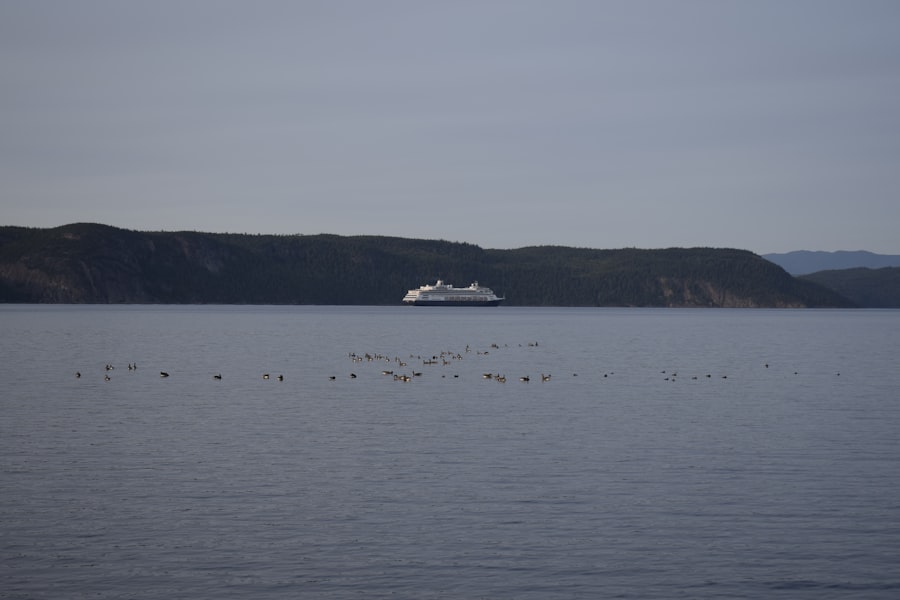
The Drake Passage is not merely an obstacle to be overcome; it is also a vital laboratory for scientific research. The unique oceanic environment of the passage provides invaluable opportunities to study a wide range of phenomena, from the dynamics of the ACC to the biodiversity of the Southern Ocean. Scientific expeditions are frequent, utilizing the passage as a means to access the research grounds of Antarctica.
Studying the Antarctic Circumpolar Current in situ
The Drake Passage offers a relatively accessible location for scientists to conduct in-situ studies of the ACC. Instruments such as oceanographic buoys, moorings, and autonomous underwater vehicles (AUVs) are deployed to measure current speed, temperature, salinity, and other parameters. These measurements help to refine our understanding of the ACC’s structure, variability, and its role in global ocean circulation. Ship-based surveys are also common, allowing for the collection of water samples and the deployment of profiling instruments.
Biodiversity and Ecosystem Research
The Drake Passage is a rich marine ecosystem, serving as a migratory route and feeding ground for a variety of species, including whales, dolphins, seals, and seabirds. The Antarctic Polar Front, which often lies within the passage, is a zone of high productivity, attracting abundant krill and fish populations. Scientists study the biodiversity of the region to understand the impact of climate change on marine life, the intricacies of food webs, and the health of the Southern Ocean ecosystem. The unique challenges of sampling in this environment also drive innovation in research methodologies.
Climate Change Impact Studies
The Southern Ocean is particularly sensitive to climate change, and the Drake Passage acts as a key indicator of these changes. Researchers monitor sea ice extent, ocean temperatures, and carbon uptake within the passage to assess the ongoing impacts of global warming. Changes in the ACC’s intensity or temperature can have cascading effects on global climate patterns, making the Drake Passage a critical area for climate change research. Understanding how the ACC might change in a warming world is a high priority for climate scientists.
The Antarctic Circumpolar Current plays a crucial role in regulating global climate patterns, particularly as it flows through the Drake Passage. This unique oceanic current not only influences marine ecosystems but also affects weather systems across the Southern Hemisphere. For a deeper understanding of its significance and dynamics, you can explore a related article that delves into the intricacies of ocean currents and their impact on climate at My Geo Quest.
The Future of Drake Passage Navigation
| Parameter | Value |
|---|---|
| Location | Drake Passage |
| Width | 800 kilometers |
| Depth | 4,000 meters |
| Flow Speed | 1-2 meters per second |
| Importance | Connects major ocean basins, influences global climate |
As technology advances and our understanding of the Southern Ocean deepens, the future of Drake Passage navigation promises to be one of increased safety and efficiency, while retaining a healthy respect for its inherent power. The challenges, however, will likely remain, demanding continuous adaptation and innovation.
Technological Advancements in Navigation and Forecasting
Future navigation in the Drake Passage will undoubtedly benefit from further advancements in satellite technology, real-time data assimilation, and sophisticated weather modeling. Improved forecasting capabilities will allow for more precise prediction of sea conditions, enabling vessels to better plan their routes and avoid the worst weather. The development of more advanced autonomous vessels and intelligent routing systems could also play a role in optimizing passage times and minimizing risks. Enhanced communication systems will also ensure better coordination between vessels and shore-based support.
The Role of Environmental Awareness and Sustainability
With increased human activity in the Antarctic region, environmental awareness and sustainable practices in the Drake Passage are becoming increasingly crucial. Research on the environmental impact of shipping, the prevention of pollution, and the responsible management of tourism are all vital considerations for the future. Future navigation strategies will need to prioritize minimizing ecological footprints and ensuring the long-term health of this pristine environment. This includes adhering to strict regulations regarding waste disposal, emissions, and the avoidance of sensitive marine areas.
The Enduring Spirit of Exploration
Despite the challenges, the allure of the Antarctic and the unique experience of crossing the Drake Passage will likely continue to draw explorers, scientists, and adventurers. The passage, while formidable, remains an integral part of the journey to the southernmost continent, a rite of passage that instills a profound appreciation for the raw power of nature. The spirit of exploration, coupled with responsible and technologically advanced navigation, will ensure that the Drake Passage continues to be a vital, albeit challenging, route for years to come. The human drive to push boundaries and explore the unknown will ensure that this iconic waterway remains a significant element in our relationship with the Earth’s last wild frontier.

Why Cape Horn Has Some of the Worst Seas on Earth
FAQs
What is the Antarctic Circumpolar Current (ACC)?
The Antarctic Circumpolar Current (ACC) is the world’s strongest ocean current, flowing from west to east around Antarctica. It is driven by strong westerly winds and the lack of continental barriers, allowing it to circulate unimpeded.
What is the Drake Passage?
The Drake Passage is the body of water between the southern tip of South America and the northern tip of the Antarctic Peninsula. It is a narrow and turbulent stretch of water that serves as the main conduit for the ACC, connecting the Pacific and Atlantic Oceans.
How does the ACC impact global climate and ocean circulation?
The ACC plays a crucial role in regulating the Earth’s climate and ocean circulation. It helps to distribute heat and nutrients around the globe, influencing weather patterns, marine life, and the transport of carbon dioxide between the atmosphere and the ocean.
What are the environmental significance and ecological importance of the ACC?
The ACC is a key driver of the Southern Ocean ecosystem, supporting a diverse range of marine life including krill, whales, seals, and seabirds. It also influences the distribution of nutrients and phytoplankton, which form the base of the food chain in the region.
How is the ACC being impacted by climate change?
Climate change is affecting the ACC in various ways, including changes in wind patterns, sea surface temperatures, and ocean acidification. These changes can have far-reaching consequences for the global climate system and the delicate balance of the Southern Ocean ecosystem.