
When you think about the Taiwan Strait, what comes to mind? Perhaps it’s a vital shipping lane, a strategic military buffer, or a simmering geopolitical flashpoint. You’re not wrong on any count. This narrow body of water, separating mainland China from the island of Taiwan, is far more than just a geographical feature. It’s a crucible of competing ambitions, a testament to historical conflicts, and a constant source of tension that impacts global stability. You stand at a juncture where understanding its complexities is not merely academic, but a necessity for grasping the geopolitical landscape of the 21st century.
Your journey into navigating Taiwan Strait geopolitics begins by acknowledging its historical bedrock. Before you can chart its future, you must understand its past. This has been a contested space for centuries, a point of contention that has shaped the identities of both China and Taiwan.
The narrative of the Taiwan Strait is inextricably linked to the broader saga of China. Indeed, its current geopolitical significance is a direct consequence of historical events and political decisions made decades ago.
The Chinese Civil War and the ROC’s Retreat
You can’t discuss the Taiwan Strait without delving into the brutal Chinese Civil War (1925-1949). This conflict pitted the Nationalist Kuomintang (KMT), led by Chiang Kai-shek, against the Communist Party of China (CPC), led by Mao Zedong. As the CPC gained the upper hand, the KMT government, the Republic of China (ROC), was forced to retreat to Taiwan in 1949. This wasn’t an abdication, but a strategic redeployment, maintaining the fiction of being the legitimate government of all of China from their island outpost. This foundational event established the political schism that defines the strait’s current situation. You must remember that for the ROC on Taiwan, this was not a defeat, but a continuation of their governance, albeit on a smaller territory.
The “One China” Principle: Conflicting Interpretations
This historical schism immediately spawned the complex issue of sovereignty. For Beijing, the “One China” principle is absolute: there is only one sovereign state under the name China, and Taiwan is an inalienable part of it. This principle, however, doesn’t acknowledge the ROC’s continued existence or its claims. For Taipei, the ROC still exists as a sovereign entity, and while the specifics of its relationship with the mainland have evolved over time, the fundamental idea of a separate, self-governing entity has persisted. You’ll find that different countries and international bodies navigate these interpretations with varying degrees of explicit acknowledgment, often adopting subtle diplomatic language to avoid alienating either side.
The Role of the United States: A Shifting Dynamic
Your understanding of the strait’s history is incomplete without recognizing the pivotal role of the United States. Initially, the US was allied with the ROC and provided significant support. However, with the normalization of relations with the People’s Republic of China (PRC) in 1979, the US shifted its recognition to Beijing as the sole legitimate government of China. This led to the severance of formal diplomatic ties with the ROC. Yet, the US maintains a complex and often contradictory policy, acknowledging Beijing’s “One China” principle without endorsing the PRC’s claim of sovereignty over Taiwan. Crucially, the US also passed the Taiwan Relations Act, committing to help Taiwan defend itself. This act underpins a significant portion of Taiwan’s security and the strategic ambiguity that defines the US approach.
In the context of Taiwan Strait geopolitics, a relevant article that provides insightful analysis is available on MyGeoQuest. This article delves into the strategic implications of recent military maneuvers in the region and examines the responses from major global powers. For more detailed information, you can read the article here: Taiwan Strait Geopolitics.
The Strategic Importance of the Strait
The Taiwan Strait isn’t just a historical footnote; it’s a linchpin of global strategy, impacting trade, security, and international relations. Its geographical and economic significance makes it a focal point of international attention.
A Vital Artery of Global Trade
Consider the sheer volume of goods that traverse this narrow waterway. The Taiwan Strait is one of the world’s busiest shipping lanes, crucial for global commerce. A significant portion of East Asia’s trade, including vital cargo for Japan, South Korea, and China itself, passes through here. Disruptions to this flow would have immediate and severe consequences for the global economy, leading to supply chain breakdowns and price hikes. You can visualize it as a heavily trafficked highway, and any blockage would cause immense economic chaos.
The Military Significance: A Geopolitical Battlefield
From a military perspective, the strait is a critical buffer zone. For mainland China, crossing the strait represents a significant amphibious assault, a feat of immense logistical and military complexity. For Taiwan, it serves as a natural defensive barrier. Consequently, the strait is heavily militarized, with both sides constantly monitoring and posturing. You’ll see a heightened military presence, with naval patrols, air force sorties, and sophisticated surveillance systems constantly deployed. This makes any escalation in the region particularly dangerous, with the potential for miscalculation to trigger a wider conflict.
Taiwan’s Semiconductor Dominance: A Global Vulnerability
Beyond trade and military strategy, Taiwan holds a unique position in the global economy due to its dominance in semiconductor manufacturing. Companies like TSMC are at the forefront of producing the advanced chips that power everything from smartphones to advanced military technology. The concentration of this critical industry on an island potentially vulnerable to conflict creates a significant global economic vulnerability. An interruption to Taiwan’s chip production would have profound and far-reaching consequences, impacting technological development and economic stability worldwide. You can see this as a single point of failure for the global technological ecosystem.
The Players and Their Motivations
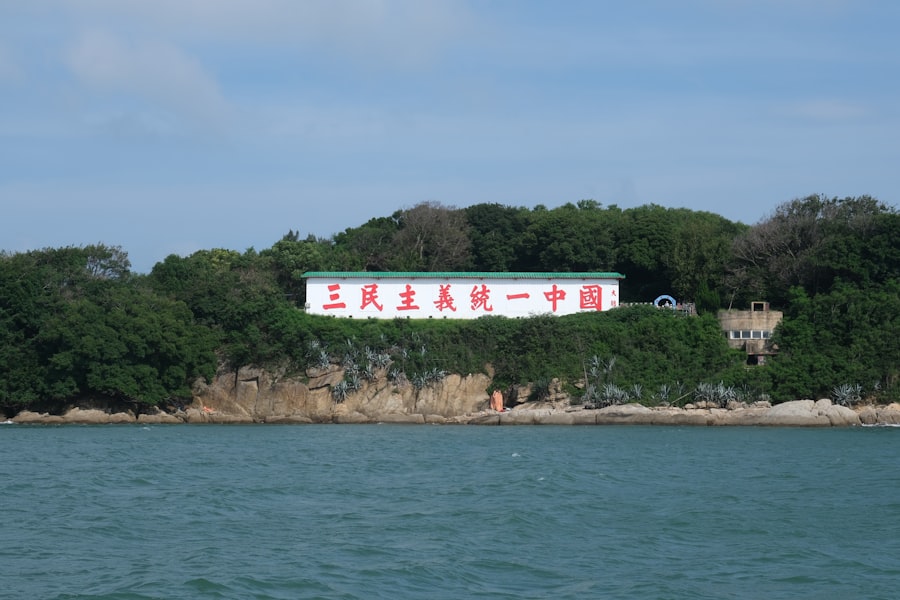
Understanding the navigations of the Taiwan Strait requires a deep dive into the motivations and aims of the key actors involved. Each has its own historical baggage, strategic objectives, and national aspirations.
The People’s Republic of China: The Unification Agenda
Beijing’s primary objective regarding Taiwan is unification. The PRC views Taiwan as a breakaway province that must, by any means necessary, be brought back under its control. This objective is deeply rooted in the CPC’s historical narrative of national rejuvenation and the completion of the Chinese Civil War. President Xi Jinping has repeatedly emphasized that the “Taiwan question” cannot be passed down through generations and has not ruled out the use of force to achieve unification, particularly if Taiwan formally declares independence or if there is significant foreign intervention. You should recognize that for the CPC, this is not just a territorial issue, but a matter of national pride and legitimacy.
The Republic of China (Taiwan): Self-Determination and Security
In Taiwan, the prevailing sentiment has shifted significantly over the decades. While the ROC still officially claims sovereignty over mainland China, the reality on the ground is that Taiwanese identity has solidified. The majority of the population identifies as Taiwanese, not Chinese, and desires to maintain their democratic way of life and self-governance. The primary motivations for the ROC government and its people are preserving their democracy, maintaining their security, and ensuring their economic prosperity. This often translates into a desire for international recognition and a cautious approach to anything that might provoke Beijing. You’ll see a strong emphasis on maintaining a robust defense and fostering international partnerships that support their autonomy.
The United States: Strategic Balancing and Regional Stability
The US seeks to maintain peace and stability in the Indo-Pacific region. Their policy of strategic ambiguity towards Taiwan serves multiple purposes. It aims to deter Beijing from invading by keeping them guessing about the extent of US intervention, while also avoiding provoking a premature declaration of independence by Taiwan. The US is committed to helping Taiwan defend itself, as outlined in the Taiwan Relations Act, and sees a free and democratic Taiwan as a vital partner and a symbol of democratic resilience in the face of authoritarianism. You should understand that the US position is a delicate balancing act, aiming to uphold international norms while avoiding direct conflict.
Allies and Partners: A Growing Chorus of Concern
Beyond the primary actors, a growing number of countries are expressing concern about the implications of a potential conflict in the Taiwan Strait. Japan, due to its proximity and economic ties, has a significant stake in regional stability. Australia, South Korea, and nations in Southeast Asia are all watching the situation closely. The importance of freedom of navigation and the potential for wider disruptions to global trade and security are driving this increased attention. You’ll observe statements from these nations often emphasizing peaceful resolution and de-escalation.
Navigating the Minefield: Diplomatic and Military Strategies
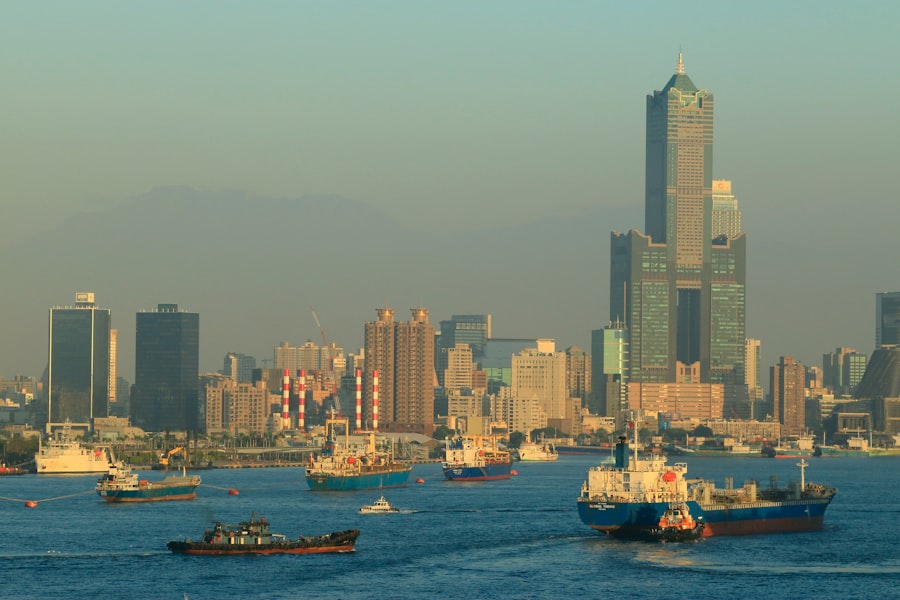
The ongoing tension in the Taiwan Strait is managed through a complex interplay of diplomatic maneuverings and military posturing. Neither side wishes for a direct confrontation, but the potential is ever-present.
Diplomatic Maneuvering: The Art of Ambiguity and Communication
On the diplomatic front, the situation is characterized by a delicate dance. Beijing insists on its “One China” principle, pressuring countries to sever ties with Taiwan. Most nations comply with this, maintaining official diplomatic relations only with the PRC. However, many maintain unofficial, robust relations with Taiwan through trade offices and parliamentary delegations. The US’s “strategic ambiguity” is a prime example of diplomatic hedging. Communication channels, though often strained, are crucial for de-escalation. You’ll see frequent statements from foreign ministries, diplomatic summits, and international forums where the issue is discussed, often behind closed doors.
Military Posturing: Deterrence and Provocation
Militarily, the strait is a constant theater of operations. Both sides engage in exercises, patrols, and displays of force. Beijing frequently conducts air and naval incursions into Taiwan’s Air Defense Identification Zone (ADIZ) and naval exercises around the island, often seen as coercive signaling. Taiwan, in turn, strengthens its defenses, buys advanced weaponry from allies, and conducts its own drills. The US also conducts freedom of navigation operations (FONOPs) in the region, often transiting through the strait, which Beijing views as provocative. You can think of this as a high-stakes game of “chicken,” where each side tests the other’s resolve.
Economic Coercion: The Power of Sanctions and Trade
Economic leverage is another significant tool in the geopolitical toolkit. Beijing has consistently used economic pressure against Taiwan, targeting specific industries or imposing trade restrictions when it perceives Taiwanese actions as crossing its red lines. The threat of broader sanctions against countries that deepen ties with Taiwan is also a constant factor. Conversely, the global reliance on Taiwan’s semiconductor industry means that any conflict would severely impact China’s economy as well. You should consider that economic interdependence can be both a stabilizing and destabilizing force.
The ongoing tensions in the Taiwan Strait have significant implications for regional stability and international relations, as highlighted in a recent article that explores the complex dynamics at play. This piece delves into the strategic interests of major powers and the potential consequences of escalating conflicts in the area. For a deeper understanding of these geopolitical issues, you can read more in this insightful article on Taiwan Strait geopolitics.
Potential Flashpoints and Escalation Pathways
| Aspect | Metric |
|---|---|
| Geopolitical Tension | High |
| Strategic Importance | Significant |
| Military Presence | Strong |
| International Concern | Elevated |
Understanding the current state of play is important, but anticipating future movements requires identifying the potential flashpoints that could lead to a crisis in the Taiwan Strait. These are the triggers that could, intentionally or unintentionally, ignite a conflict.
A Formal Declaration of Independence
The most direct trigger for conflict would be an official declaration of independence by Taiwan. While the current ruling party, the Democratic Progressive Party (DPP), generally favors de facto independence, a formal declaration would be seen by Beijing as a definitive red line. This would leave the PRC with little political room to avoid military action, according to its stated policies. You should recognize that Taiwan’s political leadership is acutely aware of this red line and navigates it with considerable caution.
Significant Foreign Military Intervention
While the US has committed to supporting Taiwan’s defense, the nature and extent of its involvement in a conflict are deliberately ambiguous. However, any significant intervention, particularly if perceived by Beijing as an attempt to permanently prevent unification, could escalate tensions dramatically. This could range from direct military engagement to providing advanced defensive capabilities that decisively alter the military balance. You will notice that the ambiguity of US commitment is a deliberate strategy to deter both sides.
Miscalculation and Accidental Escalation
The dense military presence in and around the strait creates a perpetual risk of miscalculation or accidental escalation. A collision between aircraft or naval vessels, an unauthorized crossing of maritime boundaries, or a breakdown in communication during a tense encounter could rapidly spiral out of control. The sheer volume of military activity means that even routine operations carry inherent risks. You should consider that in such a confined and militarized space, a minor incident can have disproportionately large consequences.
Internal Political Developments within Taiwan or China
Domestic politics in both Beijing and Taipei can influence the geopolitical climate. If the CPC faces internal pressure or seeks to bolster its legitimacy, it might adopt a more aggressive stance towards Taiwan. Conversely, if Taiwan’s political landscape shifts towards a more overt independence movement, it could also increase tensions. You should be aware that the leaders in both governments are constantly balancing external pressures with domestic considerations.
The Global Ramifications of Strait Instability
A conflict or prolonged period of severe instability in the Taiwan Strait would not remain confined to the region. Its implications would ripple across the globe, impacting economies, security alliances, and international norms.
Global Economic Disruption
As mentioned earlier, the disruption to global trade routes would be catastrophic. The impact on the semiconductor supply chain alone would be immense, leading to shortages of critical components and hobbling industries worldwide. Furthermore, sanctions imposed on China or disruptions to global energy flows would further destabilize the global economy. You’ll likely see widespread economic recession, soaring inflation, and a significant impact on everyday consumer goods.
Reshaping Global Alliances and Security Architectures
A conflict in the strait would force nations to take sides, potentially fracturing existing alliances and creating new ones. The US would likely rally its allies, while China would seek to bolster its own partnerships. The nature of international security cooperation would be fundamentally reshaped, with a heightened focus on military preparedness and a potential resurgence of bloc politics. You might witness a significant reevaluation of defense spending and military strategies by nations around the world.
The Future of the Liberal International Order
The events in the Taiwan Strait are a test of the post-World War II international order, which is based on principles of sovereignty, non-aggression, and peaceful dispute resolution. A forceful annexation of Taiwan by China would challenge these norms and could embolden other authoritarian regimes. Conversely, a successful defense of Taiwan by its populace, with international support, could reinforce these principles. You should consider this as a defining moment for the future of international law and governance.
In conclusion, your navigation of Taiwan Strait geopolitics is a continuous process of observation, analysis, and understanding. This is not a static situation, but a dynamic and evolving landscape shaped by history, strategic interests, and the constant interplay of human decisions. By understanding its historical roots, strategic importance, the motivations of its key players, the methods of navigation, and the potential flashpoints, you equip yourself with the knowledge to comprehend one of the most critical geopolitical arenas of our time. The future of this narrow body of water holds profound implications for the global order, and your awareness is the first step in understanding its complex and consequential narrative.

The Taiwan Strait: The Most Dangerous Place in the Global Economy
FAQs
What is the Taiwan Strait?
The Taiwan Strait is a body of water that separates the island of Taiwan from the southeastern coast of China. It is approximately 180 kilometers wide at its narrowest point.
What is the significance of the Taiwan Strait in geopolitics?
The Taiwan Strait is significant in geopolitics because it is a potential flashpoint for conflict between China and Taiwan, as well as a potential area of contention between China and the United States.
What is the current political status of Taiwan in relation to China?
Taiwan considers itself a sovereign state, with its own government, military, and constitution. However, China considers Taiwan to be a part of its territory and has not ruled out the use of force to bring Taiwan under its control.
How does the United States factor into the Taiwan Strait geopolitics?
The United States has a long-standing policy of providing military and diplomatic support to Taiwan, and has stated that it would consider any Chinese use of force against Taiwan as a matter of grave concern.
What are the potential implications of conflict in the Taiwan Strait?
Conflict in the Taiwan Strait could have significant implications for regional stability, global trade, and the balance of power in East Asia. It could also have far-reaching economic and security consequences for the United States and other countries in the region.