
Navigating the Mississippi River, a colossal artery of commerce pulsing with the lifeblood of American industry, presents a complex tapestry of challenges and regulations. Among these, tow size restrictions stand as a critical, albeit sometimes opaque, determinant of operational feasibility and economic efficiency. For those who ply these waters, understanding these limitations is not merely a matter of bureaucratic adherence, but a fundamental necessity for safe passage and successful transit. To venture forth without this knowledge is akin to setting sail with a blindfold, susceptible to unseen shoals and unforeseen currents.
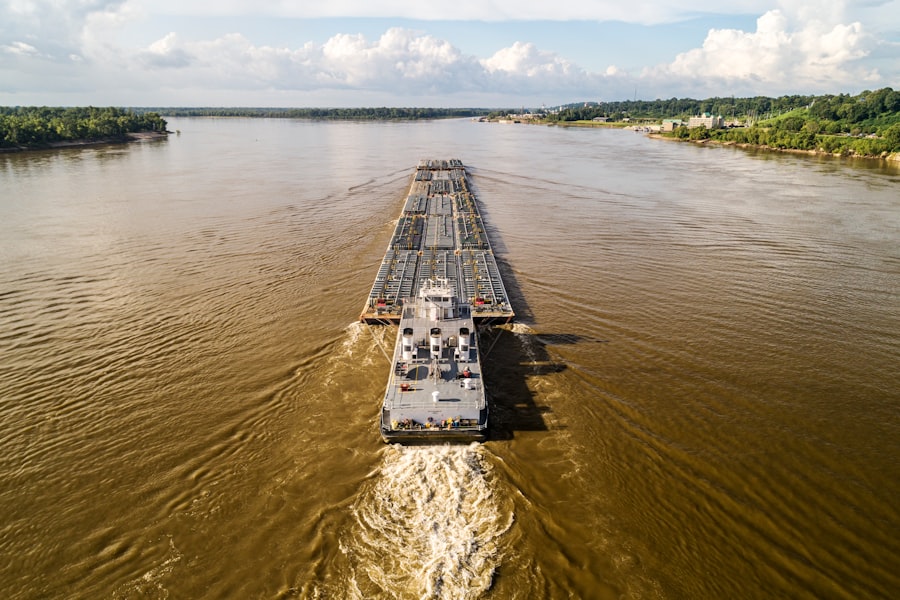
The Mississippi River tow, a powerful ensemble of barges lashed together and propelled by a singular, robust towboat, is a marvel of hydraulic engineering and logistical prowess. Its configuration, a carefully choreographed ballet of steel and water, dictates its maneuverability, its draft, and, crucially, its susceptibility to the river’s inherent limitations. The “size” of a tow is not a monolithic concept but rather a multifaceted descriptor encompassing both its physical dimensions and its cargo capacity.
Barge Dimensions: The Building Blocks of a Tow
Each individual barge, the fundamental unit of a tow, possesses a standard set of dimensions. These include length, beam (width), and depth. While standard sizes exist, variations emerge based on the intended cargo and waterway. Grain barges, for instance, tend to have greater beam to maximize cubic capacity, while tank barges, designed for liquid cargoes, might have different structural considerations. The careful assembly of these individual units, meticulously lashed together, forms the composite structure that navigates the river.
Towboat Power: The Engine of the Convoy
The towboat, often referred to as an “artillery” for its ability to push its formidable payload, is the driving force behind the tow. Its horsepower, rudder configuration, and hull design are all critical factors in its ability to control and propel the tow. The sheer mass of a fully loaded tow can reach thousands of tons, demanding immense power to overcome water resistance and river currents. The relationship between towboat power and tow size is a delicate equilibrium, a constant negotiation between pushing capability and control.
The Total Ensemble: Length, Beam, and Draft
The combined length and beam of a fully assembled tow can be staggering, transforming a single towboat and its barges into a moving island. A typical tow might stretch hundreds of feet in length, with a beam that can exceed fifty feet. This colossal footprint necessitates careful consideration of channel widths, bridge clearances, and the proximity of other river traffic. The draft, the depth to which the tow sits in the water, is equally critical, directly impacting the minimum depth of navigable water required. A deep-draft tow can quickly find itself grounded in shallower sections, a costly and time-consuming predicament.
The Mississippi River has long been a vital artery for transportation and commerce, but recent discussions have highlighted the importance of tow size restrictions to ensure safe navigation. For a deeper understanding of this topic, you can refer to a related article that explores the implications of these restrictions on the shipping industry and environmental factors. To read more, visit this article.
Navigational Infrastructure: The River’s Restrictive Embrace
The Mississippi River, while a magnificent waterway, is not an infinitely accommodating conduit. Its natural characteristics, combined with the imprint of human infrastructure, impose inherent limits on the size of tows that can safely transit. These restrictions are not arbitrary but are born from the river’s geography, its flow dynamics, and the engineering limitations of bridges, locks, and dams.
Channel Depths and Dredging Regimes: The River’s Hydrological Pulse
The primary constraint on tow size is often the available channel depth. The Mississippi’s depth fluctuates naturally with seasonal rainfall, snowmelt, and drought. To maintain a navigable pathway for commercial traffic, a continuous and intensive dredging operation is undertaken by the U.S. Army Corps of Engineers. However, even with extensive dredging, certain sections of the river maintain a minimum depth that directly dictates the maximum draft a tow can safely possess. Exceeding this limit is an invitation to grounding, a stark reminder of the river’s ultimate authority.
Lock and Dam Systems: The River’s Staircase of Control
As one moves upriver from the Gulf of Mexico, the natural flow of the Mississippi is progressively regulated by a series of lock and dam systems. These structures are designed to manage water levels, control flooding, and provide reliable navigation through areas with significant elevation changes. However, these locks, akin to giant water elevators, have defined dimensions. The size of the barges and the towboat that can enter and exit a lock chamber are strictly limited by the lock’s length, width, and depth. This becomes a critical bottleneck, often dictating the maximum tow size that can proceed upstream.
Bridge Clearances: The Overhead Limiter
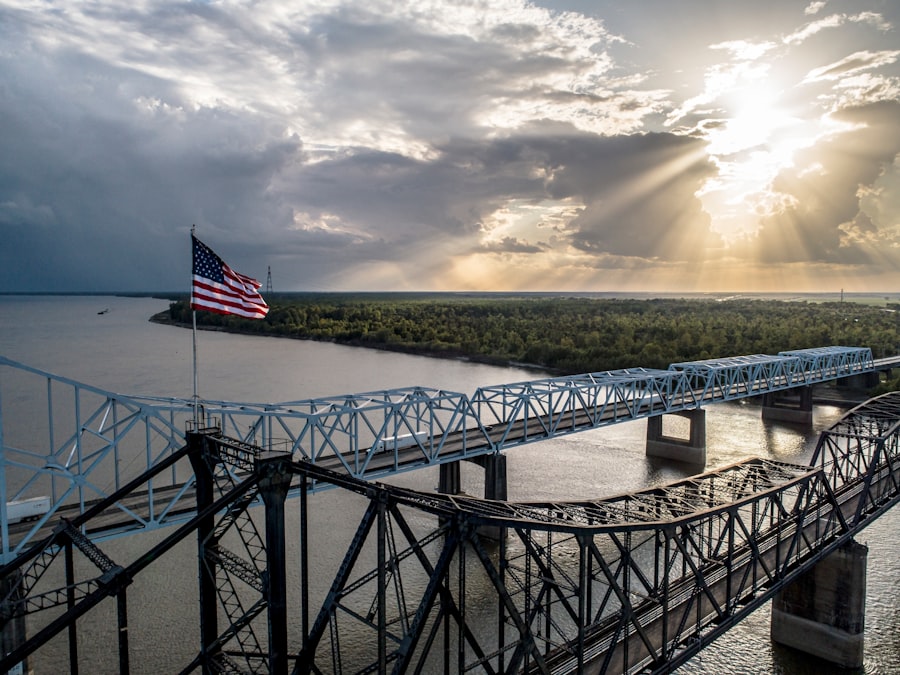
The ubiquitous presence of bridges spanning the Mississippi presents another significant hurdle. Each bridge possesses a horizontal and vertical clearance, the maximum dimensions of a vessel that can pass beneath it. While these clearances are generally generous, the imposing size of large tows can necessitate careful planning, particularly for tows with exceptionally high stacked barges or those operating in areas with older, lower bridges. Navigating these constricted passages requires precision and an intimate knowledge of the tow’s vertical profile.
Regulatory Frameworks: The Governing Hand of Navigation
Beyond the physical limitations of the river and its infrastructure, a complex web of regulations governs the operation of tows on the Mississippi. These rules are designed to ensure safety, prevent accidents, and maintain the efficient flow of commerce. Understanding and adhering to these regulations is paramount for all river mariners.
The U.S. Army Corps of Engineers: The River’s Architect and Guardian
The U.S. Army Corps of Engineers plays a pivotal role in managing and maintaining the navigability of the Mississippi River. Their purview extends to channel maintenance, lock and dam operations, and the establishment of navigational rules. Through their publications and official notices, they communicate critical information regarding channel conditions, operational procedures, and any specific restrictions that may be in place, including tow size limitations for particular waterways or lock systems.
U.S. Coast Guard Regulations: The Watchful Sentinel
The U.S. Coast Guard is responsible for ensuring the safety of maritime operations, including those on the inland waterways. They enforce regulations pertaining to vessel manning, equipment, and operational practices. While direct tow size limits might be less frequently dictated by the Coast Guard in the same way as by lock dimensions, their overarching mandate for safe navigation indirectly influences tow configurations and operations, particularly in terms of stability and maneuverability for vessels of a certain size.
Inland Waterways User Fees: The Cost of Passage
While not a direct size restriction, the Inland Waterways Fuel Tax, also known as the user fee, is a financial consideration that can indirectly influence tow size decisions. This fee, levied on fuel consumed by commercial vessels operating on the inland waterways, is a significant operational cost. Larger tows, consuming more fuel, incur higher user fees. This economic factor, especially in a competitive market, can nudge operators towards more efficient tow configurations that balance cargo capacity with fuel consumption and associated fees.
Specific Restrictions and Their Rationale: Why Size Matters
The reasons behind specific tow size restrictions are rooted in a confluence of safety, efficiency, and environmental considerations. These limitations are not arbitrary but are carefully calculated to preserve the integrity of the waterway and the safety of all who use it.
Lock Dimensions: The Gatekeepers of Upriver Transit
As previously noted, the dimensions of the locks along the Mississippi River system are arguably the most significant and frequently encountered tow size restriction. Each lock has a maximum length, width, and depth that it can accommodate. These dimensions are often a legacy of historical construction and are carefully documented. For example, a particular lock might have a chamber length of 600 feet and a width of 110 feet. A tow exceeding these dimensions, even with a powerful towboat, simply cannot fit. This forces operators to break down larger tows into smaller convoys for transit through such locks, adding significant time and cost to the journey.
Channel Widths and Turning Basins: The Dance of Space
Beyond the confines of locks, the width of the navigable channel itself can impose practical limitations on tow size. In narrower sections of the river, or in areas where frequent turns are necessary, an overly long or wide tow can become difficult to control and maneuver. Turning basins, designated areas for vessels to safely turn, also have size limitations. Operators must consider the ability of their tow to execute these maneuvers without encroaching on other traffic or the riverbanks, which can lead to costly damage and environmental issues.
Environmental Sensitivity: Protecting the River’s Ecosystem
In certain sensitive ecological areas, specific tow size restrictions might be implemented to minimize environmental impact. Excessive tow sizes can lead to increased wake generation, which can erode riverbanks and disturb aquatic habitats. In areas with spawning grounds or delicate flora, regulations may be put in place to limit the size and speed of tows, thereby reducing their environmental footprint. This is a growing consideration as the industry strives for greater sustainability.
Safety and Maneuverability: The Physics of Control
The fundamental physics of water and mass dictate that larger tows are inherently less maneuverable than smaller ones. Their braking distance increases significantly, and their ability to react to sudden changes in river conditions or the actions of other vessels diminishes. Restrictions are often placed on tow size to ensure that vessels can be safely operated and controlled, especially in congested areas, adverse weather, or in emergencies. A tow that is too large for the conditions can become an unmanageable hazard, a runaway behemoth in the hands of the river.
Recent discussions surrounding the Mississippi River have highlighted the importance of tow size restrictions and their impact on shipping efficiency. For a deeper understanding of this topic, you can explore a related article that delves into the regulatory framework and its implications for the shipping industry. This insightful piece can be found at MyGeoQuest, where it examines the balance between navigation safety and economic viability on one of America’s most vital waterways.
Future Considerations and Trends: The Evolving River Landscape
| Section of Mississippi River | Maximum Tow Size (Barges) | Maximum Tow Length (Feet) | Maximum Tow Width (Feet) | Notes |
|---|---|---|---|---|
| Upper Mississippi River (above St. Louis) | 15 barges | 1,200 ft | 105 ft | Restrictions due to lock sizes and channel width |
| Lower Mississippi River (below St. Louis to Baton Rouge) | 42 barges | 1,200 ft | 175 ft | Largest tow sizes allowed; deep draft navigation |
| Mississippi River near New Orleans | 42 barges | 1,200 ft | 175 ft | Wide channel allows maximum tow size |
| Mississippi River Locks (various locations) | 15 barges | 600 ft (lock chamber length) | 110 ft (lock chamber width) | Tows must be broken down to fit lock dimensions |
The Mississippi River is not a static entity; it is a dynamic system constantly shaped by natural forces and human intervention. Tow size restrictions, while established, are not immutable. Future trends and considerations will likely influence how these limitations evolve.
Technological Advancements in Towboat Technology: Pushing the Envelope
The continuous innovation in towboat design and propulsion systems offers the potential to increase the control and maneuverability of larger tows. More powerful engines, advanced rudder systems, and sophisticated navigation aids could allow for the safe operation of tows that were previously considered too unwieldy. This could lead to adjustments in existing restrictions, as newfound capabilities are demonstrated.
Infrastructure Modernization: Adapting to Growth
The ongoing modernization of lock and dam systems, notably the new generation of locks being constructed on the Mississippi, is a significant factor. These new facilities are often designed with larger dimensions, intended to accommodate larger tows and reduce transit times. As these infrastructure upgrades are completed, the bottlenecks imposed by older, smaller locks will be alleviated, potentially opening the door for larger tows to traverse previously restricted sections.
Evolving Economic Demands: The Quest for Efficiency
The relentless pursuit of economic efficiency in the shipping industry will continue to drive the desire for larger tows. Larger tows allow for greater cargo volumes per transit, reducing per-unit shipping costs. This economic imperative will likely put pressure on regulatory bodies to re-evaluate existing restrictions where technological advancements and infrastructure improvements permit. The river, like any busy highway, will seek to optimize its throughput.
Environmental Stewardship and Sustainable Navigation: The River’s Long-Term Health
Concurrently, there is a growing emphasis on environmental stewardship and sustainable navigation. This may lead to the implementation of new restrictions, or modifications to existing ones, aimed at further minimizing the ecological impact of tow operations. The focus will be on finding a balance between economic efficiency and the long-term health of the Mississippi River ecosystem. The river’s well-being is not just a matter of commerce, but a vital concern for future generations.
WATCH NOW ▶️ SHOCKING: Mississippi: The $12 Trillion Lie Revealed
FAQs
What are the tow size restrictions on the Mississippi River?
Tow size restrictions on the Mississippi River vary by location and are set to ensure safe navigation. Generally, tows are limited in length and width depending on the river segment, lock dimensions, and traffic conditions. Specific limits are enforced near locks and congested areas.
Why are tow size restrictions necessary on the Mississippi River?
Tow size restrictions are necessary to maintain safe and efficient navigation, prevent accidents, and protect infrastructure such as locks and bridges. Large tows can be difficult to maneuver, especially in narrow or busy sections of the river, so restrictions help manage traffic flow and reduce risks.
Who enforces the tow size restrictions on the Mississippi River?
Tow size restrictions on the Mississippi River are enforced by the U.S. Coast Guard and the U.S. Army Corps of Engineers. These agencies monitor river traffic, issue permits, and ensure compliance with regulations designed to promote safety and environmental protection.
Are there exceptions to the tow size restrictions on the Mississippi River?
Yes, exceptions to tow size restrictions may be granted under special circumstances, such as during low traffic periods or with special permits. However, these exceptions are carefully controlled and require coordination with regulatory authorities to ensure safety is not compromised.
How can tow operators find out the current size restrictions on the Mississippi River?
Tow operators can find current size restrictions by consulting notices to mariners issued by the U.S. Coast Guard, checking with the U.S. Army Corps of Engineers, or using navigation charts and river condition reports. Staying informed about temporary restrictions due to weather or construction is also important.